To ensure a tall TV stand lasts, avoid placing it over an HVAC vent, in direct sunlight, or in unconditioned basements and attics where humidity causes wood warping and particle board delamination within a single season. Heat and moisture from vents, windows, or appliances dry out finishes and accelerate fading, while high-pile carpet and uneven flooring create dangerous instability. Position the stand in a climate-controlled room with stable floors and minimal traffic to extend its lifespan by years.
A tall TV stand is a functional furniture investment. Its lifespan depends entirely on where you place it inside your home.
This guide covers where you should never put a tall TV stand if you want it to last and explains how to avoid costly damage.
Simply put, keep your tall TV stand away from direct sunlight, HVAC vents, high-traffic zones, and humid environments like basements. Heat, moisture, and physical stress cause warping, fading, and instability. Avoiding these common placement mistakes will extend your stand’s life by years.
Key Takeaways
- Placing a tall TV stand directly over an HVAC vent causes wood to dry out, warp, and crack over time due to rapid temperature changes.
- Direct sunlight accelerates fading and can raise the surface temperature of electronic components inside the stand by up to 20 degrees Fahrenheit.
- Basements and attics have humidity swings that cause particle board to swell and delaminate within a single season.
- Tall TV stands placed on high-pile carpet or uneven floors are significantly more likely to wobble and tip forward.
- Anchoring your tall TV stand to a wall stud is the single most effective way to prevent catastrophic tip-over accidents.
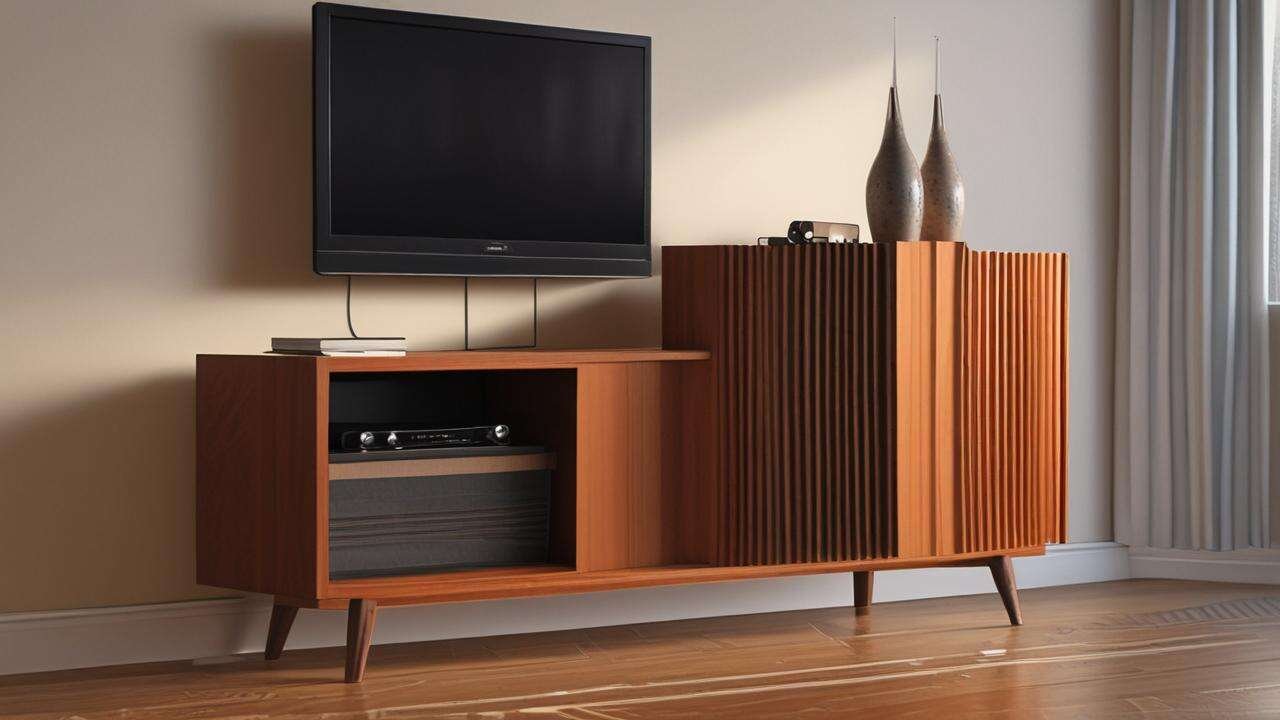
How Heat and Humidity Damage a Tall TV Stand
Wood and engineered wood products react to their environment. Solid wood expands and contracts with moisture changes. Particle board and MDF swell and crumble when wet.
According to, relative humidity above 60 percent causes significant swelling in engineered wood products. This swelling weakens joints and causes doors to stick.
Warning: Particle board and MDF are especially vulnerable to moisture. Once they swell, they never return to their original shape. Prevention is the only cure.
Heat exposure dries out natural wood oils. This leads to cracking, splitting, and a brittle structure. Heat also damages the adhesives that hold engineered boards together.
Your tall TV stand needs a stable environment. Temperature swings and humidity spikes are its worst enemies. Where you should never put a tall TV stand if you want it to last is a place with unstable conditions.
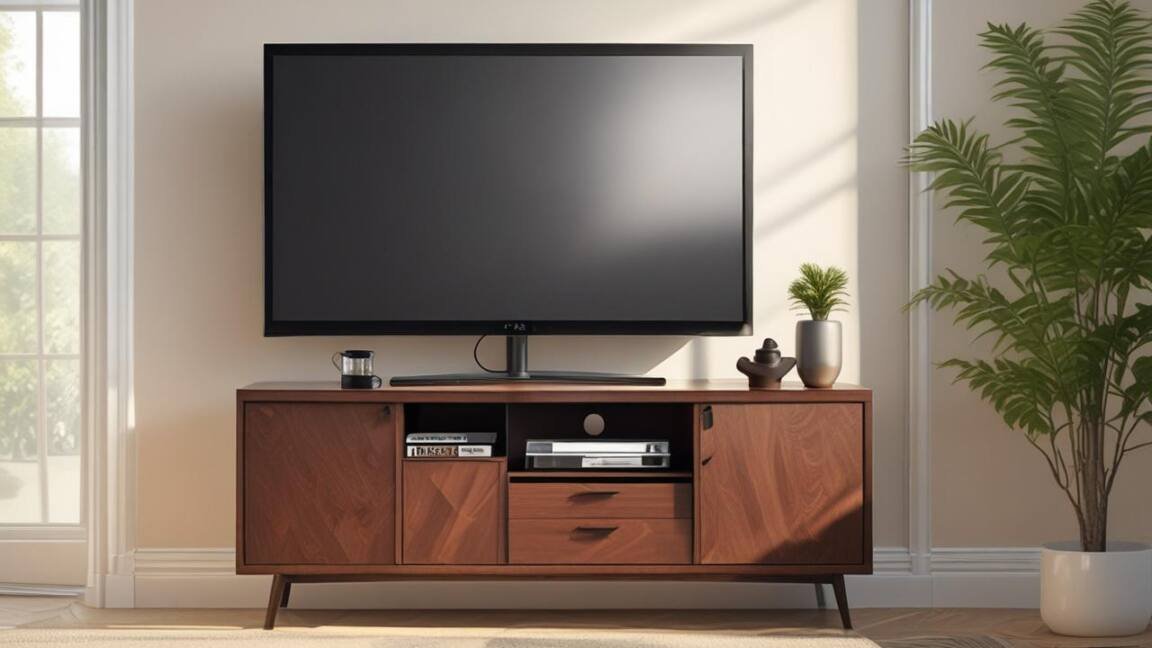
Where You Should Never Put a Tall TV Stand
1. Directly Over an HVAC Vent
Forced air from heating and cooling vents blasts directly onto the bottom of your TV stand. This constant stream of hot or cold air creates uneven temperature across the wood surface.
One side of the stand expands while the other stays dry. This causes warping and stress cracks over time. The glue in engineered panels can fail within months of continuous exposure.
If your room layout forces you to place furniture near a vent, use a vent deflector. This redirects airflow away from the stand. Never block the vent completely, as it can strain your HVAC system.
2. In Front of a Window With Direct Sunlight
UV radiation is deadly for wood finishes. The reports that dark wood finishes absorb up to 90 percent of UV radiation, which accelerates fading and drying.
Sunlight does more than just fade the color. It heats the wood surface unevenly. This creates micro-cracks in the finish and weakens the wood fibers underneath.
Electronic components inside your TV stand also suffer. Heat buildup from direct sunlight can shorten the life of gaming consoles, streaming devices, and cable boxes. Always place your stand against an interior wall or use window treatments to block UV rays.
3. In a Basement or Unconditioned Attic Space
Basements and attics experience extreme humidity and temperature swings. According to the, indoor humidity should stay between 30 and 50 percent to prevent mold growth and structural damage.
Basements typically have humidity levels above 60 percent during summer months. This causes particle board to swell, laminate to peel, and metal legs to rust. Attics can reach over 120 degrees in summer, which dries out wood and causes joints to separate.
Tip: If your basement is finished and climate-controlled, a TV stand can work fine. Use a dehumidifier to keep humidity below 50 percent. Check the area regularly for condensation on walls or windows.
Unconditioned spaces are never safe for tall furniture. The structural damage from moisture alone can ruin a stand within one year.
4. On High-Pile Carpet or Uneven Flooring
Tall TV stands rely on a flat, stable base. Thick carpet or padding makes the stand wobble. Every time someone walks near it, the stand rocks slightly.
This rocking motion stresses the joints and screws. Over months and years, the connections loosen. The stand becomes unstable and dangerous.
Uneven floors create a similar problem. A tall stand on an uneven floor twists the frame. This puts constant pressure on one corner, which can cause the panel to split.
Use furniture levelers or shims to stabilize the stand on carpet or uneven floors. Always anchor the stand to the wall with a strap or bracket.
5. In High-Traffic Hallways or Narrow Spaces
Hallways and narrow rooms create constant physical stress on your TV stand. People brush past it. Doors swing open and hit it. Vacuum cleaners bump into the corners.
Each bump and vibration adds up. Screws loosen. Panels shift. The stand slowly becomes misaligned. A tall stand in a narrow hallway also creates a serious safety hazard. The reports thousands of tip-over injuries each year, many involving furniture in walkways.
Keep your TV stand in a dedicated media corner. It should have space around it so people can walk freely without bumping it.
6. Next to a Kitchen or Heat-Producing Appliance
Kitchens produce steam, heat, and grease particles. These airborne contaminants settle on your TV stand. Grease attracts dust. Steam adds moisture to the wood surface.
Ovens, radiators, and space heaters emit dry heat that directly damages nearby furniture. The constant temperature swings from cooking can cause wood to expand and contract rapidly.
Keep at least three feet of space between your TV stand and any heat-producing appliance. This prevents both heat damage and grease buildup.
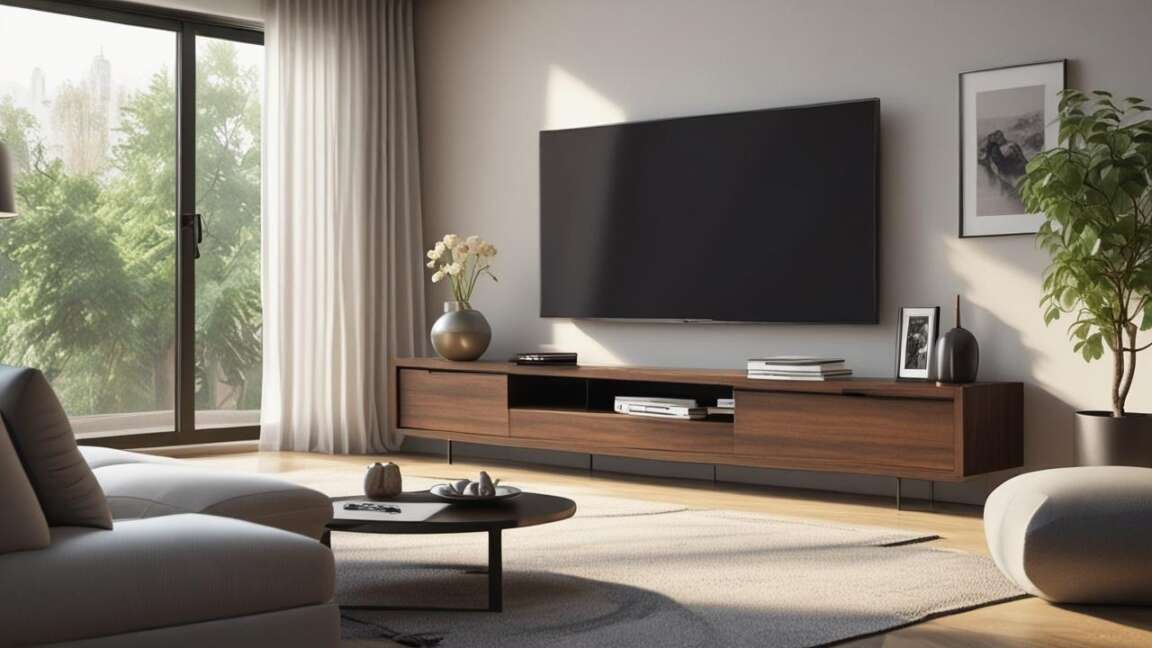
What Are the Ideal Conditions for a Tall TV Stand?
Creating the right environment is simple. Your stand needs stable temperature, low humidity, and a solid foundation. The table below shows the ideal conditions compared to harmful conditions.
| Condition | Ideal Range | Harmful Range | Effect of Harmful Conditions |
|---|---|---|---|
| Temperature | 60-75°F | Below 50°F or above 85°F | Wood cracks, glue fails |
| Humidity | 30-50% | Above 60% or below 20% | Swelling, delamination, splitting |
| Sunlight Exposure | Indirect light or shaded | Direct UV rays for 4+ hours daily | Fading, finish degradation, heat damage |
| Floor Stability | Level, solid surface | High-pile carpet, slope, vibration | Wobbling, joint stress, tip-over risk |
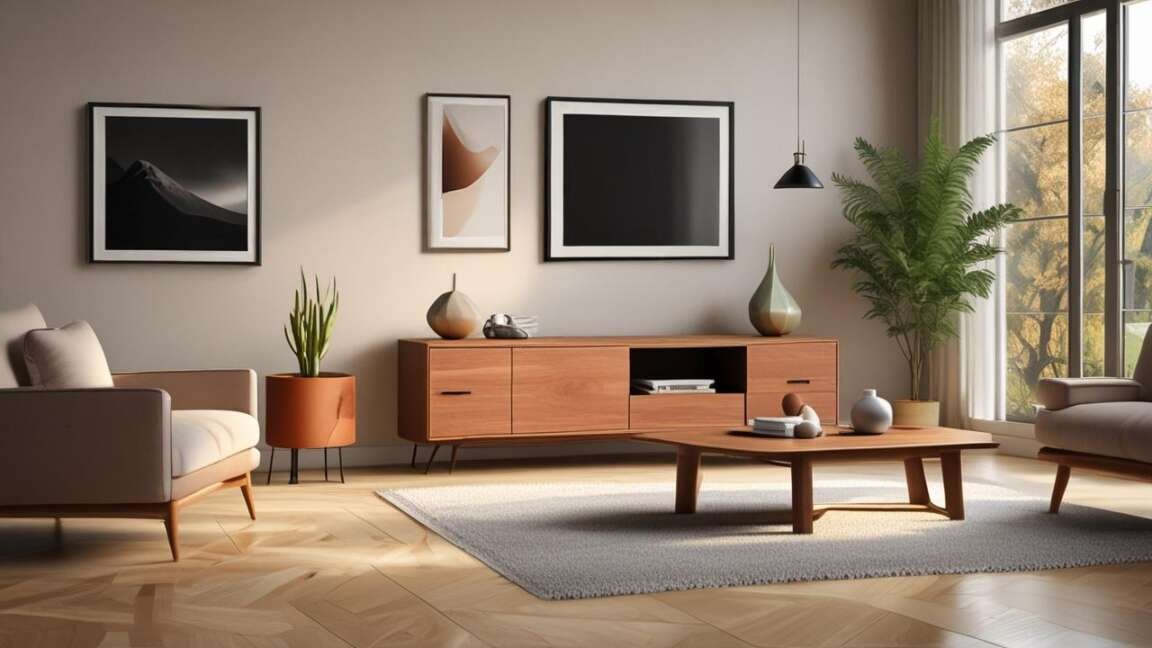
How to Protect Your Tall TV Stand From Damage
Protecting your investment takes a few simple steps. Follow these actions to keep your stand in excellent condition for years.
Step 1: Choose the Right Location
- Select an interior wall away from windows and doors.
- Keep at least 3 feet of space between the stand and any heat source.
- Ensure the room is climate-controlled with stable humidity levels.
Step 2: Anchor It to the Wall
Anchoring is the most important safety step. Where you should never put a tall TV stand if you want it to last is anywhere without a wall anchor. Anchoring prevents tip-overs and keeps the stand stable.
- Locate a wall stud using a stud finder. This is critical for holding the weight.
- Attach the anchor strap or bracket to the back of the TV stand.
- Screw the strap into the wall stud using heavy-duty screws.
- Test the connection by pulling firmly on the stand.
Step 3: Level the Stand
- Place a level on top of the TV stand.
- Adjust the leveling feet or add shims under the base.
- Check both front-to-back and side-to-side level.
Pro Tip: Use a dehumidifier in basements and a humidifier in dry climates. Keeping the room between 30 and 50 percent humidity prevents swelling and cracking.
Step 4: Protect From Sunlight and Heat
- Close blinds or curtains during peak sun hours.
- Use UV-blocking window film on nearby windows.
- Install a vent deflector if the stand is near an HVAC vent.
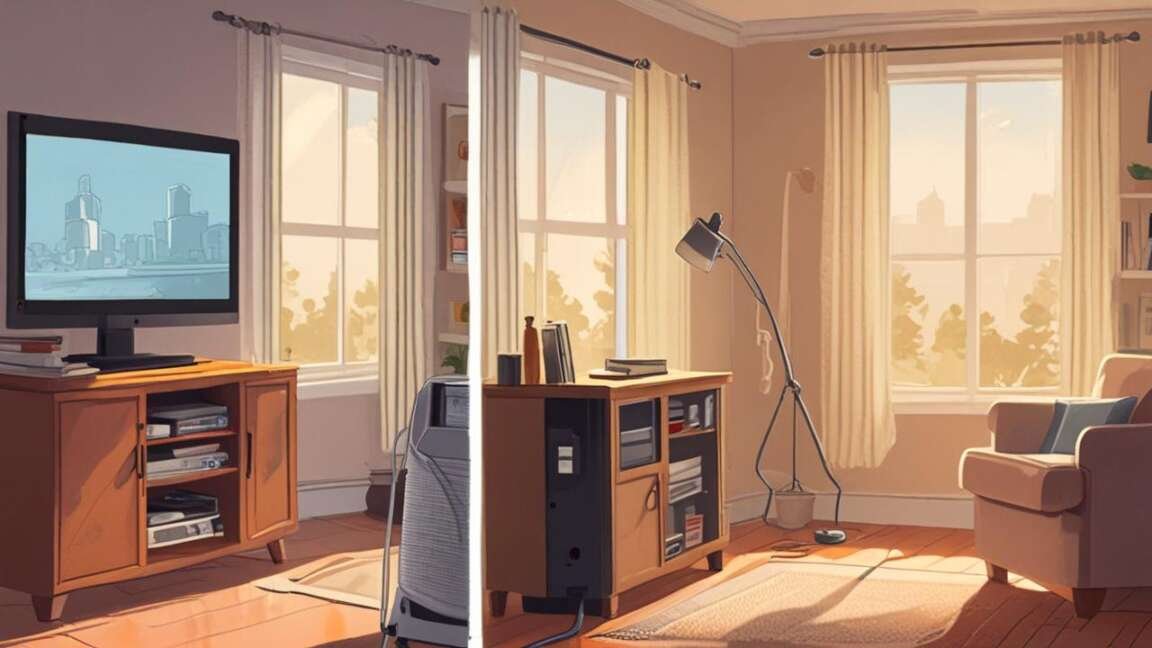
Common Myths vs Facts About TV Stand Placement
Myth 1: My TV Stand Is Too Heavy to Tip Over
Fact: Most tip-over accidents involve heavy furniture. According to, furniture tip-overs send thousands of people to the hospital each year. Weight alone does not prevent tipping. Children climbing on drawers or pulling on the TV can easily topple an unanchored stand.
Myth 2: Particle Board and MDF Are Waterproof
Fact: Particle board and MDF swell and crumble on contact with water. They use organic adhesives that break down when wet. A small spill left on an MDF surface can cause permanent damage within hours. Always use coasters and wipe spills immediately.
Myth 3: Putting Your Stand in a Basement Is Fine as Long as It Is Finished
Fact: Finished basements are safer than unfinished ones, but they still have higher humidity levels than the main floor. The notes that basements are the most common source of mold in homes. You need active humidity monitoring and a dehumidifier to protect furniture in a finished basement.
Frequently Asked Questions
Does direct sunlight damage a tall TV stand?
Yes, direct sunlight causes fading, drying, and cracking. UV rays degrade the wood finish and weaken the fibers. The states that prolonged sun exposure can ruin wood finishes within months.
Can I put my tall TV stand on carpet?
Yes, but you need to take precautions. High-pile carpet makes the stand unstable. Use leveling feet to compensate for the padding. Always anchor the stand to the wall to prevent tipping on uneven surfaces.
What happens if my TV stand gets wet?
Water causes particle board and MDF to swell irreversibly. Solid wood can warp or develop mold. Wipe up spills immediately. If the stand is soaked, move it to a dry area and use fans to speed up drying. Damage is often permanent.
Should I anchor a tall TV stand if it seems stable?
Yes, always. Stability on the floor does not prevent tip-overs. Children climbing or pets jumping against the stand can cause it to fall. The recommends anchoring all furniture over 30 inches tall.
Is it safe to put my TV stand over a radiator?
No, this is extremely harmful. Radiators produce dry heat that causes wood to crack and warp. The heat can also damage electronic components inside the stand. Keep at least three feet of distance between your stand and any heating appliance.
Resources and Tools
- CPSC Tip-Over Information Center – Official safety guidelines and recall information for furniture.
- EPA Mold and Moisture Guide – Government recommendations for indoor humidity control.
- NIST Indoor Environmental Quality – Research on how temperature and humidity affect building materials.
- Stud Finder – Essential tool for locating wall studs to anchor your TV stand safely.
- Furniture Levelers – Adjustable feet that stabilize TV stands on uneven or carpeted floors.
Final Thoughts
Your tall TV stand will last much longer if you place it away from heat vents, direct sunlight, and high-traffic areas. Keep the humidity in your room stable and always anchor the stand to the wall. These simple placement rules protect your furniture and keep your home safe. Basements are frequently cited as the most common source of mold in residential homes.
The CPSC Tip-Over Information Center provides official safety guidelines for anchoring furniture.