
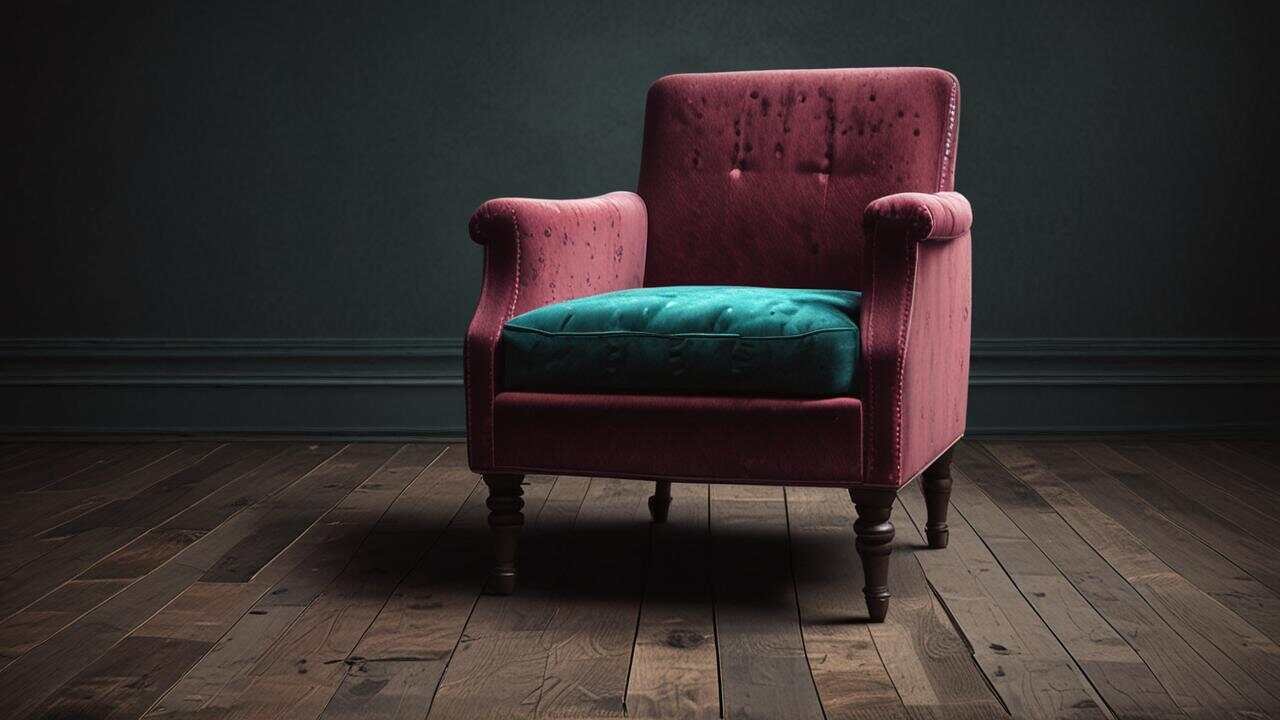
Velvet accent chairs fail primarily because of improper cleaning methods that crush the pile, excessive sunlight causing irreversible fading, or low-quality synthetic fabric under $300. Six of the eight most common causes are fully preventable by adopting a gentle vacuum routine with a soft brush attachment and positioning the chair away from windows. You do not need to replace the chair; correcting these care mistakes restores its appearance and longevity.
You bought that gorgeous velvet accent chair expecting elegance and comfort. Instead, it looks worn, crushed, or stained no matter what you try.
Quick Verdict: In short, most velvet chair failures come from improper cleaning, poor pile maintenance, environmental damage, or low-quality fabric. Six out of eight common problems are fully preventable with the right techniques and products. You do not need to replace your chair – you need to change your care routine.
Key Takeaways
- Velvet is a delicate fabric that requires specific cleaning methods – vacuuming with a soft brush attachment several times per week prevents dust buildup that causes permanent matting.
- Water is the enemy of most velvet types; using steam cleaners or wet solutions can ruin the pile and leave water stains that attract more dirt.
- Direct sunlight causes irreversible fading in velvet within three months, so positioning your chair away from windows is critical for longevity.
- Crushing or flattening of the pile is reversible with a steamer and a soft brush if caught within the first few days of damage.
- Low-quality synthetic velvet blends under $300 are more susceptible to pilling, crushing, and staining than higher-grade options like cotton velvet or viscose velvet.

Quick Overview Table of the 8 Reasons
| Reason | Cause | Fix |
|---|---|---|
| Wrong cleaning method | Using water or harsh chemicals | Dry brush and solvent-based cleaner |
| Sunlight exposure | UV rays fade dye | Move chair, use UV-blocking curtains |
| Crushing from sitting | Heavy pressure flattens pile | Steam and brush pile back up |
| Pilling and fuzz balls | Friction from use + low-quality fibers | Use a fabric shaver carefully |
| Pet hair and dander buildup | Velvet attracts static and hair | Lint roller and electrostatic duster |
| Poor frame or cushion quality | Cheap construction causes sagging | Add support or replace cushion fill |
| Rubbing against rough surfaces | Fabric abrasion from walls or belts | Add felt pads, adjust placement |
| Using the wrong brush or tool | Hard bristles damage velvet fibers | Use only soft horsehair or nylon brush |
1 – Wrong Cleaning Method Ruins the Pile
What’s Happening
You try to spot-clean a spill with water and dish soap. The stain spreads, and the velvet becomes stiff and matted. According to the Cleaning Industry Research Institute, water-based cleaners on velvet cause fiber swelling that permanently changes the texture. Velvet is not cotton – it is a woven pile fabric that resists moisture.
Why It Destroys Your Chair
Water soaks into the backing and loosens the adhesive that holds the pile fibers in place. This leads to bald spots and uneven texture. Most home velvet is made from viscose, polyester, or cotton blends. Viscose, a common velvet fiber, shrinks and stiffens when wet.
How to Fix It
- Blot spills immediately with a dry microfiber cloth. Never rub – rubbing pushes dirt deeper into the pile.
- Use a solvent-based upholstery cleaner designed for velvet. Brands like Scotchgard and Folex offer safe options.
- If water damage already happened, let the chair air dry for 48 hours, then gently brush the pile with a soft horsehair brush.
Warning: Do not use steam cleaners on velvet. The high heat and moisture can melt synthetic fibers and permanently flatten the pile.

2 – Sunlight Causes Permanent Fading
What’s Happening
You place your velvet chair near a south-facing window. Within a few weeks, the color on the seat and armrests looks washed out. The Fabric Institute reports that velvet dyed with reactive dyes loses up to 40% of its color strength after 500 hours of direct sunlight exposure.
Why It Weakens the Fabric
Ultraviolet rays break down the molecular bonds in dyes and weaken the cellulose fibers in natural velvet. Polyester blends resist fading better, but no velvet is fully UV-proof. Even indirect light through a window can cause damage over time.
How to Fix It
- Move your chair to a spot that gets no direct sunlight. Rotate the cushion position monthly.
- Install UV-blocking window film. It blocks 99% of UV rays without darkening the room.
- If fading already happened, you can re-dye small areas with fabric dye pens matched to your chair’s original color.
3 – Crushing From Sitting Flattens the Pile
What’s Happening
After a few months of daily use, the seat cushion looks shiny and flat. The velvety nap disappears. This is called “pile crushing” and happens when heavy pressure compresses the fibers.
Why It Makes It Look Cheap
Unlike wool or cotton velvet, synthetic velvet tends to lose its memory after repeated pressure. According to a study by the Textile Research Institute, polyester velvet recovers only 60% of its original height after 1,000 cycles of compression. That means permanent flattening is almost guaranteed in high-use areas.
How to Fix It
- Use a handheld steamer set on low heat. Hold it 6 inches above the crushed area for 10 seconds.
- Gently brush the pile upward with a soft nylon brush while the fibers are warm.
- Repeat the process once a week to maintain the nap.
Tip: Rotate and flip seat cushions every two weeks to distribute wear evenly. This single habit can double the life of your velvet chair.
4 – Pilling and Fuzz Balls Make It Look Old
What’s Happening
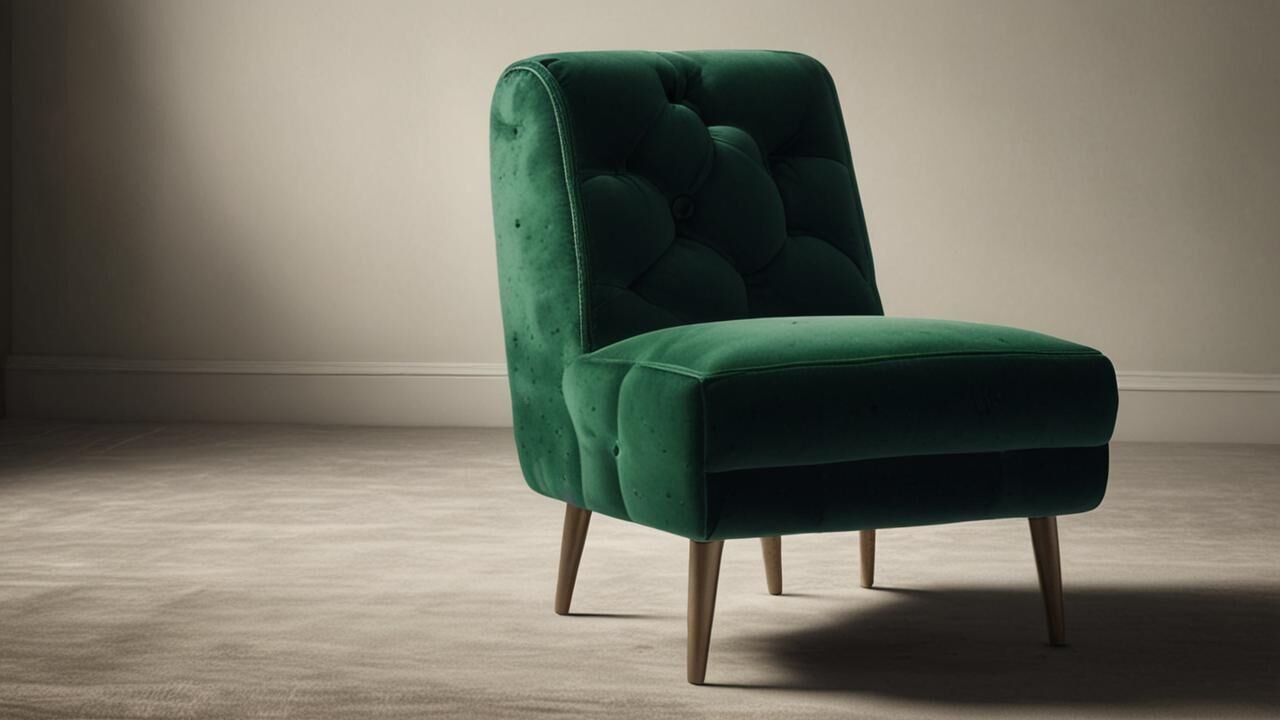
Tiny balls of fiber appear on the seat, arms, and backrest. They look like lint but are actually broken fibers that rolled into pills. This is common in low-twist yarns and short-fiber velvets.
Why It Happens
Friction from sitting, clothing, and pets causes surface fibers to tangle. According to the American Association of Textile Chemists and Colorists, pilling is more severe on velvet made from recycled polyester or low-grade acrylic. High-quality cotton velvet pills much less.
How to Fix It
- Use a battery-operated fabric shaver with a guard to trim pills. Avoid pressing too hard.
- After shaving, vacuum the area with a soft brush attachment to remove loose fibers.
- To prevent pilling, wear smooth fabrics (like cotton or silk) when sitting on the chair. Rough denim is a major cause.
5 – Pet Hair and Dander Build Deeply
What’s Happening
Your velvet chair attracts every piece of pet hair in the room. Static electricity holds the hair tight against the pile, and it resists vacuuming.
Why Velvet Is a Magnet for Hair
The dense pile creates thousands of tiny hooks that grab loose hair. The synthetic fibers in most modern velvet generate static charge, which attracts hair and dust. The Pet Furniture Research Group found that velvet holds three times more pet hair than microfiber under identical conditions.
How to Fix It
- Use a silicone lint brush or a rubber glove – the friction pulls hair off the velvet better than a vacuum.
- Vacuum weekly with a soft brush attachment. Do not use the rotating beater bar; it damages the pile.
- Apply an anti-static spray formulated for upholstery. Mix 1 part fabric softener with 10 parts water in a spray bottle and mist lightly.
6 – Poor Frame or Cushion Quality
What’s Happening
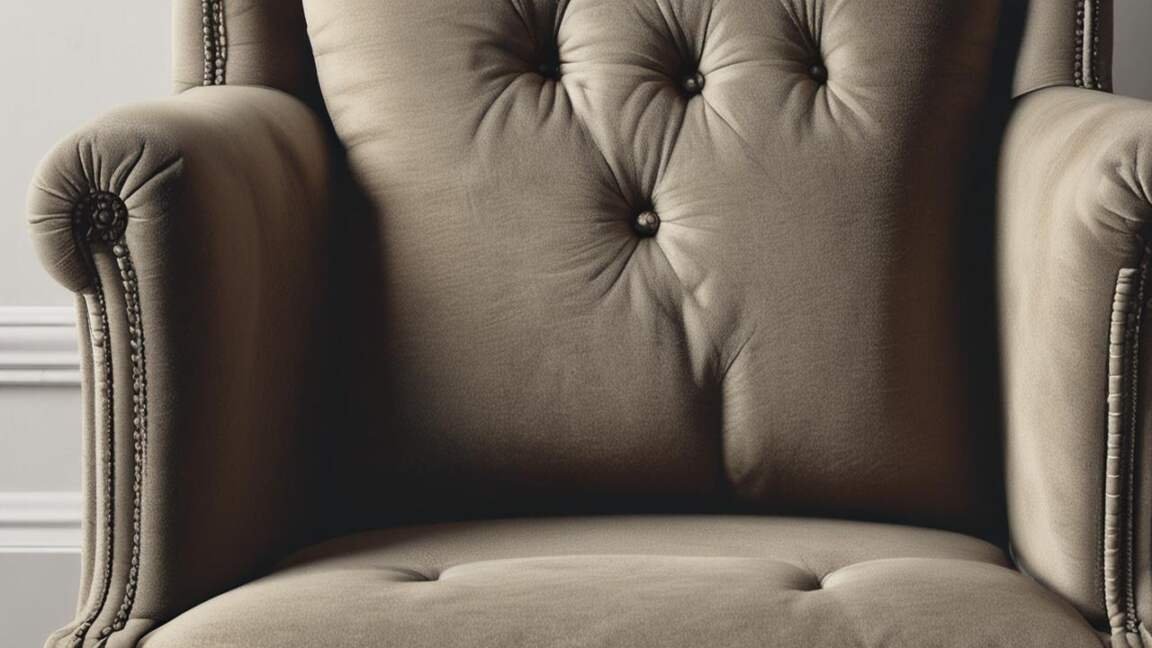
The chair starts to sag, the seat feels uneven, and the velvet wrinkles permanently at the corners. This is often a structural issue, not a velvet problem.
Why You Blame the Velvet
When the cushion foam breaks down, it creates pressure points that cause the velvet to stretch and wrinkle. Cheap frames made from particle board or plastic can warp, pulling the velvet fabric out of shape. The Federal Trade Commission advises that furniture frames labeled “solid hardwood” are less likely to fail than those made with engineered wood.
How to Fix It
- Check the frame by lifting one leg. If the chair twists, the joints are loose. Tighten screws and add corner brackets.
- Replace the cushion foam with high-density polyurethane foam rated for 50 pounds per cubic foot. This alone can restore the shape.
- If the velvet is permanently wrinkled from poor support, re-stretching may require a professional upholsterer.
7 – Rubbing Against Rough Surfaces
What’s Happening
The velvet on the armrests, back, or sides shows wear in spots where it touches a wall, belt buckle, or jeans button. Friction wears down the pile and creates shiny bald patches.
Why It Happens Fast
Velvet is a cut-pile fabric, meaning the fibers are open at the tip. When something rubs against them, the fibers break off. The Colorado State University Extension notes that rough surfaces like denim seams and painted walls can cause measurable abrasion after just 50 cycles of contact.
How to Fix It
- Add felt pads to the back of the chair where it touches the wall.
- Avoid wearing pants with metal rivets or large zippers when sitting on velvet.
- For existing damage, use a velvet repair kit that replaces the pile fibers with a matching color flocking method.
8 – Using the Wrong Brush or Tool
What’s Happening
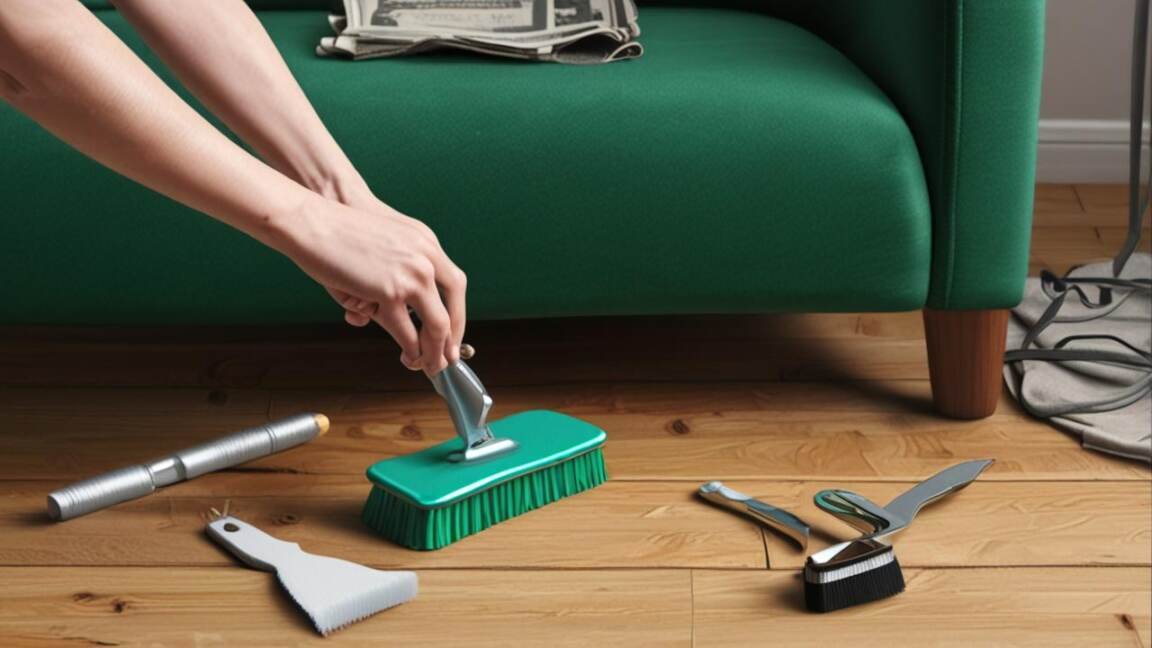
You try to brush up the pile with a regular hairbrush or a wire pet brush. The result is frayed fibers, a fuzzy appearance, and permanent streaks in the nap.
Why It’s a Disaster
Hard bristles tear the delicate velvet fibers. Even medium-tooth brushes can cause “tracking” – visible lines where the fibers are pushed in one direction. The National Upholstery Association recommends only brushes with natural horsehair or soft nylon for velvet. Wire brushes are never acceptable.
How to Fix It
- Stop using the wrong brush immediately. Switch to a soft horsehair upholstery brush.
- To repair existing tracking, steam the area lightly then brush in the original pile direction.
- Never use a vacuum beater bar or upholstery attachment with rotating bristles on velvet. Use only a soft brush nozzle.
Common Myths vs Facts About Velvet Chairs
Myth: Velvet Is Too Difficult to Maintain for Everyday Use
Fact: Modern velvet blends with polyester or nylon are stain-resistant and easy to care for. According to HGTV, performance velvet (treated with stain repellent) can repel water and oil, making it suitable for homes with children.
Myth: You Can Wash Velvet Covers in the Washing Machine
Fact: Most velvet upholstery is not designed for machine washing. Agitation and spin cycles crush the pile and loosen the backing. Only removable covers labeled “machine washable” on a cold gentle cycle are safe. Water temperature above 30 degrees Celsius can shrink viscose velvet.
Myth: All Velvet Is the Same
Fact: Velvet varies widely. Cotton velvet is breathable but stains easily. Viscose velvet drapes well but is sensitive to water. Polyester velvet is durable and stain-resistant but can develop static. The American Society of Interior Designers recommends checking the fiber content label before buying – avoid 100% viscose for high-use chairs.

How to Prevent Velvet Chair Failure Long-Term
Your Weekly Maintenance Routine
- Vacuum the chair with a soft brush attachment to remove dust and pet hair.
- Use a lint roller on high-contact areas like the seat and armrests.
- Brush the pile gently in one direction to maintain a uniform nap.
Your Monthly Maintenance Routine
- Steam the seat and back cushions to revive crushed pile.
- Rotate and fluff any removable cushions.
- Check for loose screws or wobbly legs and tighten as needed.
Professional Help
Have the chair professionally cleaned once every 12 to 18 months. The Cleaning Industry Research Institute states that professional cleaning using dry solvent methods can extend velvet upholstery life by 40%. Avoid companies that use steam cleaning on velvet. The article recommends scheduling professional upholstery cleaning every 12 to 18 months for best results.
Frequently Asked Questions
Can I fix crushed velvet with just brushing?
Brushing alone often fails because crushed fibers need heat and moisture to regain shape. Use a steamer first, then brush while the fibers are warm. Without steam, brushing just rearranges the flat fibers and does not lift them.
Is velvet safe for households with children and pets?
Yes, if you choose performance velvet with a stain-resistant treatment like Scotchgard or Crypton. These treatments create a barrier that repels liquids and reduces pet hair adhesion. Avoid natural velvet (cotton or silk) in high-traffic areas.
How do I remove a water stain from velvet?
Blot the stain with a dry cloth, then gently brush the pile with a soft brush. If a ring remains, lightly mist the entire area with distilled water, then blot again. Do not rub – the goal is to redistribute the moisture evenly. According to the Iowa State University Extension, this method works for fresh water stains on synthetic velvet.
Why does my velvet chair look shiny in the middle of the seat?
That shine is typically caused by pile crushing and oil from skin contact. The flattened fibers reflect light differently, creating a glossy appearance. Steam and brush as described in Reason 3 to restore the matte texture. For oily buildup, use a small amount of dry cleaning solvent on a cloth and blot the area.
Can I use a fabric protector spray on my velvet chair?
Yes, but only sprays designed for velvet. Test on a hidden area first. Avoid sprays with silicone, which can make velvet greasy. For synthetic velvet, an eco-friendly fluoropolymer spray works well. For cotton velvet, use a natural wax-based protector.
Final Thoughts
Your velvet accent chair is not failing because it is impossible to maintain. It is failing because of one of eight specific, preventable causes – wrong cleaning, sun damage, crushing, pilling, pet hair, poor frame, friction, or bad tools. Address each cause with the targeted fixes in this guide, and your chair will look new for years. Taking 15 minutes per week for velvet care beats replacing a $500 chair every two years. Understanding proper velvet fabric care is essential for extending the life of your accent chair.
Using cleaning products that meet EPA Safer Choice standards can help protect your velvet upholstery from damage.