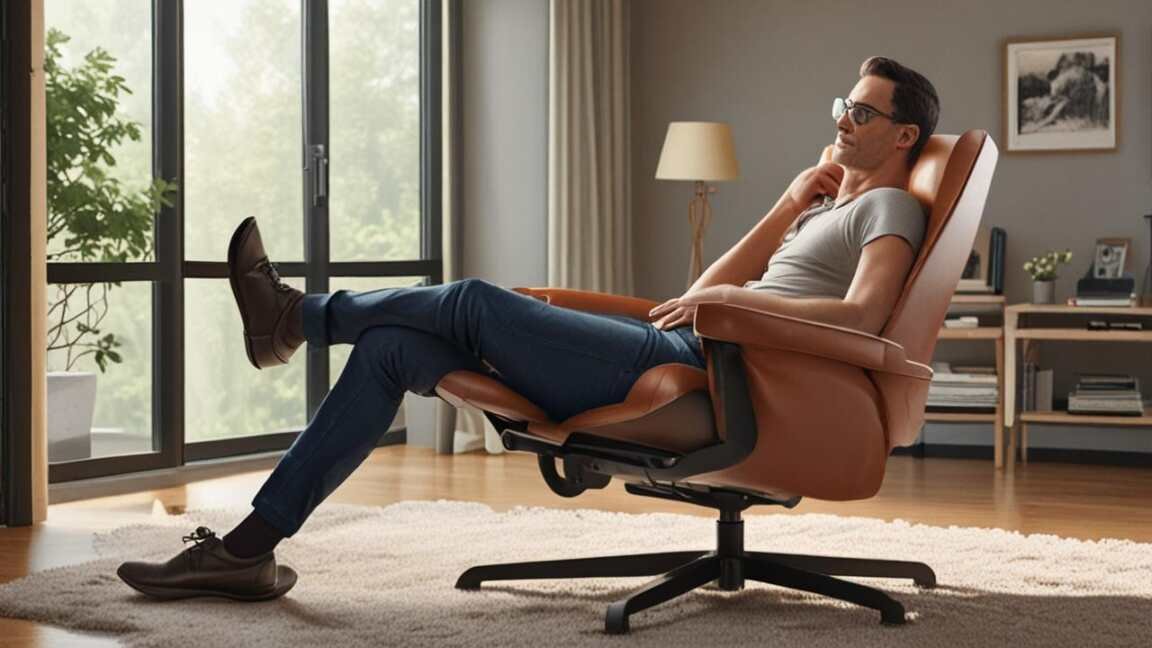
Standard recliners are built for a 5-foot-9-inch user, so tall buyers often discover the seat depth is too short, lumbar support hits the wrong spot, and the headrest pushes the head forward, causing back pain and poor circulation. A seat depth averaging 20-21 inches fails those with thigh lengths over 22 inches, while standard lumbar support lands on the mid-back instead of the lower back. The solution is to choose a recliner from brands like Ekornes Stressless or Flexsteel that offer extended frames and adjustable headrests designed specifically for taller proportions.
Standard recliners look comfortable in the showroom but they often fail tall users at home.
This guide reveals the hidden problems no one talks about before you buy a recliner.
Simply put, a standard recliner is built for a 5-foot-9-inch user. Tall buyers often discover too late that the seat depth is too short, the lumbar support hits the wrong spot, and the headrest pushes their head forward. These issues cause back pain and poor circulation, not relaxation. Buying a frame designed for taller proportions solves these problems completely.
- Standard recliner seat depths average 20-21 inches, which is too short for people with thigh lengths over 22 inches.
- Lumbar support in most recliners hits the mid-back of a tall person, not the lower back, causing strain.
- Headrests on standard recliners push the head forward of the neck, leading to poor posture.
- Tall-specific recliners from brands like Ekornes Stressless and Flexsteel offer extended frames and adjustable headrests.
- You can modify a standard recliner by adding a footstool or using a lumbar cushion, but a dedicated tall model is the best long-term solution.
What Nobody Tells You About Recliner Seat Depth
Seat depth is the single most important measurement for tall users. Most recliners offer a seat depth of 20 to 21 inches. According to the, the average thigh length for a man over 6 feet tall is 23 inches. This mismatch creates a common problem.
When your thigh is longer than the seat, the front edge of the recliner presses into the back of your knee. This pressure restricts blood flow and causes numbness. It also forces your hips to slide forward, which ruins your spinal alignment.
Important: A seat depth of 22 to 24 inches is ideal for users 6 feet and taller. Always measure your thigh length from the back of your buttocks to the back of your knee while sitting. This is your popliteal length.
You can check this in a store by sitting all the way back. If the front edge of the seat hits your calf or lower shin, the seat depth is too short. If it hits behind your knee, the seat depth is close to correct.
Research from suggests that a fixed seat depth of 20 inches accommodates less than 50 percent of the male population. For the 95th percentile male, a depth of 22.5 inches is often required. Standard recliner manufacturers rarely meet this target.
Warning: Avoid recliners with a fixed footrest that does not extend. Tall users need the footrest to be at least 18 inches long to support the full length of the lower leg.

How Recliner Back Height Affects Tall Users
Back height is another hidden issue. Standard recliners have a back height of 21 to 23 inches. This measurement is taken from the seat base to the top of the backrest. For a tall person, this height determines where the lumbar support hits your spine.
If the back is too short, the lumbar support rests against your shoulder blades instead of your lower back. This pushes your upper body forward. You end up slouching to feel supported.
The Lumbar Support Problem
Lumbar support should fit the natural curve of your lower spine. On a standard recliner, this curve sits too low for a tall body. Your mid-back absorbs the pressure instead of your lower back.
- Standard recliner lumbar ridge: 8 to 10 inches from the seat base.
- Ideal lumbar position for a 6-foot-tall user: 11 to 13 inches from the seat base.
- Solution: Look for recliners with adjustable lumbar support or a back height of at least 25 inches.
The Headrest Tilt Issue
Many recliners have a curved headrest that pushes the head forward. For a person of average height, this curve aligns with the neck. For a tall person, the curve hits the middle of the head and tilts the chin toward the chest.
Ekornes Stressless recliners solve this problem with an integrated, adjustable headrest. Their shows how the headrest moves with the user to maintain a neutral spine position. This is a feature standard brands rarely offer.
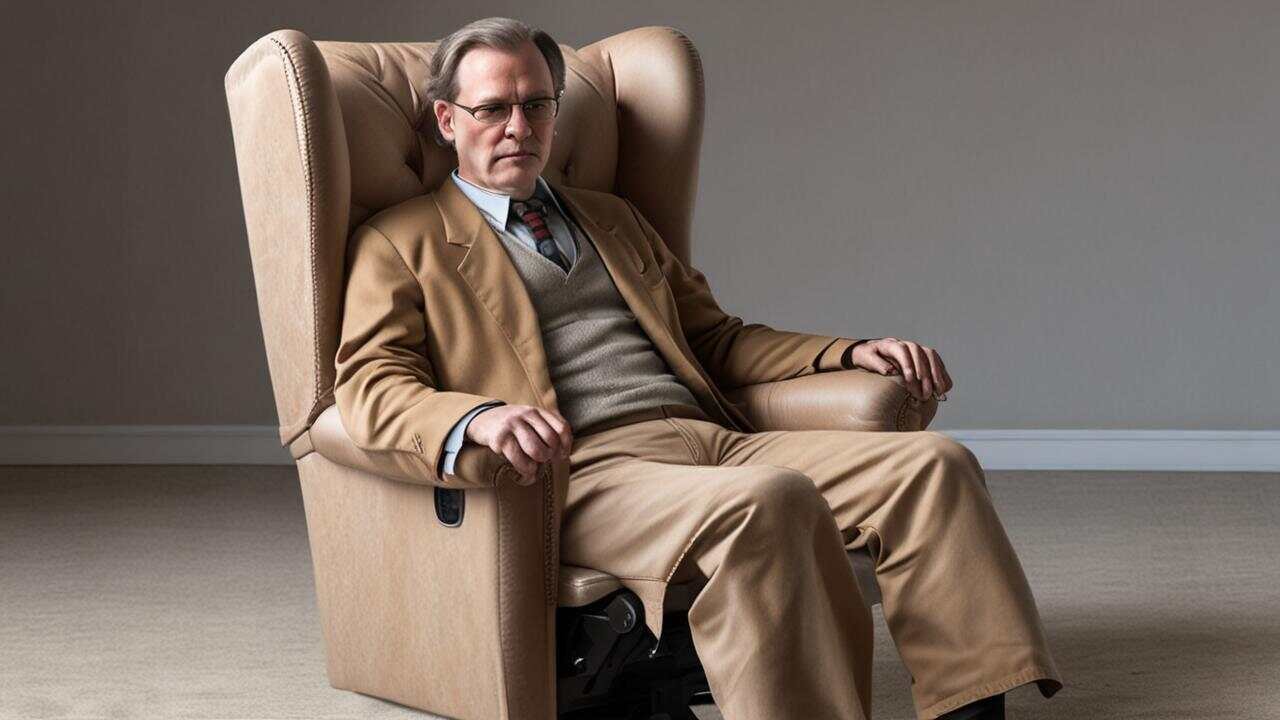
Why Standard Recliner Width is a Problem for Broad Shoulders
Tall people are often broad across the shoulders and hips. Standard recliner seat widths range from 18 to 20 inches. This measurement is between the armrests.
If the seat width is too narrow, you feel compressed. The armrests dig into your hips or thighs. This makes it hard to relax. It also limits your ability to shift positions during a long movie or a nap.
Tip: Look for a seat width of at least 22 inches. For side-to-side space, consider a “wall-hugger” recliner that lacks bulky armrest panels, giving you more usable width.
Armrest height also matters. Standard armrests sit at 8 to 10 inches from the seat. If your shoulders are high, you have to slouch to rest your elbows. Some brands like Flexsteel offer adjustable armrests on their tall models.
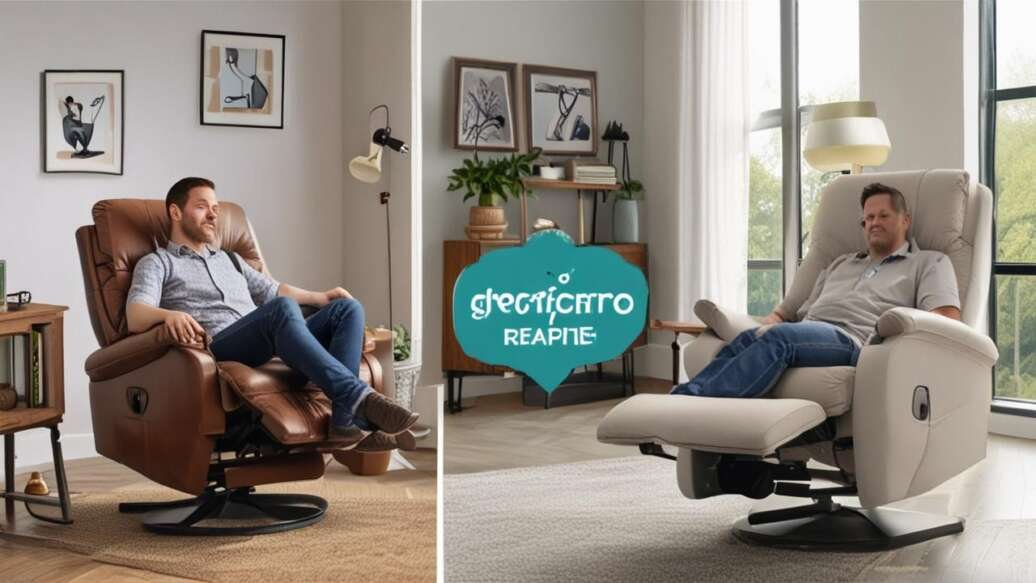
Common Myths vs Facts About Recliners for Tall People
Most advice about recliners comes from average-sized reviewers. This creates several misconceptions for tall buyers.
Myth 1: All recliners offer the same range of motion.
Fact: Standard recliners have a fixed pivot point designed for average leg lengths. Tall users often find their feet do not fully rest on the footrest. The footrest might also be too high, which lifts the knees above the hips. This position restricts blood flow.
Myth 2: A tall back is the only thing that matters.
Fact: A tall backrest without proper seat depth forces your hips forward. Your back will not touch the lumbar support correctly. The combination of seat depth, back height, and lumbar position creates comfort. No single measurement fixes everything.
Myth 3: You can modify any recliner with pillows.
Fact: Pillows compress over time and shift when you move. They create pressure points instead of distributing weight evenly. A recliner with an integrated, adjustable lumbar system provides consistent support. Soft cushions cannot match this geometry.
What Are the Best Recliner Types for Tall Users?
Not all recliner mechanisms work well for tall bodies. Some types offer better proportions naturally.
| Recliner Type | Best For Tall Users? | Why or Why Not |
|---|---|---|
| Three-Way Recliner | Yes | Full range of motion with independent footrest and back adjustment. Allows more leg extension. |
| Wall-Hugger Recliner | Yes | Sits close to the wall but often has a shorter seat depth. Check this carefully. |
| Zero Gravity Recliner | Yes | Distributes weight evenly. Many tall users find the stretched position comfortable. Check max user height limits. |
| Rocker Recliner | No | Usually built from smaller frames. The rocking mechanism takes up floor space. |
| Lift Recliner | Maybe | Needed for accessibility but usually has standard seat depths. Requires a heavy-duty model for taller users. |
A three-way or zero gravity recliner typically offers the best geometry for tall users. These types allow you to dial in the footrest height and back angle separately.

How to Measure Yourself for a Recliner Correctly
You can avoid the guesswork by taking three simple measurements at home. Bring these numbers with you when you shop.
- Sit on a hard chair with your back flat against the wall. Measure from the back of your knee to the wall. This is your seat depth requirement.
- Measure your back height. Sit on a flat surface. Measure from the seat base to the top of your shoulder. Add 2 inches for the headrest. This is your minimum back height.
- Measure your seat width. Sit in a chair with armrests that are comfortable. Measure the distance between the armrests. Add 2 inches for extra space.
Important: Always test a recliner with the shoes you will wear at home. Shoes change the angle of your knees and thighs. This affects how the seat depth feels.
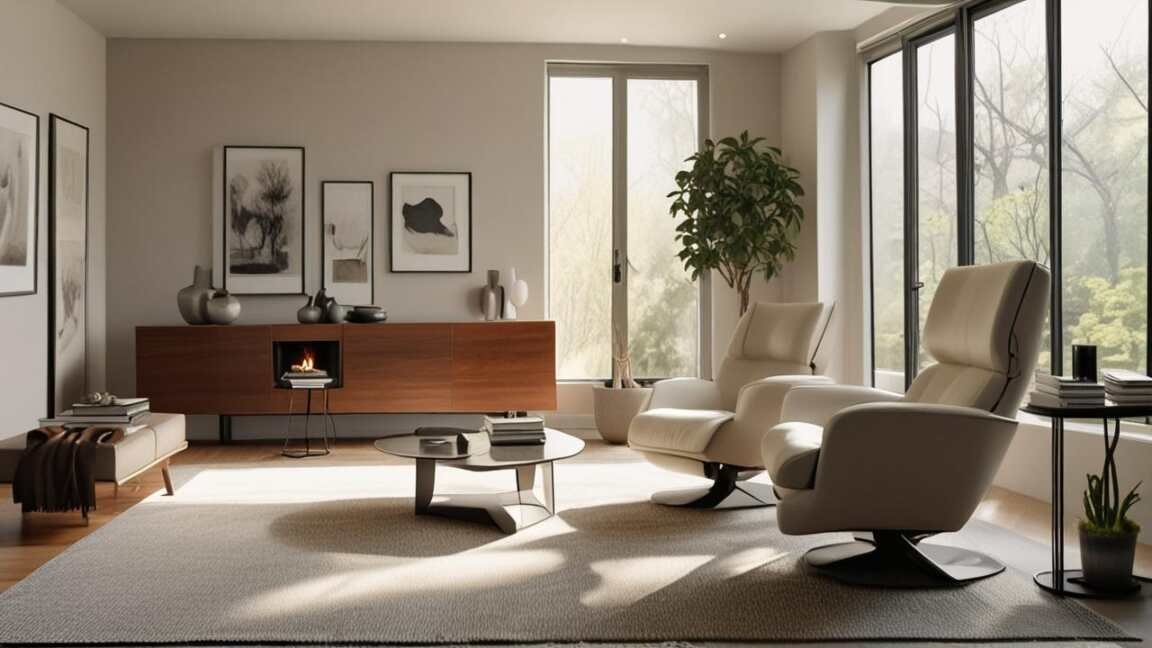
Brand Comparison for Tall Users
Some manufacturers build frames that accommodate taller proportions. Others do not. Here is a breakdown of the top brands.
| Brand | Best For | Key Feature | Price Range |
|---|---|---|---|
| Ekornes Stressless | Neck and Lumbar Support | Adjustable headrests and lumbar support | $2,000 – $5,000 |
| Flexsteel | Durable Frame, Extended Sizes | Blue Steel spring suspension, tall models | $1,200 – $2,500 |
| La-Z-Boy | Customization and Variety | Tall-specific models with extended footrests | $800 – $1,800 |
| American Leather | High-End Custom Comfort | Made-to-order with custom dimensions | $2,500 – $6,000 |
Industry data from Furniture Today indicates that orders for tall-size furniture have grown year over year. Brands are starting to take this seriously, but the options remain limited compared to standard sizes. Consult official ergonomics guidelines to verify that a recliner's dimensions meet recommended standards for tall individuals.
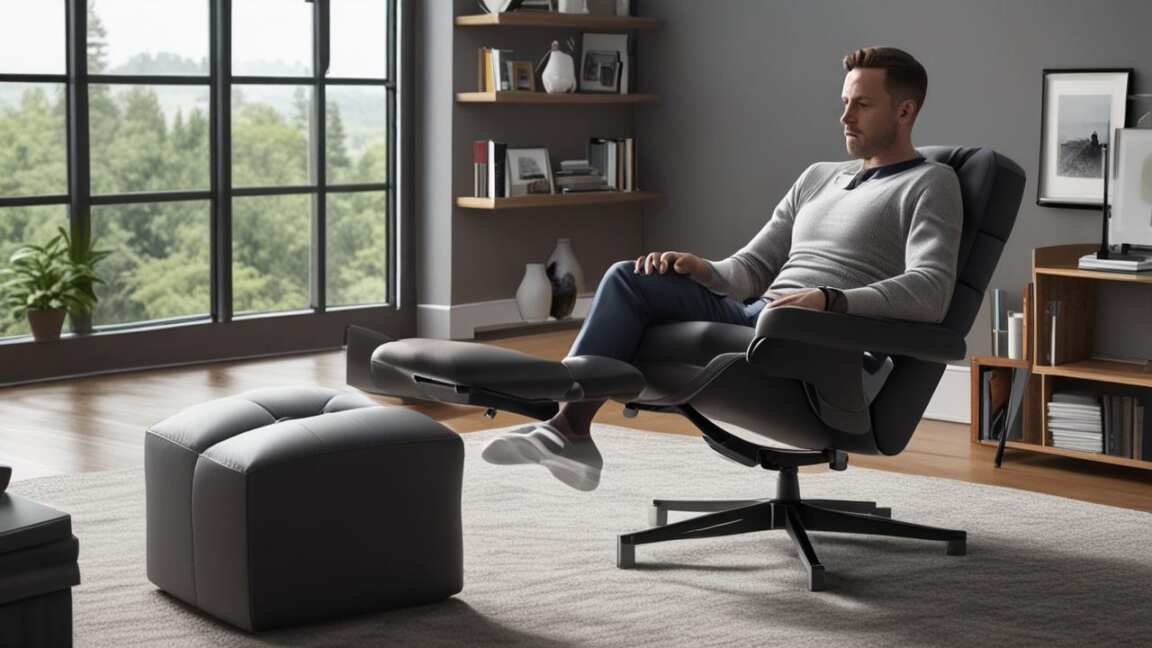
Pro Tips for Buying a Recliner as a Tall Person
Beyond the measurements, there are practical strategies you can use to get a good fit. Applying ergonomic seating principles ensures the recliner supports proper posture and reduces pressure points.
- Bring your own cushion. If you need lumbar support, bring a firm cushion to the store. Place it on the seat to test how it changes the fit.
- Test the footrest with your shoes off. Your feet should rest flat on the footrest. If your toes curl over the edge, the footrest is too short.
- Check the recline angle. In a full recline, your head should rest on the headrest, not between it and the backrest. Your knees should be at a 90-degree angle or slightly higher.
- Consider a power recliner. Power mechanisms allow you to stop at any position. This is useful for tall users who need a specific angle to relieve pressure points.
- Look at the weight capacity. Many tall users are also heavier. A recliner rated for 300 pounds or more usually has a stronger frame and deeper seat.
Tip: If you cannot find a recliner that fits, consider a stationary armchair with a padded ottoman. An ottoman gives you infinite leg extension and is often cheaper than a recliner.
Frequently Asked Questions
What is the best recliner brand for tall people?
Ekornes Stressless, Flexsteel, and La-Z-Boy are the best brands for tall users. Ekornes offers adjustable headrests and lumbar support. Flexsteel builds durable frames with extended sizes. La-Z-Boy has specific tall models with longer footrests.
Do Ekornes Stressless recliners fit tall users?
Yes, many Ekornes Stressless models feature adjustable headrests and lumbar support that adapt to the user’s spine curve. Their Plus size options are designed specifically for taller and larger body types, making them a top choice for users over 6 feet tall.
What does seat depth mean in a recliner?
Seat depth is the distance from the front edge of the seat to the backrest. For tall people, a seat depth of at least 22 inches prevents the front edge from pressing into the back of the thighs. This prevents numbness and poor posture.
Can a tall person use a standard-size recliner?
A tall person can sit in a standard recliner, but it is rarely comfortable for long periods. The mismatched proportions cause lower back strain and pressure behind the knees. It is better to wait and buy a model designed for taller proportions.
How much should I spend on a recliner for a tall person?
Expect to spend $1,000 to $3,500 for a high-quality tall recliner. Budget models under $800 often lack the extended frames and durable mechanics needed to support taller users over time. Invest in a frame that fits your body correctly.
Final Thoughts
Finding the right recliner for tall people requires attention to seat depth, back height, and lumbar position. Do not trust showroom comfort alone. Measure your body and compare it to the specifications. A properly fitted recliner will improve your posture and relaxation for years to come. For tall users, understanding recliner design helps identify models with adequate seat depth and back height.