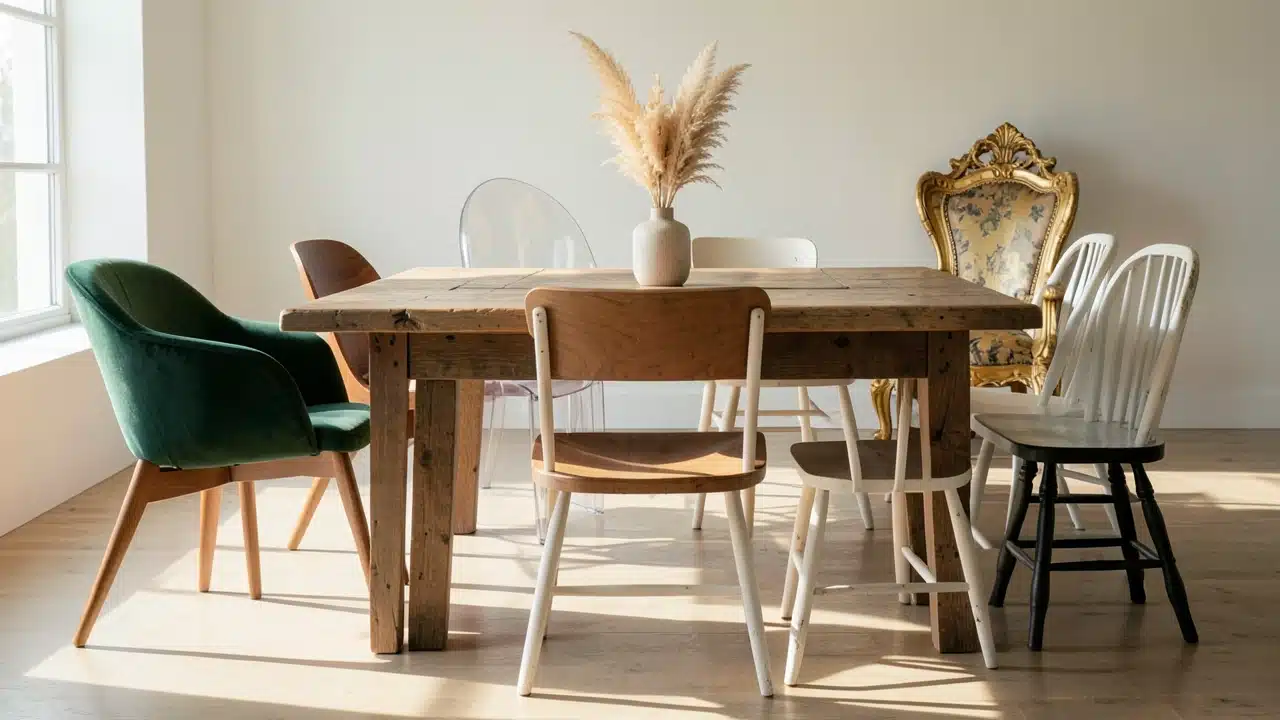
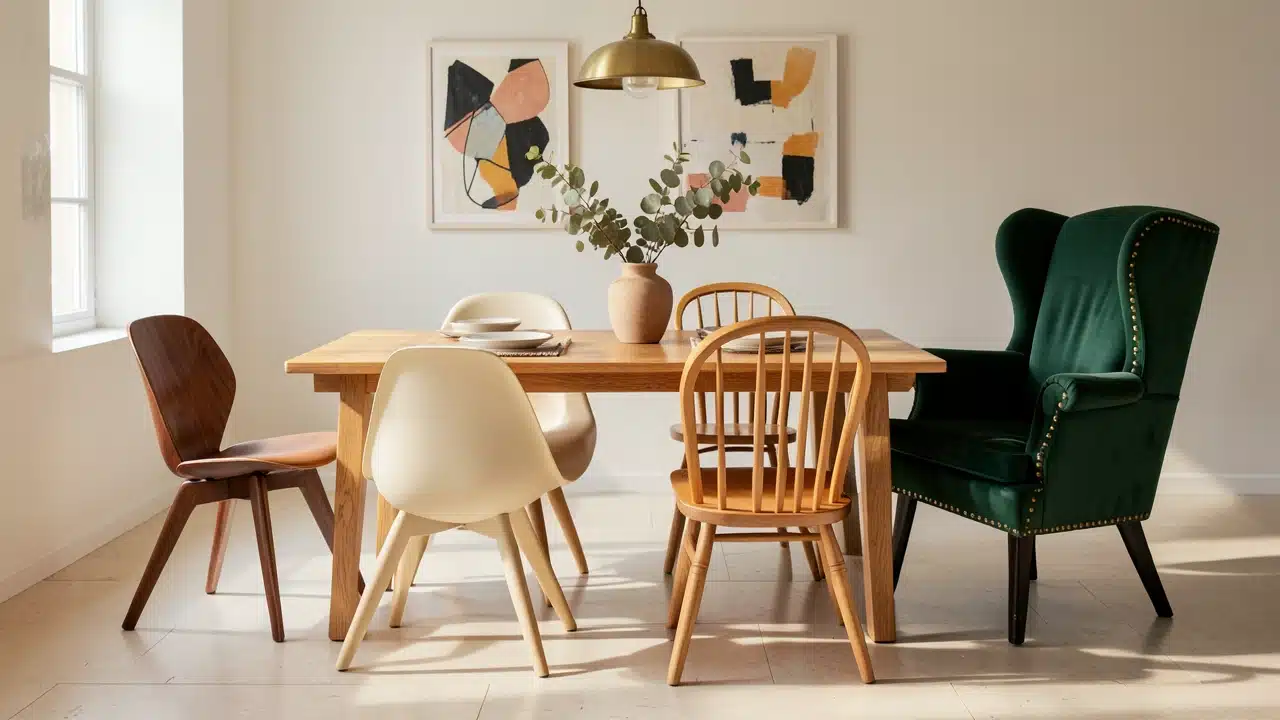
Mixing dining chair styles looks intentional when the chairs share one clear link such as color, material, height, shape, or leg finish, but looks like a mistake when every chair differs in scale, comfort, and visual weight with no unifying pattern. To achieve a cohesive look, keep proportions similar, repeat at least one detail across the set, and balance accent chairs evenly around the table. The practical rule for an intentional outcome is consistency in scale and repetition of at least one linking detail, which makes a mixed chair arrangement feel curated rather than accidental.
Mixing dining chair styles looks intentional when the chairs share one clear link, such as colour, material, height, shape, or leg finish.
It looks like a mistake when every chair differs in scale, comfort, and visual weight with no pattern. Keep proportions similar, repeat at least one detail, and balance accent chairs evenly.
Your dining room is the heart of your home, a place for meals and memories. When it comes to chairs, you might wonder if mixing different styles is a good idea. It can be tricky to know if your setup looks thoughtfully designed or just a bit mismatched.
Getting Mixing Dining Chair Styles: When It Looks Intentional and When It Looks Like a Mistake right can totally transform your space, making it feel more personal and stylish without looking messy. We’ll show you how to make it work so your dining area feels cohesive and chic.
Key Takeaways
- Understand the core principles that make Mixing Dining Chair Styles: When It Looks Intentional and When It Looks Like a Mistake work.
- Learn to use color and material to tie different chair styles together.
- Discover how to balance visual weight and scale for a harmonious look.
- Identify common pitfalls to avoid when combining chair designs.
- Gain confidence in creating a unique and intentional dining chair arrangement.
Creating a Cohesive Look with Mixed Chairs
Making different dining chairs look like they belong together is all about finding common threads. You don’t want your chairs to look like they were gathered randomly. The goal is a curated, intentional look that feels balanced and inviting.
This approach to Mixing Dining Chair Styles: When It Looks Intentional and When It Looks Like a Mistake adds personality. It shows you’ve put thought into your space.
The Power of a Unifying Element
A single element can tie disparate chair styles together beautifully. This element acts like a silent agreement between the chairs. It tells them they’re part of the same family.
This is key to avoiding a chaotic look. It ensures your dining room feels put together.
Color as a Connector
Color is one of the easiest ways to create unity. If you have chairs in various designs, painting them all the same color can instantly make them look like a set. Even if the shades are slightly different, a common hue can bridge the gap.
For instance, all chairs could be a shade of blue, or a neutral like gray or beige. This simple step dramatically impacts the overall feel.
Material Harmony
Similarly, using the same material or a similar finish can create a cohesive vibe. If you have wooden chairs, ensure the wood tones are somewhat alike. Or, if you’re mixing metals, pick chairs with similar metal finishes like brushed nickel or matte black.
This consistency makes the mix feel deliberate.
Balancing Different Silhouettes
When you are Mixing Dining Chair Styles: When It Looks Intentional and When It Looks Like a Mistake, silhouette balance is crucial. You don’t want all your chairs to be bulky or all to be delicate. A good mix usually involves varying shapes and sizes.
This creates visual interest without feeling overwhelming. Consider pairing a more substantial chair with a lighter, more open-backed one. The contrast can be very effective.
The Statement Chair Strategy
One popular method involves using a distinct statement chair at the head of the table. This chair can be more elaborate, a different color, or a bolder design. The other chairs surrounding it can be simpler and more uniform.
This draws the eye to the head of the table and anchors the design. The simpler chairs then act as a supporting cast, allowing the statement piece to shine.
Symmetry vs. Asymmetry
You can achieve balance through symmetry or thoughtful asymmetry. Symmetrical arrangements often involve two identical chairs at the heads of the table and identical chairs on each side.
Asymmetrical arrangements might have different chairs on opposite sides but still maintain a sense of visual weight.
For example, a heavier chair on one side might be balanced by two lighter chairs on the other. It’s about creating a pleasing visual equilibrium.
When Mixing Dining Chair Styles Looks Like a Mistake
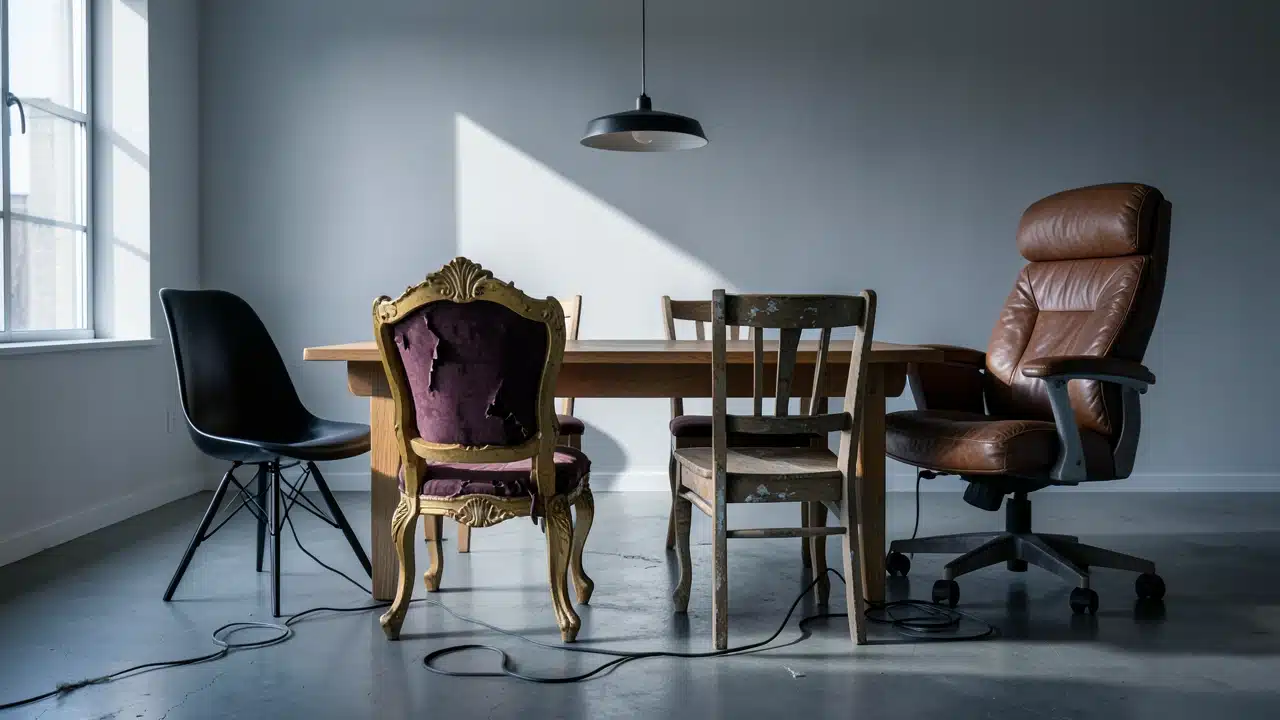
Sometimes, the desire to mix and match can lead to an unintentional jumble. The line between eclectic and chaotic is thin. Understanding the common pitfalls helps you avoid them.
This is where understanding Mixing Dining Chair Styles: When It Looks Intentional and When It Looks Like a Mistake truly matters.
Too Many Competing Styles
One of the biggest mistakes is trying to incorporate too many different styles at once. If each chair is wildly different in design, material, and era, they will likely clash. The dining room can end up looking like a furniture showroom rather than a curated space.
Less is often more when it comes to variety.
Ignoring Scale and Proportion
Chairs that are drastically different in size can also create problems. A huge, bulky armchair next to a slender, delicate chair can look awkward. Ensure that the overall scale and proportion of the chairs are somewhat compatible.
They should feel like they belong in the same room, even if they are different.
Lack of a Unifying Element
As mentioned earlier, a lack of any common thread is a sure way to make your mix look like a mistake. Without a unifying color, material, or style element, the chairs will appear to be random additions. This can make the whole dining area feel disjointed and unfinished.
It’s the absence of intention that signals a mistake.
Conflicting Comfort Levels
While aesthetics are important, so is function. If you mix chairs that have vastly different comfort levels, it can be impractical. Imagine guests trying to enjoy a long dinner on a hard, uncomfortable chair while others are on plush ones.
This disparity can be jarring and detract from the dining experience. Comfort should be a consideration when Mixing Dining Chair Styles: When It Looks Intentional and When It Looks Like a Mistake.
How to Make Mixing Intentional
Making your mixed chair arrangement look intentional requires a thoughtful approach. It’s about making deliberate choices that create a cohesive and stylish outcome.
This is the art of successful Mixing Dining Chair Styles: When It Looks Intentional and When It Looks Like a Mistake.
Start with a Base Style
Even when mixing, it’s helpful to have a dominant style or period in mind. This base style will guide your choices. You can then introduce chairs that complement or offer a subtle contrast to this main style.For example, if your table is modern, you might introduce a few classic-inspired chairs with clean lines.
Consider the Overall Room Aesthetic
Your dining chairs should work with the rest of your dining room. Look at your existing decor, wall color, lighting, and other furniture. The chairs should feel like they belong in the room’s overall aesthetic.
This holistic view helps ensure your chair choices enhance, rather than detract from, the space.
Embrace Repetition (Thoughtfully)
Repetition is a powerful tool for creating unity. You can repeat a specific chair style on opposite sides of the table. Or, repeat a design element, like a specific leg shape or back detail, across different chairs.
Even repeating a specific accent color can tie things together.
Use a Common Theme
Think about a theme that can connect your chairs. This could be a shape (like rounded backs), a material (like cane or velvet), or even a design era. For instance, you could mix chairs from different decades but ensure they all share a mid-century modern vibe.
This creates a narrative for your choices.
Examples of Successful Mixing
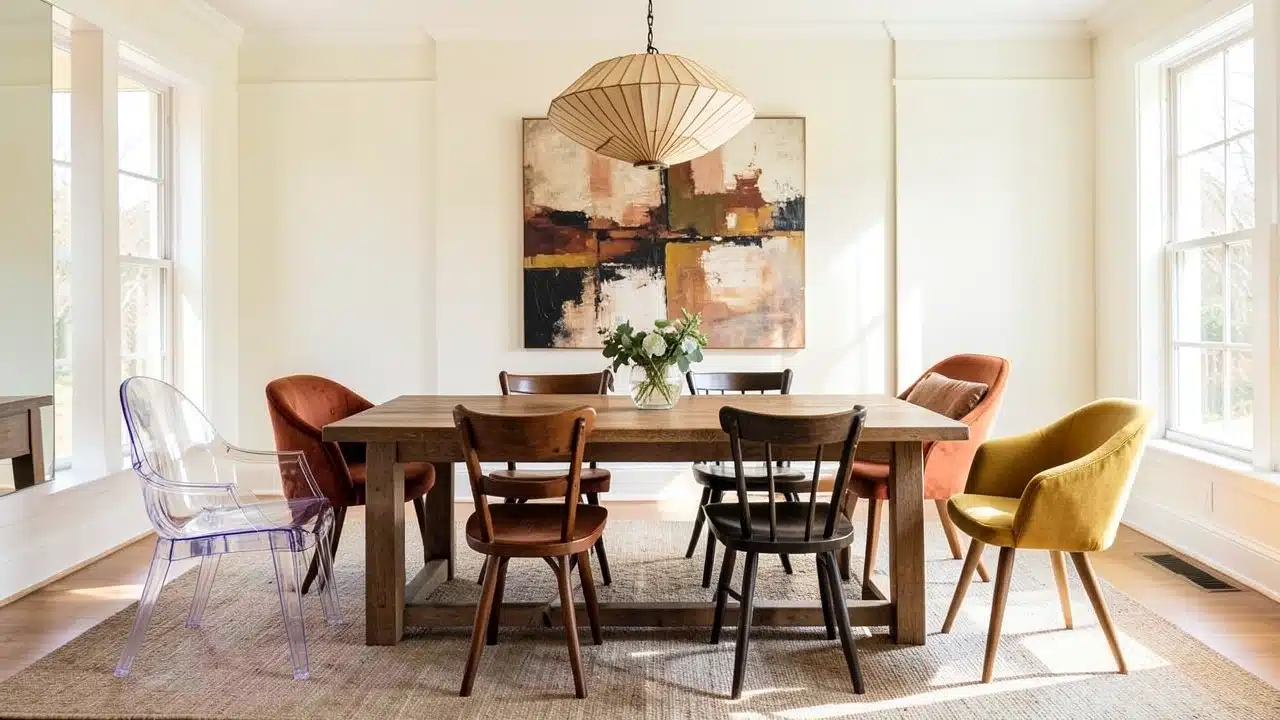
Seeing how others have successfully mixed dining chairs can be inspiring. These examples illustrate the principles in action, showing how Mixing Dining Chair Styles: When It Looks Intentional and When It Looks Like a Mistake can be avoided with smart design.
The Classic and Modern Blend
A popular and effective mix involves pairing traditional or classic chairs with modern pieces. For instance, imagine a rustic wooden table with a set of elegant, upholstered chairs at the sides. The heads of the table might feature two more contemporary, sculptural chairs.
The contrast between old and new, formal and casual, creates a dynamic and interesting look.
The Eclectic Farmhouse
Farmhouse style lends itself well to mixing. You might have a sturdy wooden table. Around it, you could place a variety of wooden chairs, each with a slightly different design – perhaps a ladder-back, a spindle-back, and a Windsor style.
Painting them all in a muted, complementary color like off-white or a soft gray ties them together. This approach feels relaxed and inviting.
The Industrial Edge
An industrial-style dining room can handle a mix of materials. Think metal chairs with wooden seats, or chairs with a mix of distressed wood and wrought iron.
You could have simple metal chairs lining the sides and a pair of more robust, upholstered chairs at the ends.
The key is maintaining a consistent industrial feel through materials and finishes.
Scandinavian design often features clean lines and natural materials. You could mix chairs with light wood tones and simple, functional designs.
Perhaps a few iconic Eames-style molded plastic chairs mixed with simple wooden chairs that have a similar minimalist aesthetic.
The focus is on form, function, and a light, airy feel.
Common Chair Styles to Consider Mixing
When you're planning to mix, understanding different chair styles is helpful. Knowing their characteristics makes it easier to see how they can work together.
This knowledge is vital for successful Mixing Dining Chair Styles: When It Looks Intentional and When It Looks Like a Mistake.
Types of Dining Chairs
Here are some popular styles and how they might be combined:
- Windsor Chairs: Known for their distinctive spindle backs, these are classic and versatile. They pair well with many table styles.
- Shaker Chairs: Simple, functional, and elegant with tapered legs and a ladder back. Their understated design makes them easy to mix.
- Upholstered Chairs: Offer comfort and a touch of luxury. They can soften a room and add texture. Mixing upholstered chairs with wood or metal chairs is common.
- Metal Chairs: Often found in industrial or modern designs. They can be sleek and minimalist or more ornate.
- Bentwood Chairs: Characterized by their curved wooden elements, often seen in café or bistro settings. They add a touch of organic warmth.
- Parsons Chairs: These are typically upholstered, armless chairs with straight lines. They offer a clean, contemporary look.
A Comparison of Mixing Approaches
Let’s look at how different mixing strategies can play out. This comparison highlights why some approaches work better than others for Mixing Dining Chair Styles: When It Looks Intentional and When It Looks Like a Mistake.
| Uniform Color, Varied Styles | All chairs are the same color but different designs. | Creates strong visual unity through color. Easy to find complementary colors. | Can still feel a bit busy if styles are too different. | Adding personality to a neutral room; budget-friendly updates. |
| Matching Styles, Varied Colors | Chairs are the same design but in different colors. | Maintains stylistic consistency. Offers opportunities for pops of color. | Requires careful color coordination. Can look too playful if colors clash. | Creating a vibrant, eclectic look; personalizing a modern space. |
| Subtle Material Differences | Chairs share a primary material but have slight variations. | Creates a sophisticated, layered look. Feels organic and natural. | Requires a good eye for subtle differences. Can be harder to achieve on a budget. | Adding depth to traditional or transitional styles. |
| Head Chairs Different | Two distinct chairs at the heads of the table, with uniform chairs on the sides. | Creates a focal point and hierarchy. Clearly defines the dining area. | Can sometimes make the side chairs feel less important. | Formal dining rooms; making a statement at the table. |
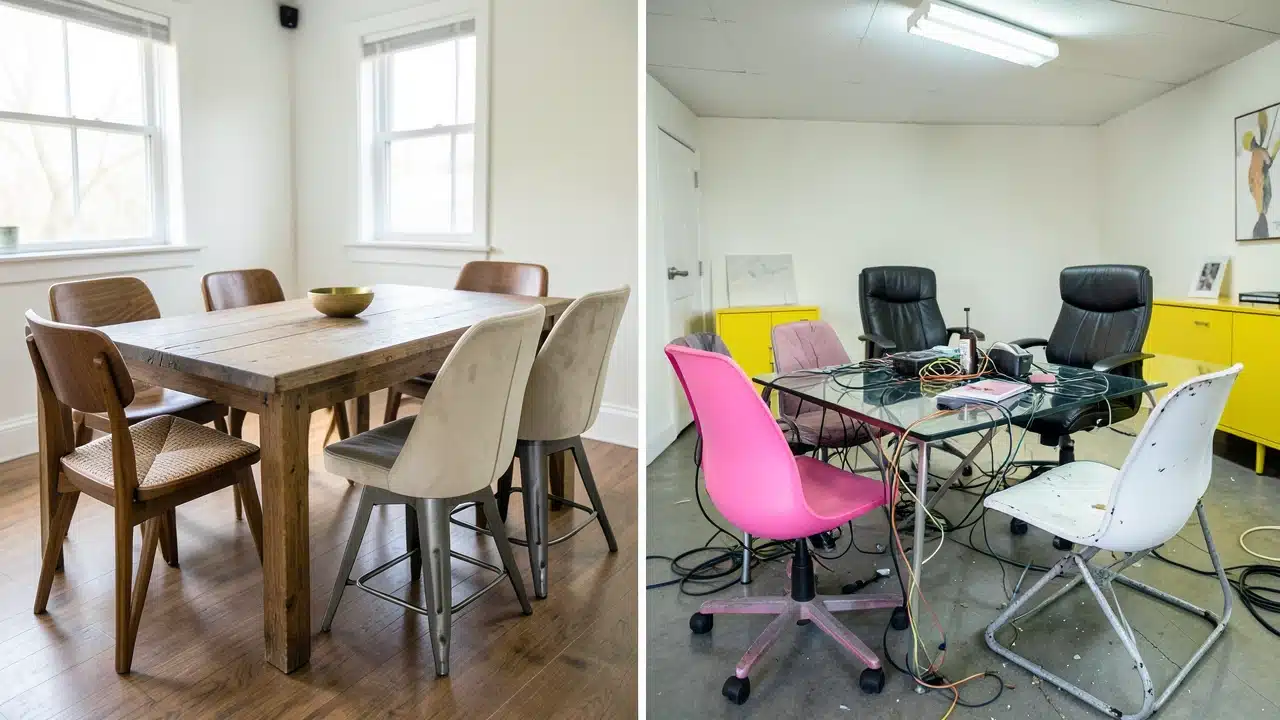
Tips for Avoiding Common Mistakes
Avoiding missteps is key to achieving a successful mixed-chair look. These tips will help you steer clear of common errors when Mixing Dining Chair Styles: When It Looks Intentional and When It Looks Like a Mistake.
Shop Smart and With a Plan
Before you buy, have a clear idea of what you’re trying to achieve. Consider the table, the room, and the overall vibe. Don’t just buy chairs because you like them individually.
Think about how they will interact with each other and with your existing furniture.
Test Drive Your Chairs
If possible, try out chairs before buying. Sit in them to gauge comfort. Also, try to place them around your dining table if you can.
Visualizing them in your space is crucial. This helps prevent buyer’s remorse and ensures a better fit.
Don’t Be Afraid to Edit
Once you have your chairs in place, take a step back and look. Does it feel right? Are there any chairs that just don’t fit?
It’s okay to remove a chair or two if they disrupt the balance. Sometimes, less is more. Editing is part of the design process. Applying sound interior design principles ensures a cohesive look when mixing chair styles.
Consider the Back of the Chair
Remember that people often see the backs of dining chairs when they are not seated. Ensure the chair backs have an appealing design and don’t clash with the table or other chairs. A cohesive back design can tie the whole arrangement together.
Frequently Asked Questions Of Mixing Dining Chair Styles: When It Looks Intentional And When It Looks Like A Mistake
What is the easiest way to start mixing dining chair styles?
The easiest way is to pick chairs that share a common color or material. For example, all chairs could be black, or all could be light wood. This provides an instant unifying element.
Can I mix upholstered chairs with wooden chairs?
Yes, this is a very popular and effective way to mix styles. The upholstery adds comfort and texture, while the wood provides a classic or rustic feel. Ensure the wood tones are somewhat compatible, or use a unifying color for all chairs.
How many different chair styles can I mix?
It’s generally best to stick to two or three distinct styles at most. Too many competing designs can make the space look cluttered. Focus on finding common threads like color, material, or silhouette to link them.
What if my dining table is very traditional? Can I still mix chairs?
Absolutely. A traditional table can be a great canvas for mixing. You might pair it with modern chairs for a striking contrast, or with other traditional styles in varying finishes for a more subtle, layered look.
The key is balance.
Does the height of the chairs matter when mixing?
Yes, the overall height and arm height of your chairs should be considered. They should comfortably fit under your table and not overpower the scale of your dining space. A significant difference in height can look awkward.
When is mixing dining chair styles considered a mistake?
It’s considered a mistake when the chairs clash too much in style, color, or scale, and there’s no unifying element. This makes the arrangement look accidental rather than intentional, leading to a disjointed and unappealing dining area.
Final Thoughts
Successfully Mixing Dining Chair Styles: When It Looks Intentional and When It Looks Like a Mistake boils down to intentional choices. Understanding dining chair design history can inform your selection of compatible styles.
Focus on unifying elements like color or material, and balance different silhouettes. By avoiding common pitfalls and thoughtfully combining designs, you can create a unique dining space that feels both stylish and personal. For safety considerations, consult dining chair safety guidelines from the U.S. Consumer Product Safety Commission.