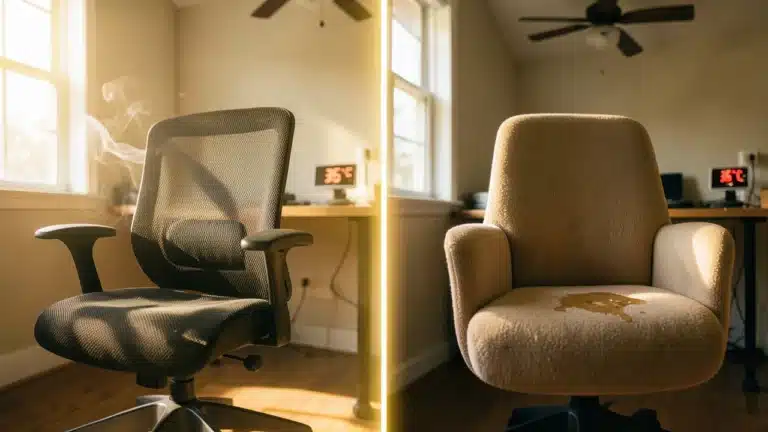

The five warning signs that a lift chair is about to stop working are unusual noises, slow or jerky movement, intermittent power or stalling, visible wear on wires or cables, and a non-responsive remote. Ignoring these signs, such as grinding sounds that indicate mechanical wear or slow movement from motor degradation, can lead to being stranded in a reclined position. Recognizing these indicators early allows for timely repairs and prevents a complete breakdown of this essential mobility equipment.
Your lift chair is an essential piece of mobility equipment. Without it, simple tasks like standing up or getting comfortable become difficult.
This guide explains the 5 warning signs your lift chair is about to stop working so you can schedule repairs and avoid getting stuck.
Quick Verdict: Simply put, a lift chair shows clear mechanical and electrical warning signs before it fails completely. Ignoring grinding noises, slow movement, or intermittent power can leave you stuck in a reclined position. Recognizing these 5 warning signs your lift chair is about to stop working allows you to schedule repairs before a total breakdown occurs.
Key Takeaways
- Unusual grinding or clicking sounds from the motor indicate mechanical wear that requires immediate inspection.
- A lift chair moving slower or jerkier than usual is often a sign of motor degradation or low battery power.
- Intermittent power loss or stalling mid-operation can point to faulty wiring or a failing power supply unit.
- Visible corrosion, frayed wires, or physical damage to the mechanism mean the chair could fail at any time.
- If your chair stops responding to the remote, the issue might be the remote, the receiver, or the control board.
Quick Comparison of the 5 Warning Signs
| Warning Sign | What to Look For | Urgency Level | Common Cause |
|---|---|---|---|
| Unusual Noises | Grinding, clicking, humming | High | Worn gears or actuator failure |
| Slow or Jerky Motion | Stuttering, uneven speed | Medium | Motor brush wear, low voltage |
| Intermittent Power | Stops mid-cycle | Critical | Faulty wiring, limit switch failure |
| Visible Wear | Frayed wires, rust, damage | High | Environmental damage, age |
| Remote Failure | No response from chair | Medium | Dead remote, receiver, control board |
1 – Unusual Noises From the Motor or Mechanism
One of the most obvious warning signs your lift chair is about to stop working is new or unusual noise. A healthy lift chair operates with a quiet, consistent whirr from the actuator motor.
If you hear grinding, it’s a mechanical issue. Grinding sounds almost always mean the gears inside the actuator are worn out or stripped.
A loud clicking sound is also a red flag. A clicking relay or solenoid points to an electrical fault in the control board or motor starter.
Warning: Never ignore a humming motor that does not move the chair. This condition, called “motor stall,” creates heat and can cause the motor to burn out completely. Turn off the power immediately.
According to manufacturers like, actuator units are sealed and not user-serviceable. Once the gears begin grinding, replacement is the only safe option.
What you should do about noises:
- Stop using the chair right away to avoid further damage.
- Listen carefully to locate the source (motor vs. scissor hinge).
- Call a qualified lift chair repair technician for a diagnosis.
2 – Slow or Jerky Movement
Does your lift chair start to rise, then pause, or move up in a stuttering motion? This jerky movement is a common sign of a failing motor or power supply.
The motor brush is the culprit in most cases. Brushes wear down over time, creating inconsistent contact with the motor armature. This causes the chair to move at uneven speeds.
A low battery or failing transformer can also cause this. The chair needs a specific voltage to run smoothly. If the voltage drops, the motion becomes weak and jerky.
Important: According to the, powered lift chairs must operate at a safe, consistent speed. A jerky chair is not only a sign of failure but a safety risk for the user.
Check the battery backup first. Remove the battery and run the chair on AC power alone. If the motion smooths out, the battery is the problem. If it stays jerky, the motor or transformer needs a professional inspection.
Key steps for addressing slow movement:
- Unplug the chair and inspect the power cord for damage.
- Plug the chair directly into the wall outlet (not an extension cord).
- Test the chair without the backup battery installed.
- If the problem persists, call a technician to test the motor voltage.
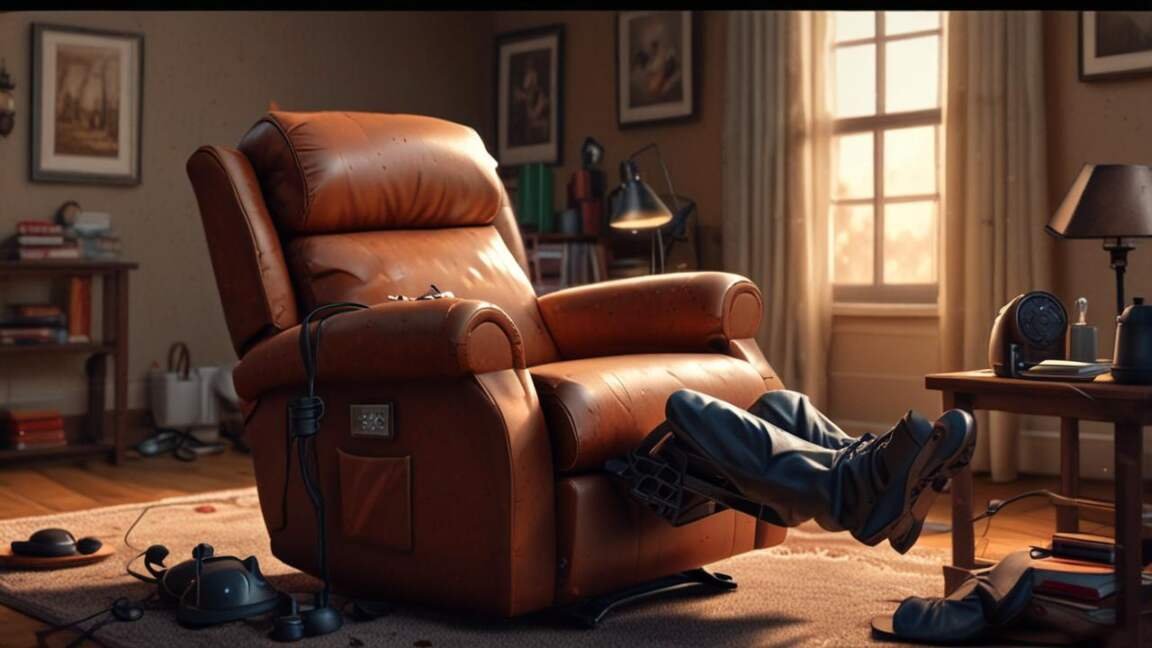
3 – Intermittent Power or Stalling Mid-Operation
This is the most dangerous warning sign. A lift chair that stops moving in the middle of rising or reclining can trap the user in a vulnerable position.
Intermittent power often points to a loose wire connection. The vibration of the chair moving can cause a worn connector to lose contact. When the connection breaks, the chair stops.
A failing limit switch is another common cause. Limit switches tell the chair when to stop at the top and bottom of its range. When they fail, the control board loses track of the chair’s position.
- The chair stops responding in one direction but works in another.
- The chair moves only a few inches before stopping.
- The chair hesitates and then jumps into motion.
According to the CDC, nearly 1 in 4 adults over 65 report difficulty with mobility-related activities, making a sudden chair failure a serious safety event. Do not try to “force” the chair to move if it stalls.
Warning: If your lift chair stops working while you are in it, stay calm and call for help. Do not attempt to climb out of a partially tilted chair. Use the manual release lever (usually located near the base) if you need to lower the chair manually.
4 – Visible Wear on Wires, Cables, or the Mechanism
You do not need to be a technician to spot this warning sign. A physical inspection of your chair can reveal obvious problems.
Look at the wiring harness that moves with the chair’s mechanism. Frayed, pinched, or chewed wires are a major electrical hazard and a guaranteed path to failure.
Check the scissor lift mechanism for rust and corrosion. Rust weakens the metal joints and can cause the chair to collapse over time. Look for loose bolts or bent brackets.
A study published in the Journal of Rehabilitation Research & Development found that mechanical failure in medical recliners accounts for roughly 15% of user falls. Regular visual checks can prevent these incidents.
What to look for during your inspection:
- Frayed or exposed wires on the motor and power cord.
- Signs of rust or corrosion on the metal scissor lift.
- Loose mounting bolts where the mechanism attaches to the frame.
- Excessive wear on the fabric or leather near the moving parts.
Tip: Perform a visual inspection of your lift chair every month. Just lift the skirt or cover at the bottom and shine a flashlight on the mechanism. Catching a frayed wire early can save you from a complete electrical failure.

5 – The Chair Stops Responding to the Remote
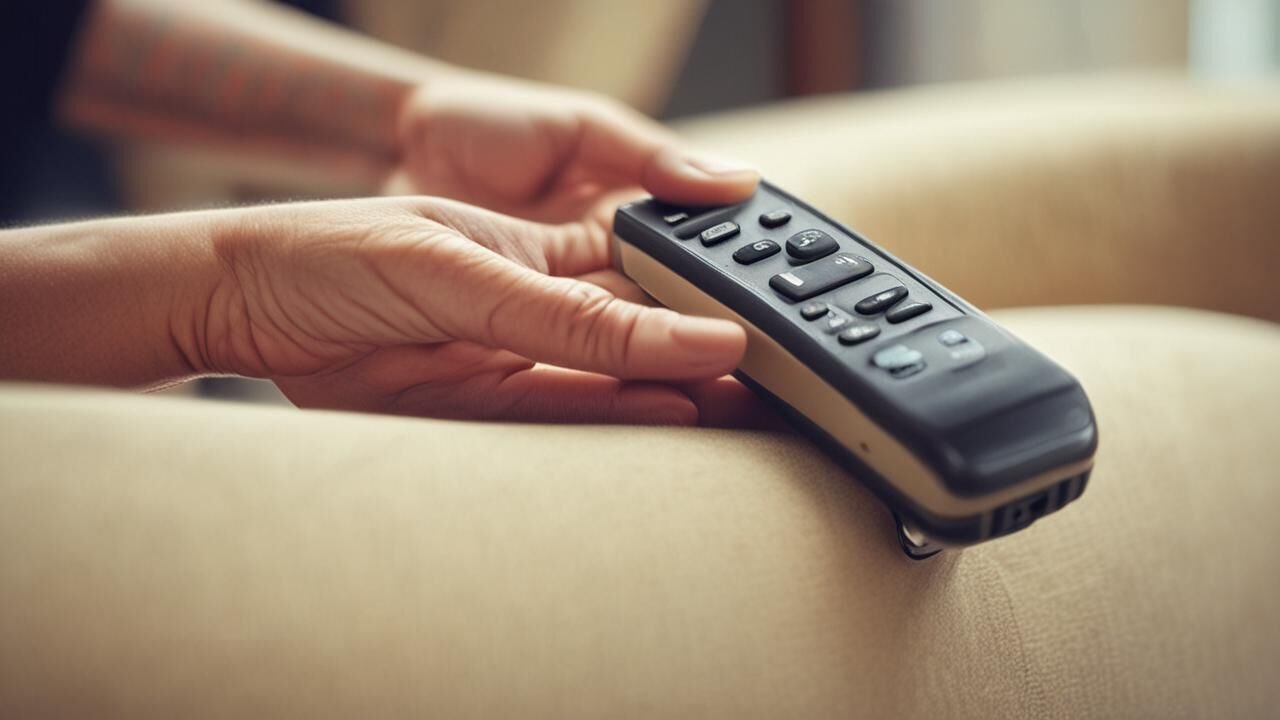
A dead remote is often a simple fix, but it can also signal a deeper electrical problem. The remote control is the communication link between you and the chair’s control board.
If the remote stops working, try the first fix: replace the batteries in the remote. If that does not work, the remote may have lost its pairing with the receiver.
Many modern lift chairs allow you to “re-pair” the remote by holding a specific button combination. Check your owner’s manual for the exact pairing sequence.
If re-pairing fails, the issue is likely the control board inside the chair. The control board manages the motor, battery, and remote. Water damage or power surges often kill these boards.
Steps to troubleshoot a dead remote:
- Replace the remote batteries with fresh ones.
- Inspect the remote for cracks or water damage.
- Try to operate the chair using the manual buttons (if available on the chair itself).
- Consult the manual for the remote pairing reset procedure.
- If none of this works, the control board probably needs replacement.
This is the last of the warning signs your lift chair is about to stop working, but it is one of the easiest to diagnose.
What to Do When You See These Warning Signs
You have identified a problem. Now what? Follow these steps to handle the situation safely and cost-effectively.
- Stop using the chair immediately. Continuing to use a failing chair can cause more damage to the motor and electrical system.
- Check the simple things. Is the chair plugged in? Is the remote battery dead? Is there a tripped breaker?
- Consult your warranty. Many lift chairs come with a 1- to 3-year warranty on the motor and frame. Do not attempt repairs yourself if the warranty is active.
- Call a certified technician. Look for a technician who specializes in mobility equipment and is familiar with your chair’s brand.
- Document the problem. Write down what the chair was doing, what noises you heard, and when the issue started. This helps the technician diagnose the problem faster.
Important: Keeping a maintenance log for your lift chair can extend its lifespan significantly. Note the date of any repairs, battery replacements, and professional inspections.
Common Myths vs Facts About Lift Chair Failure
There are many misconceptions about how lift chairs fail. Here are the facts that every user should know.
Myth: Grinding noises just mean the chair needs lubrication.
Fact: Lift chairs do not have user-serviceable oil ports. The mechanism is generally self-lubricating. Grinding sounds almost always indicate worn gears inside the sealed actuator unit.
Myth: A slow lift chair is still safe to use.
Fact: A slow chair draws excessive current from the transformer and control board. This extra strain can lead to a sudden and complete electrical failure.
Myth: If the battery is dead, the chair will not work at all.
Fact: Most lift chairs operate on standard AC household power. The battery is only for backup during a power outage. If your chair stops working on AC power, the battery is not the cause. Readers can deepen their understanding of electrical mobility devices by reviewing the power chair safety tips on Wikipedia.
Resources and Tools for Lift Chair Owners
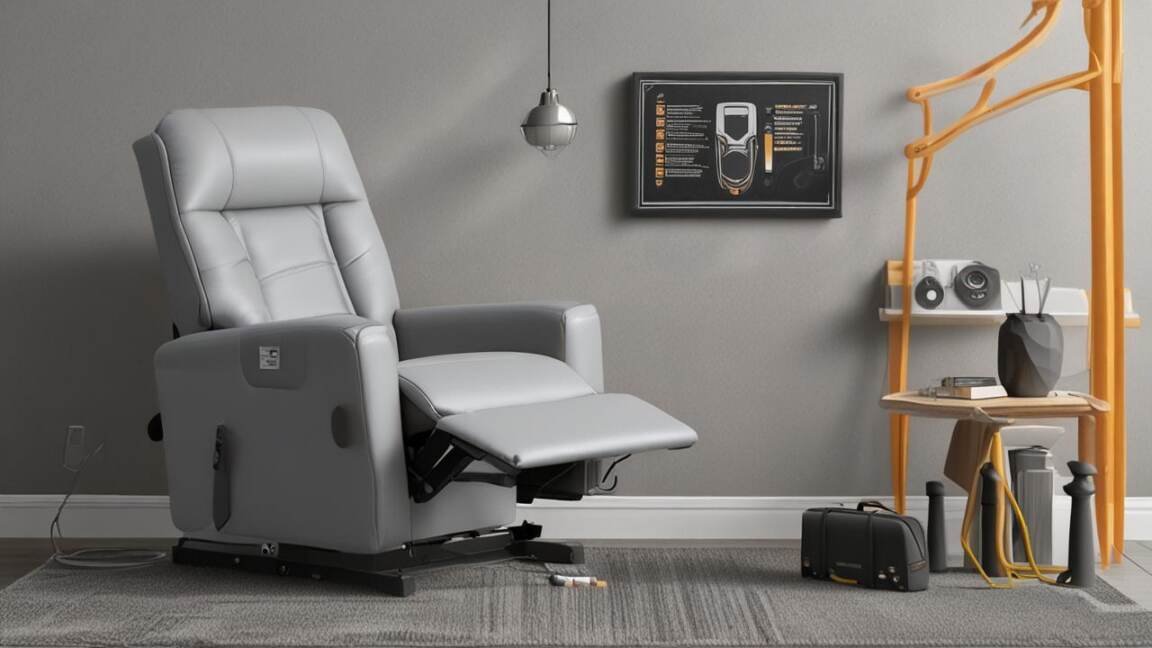
Having the right resources can make it easier to maintain your chair and find help when issues arise. To verify if your lift chair qualifies for insurance reimbursement, check the official Medicare DME coverage page.
- Pride Mobility – A leading manufacturer of lift chairs with a comprehensive support portal and service locator.
- Golden Technologies – Another top brand offering replacement parts, remote controls, and actuator kits.
- FDA Medical Devices – The official FDA resource for reporting adverse events related to powered medical recliners.
- UL Solutions – The safety certification organization that tests lift chair electrical components for fire and shock hazards.
- Medicare.gov – Official site to check if your specific lift chair model qualifies as durable medical equipment (DME) for coverage purposes.
Frequently Asked Questions
How long does a lift chair motor typically last?
Most lift chair motors are rated for 8,000 to 10,000 cycles. With typical daily use, this translates to roughly 5 to 7 years of reliable service before wear becomes noticeable.
Can I fix a lift chair myself?
Some simple fixes like replacing remote batteries or tightening visible bolts are safe, but motor and wiring repairs are best left to a qualified technician. Opening the sealed actuator unit will void your warranty.
How much does it cost to repair a lift chair motor?
Motor replacement typically costs between $150 and $400 for parts and labor. This is usually much cheaper than the $800 to $2,000 price tag for a brand new chair.
Is lift chair repair covered by Medicare?
Medicare Part B may cover the initial purchase of a lift chair as durable medical equipment (DME), but standard maintenance and repairs are generally not covered. Check your specific plan for details.
What is the most common cause of lift chair failure?
The most common cause of failure is worn-out actuator motors and limit switches due to normal wear and tear over years of use. Regular inspections help catch these issues early.
Final Thoughts
Your lift chair is a reliable tool, but it gives clear signals before it stops working. Watch for unusual noises, slow movement, power interruptions, visible damage, and remote failures. Catching these 5 warning signs your lift chair is about to stop working early keeps you safe and saves money on repairs. Make a habit of inspecting your chair monthly and calling a technician at the first sign of trouble. For a detailed overview of lift chair mechanics and troubleshooting, consult the lift chair maintenance guide on Wikipedia.