Choosing the right coffee table can really change how your living room feels and works. Sometimes, a table that looks super stylish just doesn’t fit your everyday life. We’re going to break down Why a Glass-Top Coffee Table Is Often the Wrong Choice and When It Actually Makes Sense.
Understanding this helps you pick a table that’s not just pretty but also practical for your home, saving you hassle and making your space more enjoyable.
Key Takeaways
- Glass-top coffee tables can look elegant but often show every fingerprint and smudge.
- They can be noisy when items are placed on them, and they might not feel as sturdy as other materials.
- Children and pets can make glass tables a safety concern due to breakage risk.
- These tables can make a room feel colder or less cozy compared to wood or upholstered options.
- However, a glass-top coffee table can be a great choice for small spaces to create an airy feel.
- They are also ideal for showcasing decorative items underneath or for a minimalist aesthetic.
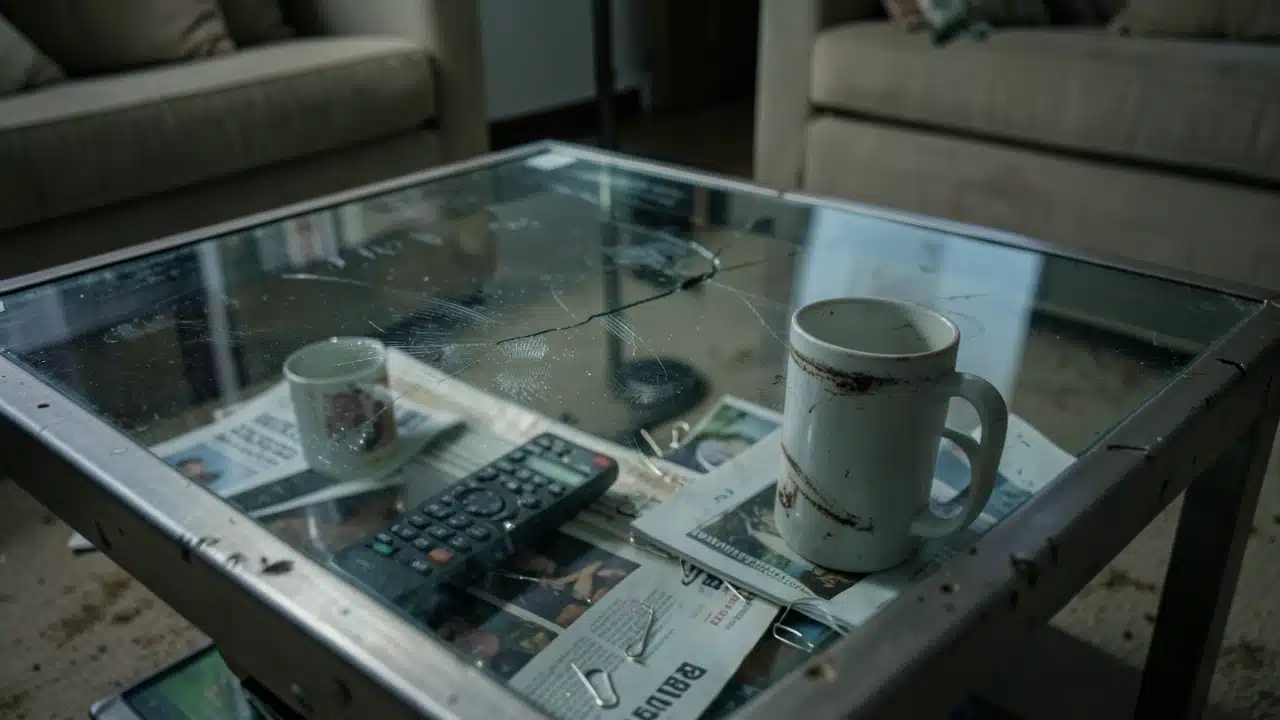
The Downsides of a Glass-Top Coffee Table
Many people are drawn to glass-top coffee tables because they look sleek and modern. They can make a room feel bigger and more open, especially in smaller apartments. However, there are some common problems that come with them.
You might find yourself constantly wiping it down. This is a big reason Why a Glass-Top Coffee Table Is Often the Wrong Choice and When It Actually Makes Sense for many.
Fingerprints and Smudges: The Constant Battle
The biggest issue most people face with glass-top coffee tables is keeping them clean. Glass shows every single fingerprint, water spot, and dust particle. Even a quick touch can leave a visible mark.
This means you’ll need to clean it very often, sometimes multiple times a day, to keep it looking its best. For busy households, this constant cleaning can become a real chore.
Imagine trying to relax with a cup of coffee, only to notice a dozen smudges staring back at you. It can be frustrating. This is a major factor in Why a Glass-Top Coffee Table Is Often the Wrong Choice and When It Actually Makes Sense for people who prefer low-maintenance furniture.
Noise and Durability Concerns
Another point to consider is the noise. When you put down a mug, a remote, or keys on a glass surface, it often makes a clinking or tapping sound. This can be annoying, especially if you’re sensitive to noise.
Wooden or upholstered coffee tables tend to absorb sound better, creating a quieter atmosphere.
Also, while glass is hard, it can be brittle. Scratches can be more noticeable on glass than on wood. Major impacts can lead to chips or even shattering.
This makes Why a Glass-Top Coffee Table Is Often the Wrong Choice and When It Actually Makes Sense a critical question for families with young children or pets.
Safety Risks
For households with young children, safety is a top priority. A glass-top coffee table can pose a risk if it breaks. Even tempered glass, which is designed to be safer, can still shatter into small pieces.
Kids running around, playing, or accidentally bumping into the table could lead to accidents. This is a significant reason Why a Glass-Top Coffee Table Is Often the Wrong Choice and When It Actually Makes Sense for parents.
Pets can also be a concern. A playful cat jumping on the table or a dog knocking into it could cause damage or breakage. If you have active pets or children, you might want to reconsider a glass option for peace of mind.
The Cold and Uninviting Feel
Glass can sometimes make a room feel a bit cold or sterile. Unlike wood, which often brings warmth and texture, glass is smooth and reflective. This can affect the overall cozy feeling of your living space.
If you aim for a warm, inviting atmosphere, a glass-top coffee table might not be the best fit.
This feeling contributes to Why a Glass-Top Coffee Table Is Often the Wrong Choice and When It Actually Makes Sense for those who prioritize comfort and a homey ambiance.
Materials like natural wood, woven textures, or even upholstered ottomans can add more warmth and softness to a room.
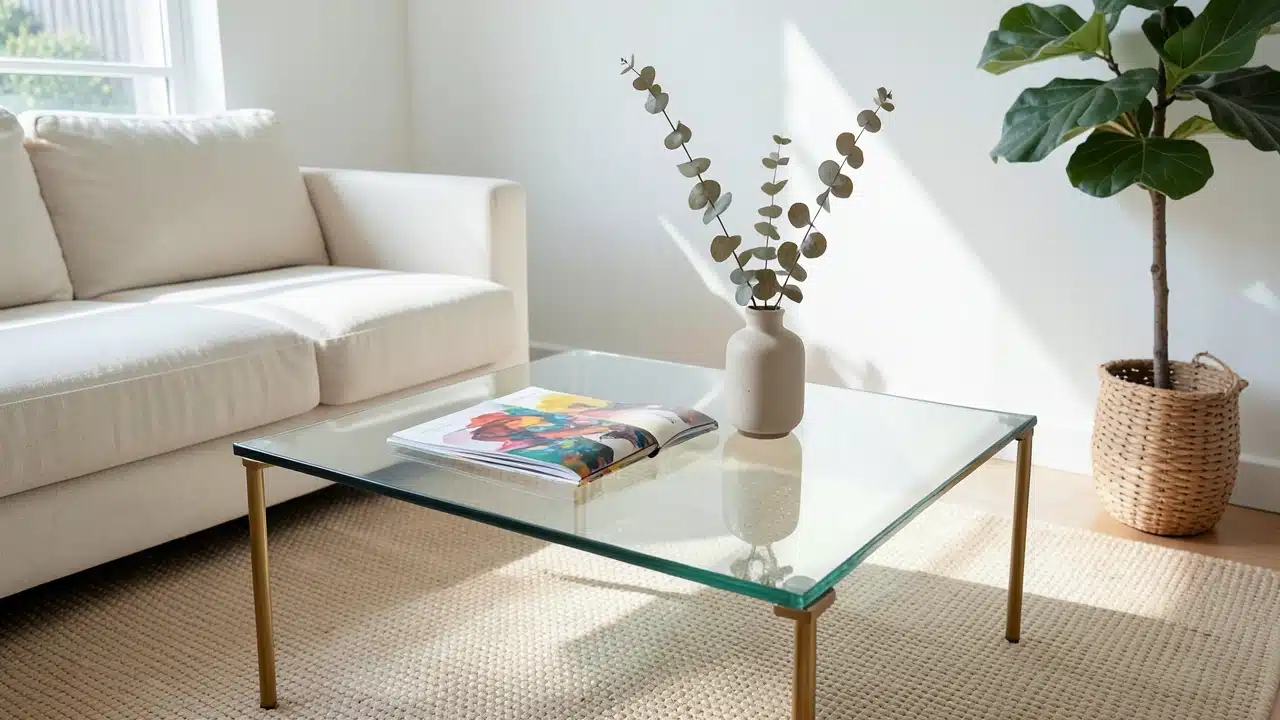
When a Glass-Top Coffee Table Makes Perfect Sense
Despite the potential drawbacks, there are definitely times when a glass-top coffee table is an excellent choice. It’s not always the wrong decision. Understanding these situations is key to making the right furniture choice for your home.
This is the other side of Why a Glass-Top Coffee Table Is Often the Wrong Choice and When It Actually Makes Sense.
Maximizing Small Spaces
One of the best uses for a glass-top coffee table is in small living rooms or apartments. Because glass is transparent, it doesn’t block the view. This creates an illusion of more space, making the room feel larger and less cluttered.
It’s a clever way to make a small area feel more open and airy.
A glass table allows you to see the floor underneath it. This visual continuity is a big help in making a compact room seem more expansive. This is a prime example of Why a Glass-Top Coffee Table Is Often the Wrong Choice and When It Actually Makes Sense for specific interior design challenges.
Showcasing Decorative Items
Do you have beautiful coffee table books, a collection of vintage items, or interesting decorative pieces? A glass-top coffee table is perfect for displaying them.
You can arrange items on a shelf beneath the glass, or even place them directly on the glass surface if there’s no lower shelf, where they are visible and protected.
This feature allows you to personalize your space and add visual interest without taking up extra surface area.
It turns your coffee table into a display case, adding a unique touch to your decor. This benefit helps explain Why a Glass-Top Coffee Table Is Often the Wrong Choice and When It Actually Makes Sense for those who love to decorate.
Achieving a Modern or Minimalist Aesthetic
Glass-top coffee tables fit perfectly into modern, minimalist, or contemporary interior design styles. Their clean lines and reflective surface contribute to a sophisticated and uncluttered look. If you prefer a sleek, understated style, a glass table can be an ideal addition.
They blend well with other materials like metal, chrome, or even concrete. This versatility makes them a good choice for achieving a specific design goal. This is a key reason Why a Glass-Top Coffee Table Is Often the Wrong Choice and When It Actually Makes Sense for style-conscious homeowners.
Ease of Cleaning for Specific Needs
While glass shows fingerprints, it’s also very easy to wipe clean of spills. If you have a space where spills are common, like a home office or a craft area, glass can be simpler to sanitize than porous materials. A quick spray and wipe can restore its shine.
This is a nuanced point in Why a Glass-Top Coffee Table Is Often the Wrong Choice and When It Actually Makes Sense.
For surfaces that need frequent sanitizing, glass offers a non-porous and smooth finish. This makes it a practical choice in certain functional settings, even if it requires daily dusting.
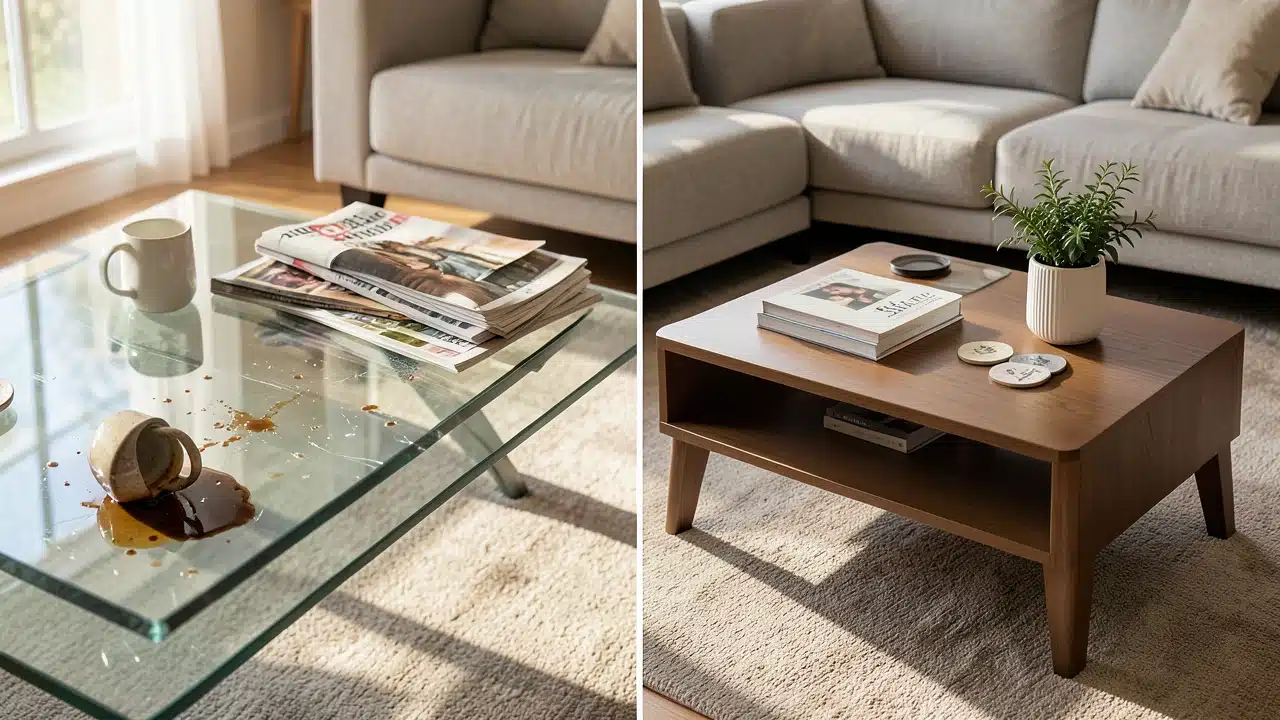
Types of Glass-Top Coffee Tables
Not all glass-top coffee tables are the same. The type of glass and the table’s frame can significantly impact its look, feel, and durability. Understanding these differences is important when considering Why a Glass-Top Coffee Table Is Often the Wrong Choice and When It Actually Makes Sense for your home.
Tempered Glass vs. Standard Glass
Tempered glass is much stronger than regular glass. It’s heat-treated, making it more resistant to impacts and temperature changes. If it does break, it shatters into small, relatively dull pieces, reducing the risk of serious injury.
Most modern glass-top coffee tables use tempered glass for safety.
Standard glass, also known as annealed glass, is more fragile. It breaks into large, sharp shards, making it a significant safety hazard. It’s less common for furniture these days due to safety regulations.
Frame Materials and Styles
The frame of a glass-top coffee table plays a big role in its overall style and stability. Common frame materials include:
- Metal: Chrome, stainless steel, or black iron frames offer a modern, industrial, or minimalist look. They are generally durable and strong.
- Wood: Wooden frames can range from light oak for a Scandinavian feel to dark walnut for a more traditional or mid-century modern look. Wood adds warmth and can make the table feel more substantial.
- Acrylic/Lucite: These transparent frames enhance the airy feel of a glass top, creating a visually light and modern piece.
The style of the frame – whether it’s a simple pedestal, four legs, or an intricate design – will also influence how the table fits into your room’s decor.
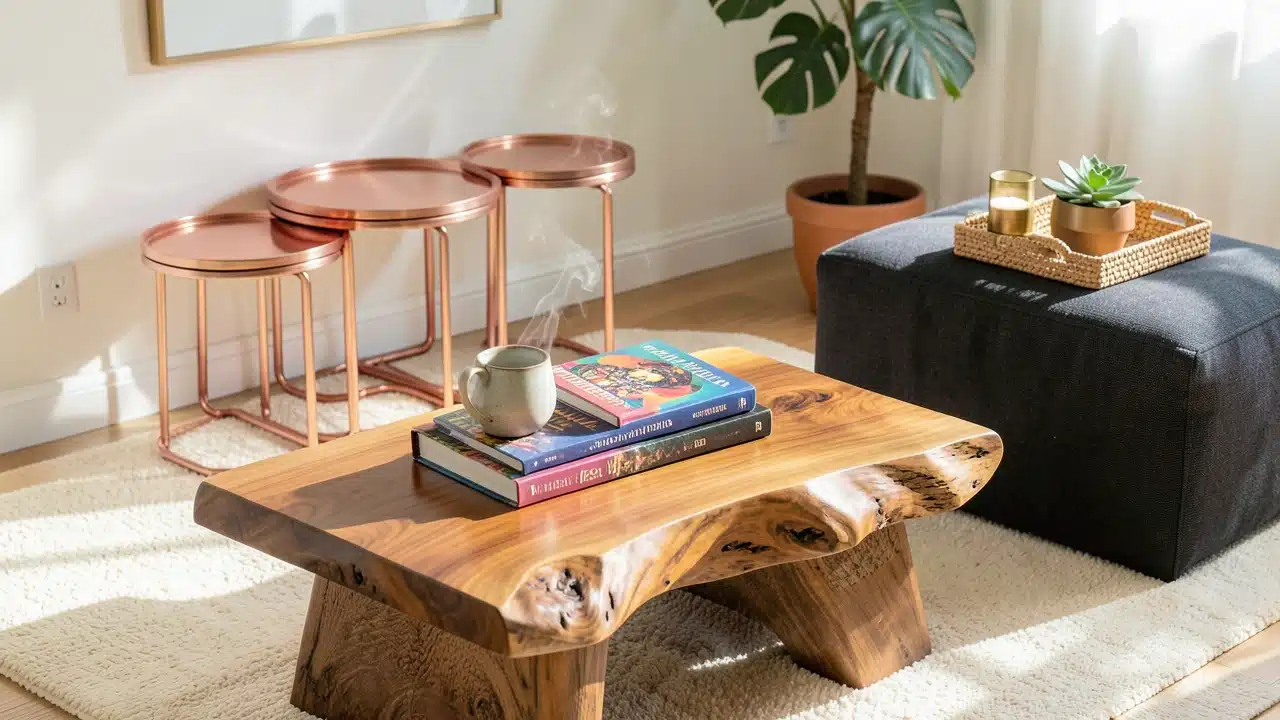
Alternatives to Glass-Top Coffee Tables
If you’ve weighed the pros and cons and decided a glass-top coffee table isn’t for you, there are many other great options. Considering alternatives is part of understanding Why a Glass-Top Coffee Table Is Often the Wrong Choice and When It Actually Makes Sense.
Wood Coffee Tables
Wood offers warmth, durability, and a classic look. From solid oak and maple to reclaimed wood, there’s a style for every home. Wood is generally more forgiving with scratches and dings, and it adds a cozy feel.
Upholstered Ottomans/Coffee Tables
These provide a soft, comfortable surface and can double as extra seating or a footrest. They come in various fabrics and colors, adding texture and color to your living space. They are generally very safe for homes with children and pets.
Metal Coffee Tables
Metal tables can be very sturdy and come in many designs, from industrial to sleek and modern. They can be paired with wood tops or other materials for a mixed-media look.
Stone or Marble-Top Coffee Tables
These offer a luxurious and sophisticated feel. They are durable but can be heavy and may require sealing to prevent stains. They add a touch of elegance and weight to a room.
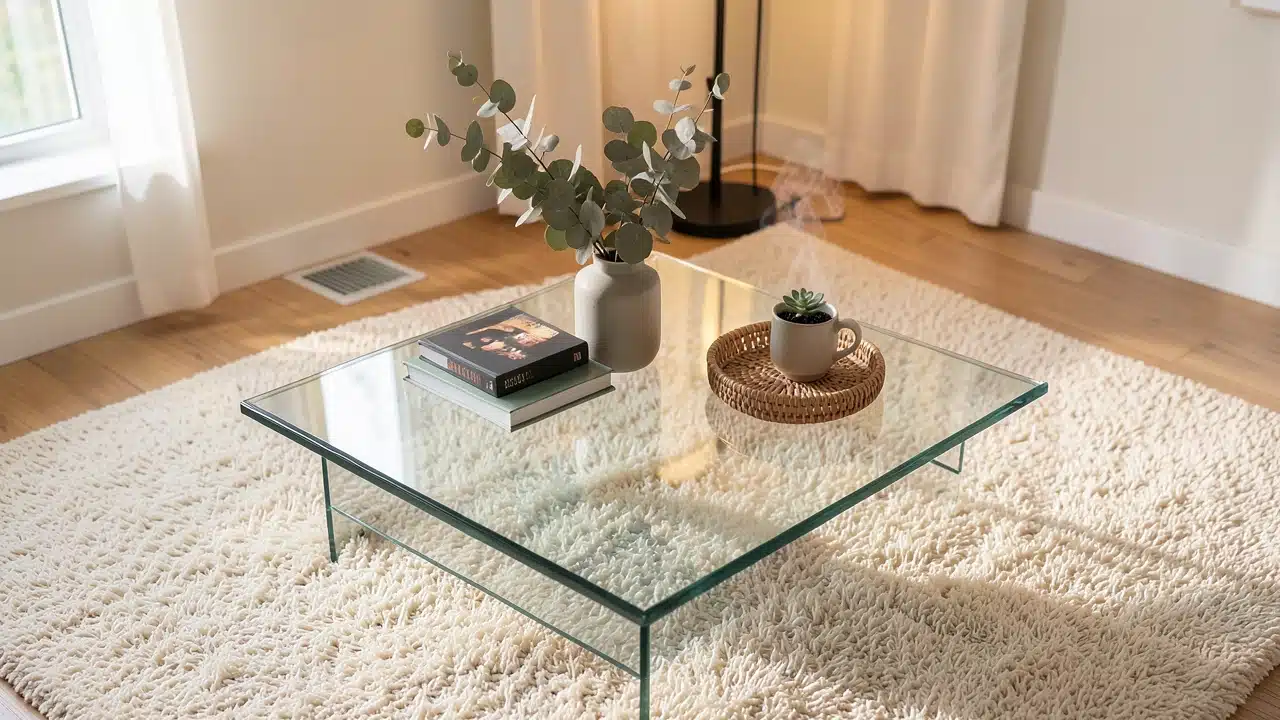
How to Make a Glass-Top Coffee Table Work for You
If you’re set on a glass-top coffee table, or already have one, there are ways to mitigate the common issues. This approach helps reconcile Why a Glass-Top Coffee Table Is Often the Wrong Choice and When It Actually Makes Sense with your personal preference.
Use a Coaster and Tray System
First, always use coasters for drinks. This prevents water rings and heat marks. Next, consider using a decorative tray on top.
A tray can corral remotes, magazines, and decorative items, making it easier to wipe down the surface and preventing individual items from scratching or clinking directly on the glass.
Invest in Good Cleaning Supplies
Keep a high-quality glass cleaner and a microfiber cloth handy. Microfiber cloths are excellent for cleaning glass without leaving streaks or lint. Regular, quick wipes can keep the table looking presentable throughout the day.
Choose the Right Placement
If possible, place your glass-top coffee table in an area that doesn’t get direct sunlight all day. Sunlight can highlight smudges and dust more intensely. Also, consider placing it away from high-traffic areas where it might be bumped more often.
Consider a Frosted or Textured Glass Top
If you love the look of glass but are worried about visibility of smudges, look for tables with frosted or textured glass. These finishes are much more forgiving and hide fingerprints and dust better than clear, polished glass.
Frequently Asked Questions of Why A Glass-Top Coffee Table Is Often The Wrong Choice And When It Actually Makes Sense
Why are glass-top coffee tables so popular?
Glass-top coffee tables are popular because they make small rooms feel bigger and more open. They also offer a sleek, modern look that fits well with contemporary decor styles.
Is a glass coffee table safe for kids?
It depends on the type of glass and the child. Tempered glass is safer as it breaks into dull pieces, but it can still be a risk. For very young children or active households, other materials might be a better choice, which is a key part of Why a Glass-Top Coffee Table Is Often the Wrong Choice and When It Actually Makes Sense.
How often should I clean a glass coffee table?
Ideally, you should wipe down a glass coffee table daily or even multiple times a day to keep it free of fingerprints, dust, and smudges. Using coasters and trays can help reduce the frequency needed.
Can glass coffee tables be scratched easily?
Yes, glass can be scratched by sharp objects or abrasive materials. While tempered glass is strong, it’s not scratch-proof. This is a factor in Why a Glass-Top Coffee Table Is Often the Wrong Choice and When It Actually Makes Sense for high-use areas.
What are the best alternatives to glass coffee tables?
Excellent alternatives include wood, upholstered ottomans, metal tables, and stone or marble-topped tables. These materials offer different aesthetics, durability, and maintenance levels.
Will a glass coffee table make my room look colder?
Glass can sometimes contribute to a cooler, more modern feel. If you prefer a warmer, cozier atmosphere, materials like wood or fabric might be a better choice. This is a consideration for Why a Glass-Top Coffee Table Is Often the Wrong Choice and When It Actually Makes Sense.
Final Thoughts
Choosing a coffee table involves balancing looks with practicality. While glass tables offer a chic, airy feel and are great for displaying items or in small spaces, they demand constant cleaning and can be a safety concern for some families. Weighing these points helps you decide Why a Glass-Top Coffee Table Is Often the Wrong Choice and When It Actually Makes Sense for your specific needs and lifestyle.