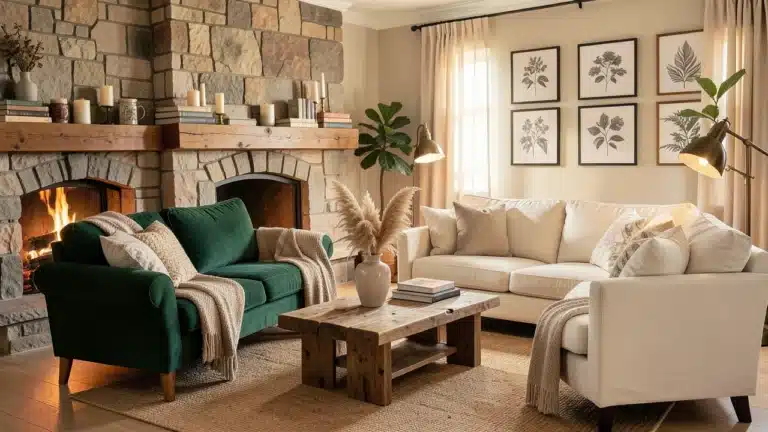
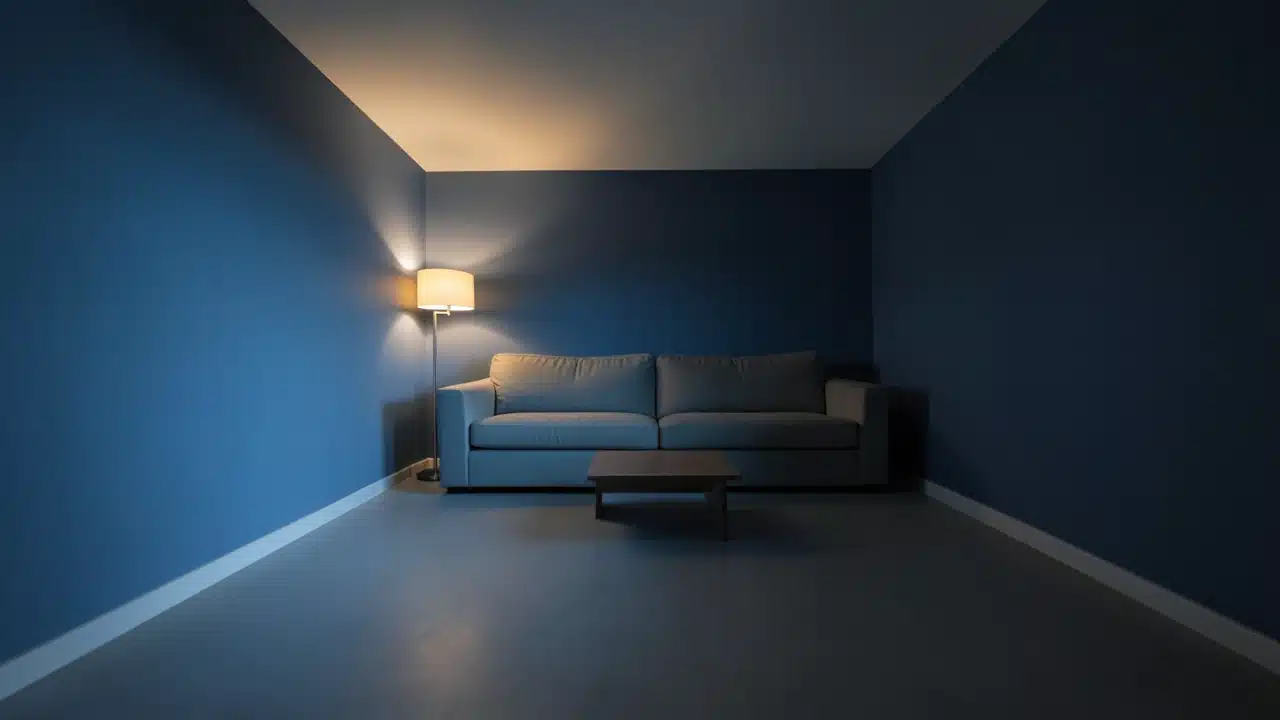
Pushing your sofa against the wall can make a small room feel smaller because it creates a rigid edge and leaves empty space in the center without depth.
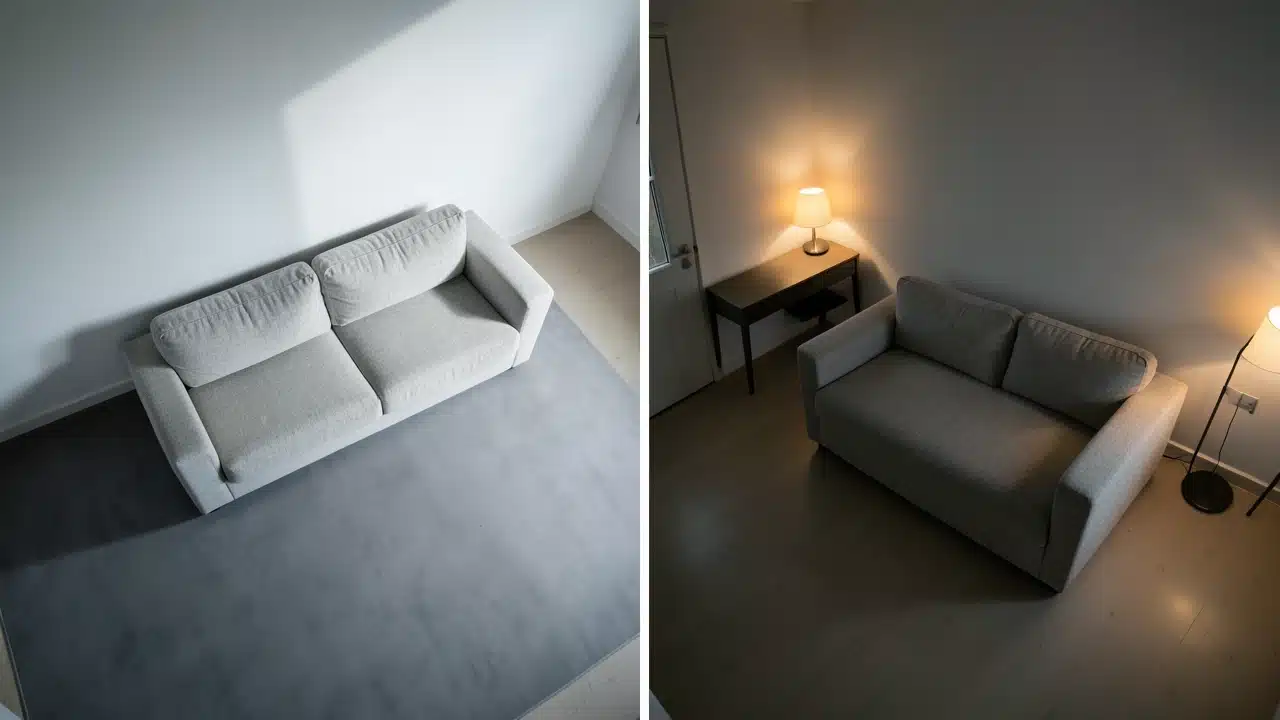
Pulling the sofa slightly forward adds breathing room, improves traffic flow, and creates layered zones. Even a few inches can make the layout feel softer, more balanced, and visually wider.
Getting your living space to feel just right can be tricky, especially when you’re working with a smaller area. You might think pushing your sofa right up against the wall is the best way to save room, but it often has the opposite effect.
Understanding Why Pushing Your Sofa Against the Wall Actually Makes a Small Room Feel Smaller is key to creating a more open and inviting atmosphere.
When you know how to arrange your furniture correctly, your room will feel bigger and much more comfortable to be in.
Key Takeaways
- Placing your sofa directly against a wall can block natural light and create a sense of confinement.
- Pulling furniture slightly away from walls opens up the space and allows for better visual flow.
- Creating zones within a small room can make it feel larger and more functional.
- The illusion of space is often created by allowing “breathing room” around your main furniture pieces.
- Strategic furniture placement can trick the eye into perceiving a room as larger than it is.
Why Walls Can Shrink Your Space
It seems like a smart idea. You have a small room, and you want to fit as much as possible. So, you push the biggest piece of furniture, your sofa, right up against the longest wall.
This is a common instinct, but it’s often the very thing that makes the room feel cramped. The wall acts like a barrier. It stops the eye from traveling further into the room.
This creates a visual dead end. It makes the space feel boxed in. You lose the feeling of depth.
This is a core reason Why Pushing Your Sofa Against the Wall Actually Makes a Small Room Feel Smaller.
When furniture is pushed too close to walls, it can also block natural light. Sunlight is crucial for making any room feel bright and airy. If your sofa is blocking windows or casting large shadows, the room will appear darker.
Darker rooms naturally feel smaller. They can also feel a bit gloomy. Allowing light to flow freely is a simple but powerful way to expand a space visually.
This is part of understanding Why Pushing Your Sofa Against the Wall Actually Makes a Small Room Feel Smaller.
Think about how we perceive space. Our brains look for open areas. They look for pathways.
When furniture is packed against the edges, these open areas disappear. The sofa becomes a large, immovable object that defines the boundary of the room. It stops you from imagining more space beyond it.
This is a psychological effect. It’s not just about physical dimensions. It’s about how we experience the room.
Creating “Breathing Room” for Your Sofa
The secret to making a small room feel larger often lies in creating what designers call “breathing room.
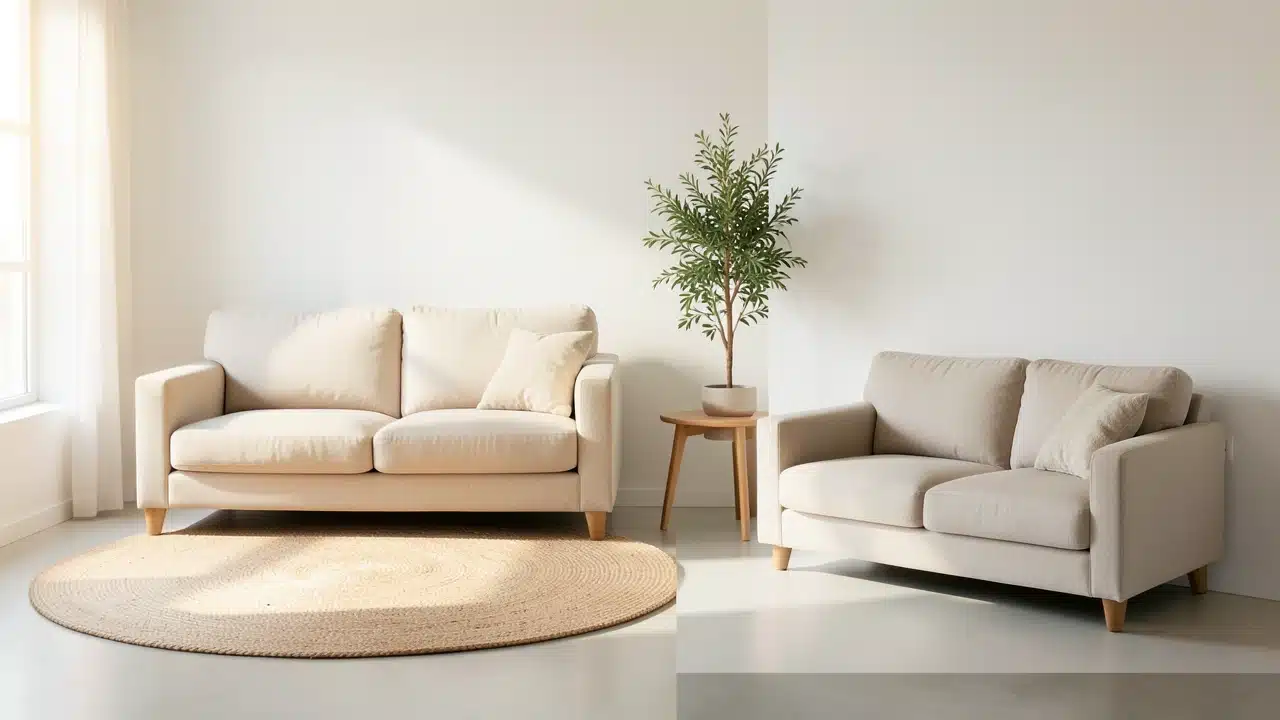
This means giving your furniture, especially your sofa, a little space to exist. Instead of pushing it flush against the wall, try pulling it out just a few inches. Even six inches can make a difference.
This small gap allows the eye to travel behind the sofa. It suggests there’s more to the room than what’s immediately visible. This is a fundamental principle behind Why Pushing Your Sofa Against the Wall Actually Makes a Small Room Feel Smaller.
This “breathing room” also allows for better air circulation and a sense of openness. It prevents the room from feeling like a box. It allows for more natural light to reach all corners.
When you pull the sofa away from the wall, you create a visual pathway. This pathway makes the room feel deeper. It invites exploration of the space.
It’s a simple trick, but it’s very effective.
Consider the flow of traffic in your room. If the sofa is against the wall, people have to squeeze past it. This can make movement feel awkward.
When the sofa is pulled out, you create a clear path. This improves the functionality of the room. It makes it easier to walk around.
This ease of movement contributes to the feeling of spaciousness. It directly addresses Why Pushing Your Sofa Against the Wall Actually Makes a Small Room Feel Smaller.
The Power of Visual Flow and Negative Space
Visual flow is what guides your eyes around a room. When a sofa is crammed against a wall, it interrupts this flow. It creates a visual stop sign.
Your eyes don’t have anywhere else to go. This makes the room feel static and small. Allowing space around the sofa helps your eyes move more freely.
It creates a sense of continuity. This is a key reason Why Pushing Your Sofa Against the Wall Actually Makes a Small Room Feel Smaller.
Negative space, or empty space, is just as important as the furniture itself. In a small room, it’s tempting to fill every corner. However, too much furniture makes the room feel cluttered and smaller.
Leaving some empty space, especially around your main furniture, allows the room to breathe. This negative space makes the furniture you do have stand out. It makes the room feel more organized and expansive.
It helps counteract the effect of Why Pushing Your Sofa Against the Wall Actually Makes a Small Room Feel Smaller.
Think of it like a painting. A painting with too much crammed into it can be overwhelming. But a painting with some empty sky or background feels more balanced and intentional.
The same applies to your living room. Letting the walls breathe, by not pushing all the furniture against them, creates a more pleasing and spacious environment. It’s about balance.
It’s about creating a visual exhale for the room.
Defining Zones in a Small Space
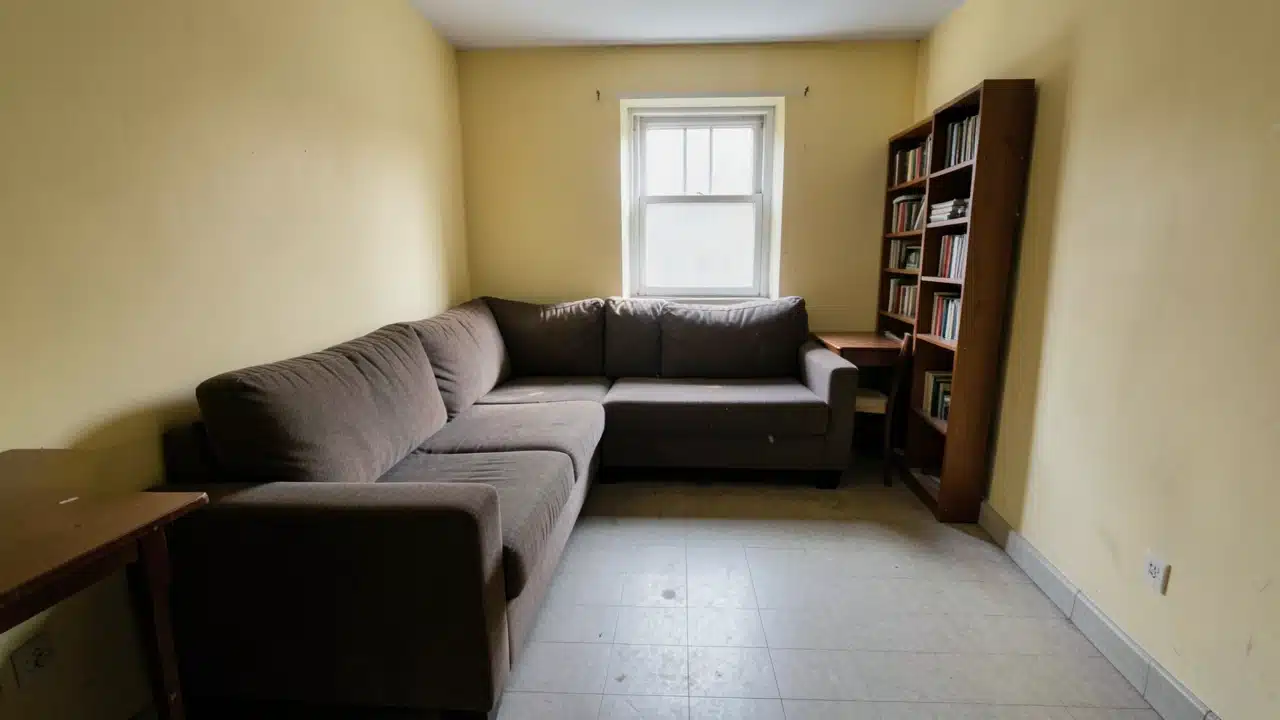
Even in a small room, you can create distinct zones. This can make the space feel more functional and larger. Placing your sofa slightly away from the wall can help define the living area.
You can then use other furniture, like a rug or a coffee table, to anchor this zone. This creates a sense of purpose for that part of the room.
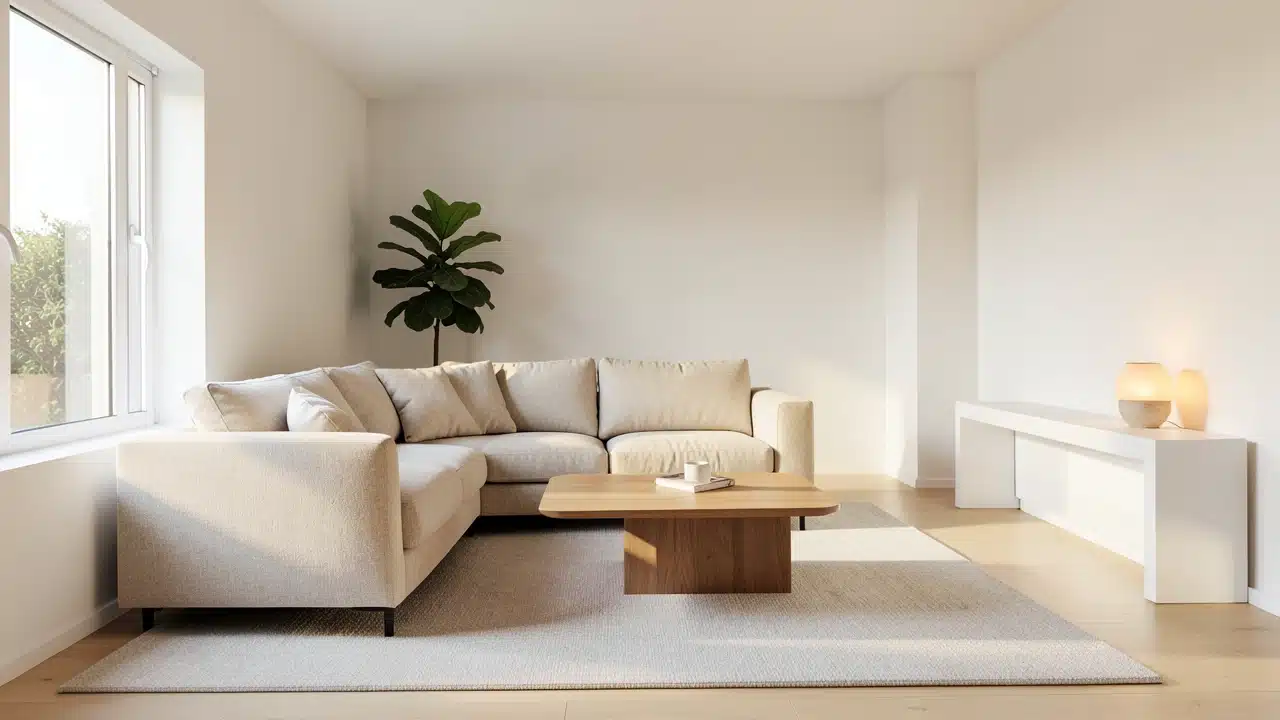
For example, pull your sofa a foot or two away from the wall. Place a rug in front of it. Put a coffee table on the rug.
This creates a cozy conversation area. It feels like a dedicated space. This is much more effective than having the sofa just pressed against the wall.
This approach directly counters the feeling of Why Pushing Your Sofa Against the Wall Actually Makes a Small Room Feel Smaller.
You can also use smaller pieces of furniture to define other areas. A slim console table behind the sofa can add a surface for lamps or decor. This table can also act as a visual divider.
It separates the sofa area from the rest of the room. This layered approach adds depth. It makes the room feel more considered and therefore larger.
Alternative Sofa Placement Strategies
So, if not against the wall, where should your sofa go? There are several effective strategies for small rooms. One is to float the sofa.
This means placing it in the middle of the room, not touching any walls. This creates a strong focal point. It also allows for seating on all sides.
This can make the room feel more intimate and open.
Another option is to place the sofa perpendicular to a wall. This can create a natural division in the room. It can also open up the wall space behind it.
You can then use that wall for other furniture, like a bookshelf or a media console. This creates a more dynamic layout. It’s a great way to avoid the trap of Why Pushing Your Sofa Against the Wall Actually Makes a Small Room Feel Smaller.
Consider the shape of your room. If you have a long, narrow room, placing the sofa across the width can make it feel wider. If you have a more square room, floating it can create a more balanced layout.
The key is to experiment. Move your furniture around. See what feels best.
Don’t be afraid to try something different.
| Flush Against Wall | Maximizes perceived floor space (initially). | Can block light, create dead zones, and feel cramped. |
| Pulled Away Slightly | Creates visual depth, improves light flow, allows for pathways. | Requires a few extra inches of space. |
| Floating in Room | Establishes distinct zones, encourages conversation, feels open. | Best for larger small rooms or when creating a central focus. |
| Perpendicular to Wall | Divides space effectively, opens up wall area for other uses. | Can work well in narrow or oddly shaped rooms. |
The table above highlights some common sofa placements. It shows how each can impact the feel of a small room. You can see why the common instinct of pushing against the wall often backfires.
The alternative strategies offer ways to enhance the sense of space. They directly address the core issue of Why Pushing Your Sofa Against the Wall Actually Makes a Small Room Feel Smaller.
The Role of Scale and Proportion
Beyond placement, the scale of your sofa matters. A massive sectional will make any small room feel smaller, no matter where you put it. Conversely, a slim, well-proportioned sofa can actually enhance the sense of space.
Look for sofas with clean lines and visible legs. Sofas with legs create a sense of airiness. They allow light and sightlines to pass underneath.
Consider the height of your sofa too. A low-profile sofa can make ceilings appear higher. This adds to the feeling of spaciousness.
A sofa that is too tall can make the room feel shorter. It can also feel like it’s dominating the space. Choosing the right size and style of sofa is crucial.
It works hand-in-hand with placement to combat the issue of Why Pushing Your Sofa Against the Wall Actually Makes a Small Room Feel Smaller.
Don’t forget about other furniture. Large, bulky armchairs can also contribute to a cramped feel. Opt for smaller, more streamlined pieces.
Think about multi-functional furniture. Ottomans that can serve as coffee tables or extra seating are excellent for small spaces. Every piece should be chosen with the overall goal of maximizing space in mind.
Maximizing Natural Light and Mirrors
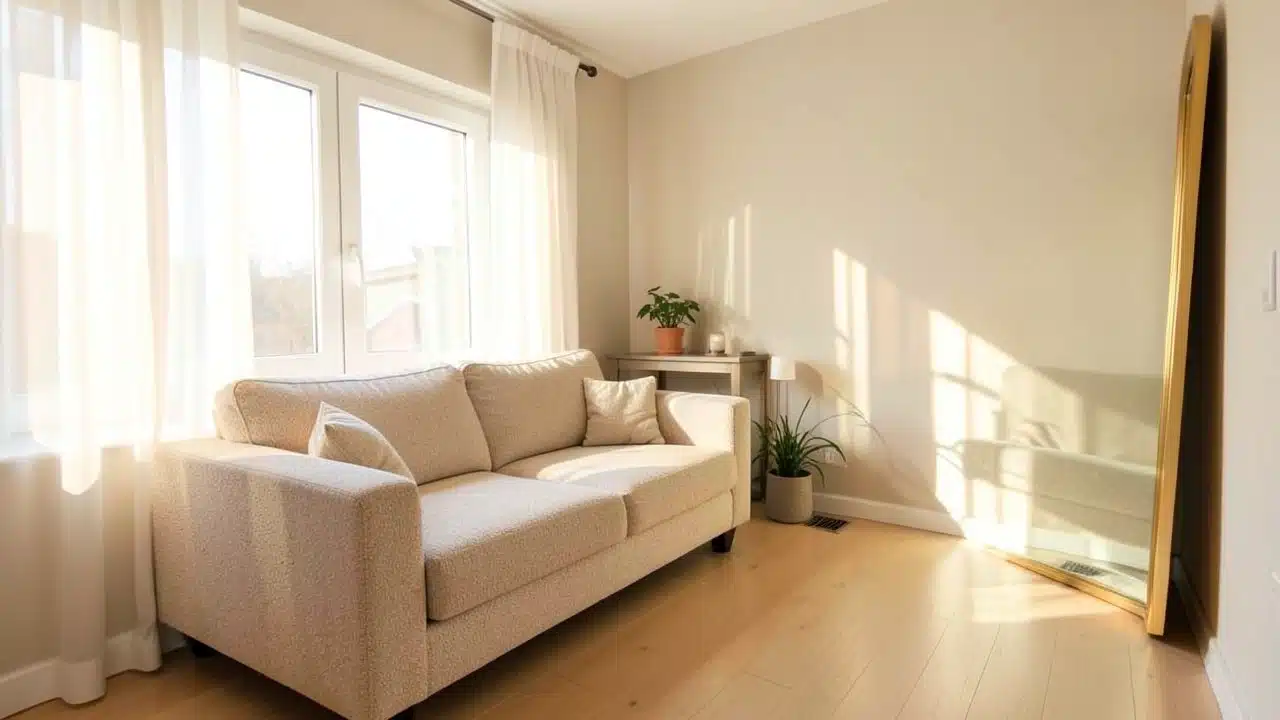
Natural light is your best friend in a small room. Keep window treatments light and airy. Avoid heavy, dark curtains.
If possible, position your sofa so it doesn’t block windows. This allows sunlight to flood the room. Bright rooms always feel larger and more welcoming.
This is a simple yet powerful way to counteract Why Pushing Your Sofa Against the Wall Actually Makes a Small Room Feel Smaller.
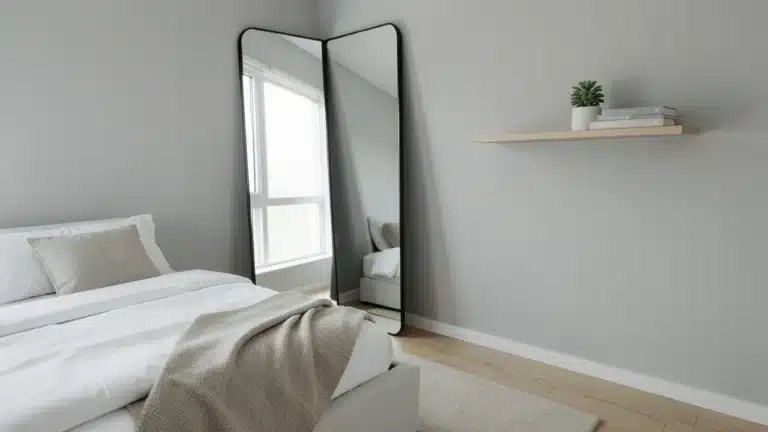
Mirrors are another powerful tool. Strategically placed mirrors can reflect light. They can also create the illusion of more space. Maximizing natural light is a powerful way to make a small room feel more spacious.
Placing a large mirror on a wall opposite a window can double the light in the room. It can also make the room appear twice as deep. This visual trick is very effective.
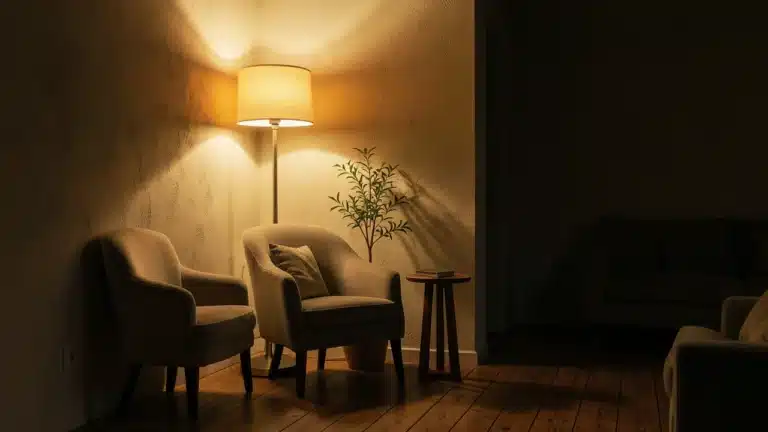
Consider the placement of lamps and other light sources. Good artificial lighting can compensate for a lack of natural light. Use multiple light sources at different heights.
This creates a warm and inviting ambiance. It also helps to eliminate dark corners, which can make a room feel smaller. The interplay of light and reflection is key to making a room feel open.
Frequently Asked Questions of Why Pushing Your Sofa Against The Wall Actually Makes A Small Room Feel Smaller
Does pushing my sofa against the wall always make a room feel smaller?
While it’s a common tendency, pushing your sofa flush against the wall often creates a visual barrier that makes the room feel more confined. Pulling it out even a little can significantly improve the sense of space.
What is the best way to arrange furniture in a small living room?
Aim to create “breathing room” around your main pieces like the sofa. Consider floating furniture, placing it perpendicular to walls, or using rugs to define zones. Avoid pushing everything against the walls.
How can I make my small room look bigger with my sofa?
Pull your sofa away from the wall to create visual depth. Use lighter colors, reflective surfaces like mirrors, and ensure good lighting. Choose furniture that is appropriately scaled for the room.
Is it ever okay to push a sofa against the wall in a small room?
In very specific layouts, or if the sofa is very slim and the wall has an opening like a large window, it might work. However, generally, it contributes to Why Pushing Your Sofa Against the Wall Actually Makes a Small Room Feel Smaller.
What are some common mistakes people make with sofa placement in small rooms?
The most common mistake is pushing the sofa directly against the wall. Other mistakes include using furniture that is too large, blocking natural light, and not creating clear pathways.
How much space should I leave between my sofa and the wall?
Even a few inches can make a difference. Aim for at least 6-12 inches if possible. This allows for better visual flow and light distribution, addressing Why Pushing Your Sofa Against the Wall Actually Makes a Small Room Feel Smaller.
Final Thoughts
Making a small room feel larger is all about smart arrangement. Instead of pushing your sofa against the wall, try giving it some space. This simple change creates better visual flow, allows light to enter, and tricks the eye into seeing more room. Understanding scale and proportion is essential for making a small room feel larger.
Experiment with placement to find what works best for your unique space and enjoy a more open feel.