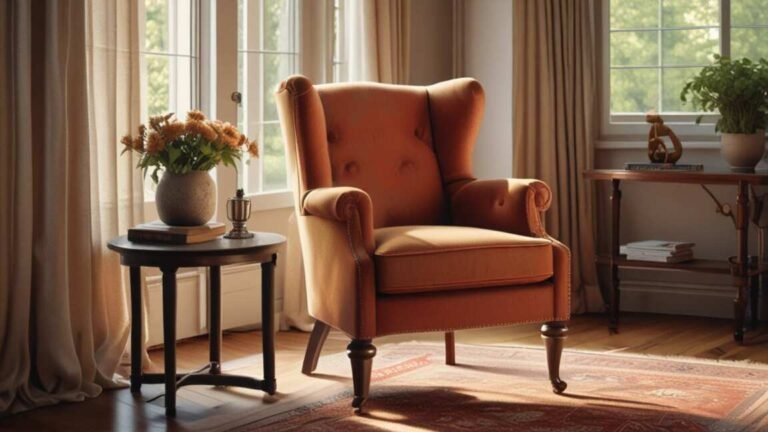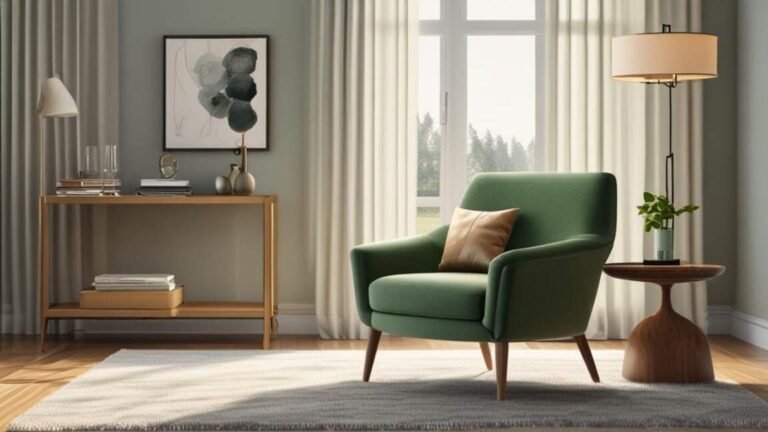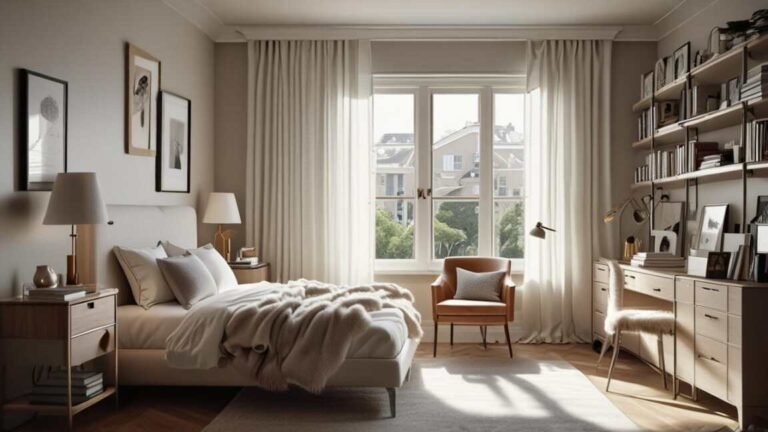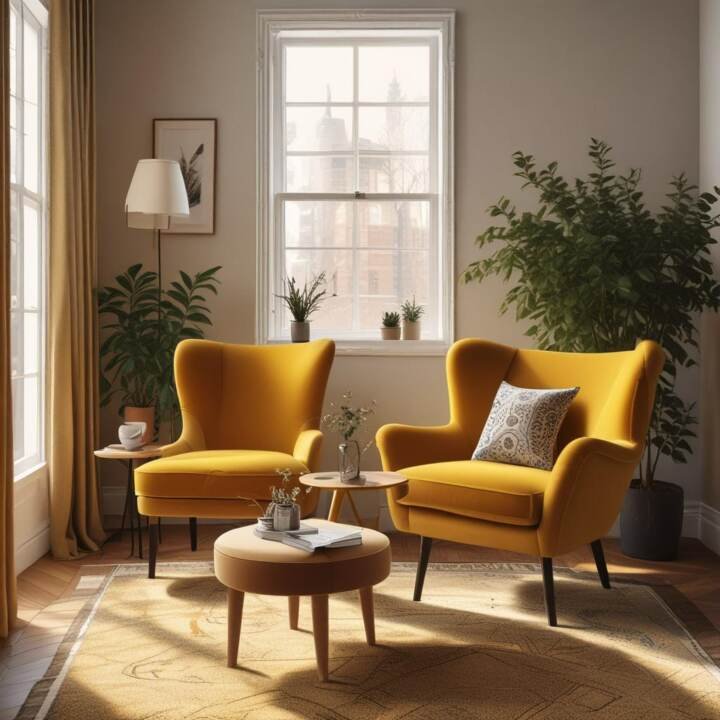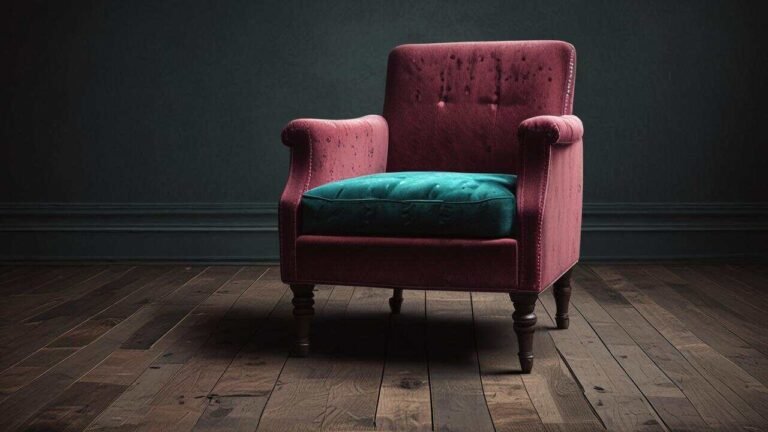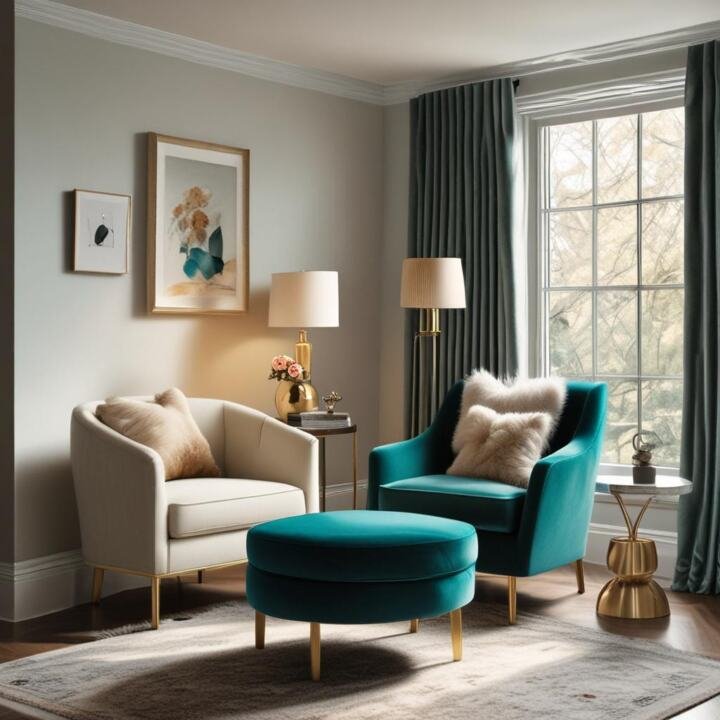
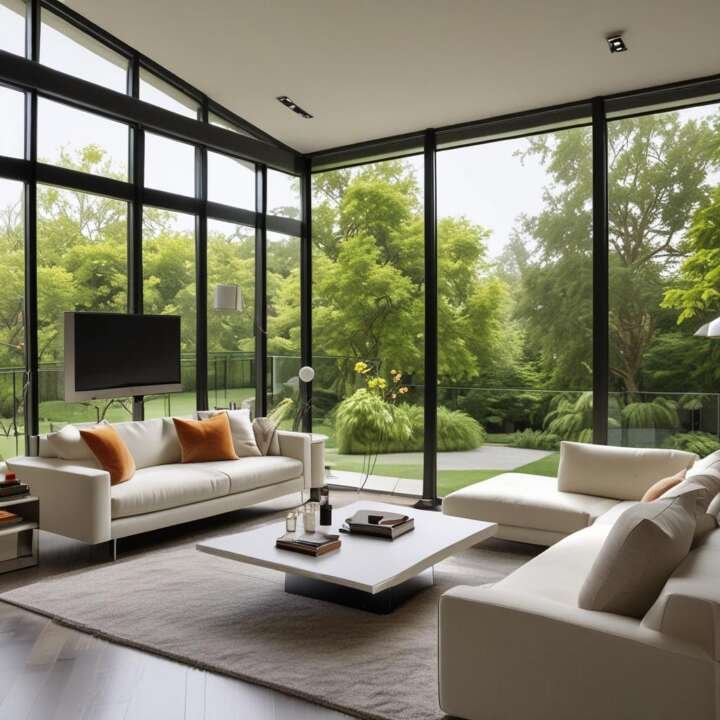
The best placements for a swivel accent chair in a living room are angled toward the sofa to create a flexible conversation circle, positioned near a window for a dedicated reading corner, or placed in a transitional space between zones without blocking traffic. For full 360-degree rotation, the chair requires at least 30 inches of clearance behind it from walls or other furniture. Practical results come from choosing a spot that serves a clear purpose, such as improving conversation flow or adding a flexible media viewing area.
A swivel accent chair moves with you. A standard accent chair stays in one spot. A swivel chair rotates on a fixed base. This simple change adds a lot of function to a living room. You can turn to talk to someone or face the window.
Quick Verdict: Place your swivel accent chair where it serves a clear purpose without blocking traffic. The most effective spots include angling it toward the sofa for conversation, positioning it near a window for reading, or using it to create a flexible media viewing area. Ensure at least 30 inches of clearance behind the chair for full rotation.
Swivel chairs come in many designs. You can find modern tub chairs, mid-century tulip chairs inspired by Eero Saarinen, and plush reclining models. The main benefit is the 360-degree motion. This makes the chair ideal for multitasking spaces. According to the National Association of Home Builders, flexible layouts are a top priority for homeowners these days.
Key Takeaways
- A swivel accent chair requires at least 30 inches of clearance behind it to rotate fully without hitting a wall or furniture.
- The most popular placement for a swivel chair is angled toward the sofa to create a flexible and inviting conversation area.
- Using a swivel chair in a small living room can save space because it does not need to be physically pulled out or moved by the user.
- Interior designers recommend placing the front legs of a swivel chair on the rug while keeping the back legs off to anchor the seating zone.
- A swivel accent chair works best when it has a defined purpose, such as reading, viewing media, or socializing.
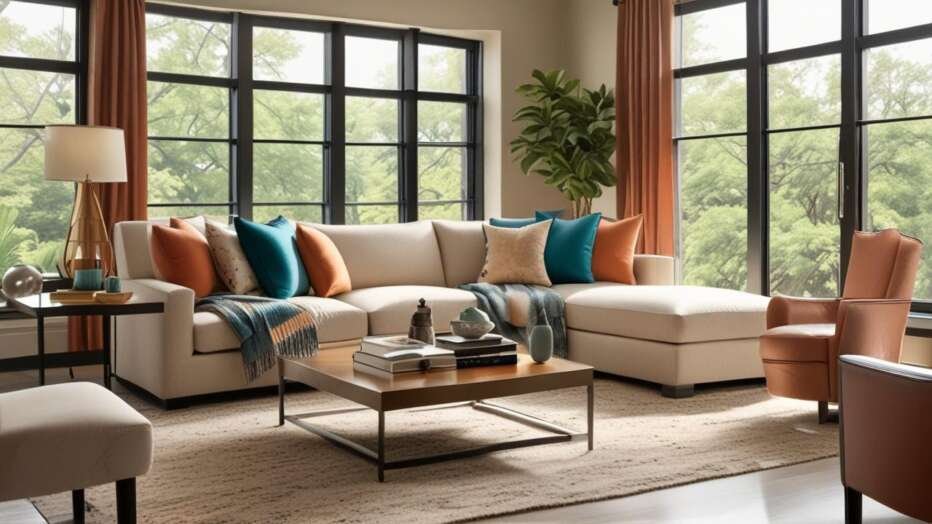
How to Choose the Right Spot for Your Swivel Chair
Finding the right spot depends on three main factors. First is the focal point of the room. Second is the traffic flow. Third is the chair’s intended purpose. You must balance these elements to get good results.
- Identify the focal point. Most living rooms have a natural focal point. This could be a fireplace, a large window, or a television. The chair should relate to this point.
- Check your traffic flow. Walkways must stay clear. Do not place the chair where people walk behind it. Someone turning in a swivel chair can easily trip a passerby.
- Define the purpose. Will you use the chair for reading, watching TV, or conversation? The purpose decides the direction the chair faces.
Tip: Tape the turning radius on the floor before you buy the chair. This helps you visualize the amount of space it will use.
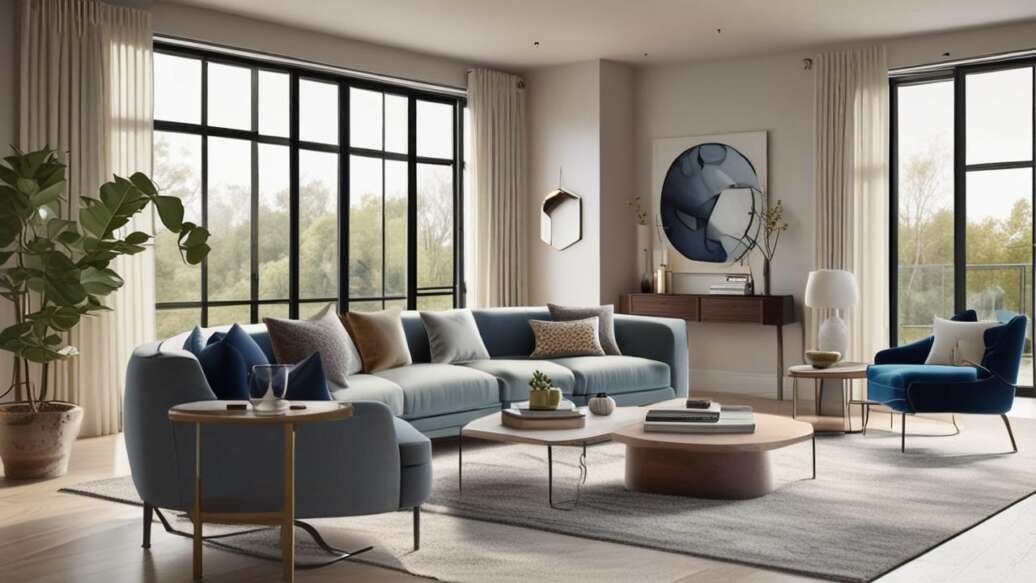
The Best Placement Strategies
Here are the five most effective ways to use a swivel accent chair in a living room. Each strategy works for a different need.
The Conversation Circle
Angle the chair toward the main sofa. This breaks the standard seating box. It creates a more open setup. Place a small side table between the chair and the sofa. This gives the person in the chair a spot for a drink. The swivel function allows them to turn to other guests standing nearby. This layout works well for parties.
The Performance Zone
Swivel chairs work great for media rooms. Place the chair at a 45-degree angle. This allows easy switching between the screen and the rest of the room. It is a good solution for families. One person can watch a movie while others sit on the sofa and talk. The chair acts as a pivot point for the whole room.
The Reading Corner
Put the chair near a window or a built-in bookshelf. Add a floor lamp for direct light. The chair should face the room slightly. This prevents the person from feeling isolated. The swivel accent chair lets them turn back toward the room when they finish reading.
The Bay Window
Bay windows are often hard to furnish. A swivel chair fits perfectly. Place it in the center of the window space. This creates a cozy observation deck. The chair can turn to face the view or turn back to face the living room. It makes the window area usable.
The Transitional Space
Some living rooms connect to a hallway or entryway. A swivel chair works well here. It acts as a drop zone for putting on shoes or waiting for guests. Just make sure it does not block the main walking path. This placement uses dead space productively.
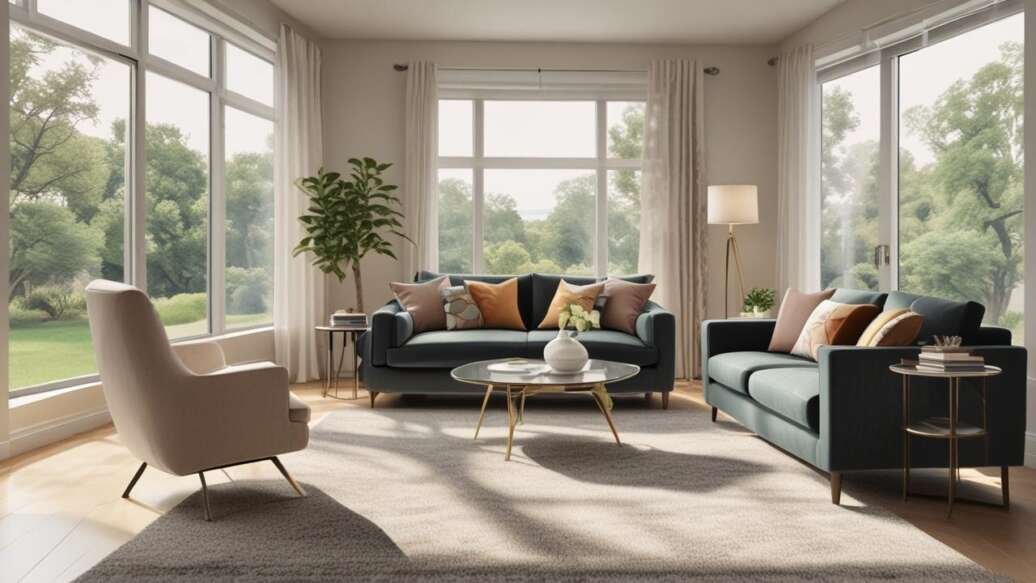
Quick Placement Comparison Table
| Placement | Best For | Key Consideration | Ideal Room Size |
|---|---|---|---|
| Conversation Circle | Socializing, Drinks | 30 inch clearance behind | Medium (12×12 ft) |
| Performance Zone | TV, Gaming | Angle toward screen | Medium (14×14 ft) |
| Reading Corner | Relaxing, Books | Side table + Lamp | Small (10×10 ft) |
| Bay Window | Scenery, Coffee | Cushion depth | Any |
| Transitional Space | Quick seating | Exit path space | Large Foyer |
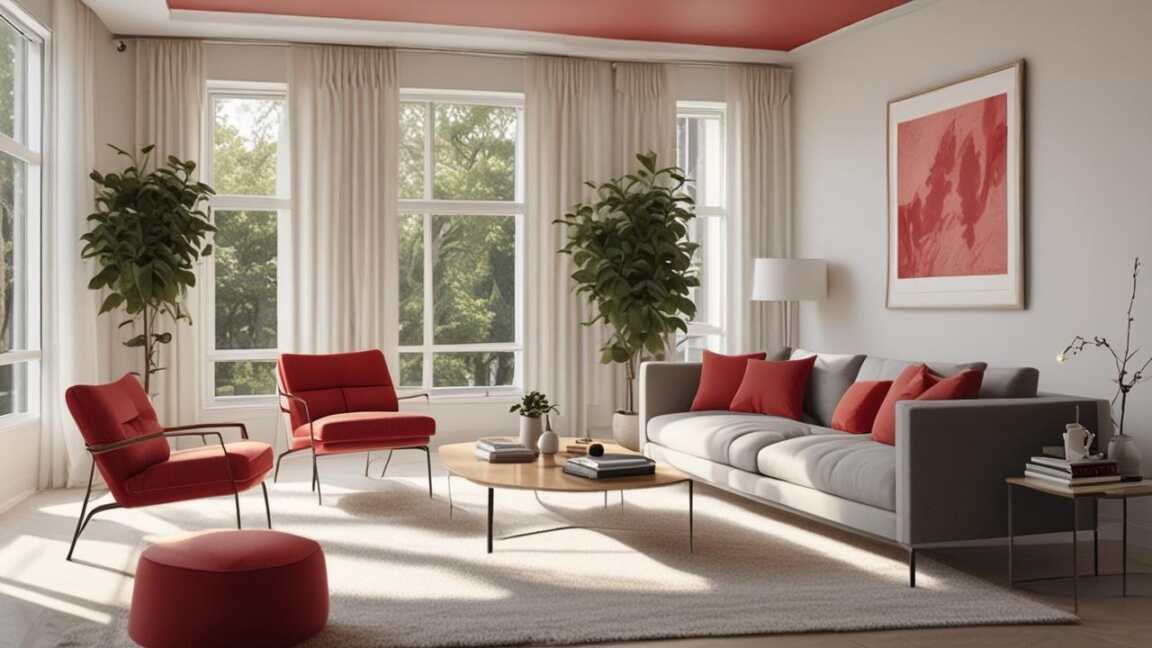
Common Placement Mistakes to Avoid
Many people make simple errors when placing a swivel chair. These mistakes hurt the function of the room. Avoid them to keep your space looking good.
- Blocking the main walkway. Measure the door swing and the chair rotation. You need room for people to walk past the chair safely.
- Placing it too far from the seating group. A floating chair looks disconnected. Keep it within 4 feet of the sofa or coffee table.
- Ignoring the swivel radius. Check if the chair hits a lamp, plant, or wall when turned fully. This scratches the furniture.
- Using a thick rug under the base. High-pile rugs can stop the swivel mechanism from working smoothly. Use a flat-weave rug instead.
- Pushing it against the wall. A swivel chair needs space behind it. Pushing it against the wall defeats the purpose of the design.
Warning: Do not place a swivel chair directly in front of a heat vent. The chair can block the airflow and cause the mechanism to overheat in some models.
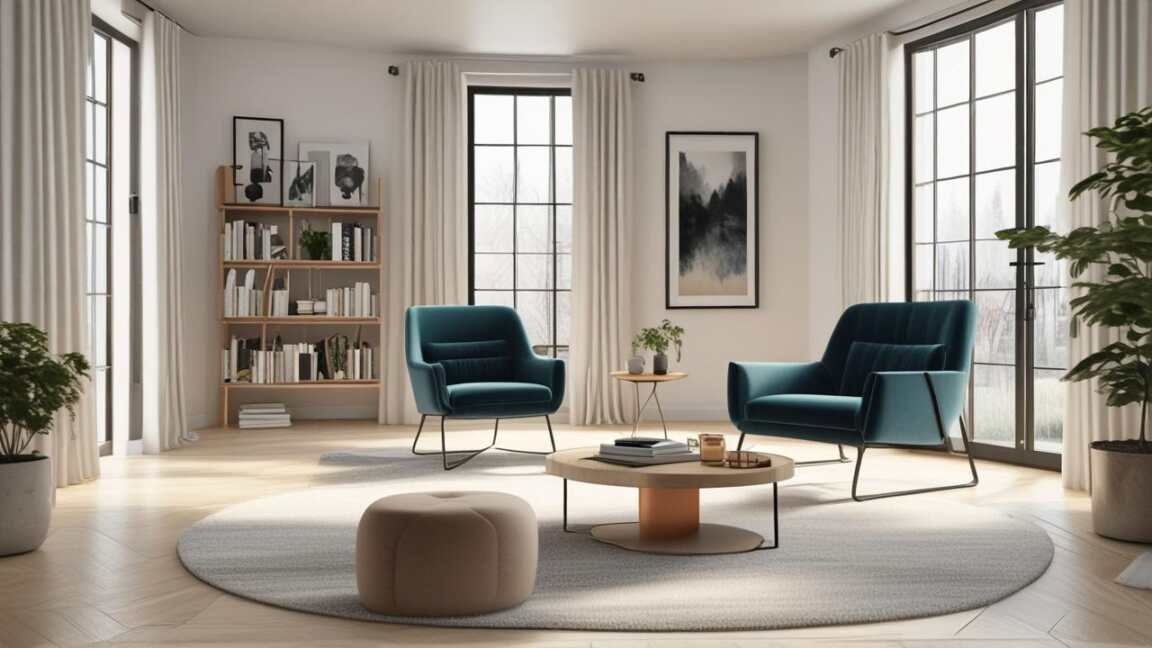
Common Myths vs Facts
Some myths about swivel chairs can lead to bad decisions. Here are the facts that will help you choose the right spot.
Myth 1: Swivel chairs only fit modern decor.
Fact: Swivel chairs come in many styles. You can find upholstered wingback swivels for traditional rooms and tufted leather swivels for transitional spaces. Brands like IKEA and West Elm offer many fabric options.
Myth 2: Swivel chairs take up more space than static chairs.
Fact: They often require the same amount of floor space. The footprint does not change, but the function does. A static chair needs pulling in and out. A swivel chair does not.
Myth 3: You should only use one swivel chair per room.
Fact: Two swivel chairs facing each other with a table between them creates a balanced and flexible seating area. This setup works well for small apartments.
Myth 4: Swivel chairs are only for offices.
Fact: Residential swivel chairs are a growing trend. The American Society of Interior Designers notes that flexible seating is one of the top requests for living room remodels.
Pro Tips for Styling Your Swivel Chair
Styling a swivel chair is different from styling a static chair. You must consider the movement. These tips will help you get the best look.
- Use a lumbar pillow. A back pillow stays put when the chair turns. A large square pillow will constantly fall off.
- Keep the base clean. Dust and pet hair can jam the mechanism. Wipe the base with a dry cloth each week.
- Choose a high-performance fabric. Swivel chairs get more wear because of the motion. Look for a fabric with a high double rub count.
- Add a small side table. The table should be at arm’s length. A C-table works well because it slides over the chair arm.
- Match the base to the floor. A chrome base matches cool tones. A brass base matches warm tones. A black base is neutral for most floors.
Frequently Asked Questions
How much clearance does a swivel chair need?
Most swivel chairs need at least 30 inches of space behind them to turn fully. Check the product dimensions for the exact turning radius before you buy. Measure from the center of the base to the back of the chair.
Can I place a swivel chair in front of a fireplace?
Yes, but leave at least 3 feet of clearance for safety. The swivel allows the occupant to enjoy the fire or turn to join the room. Use a heat-resistant rug to protect the floor.
Are swivel chairs good for small living rooms?
Yes. A swivel accent chair is ideal for small spaces. It removes the need to drag a heavy chair into position. Small swivel chairs are widely available from many furniture stores.
What type of rug works best under a swivel chair?
Use a flat-weave or low-pile rug. Thick shag rugs can block the smooth rotation of the swivel base. Secure the rug with a rug pad to prevent bunching under the chair.
Should the swivel chair face the window?
Facing the window is a great option for reading and relaxing. Just make sure it is part of a larger room layout. An isolated chair facing a window can look disconnected from the rest of the room.
How do I keep a swivel chair from sliding on hardwood?
Apply felt pads to the bottom of the base. If the chair still slides, place a small non-slip rug pad under the base itself. This adds grip without changing the look.
Final Thoughts
Place your swivel accent chair where it solves a problem, not just where it fits. Use it to connect different zones in the room. Prioritize traffic flow and the chair turning radius. A well-placed swivel chair makes your living room feel bigger and work harder for you.