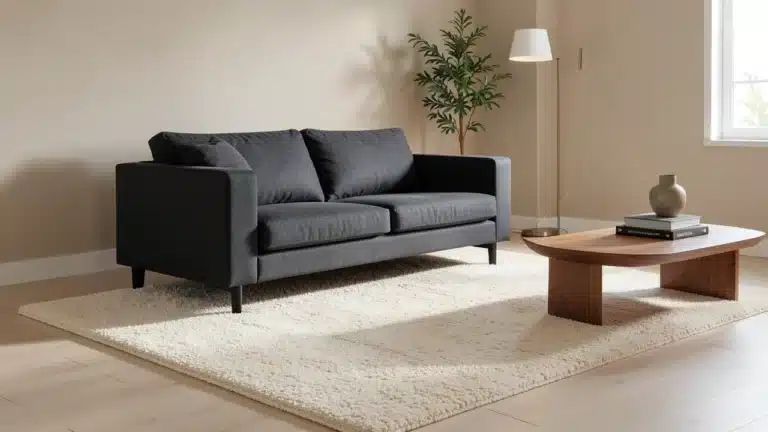
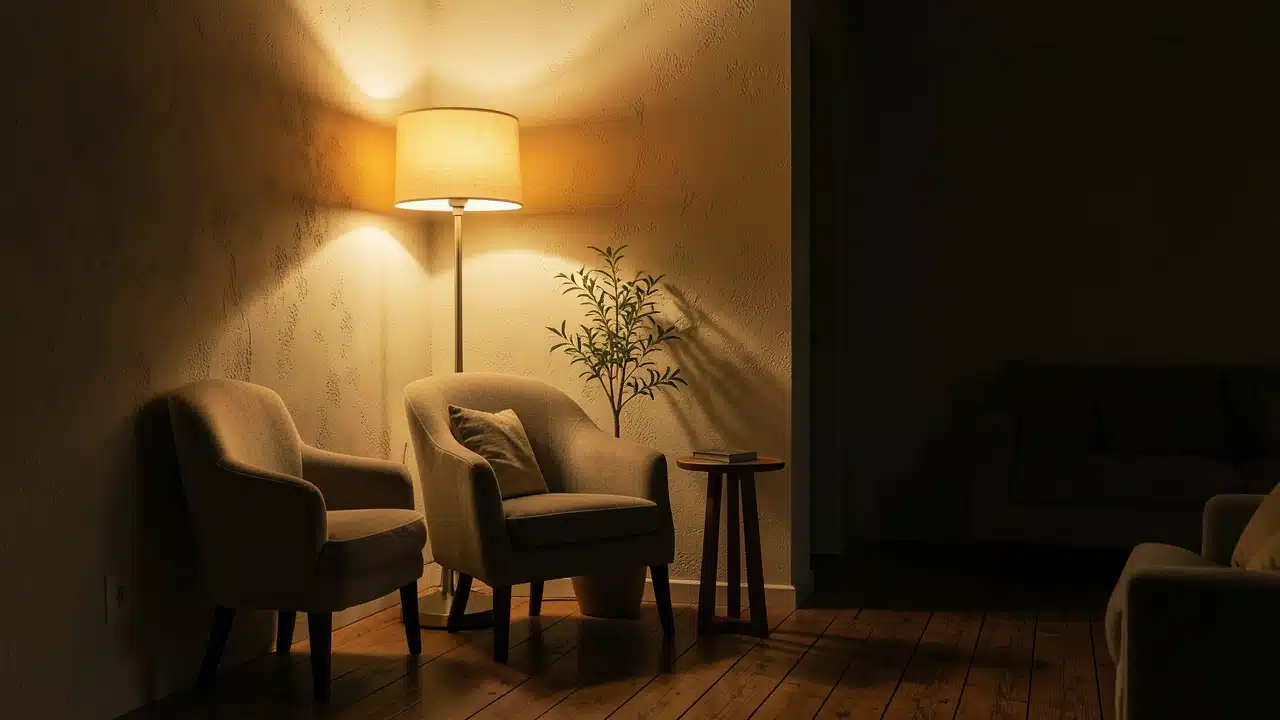
Placing a floor lamp in a corner transforms a room's atmosphere by replacing harsh overhead light with a soft, upward glow that softens shadows and adds visual height. This placement makes the space feel calmer and more layered, and in open layouts it defines zones and creates cozy nooks without structural changes. Shade material and bulb color temperature determine the final mood, but corner placement alone can make a small room feel larger while highlighting architectural features.
Putting a floor lamp in a corner changes your room’s atmosphere by softening shadows, adding height, and creating a warmer visual boundary.
Instead of harsh overhead light, it spreads a gentle glow across nearby walls, making the room feel calmer and more layered. It works especially well in empty corners, reading zones, or small living rooms.
Thinking about where to put that new floor lamp? It’s a simple choice, but it can really change how your room feels. Lighting is a big deal for comfort and mood.
So, understanding What Happens to Your Room’s Atmosphere When You Put a Floor Lamp in a Corner matters more than you might think.
Getting this right can make your space feel cozier, more inviting, and just plain better to be in. We’ll show you how this little placement trick can make a big difference.
Key Takeaways
- Placing a floor lamp in a corner can soften harsh overhead lighting.
- Corner lamps create a cozy ambiance and define zones within a room.
- The type of shade and bulb significantly impacts the mood a corner lamp sets.
- A corner lamp can make a room feel larger by drawing the eye upwards.
- Strategic placement can highlight architectural features or artwork.
- This placement helps reduce glare and eye strain compared to other light sources.
How Corner Placement Enhances Light Quality
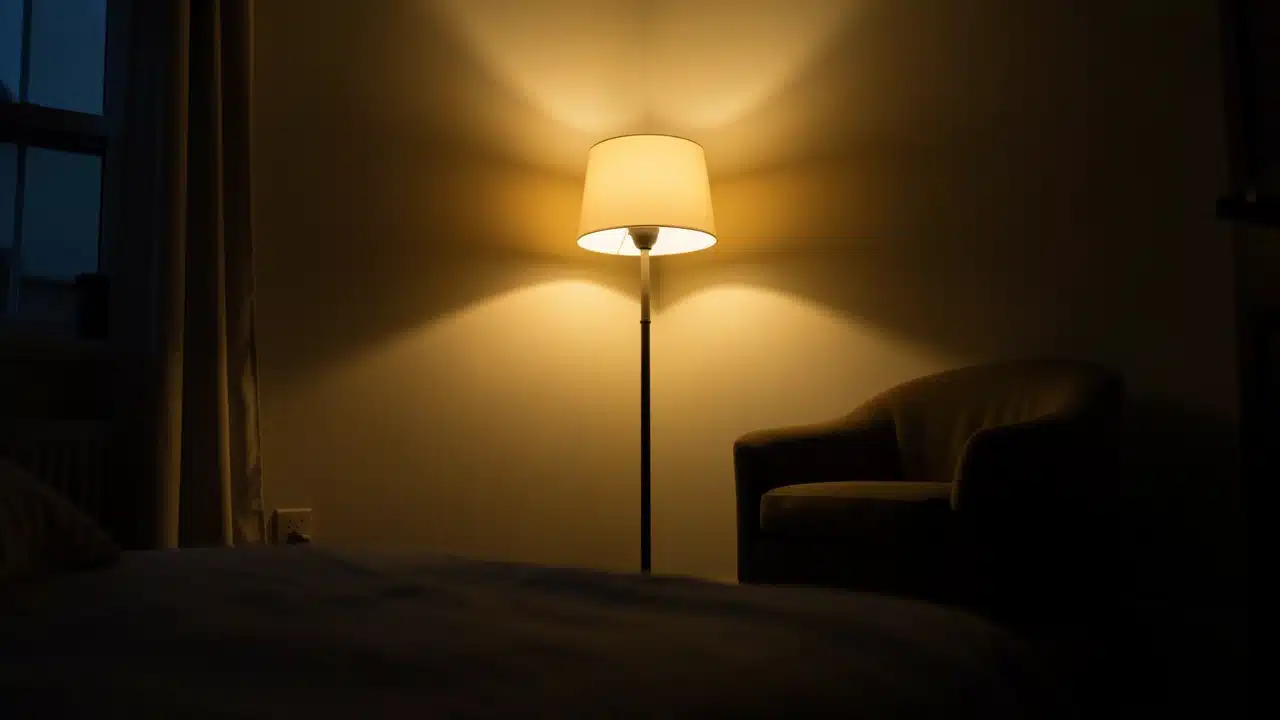
Overhead lights can sometimes feel too bright or create unflattering shadows. When you place a floor lamp in a corner, it becomes a secondary light source. This softer, diffused light fills the room gently.
It breaks up the starkness that a single overhead fixture can create. This change in light quality makes the whole room feel more relaxed and welcoming. It’s a simple way to improve the overall comfort of your living space.
Softening the Mood
A floor lamp in a corner provides ambient lighting. This means it spreads light around the room without being too direct. The light bounces off walls and ceilings.
This creates a much softer glow than a bright ceiling light. It’s ideal for creating a calming atmosphere after a long day. You can read a book or have a quiet conversation in this gentle light.
Reducing Shadows
Harsh overhead lights often cast deep, unflattering shadows. These shadows can make a room feel smaller or more dramatic than you want. A corner lamp helps to fill in these shadowy areas.
It creates a more even distribution of light. This makes the room feel more balanced and pleasant. The overall effect is a more inviting and comfortable environment for everyone.
Creating Ambiance and Defining Space
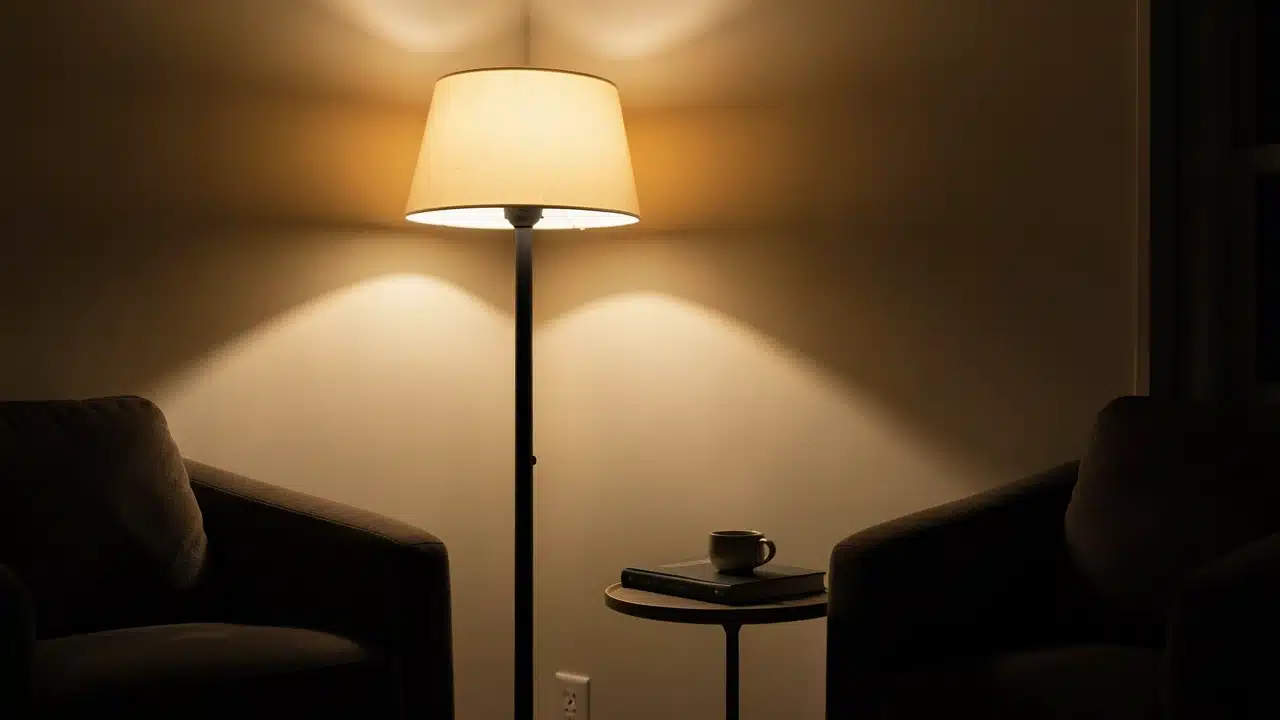
The placement of a floor lamp in a corner isn’t just about light; it’s about shaping how the room feels and functions.
This strategic positioning can transform a blank corner into a focal point. It can also help make larger rooms feel more intimate.
Understanding What Happens to Your Room’s Atmosphere When You Put a Floor Lamp in a Corner involves recognizing its power to set a mood. It can make your living area feel more lived-in and purposeful.
Establishing Cozy Nooks
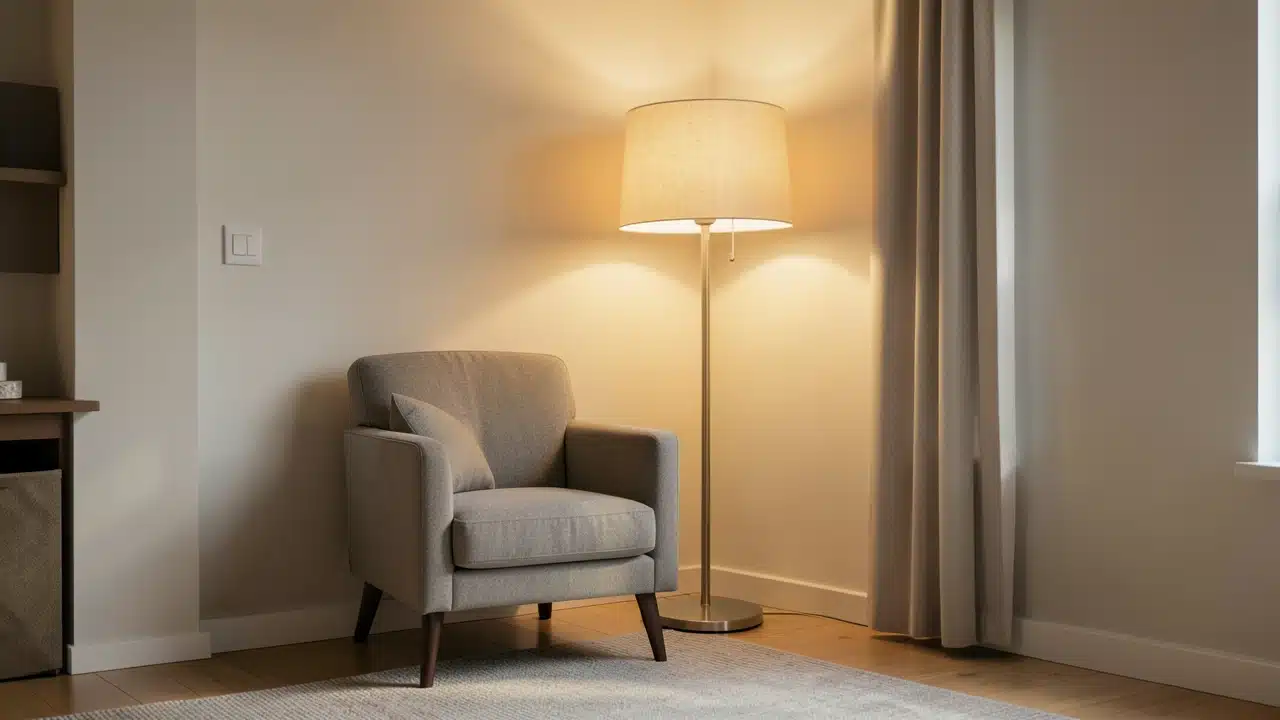
A floor lamp in a corner is perfect for creating a reading nook. Place a comfortable chair nearby, and you have a dedicated spot for relaxation.
The lamp’s light is focused enough for reading but also contributes to the overall warm atmosphere.
This creates a cozy retreat within the larger room. It makes the space feel more personal and inviting.
Zone Creation in Open Spaces
In open-plan homes, a floor lamp can subtly divide areas. Placing a lamp in a corner of the living area can help define that space. It signals that this is a distinct zone for relaxing or socializing.
This is especially useful when you want to make a large room feel less cavernous. It adds a sense of purpose to different parts of the home.
The Impact of Shade and Bulb Choice
The type of shade and the light bulb you choose for your floor lamp are crucial. They directly influence the light’s color and intensity. This, in turn, affects the room’s atmosphere.
A lamp with a thick, opaque shade will cast a softer, more diffused light. A clear shade will let more light through. The bulb’s color temperature also plays a big role.
Warm bulbs create a cozy feel, while cool bulbs are more energizing.
Shade Materials and Styles
Lampshades come in many materials like fabric, paper, or metal. A fabric shade, especially a light-colored one, will diffuse light beautifully. It spreads a soft glow across the corner and beyond.Darker or textured shades can create interesting patterns of light and shadow. The shape of the shade also matters. A wide shade can spread light further.
A narrow shade will focus it more.
Bulb Color Temperature and Brightness
Light bulbs have different color temperatures, measured in Kelvin (K). Lower Kelvin numbers (around 2700K) produce warm, yellowish light, like a sunset. This is great for creating a cozy, relaxing mood.
Higher Kelvin numbers (4000K and above) produce cooler, bluer light. This is better for tasks requiring focus, but can feel less inviting for relaxation. Brightness, measured in lumens, also matters.
For ambient corner lighting, you generally want a lower lumen count for a softer effect.
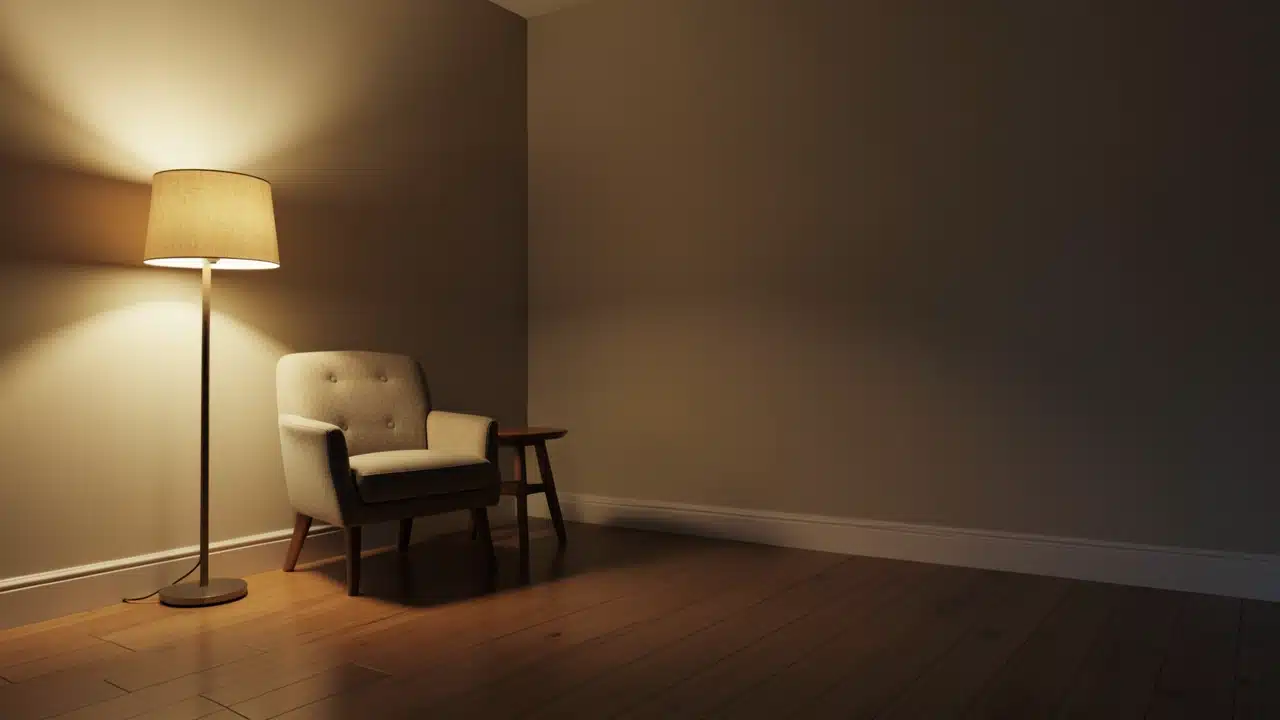
Visual Effects and Perceived Space
When you consider What Happens to Your Room’s Atmosphere When You Put a Floor Lamp in a Corner, think about how it affects your eyes.
Lighting can trick your brain into seeing a room differently. A well-placed lamp can make a space feel larger or more intimate.
It can also draw attention to certain features. This manipulation of perception is a powerful interior design tool.
Making Rooms Feel Larger
Placing a floor lamp in a corner can make a room feel more spacious. The light it casts can draw the eye upwards and outwards. This creates a sense of depth.
It makes the walls seem to recede. The light can also illuminate the ceiling. This further enhances the feeling of height and openness.
It’s a simple trick that can significantly impact the perceived size of a room.
Highlighting Architectural Features
A floor lamp can be used to draw attention to interesting parts of your room. Pointing the light towards a textured wall, a beautiful plant, or a piece of art can make them stand out. This adds visual interest and character to the space.
It turns a simple corner into a curated display. This makes the room feel more thoughtful and designed.
The Functional Benefits of Corner Placement
Beyond aesthetics, putting a floor lamp in a corner offers practical advantages. It’s an efficient way to add light without taking up valuable floor space. It also keeps the light source out of the main traffic paths.
This reduces the risk of bumping into it. The functional benefits contribute to a more comfortable and usable room.
Space-Saving Solutions
Floor lamps are designed to stand on their own. Placing one in a corner means you’re using often-underutilized space. This is a smart choice for smaller rooms or apartments.
It adds much-needed light without cluttering the center of the room. This keeps pathways clear and the room feeling open.
Reducing Glare and Eye Strain
Direct light sources, like a bare bulb or a lamp pointed straight down, can cause glare. This glare can be uncomfortable for your eyes. A corner lamp, especially with a diffused shade, directs light indirectly.
It bounces off surfaces, softening the intensity. This reduces eye strain, making the room more comfortable for extended periods.
This is a key part of understanding What Happens to Your Room’s Atmosphere When You Put a Floor Lamp in a Corner, as comfort is paramount.
Comparing Corner Placement to Other Lighting Setups
To truly appreciate What Happens to Your Room’s Atmosphere When You Put a Floor Lamp in a Corner, it helps to compare it.
Different lighting setups create vastly different moods. Understanding these differences highlights the unique benefits of corner placement.
It’s not just about having light; it’s about the quality and feel of that light.
Corner Lamp vs. Overhead Light
Overhead lighting is often the primary light source. It can be functional but can also feel harsh. It casts shadows directly below objects.
A corner lamp provides ambient, diffused light. It fills in shadows and creates a warmer, more inviting feel. While overhead lights are good for general visibility, corner lamps excel at creating atmosphere.
Corner Lamp vs. Table Lamp
Table lamps are great for task lighting on surfaces like end tables or desks. They provide focused light for reading or working. However, they can take up valuable surface space.
A corner floor lamp offers similar ambient qualities but doesn’t use up table real estate. It stands independently, providing a broader pool of light.
Corner Lamp vs. Wall Sconce
Wall sconces can add decorative lighting and can be great for accentuating walls. However, they require installation and are fixed in place. A floor lamp offers flexibility.
You can move it if you redecorate or want to change the room’s layout. A corner lamp provides a more substantial light source than most sconces.
| Overhead Light | General illumination | Can be harsh, functional | Minimal direct impact | Low (fixed installation) |
| Corner Floor Lamp | Ambient, mood lighting | Warm, cozy, inviting | Can make room feel larger, defines zones | High (portable) |
| Table Lamp | Task lighting, accent | Focused, intimate | Uses surface space, can clutter | Moderate (portable but needs surface) |
| Wall Sconce | Accent, ambient | Decorative, subtle | Uses wall space, minimal floor impact | Low (fixed installation) |
Troubleshooting Common Corner Lamp Issues
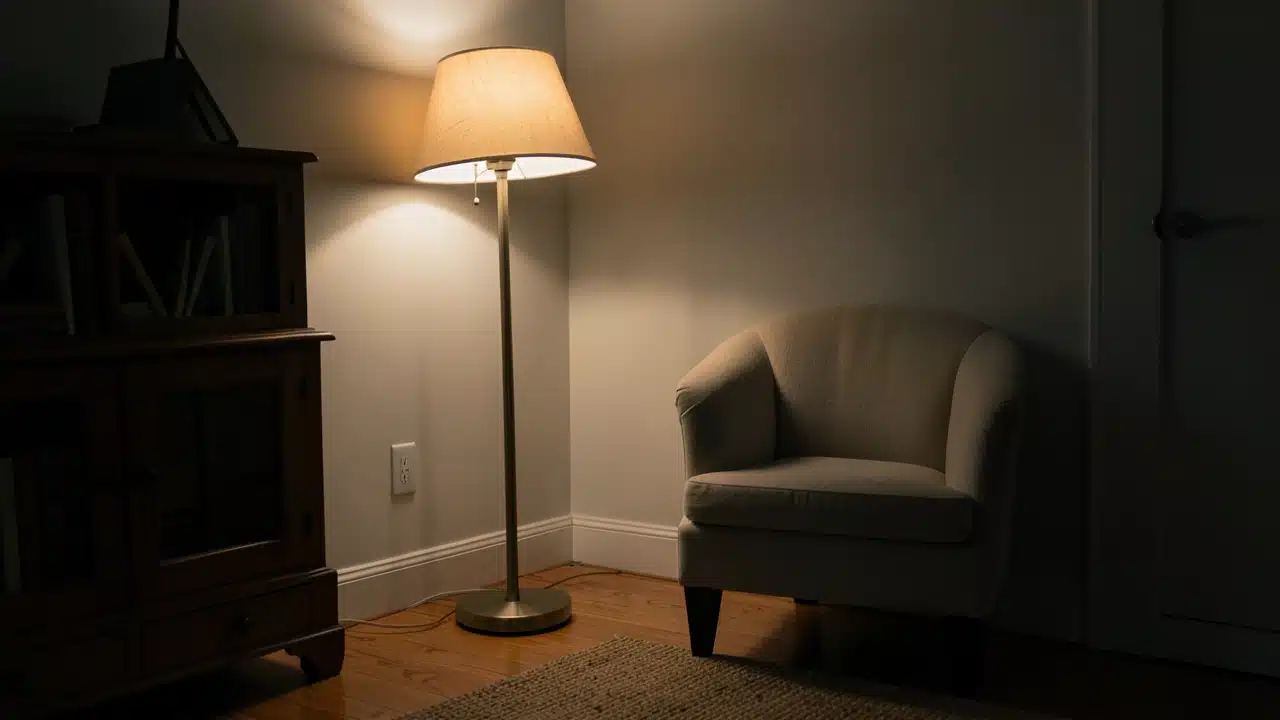
Even with the best intentions, sometimes a corner lamp doesn’t quite hit the mark. There are a few common issues people run into. Understanding these problems and their solutions can help you get the most out of your lighting.
It ensures you achieve the desired atmosphere.
Too Much Light or Too Little
If the corner lamp is too bright, it can overpower the room or create glare. If it’s too dim, it won’t provide enough ambient light. The solution is often as simple as changing the light bulb.
Experiment with different lumen counts and wattages. Also, consider the shade; a thicker shade diffuses light more, making it appear dimmer.
The Lamp Looks Out of Place
Sometimes a lamp might seem disconnected from the rest of the decor. Ensure the style and finish of the lamp complement your furniture. The height of the lamp is also important.
A lamp that is too short might look lost. A lamp that is too tall can feel imposing. Aim for a height that balances with your furniture. Using a floor lamp in a corner can make your space feel larger and more open.
Not Enough Impact on the Atmosphere
If you’ve placed a lamp in the corner and don’t feel a change, consider its placement. Is it too far back? Is it blocked by furniture? Proper lighting placement can reduce harsh shadows and create a more balanced room atmosphere.
Try moving it slightly forward or adjusting its angle. Also, ensure the light it emits is reaching the areas you want to illuminate. Sometimes, a second, smaller light source nearby can amplify the effect.
Frequently Asked Questions Of What Happens To Your Room’S Atmosphere When You Put A Floor Lamp In A Corner
How does a floor lamp in the corner affect the overall brightness of a room?
A floor lamp in the corner adds a layer of ambient light. It can soften harsh overhead lighting and fill in dark spots, making the room feel more evenly lit and comfortable.
Can placing a floor lamp in a corner make my room look bigger?
Yes, a well-placed corner floor lamp can make a room feel larger. The light it casts can draw the eye upwards and outwards, creating a sense of depth and openness.
What kind of light bulb is best for a floor lamp used for ambiance?
For ambiance, a warm-toned LED bulb (around 2700K) is ideal. It provides a soft, inviting glow that promotes relaxation. Avoid very bright or cool-toned bulbs.
Should I worry about glare when using a floor lamp in a corner?
With a floor lamp in a corner, especially one with a diffused shade, glare is usually minimal. The light is indirect, bouncing off walls and ceilings, which is much gentler on the eyes.
How do I choose the right height for a floor lamp in a corner?
The shade of a corner floor lamp should typically be at or slightly above eye level when you are seated. This ensures the light is directed comfortably and effectively.
What happens to the atmosphere of a room when you put a floor lamp in a corner for reading?
When used for reading, a floor lamp in a corner creates a cozy, focused zone. It provides sufficient light for the task while maintaining a warm and inviting overall room atmosphere.
Final Thoughts
Placing a floor lamp in a corner is a simple yet effective way to improve your room. It adds warmth, reduces harsh shadows, and can even make your space feel larger. Experiment with different lamps and bulbs to find what works best for your home.