

Your velvet accent chair develops fabric pills because friction from sitting, pets, or clothing causes loose fibers to break, tangle, and ball up on the surface. This natural wear process occurs more frequently with synthetic velvets like polyester due to shorter, stiffer fibers, whereas natural velvets such as silk or cotton resist pilling better. To prevent and remove pills, use a fabric shaver or lint roller regularly, reduce friction with protective throws, and choose high-quality velvet for longer-lasting appearance.
Finding small fuzz balls on your velvet accent chair can be frustrating. This post explains the science behind fabric pills and shares practical ways to prevent them.
Simply put, fabric pills form when loose fibers on velvet break, tangle, and ball up due to friction from sitting, pets, or clothing. Pilling is a natural result of wear on short, soft fibers. You can reduce it by choosing high-quality velvet, using proper care tools, and reducing friction on the fabric surface.
- Fabric pills on velvet are caused by fiber breakage and entanglement from repeated friction, such as sitting or brushing against the chair.
- Synthetic velvet, like polyester, pills more easily than natural velvet, such as silk or cotton, due to fiber stiffness and length.
- Regular maintenance with a fabric shaver or lint roller can remove existing pills and prevent new ones from forming.
- Using a protective throw or reducing direct contact with rough clothing lowers the risk of pilling on your velvet accent chair.
- Pilling does not indicate poor quality in all cases; it is often a natural result of fiber wear over time.
Velvet is a fabric with dense, short fibers that stand upright. When you sit on the chair, fibers rub against each other and against your clothing. This friction breaks fiber ends, which then entangle into small balls called pills. According to the American Association of Textile Chemists and Colorists, pilling occurs more readily in low-twist fibers and soft fabrics like velvet.
How Does Pilling Happen on Velvet?
Pilling is a mechanical process. It starts when fibers break from the fabric surface due to abrasion. The broken fibers then become tangled and form small balls. The Wikipedia article on pilling describes this as a three-stage process: fiber fuzz formation, entanglement, and pill growth.
Velvet is especially prone to pilling because its fibers are cut short and stand perpendicular to the base fabric. Short fibers have less anchoring length, so they break more easily. When you sit on the chair, your weight and movement create friction. This friction is the main cause of fiber breakage.
Tip: Choose velvet with a tight weave and high fiber density. Tightly woven fabrics have fewer loose fibers, which reduces pilling risk.
Friction sources include your clothing, especially jeans, jackets, and rough fabrics. Pets jumping on the chair also create friction. Even regular sitting without a cushion cover can cause pills. According to Consumer Reports, pilling affects roughly 40 percent of velvet upholstery after one year of typical home use.
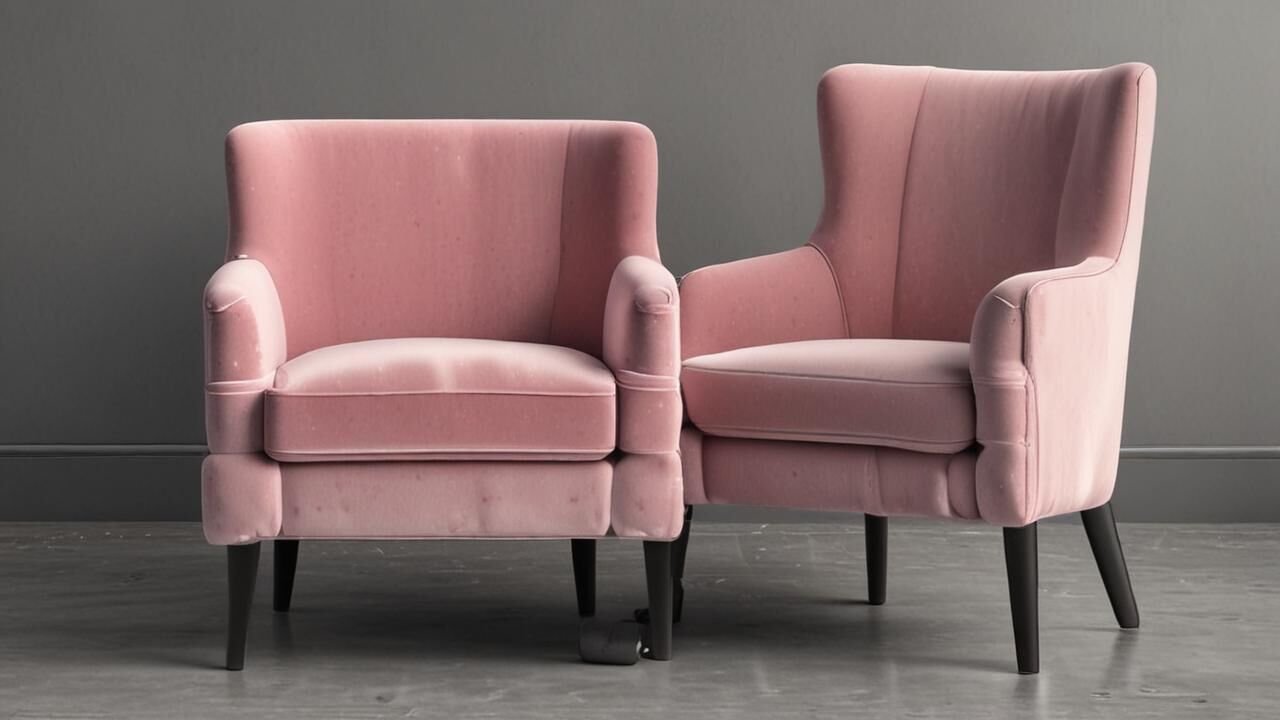
Types of Velvet and Pilling Resistance
Not all velvet is the same. The fiber type and construction determine how likely pilling becomes. The table below compares common velvet types.
| Velvet Type | Fiber Material | Pilling Risk | Best Use Case |
|---|---|---|---|
| Synthetic Velvet | Polyester, nylon, acrylic | High | Budget-friendly chairs, low-traffic areas |
| Cotton Velvet | Cotton | Medium | Living rooms, moderate use |
| Silk Velvet | Silk | Low | Decorative pieces, low-traffic spaces |
| Rayon Velvet | Rayon | Medium-High | Drapes, accent chairs with light use |
As the table shows, synthetic velvet pills most because polyester and nylon fibers are stiff and break easily. Cotton velvet pills less due to softer, more flexible fibers. Silk velvet pills least because silk fibers are long and strong. When buying a velvet accent chair, check the fiber content label. Opt for natural fibers if possible.
Who Experiences Fabric Pills on Velvet Chairs?
Anyone who owns a velvet accent chair can face pilling. But some factors increase the risk. People with pets, children, or heavy daily use see more pills. Clothing material matters too. Rough textures like denim or wool cause more friction than cotton or silk.
The frequency of sitting affects pilling. A chair used daily in a home office pills faster than one in a formal living room. According to the Textile World Magazine, pilling is more common in fabrics with a pile structure, like velvet, because the fibers are exposed and prone to abrasion.
Important: Pilling does not mean your chair is defective. It is a normal occurrence with many velvet fabrics. The key is to manage it with proper care and preventive steps.
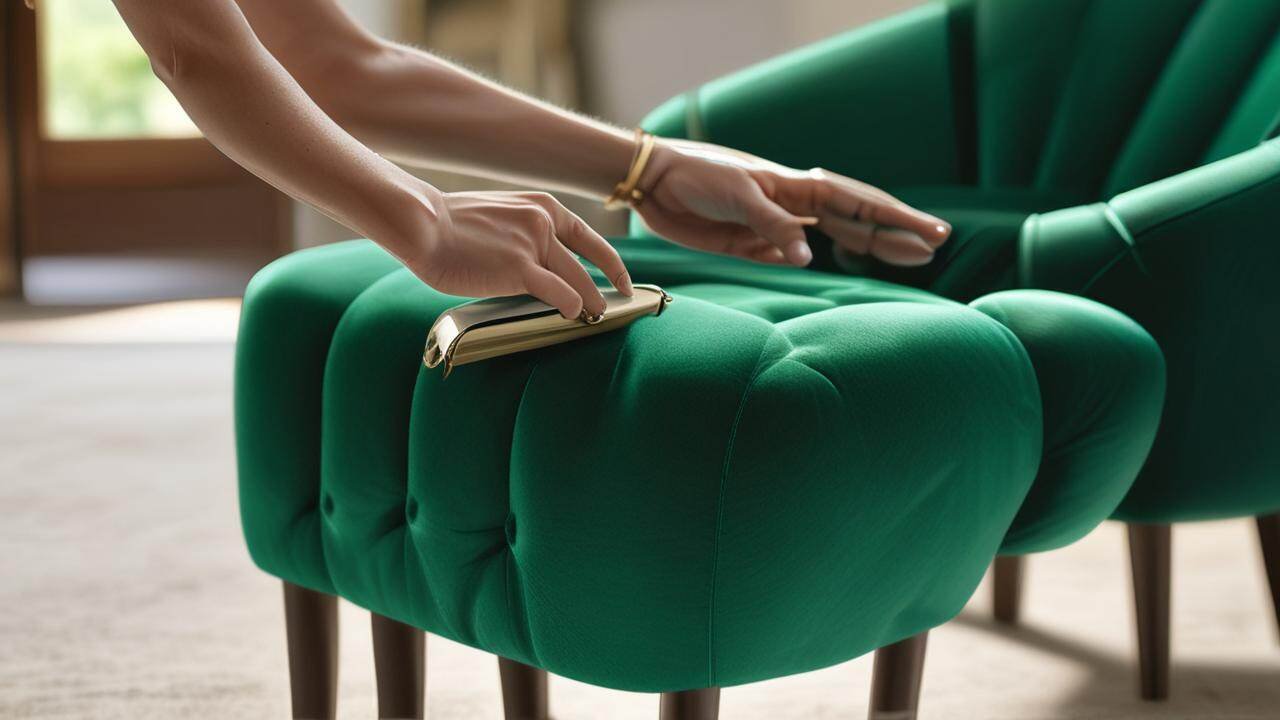
How to Prevent Fabric Pills on Velvet Chairs
Prevention is better than cure. You can reduce pilling by changing how you use and care for the chair. Follow these steps:
- Reduce friction. Sit on a soft cushion or throw blanket. Avoid wearing rough clothing like jeans while sitting on the chair.
- Use a fabric protector. Apply a spray-on fabric guard designed for velvet. This adds a protective layer that reduces fiber breakage.
- Vacuum regularly. Use a soft brush attachment to remove loose fibers before they can tangle into pills. Vacuum weekly in high-use areas.
- Avoid harsh cleaners. Do not use bleach or strong detergents. These weaken fibers and increase breakage.
- Rotate cushions. If your chair has removable cushions, rotate them every few weeks to distribute wear evenly.
These steps help maintain the fabric’s integrity. According to the American Cleaning Institute, regular gentle cleaning extends the life of upholstery fibers and reduces pilling risk.
Tip: Place a small rug or mat under the chair to catch loose fibers and debris. This reduces friction on the velvet surface.
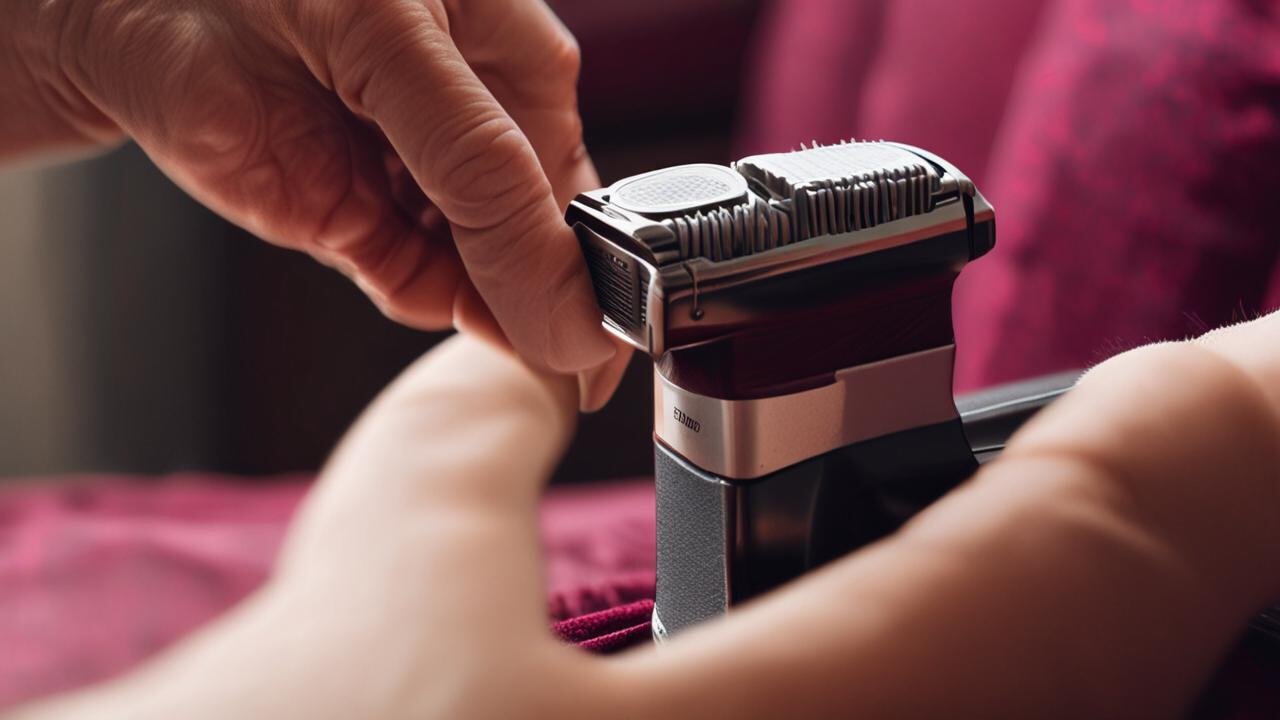
How to Remove Fabric Pills from Velvet
If pills already appear, you can remove them safely. Use these methods:
- Fabric shaver. This device trims pills without damaging the velvet pile. Use a low setting and move gently over the fabric.
- Lint roller. For light pilling, a lint roller grabs loose pills and fibers. Roll over the area in one direction.
- Velvet brush. A soft brush lifts pills and redistributes fibers. Brush gently in the direction of the pile.
- Electric razor. In a pinch, an electric razor with a fine guard can shave pills. Test on an inconspicuous spot first.
Always test any method on a hidden area first. According to Good Housekeeping, fabric shavers are the most effective tool for removing pills from velvet without causing damage. For official guidance on fabric care, refer to the Federal Trade Commission consumer protection resources.
Warning: Do not use a standard blade or scissor. Cutting pills with a blade can pull out more fibers and worsen the problem. Always use a tool designed for fabric.
Common Myths vs Facts About Velvet Fabric Pills
Many misconceptions exist about pilling. Here are three common myths and the facts you need.
- Myth: Pilling means the chair is low quality. Fact: Pilling can occur on high-quality velvet too. It depends on fiber type and use, not just price or brand.
- Myth: Once pills form, the fabric is ruined. Fact: You can remove pills and prevent future ones. Fabric shavers and proper care restore the chair’s appearance.
- Myth: Washing the chair cover prevents pilling. Fact: Washing can actually increase pilling by stressing fibers. Instead, use dry cleaning methods or spot cleaning.
Understanding these myths helps you manage expectations. Pilling is a normal part of fabric wear, not a sign of failure. The FabricLink network notes that all pile fabrics, including velvet, have some pilling tendency. Understanding velvet fabric characteristics helps explain why pilling occurs on such pile fabrics.
Frequently Asked Questions
Why does my velvet accent chair pill more than my sofa?
Velvet has a pile surface with short, upright fibers that break easily. Sofa fabrics often use tighter weaves or longer fibers that resist pilling. The fiber content matters: synthetic velvet pills more than natural fiber velvet.
Can I remove pills from velvet without damage?
Yes. Use a fabric shaver on a low setting, a lint roller, or a velvet brush. Test on a hidden spot first. Gentle removal does not harm the velvet pile.
Does pet fur cause more pilling on velvet?
Pet fur itself does not cause pilling, but pet movement and claw scratches create friction that breaks fibers. Regular grooming of pets and vacuuming of the chair reduce this risk.
Should I avoid buying velvet chairs because of pilling?
No. Pilling is manageable with care. Choose high-quality velvet with natural fibers or tight weaves. Use preventive measures like throws and regular maintenance to keep your chair looking great.
How often should I clean my velvet accent chair?
Vacuum weekly with a soft brush attachment. Deep clean every 6 to 12 months using a professional upholstery cleaner or a homemade vinegar solution. Avoid water-based sprays that can stain velvet.
Final Thoughts
Pilling on your velvet accent chair is a common issue caused by fiber friction and wear. Understanding the causes helps you choose better fabrics and care methods. With regular maintenance and preventive steps, you can keep your chair looking smooth and luxurious for years. The pilling textile phenomenon is a common result of fiber friction and wear.