

It is time to replace your lift chair for good when the motor fails or struggles, the frame is bent or wobbly, or the upholstery is ripped and foam compressed, as these conditions create safety risks and reduce mobility. A chair that no longer fits your body properly or lacks modern safety features like battery backup and zero-gravity positioning also warrants immediate replacement. Replacing an unsafe lift chair restores reliable support, prevents falls and pressure sores, and ensures your independence and peace of mind.
Your lift chair used to lift you smoothly. Now it jerks, hesitates, or makes strange noises.
Quick Verdict: In short, you need to replace your lift chair for good when the motor struggles, the frame is damaged, or the upholstery no longer supports your body. A failing lift mechanism or torn fabric creates safety risks and reduces your independence. Replacing it restores reliable mobility and peace of mind.
Key Takeaways
- A lift chair with a failing motor that grinds, stops mid-cycle, or runs slowly is unsafe and should be replaced immediately.
- Worn-out foam and torn upholstery reduce pressure relief and can directly cause skin breakdown and pressure sores over time.
- An older lift chair that lacks battery backup or a zero-gravity position does not meet modern safety and comfort standards.
- Your lift chair must match your current height, weight, and mobility level for safe transfers and fall prevention.
- Repairing a lift chair is often cost-effective only if it covers a simple electrical issue; motor or frame damage usually means full replacement.
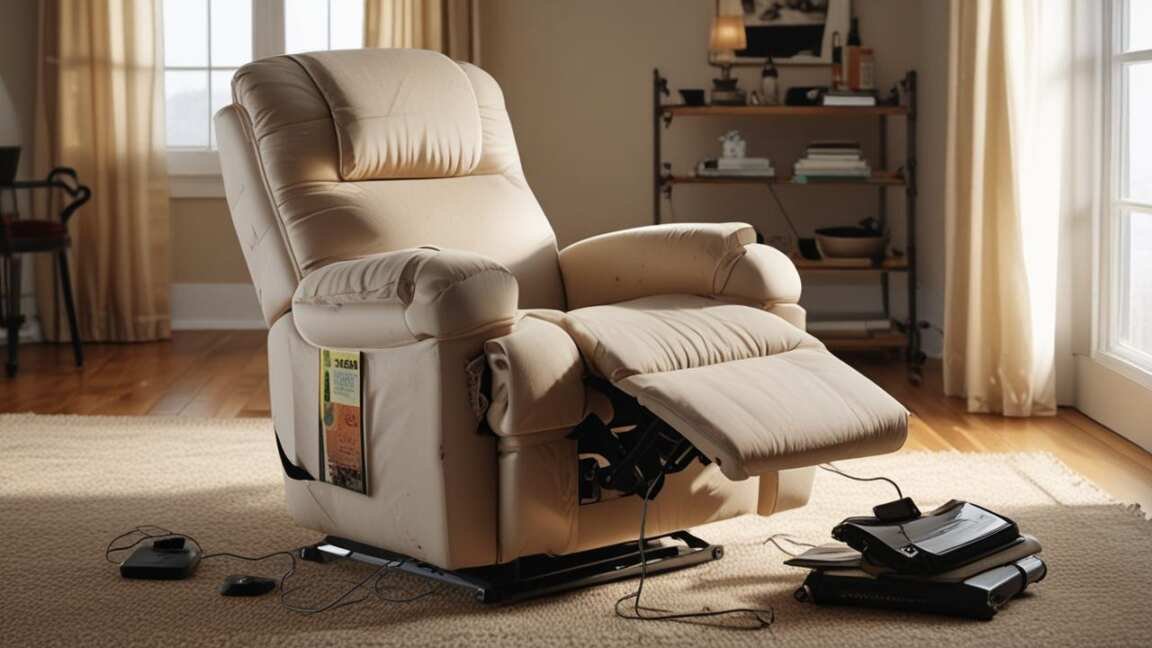
Signs Your Lift Chair Needs Replacement
Not every mechanical problem requires a new chair. But some issues are clear signals that the unit has reached the end of its useful life. Below are the most common signs that point to a necessary replacement.
1. The Lift Motor Fails or Struggles
The motor is the heart of a lift chair. If it makes grinding noises, operates slowly, or stops halfway, the internal gears are wearing out. According to the FDA’s Manufacturer and User Facility Device Experience database, motor failure is one of the most frequently reported safety issues for powered lift chairs.
A motor that struggles to lift a person who is within the weight limit is dangerous. It can get stuck in a reclined position, trapping the user. In most cases, a failing motor requires complete chair replacement rather than a simple motor swap.
Warning: Do not try to lubricate a grinding lift motor. Grinding noises mean the gears have lost their teeth, not that they need grease. Lubrication will not fix the problem and can create a fire hazard.
2. The Frame Is Visibly Bent or Wobbly
The steel frame inside a lift chair supports your full body weight during every transition. If the frame is bent, cracked, or excessively wobbly, the structural integrity is gone. A bent frame will never straighten out. It is a permanent loss of stability.
Wobbliness often comes from repeated stress on the hinge points. Over time, the metal fatigues and develops hairline cracks. The National Safety Council recommends replacing any power-operated furniture that shows signs of frame deformation or instability.
3. The Upholstery Is Ripped or the Foam Is Compressed
When the foam seat cushion becomes compressed, you are essentially sitting on a hard board. This reduces blood flow and increases pressure on the tailbone. The Journal of Wound Care states that pressure ulcers can develop in as little as two hours of constant pressure on a hard surface.
Tears in the fabric also pose a danger. Loose threads or exposed foam can catch on clothing or medical tubing. A lift chair with damaged upholstery cannot provide the pressure relief your body needs.
4. It No Longer Fits Your Body Properly
Your body changes over time due to weight fluctuations, muscle loss, or surgery. A lift chair that fit you five years ago may no longer support you correctly. The seat width should allow your hips to rest comfortably without pinching. The backrest should support your entire spine.
A chair that is too small can cause pain and increase fall risk. A chair that is too large may not tip you forward enough for a safe standing position. Correct fit is essential for safe use.
5. It Lacks Modern Safety Features
Current lift chair models offer features that did not exist ten or fifteen years ago. Battery backup allows the chair to return to an upright position during a power outage. Zero-gravity positioning reduces pressure on the spine and improves circulation.
If your chair does not have these features, it may not meet the safety standards expected today. The AARP recommends choosing a lift chair that includes battery backup and a medical-grade power system.
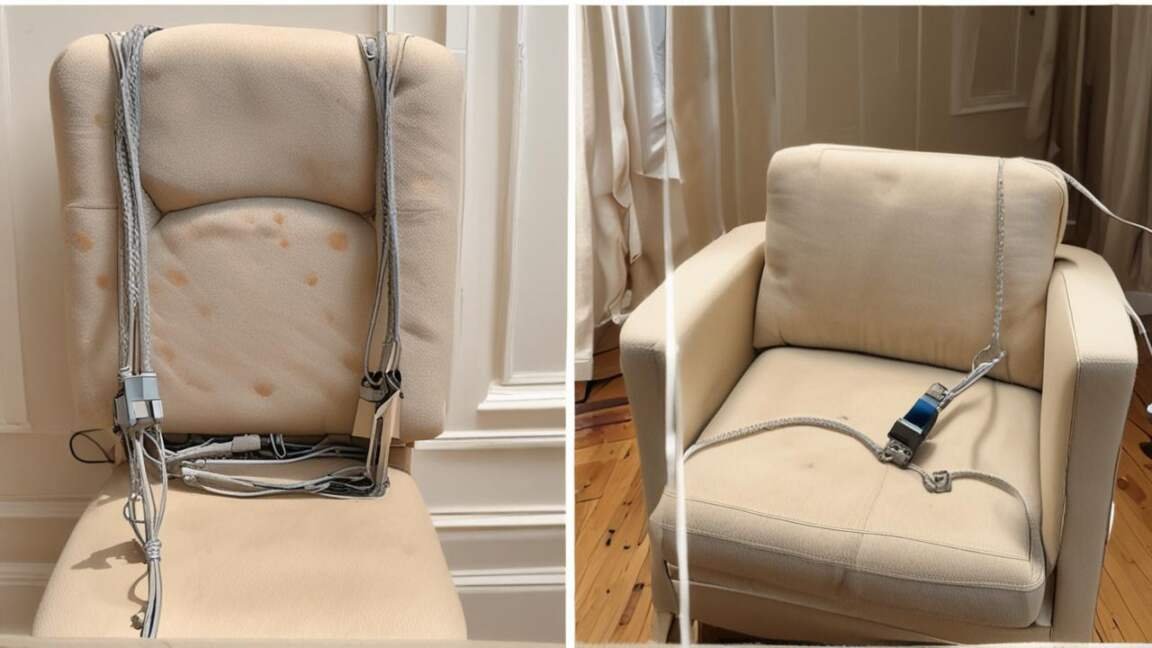
Common Lift Chair Problems vs. Easy Fixes
Some issues are simple to resolve. Others indicate end-of-life failure. The table below helps you decide whether to repair or replace your lift chair.
| Issue | Easy Fix | Time to Replace |
|---|---|---|
| Chair will not lift at all | Check remote batteries or hand control cable | Motor failure is a replacement signal |
| Chair moves very slowly | Inspect the transformer for overheating | Worn gearbox or motor typically cannot be repaired |
| Fabric is pilling or fading | Light pilling is normal | Tears or compressed foam mean replacement |
| Chair wobbles side to side | Tighten bolts and screws on the frame | Bent or cracked steel means immediate replacement |
| Transformer is hot to the touch | Ensure the power cord is not coiled | Frequent overheating indicates a failing transformer |

How to Test the Safety of an Older Lift Chair
You can perform a simple safety inspection on your current lift chair. This test takes about ten minutes. It helps you determine if the unit is safe enough to keep.
- Inspect the power cord and plug. Look for frayed wires, exposed copper, or a bent prong. The National Fire Protection Association notes that faulty electrical cords are a leading cause of home fires. Replace the chair if the cord is damaged.
- Test the emergency stop feature. Most lift chairs have a manual release lever or a stop button. Make sure these work properly. If the chair does not stop when you press the button, the control board may be faulty.
- Check the motor box for leaks or heat. Touch the motor housing after a full lift cycle. It should be warm, not hot. Oil leaks from the motor assembly mean the seals have failed. Leaks are a reliable sign that the lift chair needs to be replaced.
- Assess the frame for cracks. Gently rock the chair from side to side while it is in the upright position. Listen for creaks or pops. Any metallic cracking sound suggests frame fatigue.
- Review the user manual. Look for the manufacturer’s recommended lifespan. Many brands suggest replacing the unit after 10 to 15 years of daily use. Beyond that timeframe, the entire system is considered end-of-life.
Tip: Keep a log of how often your lift chair has required repairs. Frequent service calls are a strong indicator that the overall system is wearing out. It is usually more cost-effective to buy a new lift chair than to keep repairing an old one.

Why Replacing a Lift Chair Matters for Your Health
Delaying replacement of a worn lift chair can lead to serious health consequences. The chair is not just a piece of furniture. It is a medical device that supports your mobility and safety.
Pressure Sores and Skin Breakdown
A compressed foam cushion puts direct pressure on the bony parts of your body. The sacrum and tailbone are especially vulnerable. A study published in the Journal of the American Geriatrics Society found that appropriate seating surfaces significantly reduce the risk of pressure injuries in older adults. If your chair’s foam no longer springs back, it cannot protect your skin.
Increased Fall Risk
A lift chair that struggles to lift you to a full standing position forces you to compensate. You may lean forward or push off the armrests with extra force. This instability increases your risk of falling. According to the CDC, falls are the leading cause of injury among adults over 65. A reliable lift chair is a key tool for fall prevention.
Muscle Strain and Joint Pain
When a chair stops working correctly, your body works harder. You use your arms and back to pull yourself up. This places stress on your shoulders, knees, and lower back. Over time, this strain can lead to chronic pain or even injury.

What Is the Typical Lifespan of a Lift Chair?
Most manufacturers design lift chairs to last between 10 and 15 years with regular use. This estimate depends on several factors. Usage frequency is the biggest one. A chair used multiple times per day will wear out faster than one used only a few times.
Weight load also affects lifespan. A chair operated at its maximum weight capacity every cycle will experience more stress on the motor and frame. Environmental factors like humidity and temperature can also degrade the electronics over time.
Brand quality plays a role as well. High-end brands like Golden Technologies and Pride Mobility often use heavier gauge steel and higher-rated motors. These chairs typically last longer than budget models. Always verify that the unit carries an UL or ETL safety certification, which indicates it has passed independent testing.
Important: Even if your lift chair is only 8 years old, check the manufacturer’s date code. Some brands recommend replacement after 10 years regardless of condition. The materials degrade over time even with light use.
Common Myths vs. Facts About Lift Chair Replacement
There are several misconceptions about when a lift chair should be replaced. Knowing the facts can help you make a safer decision.
Myth 1: A loud motor just needs to be lubricated.
Fact: A grinding or squealing motor means the internal bearings are worn out. Lubrication will not fix this problem. The noise is metal rubbing against metal, not a lack of grease. A noisy motor is a clear sign of mechanical failure. You should replace the lift chair before the motor seizes completely.
Myth 2: You can fix a sagging seat by adding a cushion.
Fact: Adding a cushion provides temporary comfort but does not fix the underlying problem. The sagging means the foam is permanently compressed and the frame may be flexing. A cushion can also raise your body position, which changes the ergonomics of the lift mechanism. This can make standing up less safe. Replace the chair to restore proper support. Your provider can determine if a medically necessary chair qualifies for Medicare coverage.
Myth 3: Medicare will pay for a replacement lift chair.
Fact: Medicare Part B covers a lift chair only if it is medically necessary and prescribed by a doctor. Even then, Medicare covers only the “seat lift mechanism” portion. You are responsible for the cost of the chair frame and upholstery. Replacement chairs are rarely covered under the same prescription. Check with your provider for specifics. For general information about lift chairs, including when to consider a lift chair replacement, Wikipedia provides a comprehensive overview.
Frequently Asked Questions
How long should a lift chair last before needing replacement?
Most lift chairs last between 10 and 15 years with regular daily use. Factors like motor quality, weight capacity, and usage frequency affect the actual lifespan. Chairs used multiple times per day often wear out closer to the 10-year mark.
Can I replace just the lift mechanism on my chair?
In some cases, yes, but it is often not cost-effective. The lift mechanism itself can cost several hundred dollars. If the chair also has a worn frame or compressed foam, you are better off buying a new lift chair. Labor costs for installation also add to the total expense.
Is it safe to use a lift chair with a worn motor?
No. A worn motor can fail at any time. If the motor stops while the chair is in a reclined position, you could become trapped. This is a serious safety risk. Replace the chair as soon as you notice motor problems.
What are the signs that a lift chair transformer is failing?
A failing transformer often makes the chair move very slowly or only work when it is cool. The transformer itself may feel excessively hot. If the chair runs fine in the morning but struggles in the afternoon, the transformer is likely the cause.
When should I replace my lift chair instead of repairing it?
Replace the chair if the frame is damaged, the motor is failing, or the foam is permanently compressed. Repair is a good option only if the chair is still under warranty and the problem is a simple electrical issue like a bad remote or loose wire. For major components, replacement is usually smarter.
Final Thoughts
Your safety and independence depend on a fully functional lift chair. If you notice motor struggles, frame instability, or a loss of comfort, it is time to replace it. A modern lift chair with battery backup and proper ergonomic support will keep you safe at home for years to come. Understanding Medicare Part B coverage for durable medical equipment is essential when evaluating lift chair options.