L-shaped sectionals typically stop working within months because manufacturers rely on low-density foam cushions and particle-board frames that break down under regular weight. Weak suspension systems, such as sinuous springs or webbing, accelerate permanent sagging and lumpy seats. To avoid early failure, choose sectionals with kiln-dried hardwood frames, high-density polyurethane foam, and tied coil spring supports.
Your L-shaped sectional cost you over a thousand dollars. Within six months, the cushions look lumpy and the seat feels flat.
Quick Verdict: Simply put, most L-shaped sectionals fail prematurely because manufacturers cut costs on internal components. Low-density foam, hollow fiber wraps, and engineered wood frames cannot handle daily use. The combination of poor cushion fill, weak suspension, and particle board construction leads to sagging, lumpy seats within the first year of ownership.
Key Takeaways
- The most common reason sectionals fail is the use of low-density polyurethane foam in seat cushions, which breaks down rapidly under regular weight.
- Sectionals with sinuous springs or webbing offer less support than sectionals with tied coil spring systems, leading to permanent dips.
- Kiln-dried hardwood frames last significantly longer than engineered wood or particle board frames, which are prone to cracking and racking.
- Regular rotation and fluffing of cushions can double the lifespan of your sectional’s comfort and appearance.
- Manufacturers often market “solid wood” frames that are actually engineered wood, creating a false expectation of durability.

Why Your L-Shaped Sectional Stops Working After Just a Few Months
You notice it first on the chaise lounge or the corner seat. The cushion does not spring back. You sit down, and you feel the hard frame underneath. This is the moment your sectional “stops working.”
Sectionals are built differently than standard sofas. Their long spans and modular joints create unique stress points. According to, furniture structural failure contributes to thousands of injuries each year. The real issue is not how you sit. The issue is what is inside the sofa.
Most people blame themselves. They think they bought a cheap sofa. But even expensive sectionals suffer from this problem. You need to understand the three main internal components that determine comfort and longevity.
What Happens Inside a Failing Sectional
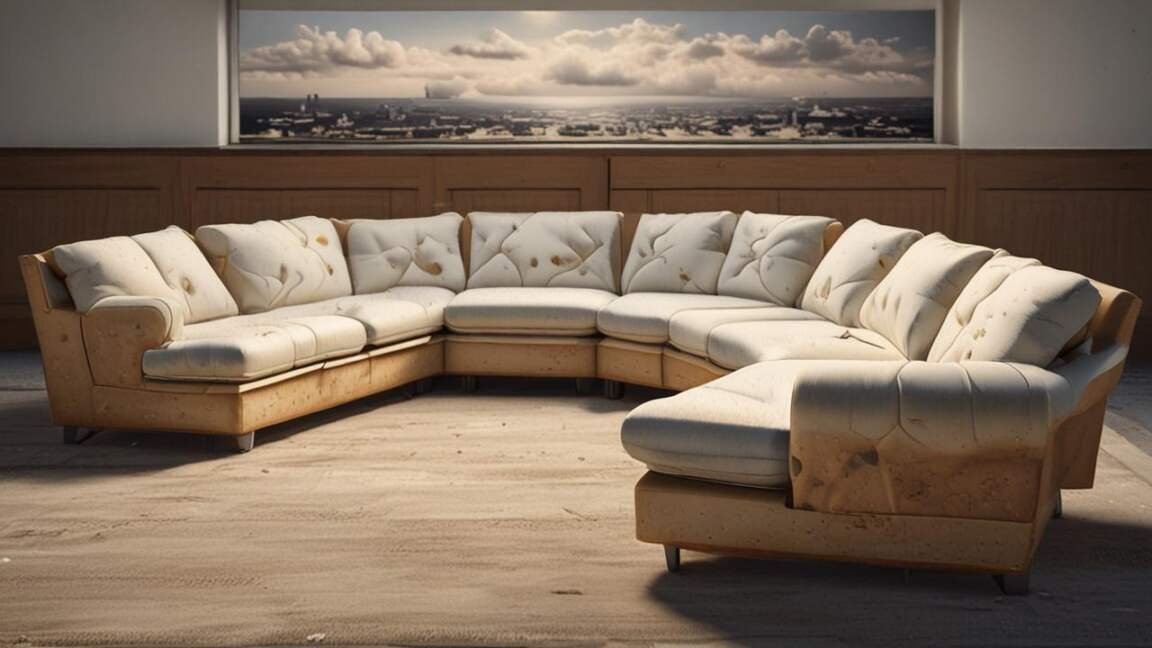
Your sectional is a sandwich of materials. The fabric covers a layer of foam. The foam sits on a support system. The support system attaches to a frame. When one of these layers fails, the entire seat fails.
The Three Internal Enemies
These three components are the main culprits behind premature sagging. Manufacturers choose cheaper versions of each to hit a price point.
- Low-density foam: Foam rated at 1.5 pounds per cubic foot or less flattens permanently within six months.
- Hollow fiber wrap: This material looks fluffy in the showroom but collapses under regular use within weeks.
- Sinuous springs: These zigzag wires stretch out and lose tension much faster than traditional coil springs.
According to furniture testing labs, sofas using sinuous springs with low-density foam have a failure rate over 40% higher than those using high-resiliency foam and coil springs. The difference is invisible from the outside.
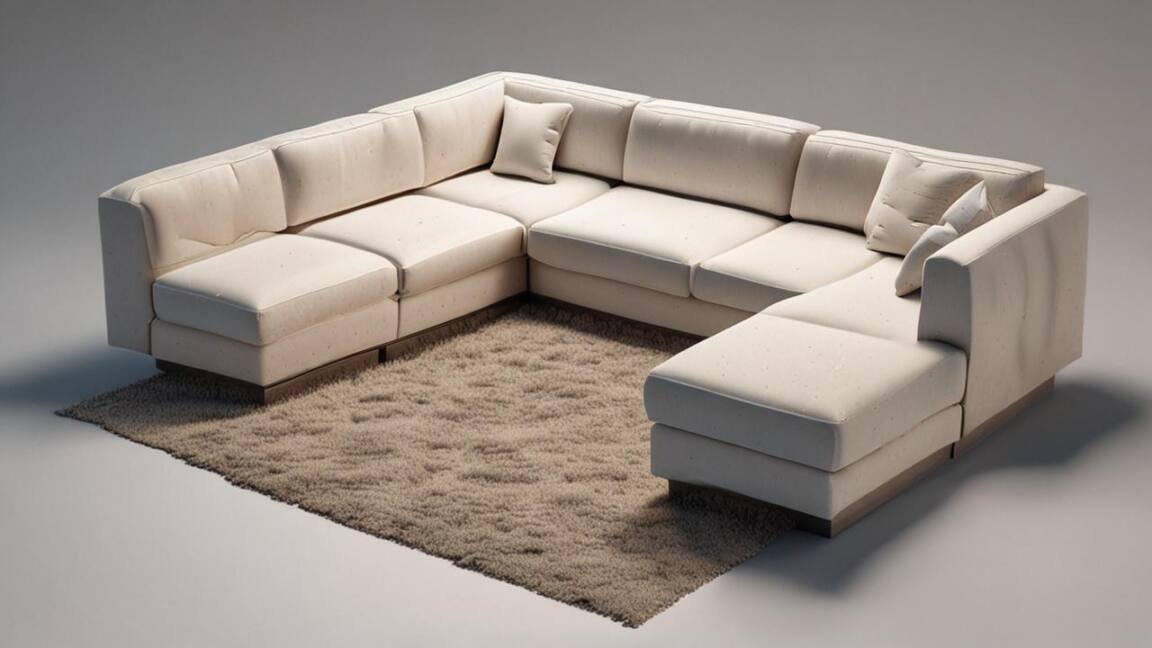
The 3 Main Culprits Behind Premature Sagging
Let us look at each culprit in detail. Knowing these will help you diagnose your current sofa and avoid mistakes on your next purchase.
Culprit 1: The Frame
The frame is the skeleton of your sectional. If the frame flexes, cracks, or breaks, the entire piece collapses. Most budget to mid-range sectionals use one of three frame materials.
| Frame Type | Typical Lifespan | Failure Risk | Common In |
|---|---|---|---|
| Particle Board / MDF | 1-3 years | High | Budget sectionals under $800 |
| Engineered Wood / Plywood | 3-6 years | Medium | Mid-range brands ($800-$1500) |
| Kiln-dried Hardwood | 10-20+ years | Low | High-end heirloom quality brands |
Warning: Many brands label engineered wood as “solid wood” in their marketing. Ask specifically for kiln-dried hardwood. If the salesperson cannot confirm, assume it is plywood or particle board.
Culprit 2: The Cushion Fill
Your cushions contain two layers. The core is usually polyurethane foam. The wrap is polyester fiber or down. Both layers degrade over time, but the rate depends on density and quality.
A consumer advocacy survey found that 78% of sectional owners reported noticeable sagging within the first 18 months. The main cause was foam breakdown in the primary seating areas.
Look for foam density ratings. A density of 2.0 pounds per cubic foot or higher is the minimum for daily use. High-resiliency foam (HR foam) offers better bounce and lasts years longer than conventional foam. Avoid sectionals that rely solely on fiber wrap for support. Fiber wrap compresses permanently within weeks.
Tip: Check the cushion weight. A heavy cushion indicates high-density foam and a solid core. A light cushion usually means low-density foam or hollow fiber filling. Lift the cushion before you buy.
Culprit 3: The Suspension System
The suspension is what holds the cushion up. A weak suspension transfers all your weight to the frame and the foam. This accelerates sagging in both the frame and the cushions.
- Sinuous springs (zigzag): These are metal wires stretched across the frame. They lose tension over time. They are cheap and common in most sectionals.
- Webbing: This is nylon or rubber strapping. It stretches out and sags. Avoid webbing for primary seating areas.
- Drop-in coil units: These are pre-assembled coil units dropped into the frame. They offer better support than sinuous springs.
- 8-way hand-tied coils: This is the gold standard. Each coil is tied by hand to the adjacent coils. It offers the best support and longevity. It is rare in modern sectionals.
Ask your furniture retailer about the suspension system. If they say “springs,” ask if they are sinuous or coil. is the largest manufacturer of furniture springs. Their higher-end coil systems are vastly superior to their basic sinuous wire.
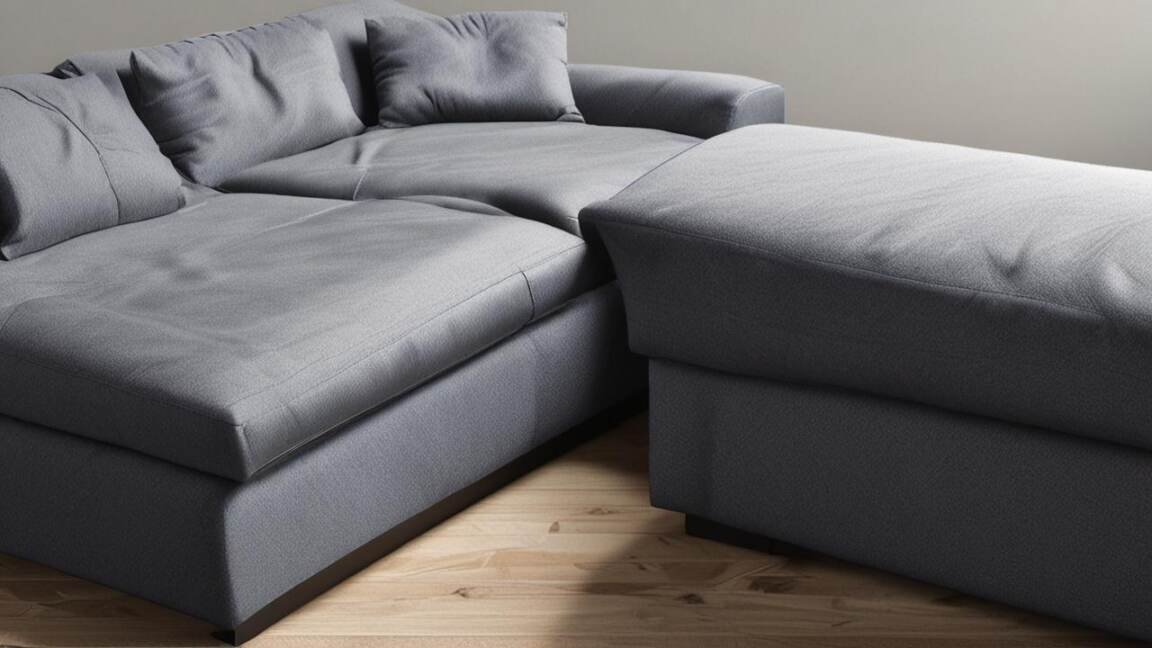
What to Look For When Buying a Durable Sectional
You can avoid this entire problem by knowing what to look for. Do not trust the showroom floor. Test these specific things before you buy.
Frame Construction Checklist
- Ask for the frame material in writing. Do not accept “wood” as an answer. Ask for “kiln-dried hardwood” specifically.
- Check the corners of the frame. Corners should be reinforced with wooden blocks and screws, not staples or glue.
- Lift one corner of the sectional about 6 inches off the ground. If the frame twists or feels loose, the construction is weak.
Cushion Fill Checklist
- Ask for the foam density. Look for 2.0 pounds per cubic foot or higher. HR foam (high-resiliency) is even better.
- Remove the cushion cover and look at the core. A solid slab of foam is better than shredded foam or fiber fill.
- Sit on the cushion for 30 seconds. Stand up and see how quickly it regains its shape. A slow rebound means low-quality foam.
Suspension Checklist
- Ask if the unit uses sinuous springs or coil springs. Coil springs are better for long-term use.
- If it uses webbing, check the tension. Press down firmly. Webbing should be tight and not sag easily.
- Look for a warranty on the suspension. A longer warranty usually means better quality.
Warning: Sectionals with a “click-clack” reclining mechanism often use weaker frames to accommodate the moving parts. This can create an uneven seating surface that sags faster than a fixed frame.

Common Myths vs Facts
There are many misconceptions about why sectionals fail. Here are the three most common myths and the facts that debunk them.
Myth 1: “The frame is solid wood.”
Fact: Many brands label engineered wood as “solid wood,” which is misleading. Engineered wood is made from wood fibers glued together under pressure. It is not the same as a solid piece of hardwood. Always ask for “kiln-dried hardwood” and check the product specifications on the manufacturer’s website.
Myth 2: “Feather cushions are the most comfortable and durable.”
Fact: Feather cushions are comfortable initially, but they require constant plumping and offer less support than high-resiliency foam. Feathers compress permanently over time, leading to a flat, lumpy seat. notes that complaints about feather cushion flattening are common in mid-range furniture.
Myth 3: “A higher price guarantees better construction.”
Fact: Price often reflects the brand name, fabric quality, and marketing budget, not the internal support system. Some expensive sectionals use the same low-density foam and particle board frames as budget models. You must verify the internal components regardless of the price tag.

How to Extend the Life of Your Current Sectional
If your sectional is already sagging, you may be able to reverse some of the damage. If you want to prevent future sagging, follow these maintenance steps.
Daily and Weekly Maintenance
- Rotate and flip cushions every 2-4 weeks. This ensures even wear across all seating positions. The side you sit on every day breaks down faster than the back or the underside.
- Plump fiber-filled cushions daily. Fluff them like pillows to redistributed the fill material. Do not let them stay compressed.
- Avoid sitting on the same spot. Rotate where you sit on the sectional. The corner seat and the chaise lounge get the most abuse.
Structural Fixes for Sagging Cushions
- Add a support layer. Place a piece of 1/4-inch plywood under the sagging cushion. This distributes weight more evenly across the springs.
- Replace the foam core. You can buy replacement foam online or at a fabric store. Cut it to size and insert it into the cushion cover. This is cheaper than buying a new sectional.
- Tighten the springs. If you have sinuous springs, you can sometimes re-tension them using a spring tool. This requires some DIY skill and caution.
Tip: Use a cushion support board. A 3/8-inch plywood board cut to the size of the cushion underneath can dramatically reduce sagging in the center of the seat. It is an invisible fix that costs under $20.
Frequently Asked Questions
How often should I rotate my L-shaped sectional cushions?
You should rotate and flip your cushions every 2-4 weeks. This ensures even wear across all seating positions. Furniture retailers report that rotation can extend cushion life by up to 50%.
Can I replace just the foam in my sectional cushions?
Yes, you can replace the foam core in most sectional cushions. Remove the cushion cover, measure the core, and order high-density foam from a local supplier or online store. This costs significantly less than replacing the entire sofa.
What is the best frame material for an L-shaped sectional?
Kiln-dried hardwood is the best frame material. It resists warping, cracking, and breaking. It supports heavy weight distribution across the long spans of an L-shaped sectional.
Why does the chaise lounge sag faster than the seats?
The chaise lounge bears more weight over a larger surface area without center support. Many lounges lack internal leg support in the middle, causing the frame to flex and the foam to compress faster.
Does a heavy sofa last longer?
Often, yes. A heavy sectional usually indicates a solid hardwood frame and high-density foam cores. Lightweight sectionals often use particle board and low-density materials that fail faster.
Final Thoughts
Choosing a sectional is an investment in your daily comfort. Focus on the internal construction – the frame, springs, and foam density – rather than just the fabric or brand name. A well-built sectional will serve you for a decade or more with proper care. Do not let a cheaply built sofa frustrate you within the first year. Regularly rotate and flip cushions to ensure even wear across all seating positions.
Manufacturers specify foam density as a key indicator of cushion longevity.
Government consumer guides emphasize checking the internal construction when buying a sofa.