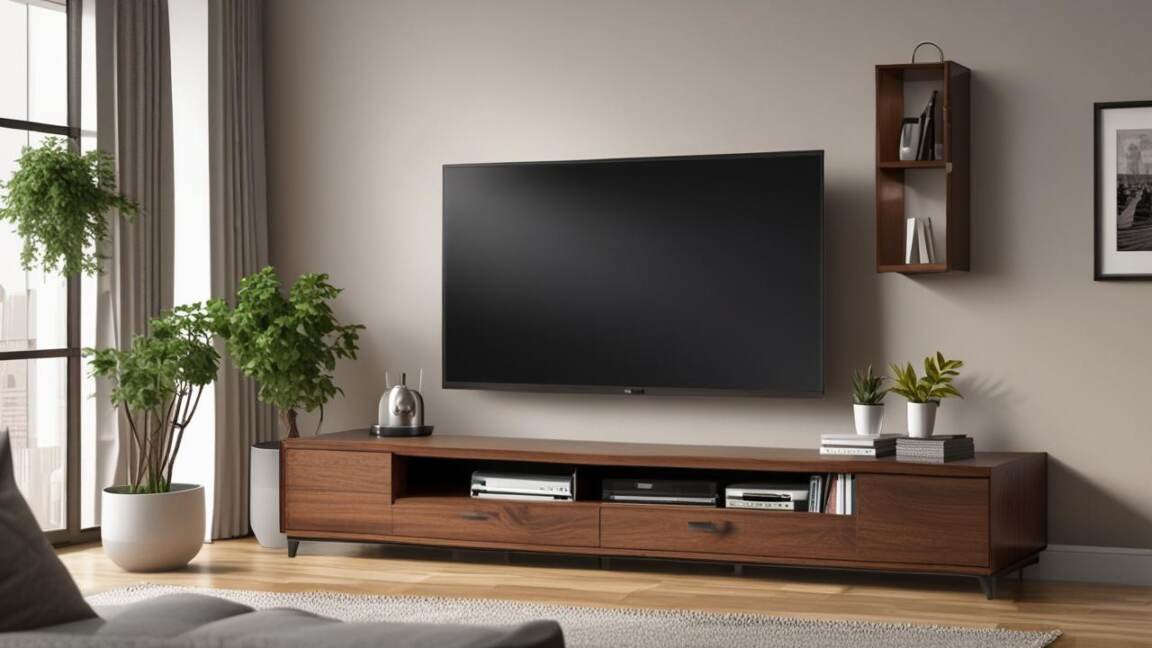
To stop a corner TV stand from not fitting your TV, measure both the TV and stand dimensions, check VESA compatibility, and use a VESA adapter bracket to expand supported sizes or adjust removable shelves. Wall-mounting the TV above the stand provides a permanent fix that works with any stand size, while modifying the stand or swapping the TV are advanced alternatives. Accurate measurement and weight limit verification prevent future mismatch, ensuring a safe and stable setup.
Your corner TV stand can’t hold your TV properly. The stand is too small, the shelf is too narrow, or the weight limit is too low. This guide covers how to fix that mismatch for good.
Quick Verdict: Simply put, you can stop a corner TV stand from not fitting your TV by checking VESA compatibility, using a VESA adapter plate, adjusting the stand’s shelves, or wall-mounting the TV above the stand. Modifying the stand or swapping the TV also works. Measure everything first.
Every solution depends on your stand’s dimensions, your TV’s weight, and the available space in the corner. Let’s look at what you need to get started.
Key Takeaways
- Corner TV stands have specific weight limits and VESA patterns that determine which TVs fit safely.
- A VESA adapter bracket can expand the range of compatible TV sizes without replacing the stand.
- Adjusting removable shelves inside the stand often creates enough room for a larger TV.
- Wall-mounting the TV above the corner stand is a permanent fix that works with any stand size.
- Measuring your TV’s width, height, depth, and weight and comparing to stand specs prevents future mismatch.
Important: According to the, the average new TV bought in the United States is now 55 inches. That size often requires a stand rated for at least 50 pounds.
What You Need / Before You Start
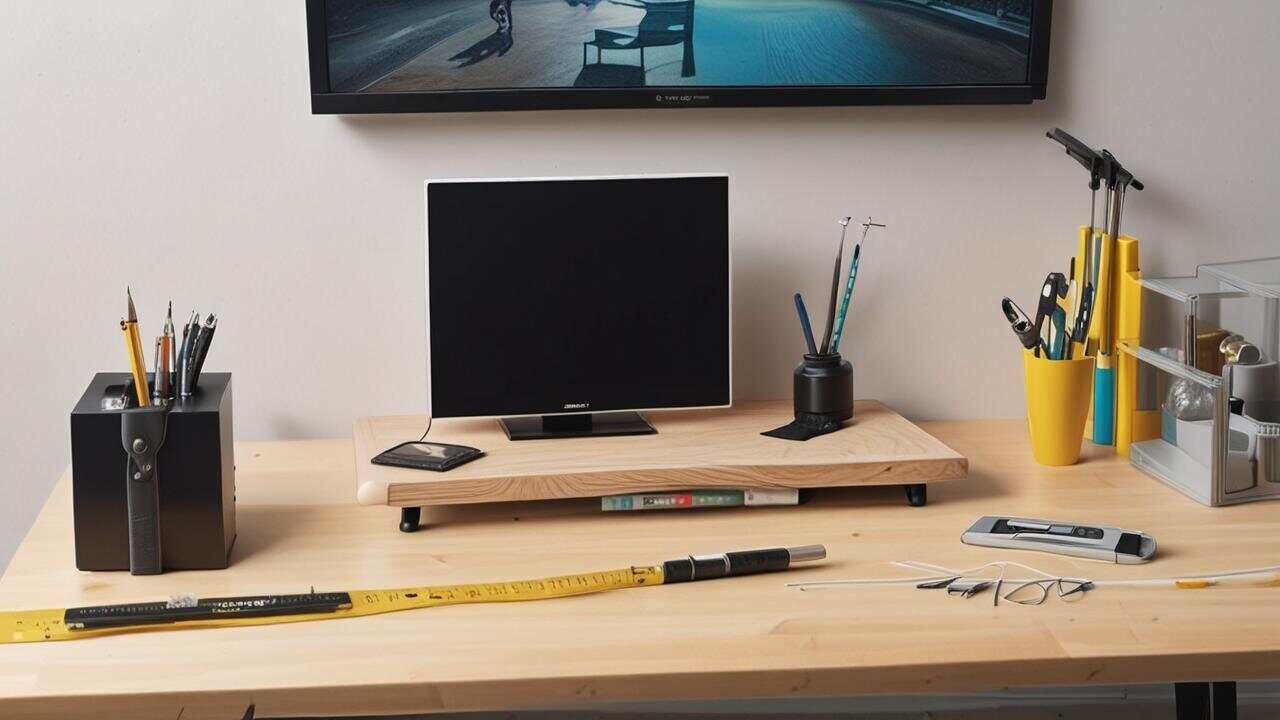
Gather these tools and items before you attempt any fix. Some solutions require drilling or assembly.
| Item | Purpose | Where to Get It |
|---|---|---|
| Tape measure | Measure TV screen, stand shelf, and corner wall | Any hardware store |
| Stud finder | Locate wall studs for wall-mounting | Home improvement stores |
| VESA adapter bracket kit | Match stand VESA pattern to TV pattern | Amazon or electronics stores |
| Power drill + bits | Drill holes for mount or shelf adjustment | Hardware section of any store |
| Level | Ensure TV and stand are straight | Any hardware store |
Step-by-Step Process
Follow these steps to fix a corner TV stand that does not fit your TV. Each step builds on the previous one. Stop when you find a solution that works safely.
Step 1 – Measure Your TV and Stand
Get the exact dimensions of your TV (without stand feet) and the shelf or top surface of your corner stand. Write down the width, height, and depth of both. Also check the TV weight and the stand’s maximum weight rating. According to a report, about 40% of households have a TV stand that is not the ideal size for their TV. Measuring prevents guesswork.
Warning: Never place a TV on a stand that exceeds the weight limit. The stand can collapse and damage the TV or injure someone.
Step 2 – Check VESA Compatibility
Most modern corner TV stands include a mounting plate with a VESA pattern. Look at the back of your TV for the VESA hole pattern (e.g., 200x200mm or 400x400mm). Compare it to the stand’s mounting plate. If they match, you can attach the TV directly. If not, move to Step 3.
Step 3 – Use a VESA Adapter Bracket
Buy a VESA adapter bracket kit that converts the TV’s pattern to the stand’s pattern. Brands like Sanus and Mounting Dream offer universal brackets. Attach the bracket to the TV, then attach the bracket to the stand. This fixes most size mismatches without modifying the stand.
Step 4 – Adjust or Remove Shelves
If your TV sits on a shelf inside the stand, check if that shelf is adjustable. Many corner stands have removable shelves. Slide the shelf up or down, or remove it entirely, to create a taller opening. This works well for TVs that are too tall but fit the width.
Step 5 – Wall-Mount the TV Above the Stand
This is the most permanent solution. Buy a corner TV wall mount (also called a swivel mount for corners). Locate studs with your stud finder, drill pilot holes, and attach the mount. Then hang the TV above the stand. The stand now acts as a media shelf, not a TV holder.
- Choose a mount rated for your TV’s weight and size.
- Mark stud positions on the corner wall.
- Drill holes and secure the mount with lag bolts.
- Attach the TV to the mount according to the manual.
Step 6 – Modify the Stand (Advanced)
If you are handy, you can cut a larger opening in the stand’s front panel or reinforce the top surface. This voids warranties and requires carpentry skills. Only attempt if the other steps are impossible.
What to Expect
Below is a timeline and cost estimate for each solution. Prices are approximate.
| Solution | Time Needed | Cost Range | Difficulty |
|---|---|---|---|
| VESA adapter bracket | 20-30 minutes | $15 – $30 | Easy |
| Adjust/remove shelves | 10-15 minutes | $0 | Easy |
| Wall-mount above stand | 1-2 hours | $40 – $120 | Medium |
| Modify the stand | 2-4 hours | $10 – $50 (tools) | Hard |
Common Mistakes to Avoid
- Assuming all corner stands fit all corner angles. Measure your room’s corner angle (usually 90 degrees) and match it to the stand’s angle.
- Forgetting to check the TV depth. A TV with a deep back may hit the back of the stand even if the screen size fits.
- Using a wall mount rated for flat walls on a corner. Buy a corner-specific mount that swivels at the proper angle.
- Not accounting for cable access. After mounting the TV, you may need to drill holes in the stand for cables.
- Skipping the weight check. A stand that holds a 32-inch TV may not support a 55-inch TV even if the surface seems big enough.
Pro Tips
- Always use a VESA adapter that is metal, not plastic, for heavy TVs. Plastic can crack over time.
- If you remove a shelf, keep the hardware in case you sell the stand later.
- For wall-mounting in a corner, use a mount that allows at least 20 degrees of swivel for easy viewing from the whole room.
- Place a small leveling laser on the stand top to ensure the wall mount is straight in two directions.
Tip: If your TV is too wide for the stand but fits the weight limit, a VESA adapter with extended arms can shift the TV sideways to center it.
Frequently Asked Questions
Can I put a TV on a corner stand that is too small?
No. Placing a TV that is too large or heavy on a small stand risks tipping. Always follow the stand’s maximum weight and surface dimensions.
What is a VESA pattern and how do I find mine?
VESA is a standard hole pattern on the back of TVs and mounts. Look at the back of your TV for four screw holes arranged in a rectangle. Measure the distance between holes horizontally and vertically (e.g., 200x200mm).
Will a corner TV stand work in any corner?
Most corner stands are designed for 90-degree corners. If your corner is wider or narrower, the stand may not fit flush. Measure your corner angle with a protractor before buying a stand.
How do I know if my TV is too heavy for the stand?
Check the stand’s user manual or product page for a weight rating. Weigh your TV using a bathroom scale. If the TV weight is within the rating, it is safe.
Can I mount a TV above a corner stand without studs?
No. Always mount into wall studs for safety. If you cannot find studs in the corner, use heavy-duty toggle bolts rated for the TV’s weight, but this is less secure.
Resources and Tools
Sanus – Manufacturer of VESA adapter brackets and corner mounts.
Mounting Dream – Popular brand for affordable corner wall mounts. For easy viewing, choose corner TV mounts that allow at least 20 degrees of swivel.
Consumer Technology Association – Source for TV size and weight statistics.
Statista – Research data on TV stand usage. Always prioritize safety by following a TV tip-over safety guide from the CPSC.
Final Thoughts
You can fix a corner TV stand that doesn’t fit your TV without replacing everything. Start with the cheapest solutions like adjusting shelves or using a VESA adapter. Wall-mounting above the stand gives you the most flexibility for any future TV upgrade. Always prioritize safety by respecting weight limits and using proper hardware. Use only metal VESA adapter standards for heavy TVs to prevent cracking.