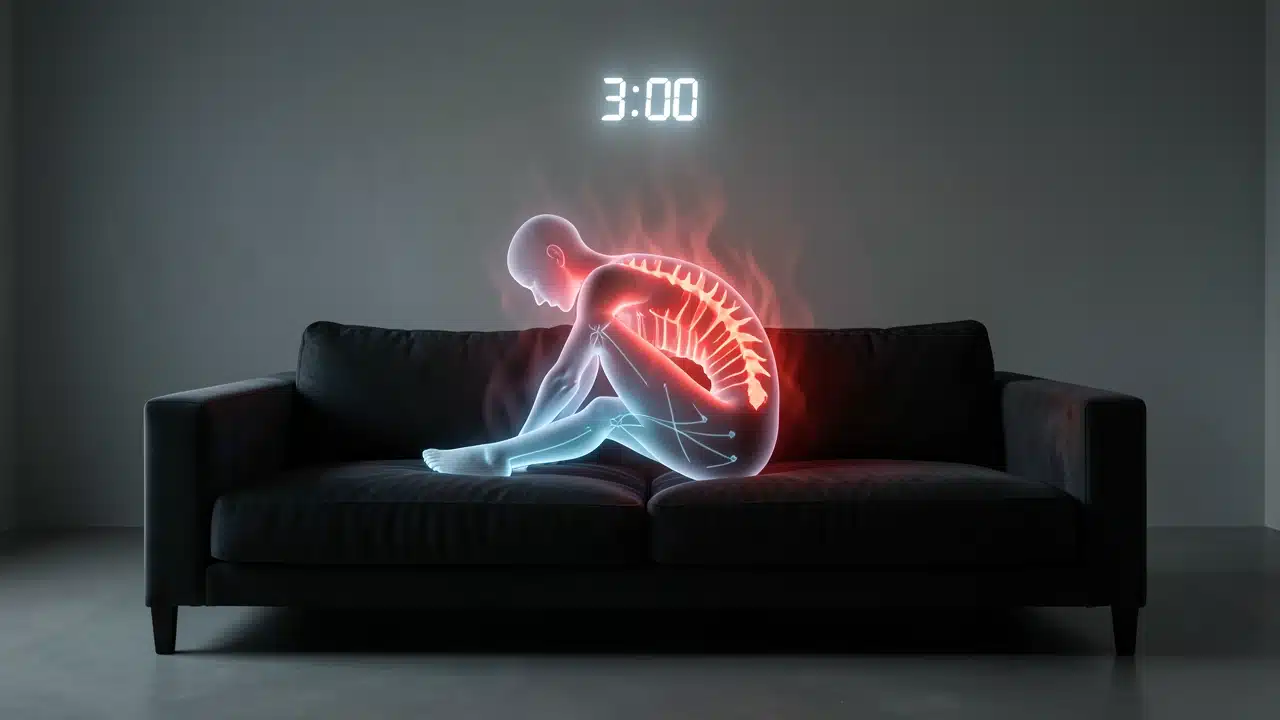
Sitting on a sofa for three or more hours straight causes three primary physical problems: reduced blood flow and leg swelling, back and neck strain from poor spinal support, and posture deterioration leading to muscle weakness. The soft, deep design of most sofas encourages slouching, which increases pressure on the spine and restricts circulation more than sitting in a supportive chair. Taking short standing breaks, adjusting your sitting position, and adding lumbar support help reduce these effects and prevent the aches and stiffness associated with prolonged couch use.
Sitting on a sofa for 3+ hours straight can cause three common physical problems: lower back and hip stiffness from limited movement, poorer leg circulation that may lead to heaviness or swelling, and neck or shoulder strain from slouching.
Short standing breaks, gentle stretching, and changing posture reduce pressure and help restore normal movement.
Spending a long time on the couch can feel great, but it might be doing more harm than good. Many people don’t realize that sitting for over three hours straight can lead to some uncomfortable physical issues.
Understanding these 3 Physical Problems That Happen When You Sit on a Sofa for 3+ Hours Straight is important for your well-being.
By knowing what to watch out for and how to prevent them, you can enjoy your relaxation time without paying for it later with aches and pains. We’ll cover the common problems and what you can do about them.
Key Takeaways
- Extended sitting can cause blood circulation problems, leading to swelling and discomfort.
- Long periods on the sofa can strain your back and neck, resulting in pain and stiffness.
- Sitting for too long may affect your posture and lead to long-term musculoskeletal issues.
- Simple breaks and movement can significantly reduce the risks associated with prolonged sofa time.
- Awareness of these issues empowers you to make healthier choices for your body.

Reduced Blood Flow and Swelling
When you sit for a long time, especially in a relaxed position on a sofa, your blood flow can slow down. Gravity makes it harder for blood to return from your legs and feet back to your heart. This can cause blood to pool in your lower extremities.
Over time, this can lead to swelling, particularly in your ankles and feet. You might notice your shoes feeling tighter or your legs feeling heavy and achy.
This reduced circulation isn’t just uncomfortable; it can also increase your risk of more serious issues. For instance, prolonged immobility is a known factor in the development of deep vein thrombosis (DVT). DVT is a condition where blood clots form in the deep veins, usually in the legs.
While a rare occurrence from just sitting on a sofa, it’s a potential risk with very extended periods of inactivity.
The 3 Physical Problems That Happen When You Sit on a Sofa for 3+ Hours Straight often start with subtle signs like this.
The sofa’s soft cushions can also contribute to poor circulation. They might not offer enough support, causing you to slouch or sit in a way that compresses blood vessels. This further hinders the natural flow of blood.
Even if you don’t feel immediate pain, the strain on your circulatory system is happening.
Signs of Poor Circulation
Pay attention to these signs that your body is telling you circulation is suffering:
- Swollen ankles and feet: This is a very common sign of fluid buildup due to poor blood return.
- Leg fatigue or heaviness: Your legs might feel tired and heavy, even if you haven’t been active.
- Numbness or tingling: Reduced blood flow can cause pins-and-needles sensations in your legs and feet.
- Cold feet: Poor circulation can make your feet feel colder than the rest of your body.
- Visible varicose veins: While not always caused by short periods of sitting, prolonged immobility can worsen their appearance.
Back and Neck Strain
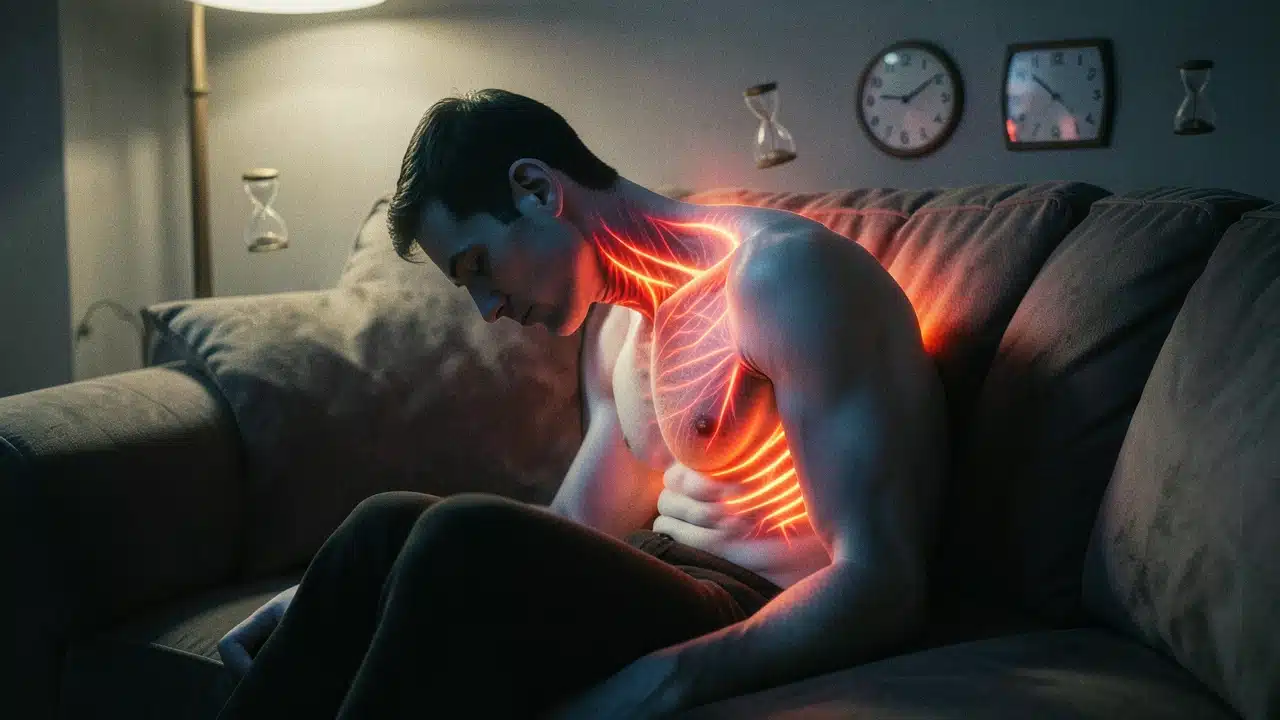
Sofas are designed for comfort, but they often lack the ergonomic support our bodies need for long periods. The soft, yielding surfaces encourage slouching. This posture puts undue stress on your spine, particularly your lower back and neck.
When you sit for 3+ hours straight, your muscles have to work harder to keep you upright, or they simply give way to gravity, leading to strain.
Your back muscles are constantly trying to compensate for the lack of support. This can lead to stiffness and pain.
The natural curve of your spine, especially in the lower back, can be flattened or exaggerated depending on how you’re sitting.
This is one of the most commonly experienced of the 3 Physical Problems That Happen When You Sit on a Sofa for 3+ Hours Straight. You might find it difficult to stand up straight after a long session on the couch.
Similarly, your neck can suffer. When you slouch, your head tends to jut forward. This increases the weight your neck muscles have to support.
It’s like holding a bowling ball in front of you for hours. This can lead to neck pain, headaches, and stiffness. Over time, this can contribute to chronic neck and shoulder issues.
How Sofa Design Affects Your Spine
The design of many sofas contributes to these problems:
- Lack of lumbar support: Most sofas don’t have built-in support for the natural curve of your lower back.
- Deep cushions: These can cause you to sink in and slouch, putting your spine out of alignment.
- Low backrests: These don’t provide adequate support for your entire back, especially your upper back and neck.
- Armrests that are too high or low: These can force your shoulders into awkward positions.
The temptation to curl up or lean in a particular way on a sofa is strong. While comfortable in the moment, these positions can put your spine in a compromised state for extended durations. This is why even a few hours can start to cause noticeable discomfort.

Posture Deterioration and Muscle Weakness
Prolonged sitting on a sofa can gradually wear down your posture. When you’re not actively engaging your core and back muscles, they can become weak and less effective at supporting your body. This is especially true for the muscles that help you maintain an upright posture.
The sofa’s comfort can lull these muscles into a state of inactivity, leading to a cycle of weakness and poor posture.
Over time, this can lead to significant changes in how you stand and move. Your body might start to adapt to the slouched positions you frequently adopt on the sofa. This can result in a rounded upper back, forward head posture, and a weakened core.
These are some of the more insidious of the 3 Physical Problems That Happen When You Sit on a Sofa for 3+ Hours Straight, as they develop slowly but can have long-lasting effects.
Furthermore, the muscles responsible for sitting up straight can become fatigued quickly when unsupported. They are not designed for prolonged static holding without proper alignment. This leads to them giving out, and you sink further into the sofa, reinforcing the bad posture.
This can also lead to muscle imbalances, where some muscles become overused and tight, while others become weak and stretched.
The Vicious Cycle of Sitting
It’s a bit of a cycle:
- Initial comfort: You settle into the sofa for a long period.
- Muscle relaxation: Your postural muscles start to relax and become less engaged.
- Slouching begins: Gravity pulls you into a slouched position as your muscles tire.
- Discomfort arises: You start to feel aches and stiffness in your back and neck.
- Weakness develops: Over time, the lack of use weakens the muscles that support good posture.
- Chronic issues emerge: Persistent poor posture can lead to long-term pain and mobility problems.
This is why even if you don’t feel immediate pain, the habit of long sofa sessions can contribute to gradual deterioration of your physical structure. It’s crucial to be aware of how your body is positioned and what effect it’s having.
Preventing the Problems: Simple Strategies
The good news is that you don’t have to give up your sofa time entirely. You can take simple steps to avoid the 3 Physical Problems That Happen When You Sit on a Sofa for 3+ Hours Straight. The key is to incorporate movement and mindful positioning into your relaxation.
Move Regularly
The most effective strategy is to break up long periods of sitting. Aim to get up and move around at least once every hour, preferably every 30 minutes. Even a short walk around the room, stretching, or doing a few simple exercises can make a big difference.
- Stand up and walk: Simply standing and walking for a few minutes helps reactivate circulation.
- Stretch: Gentle stretches for your legs, back, and neck can relieve tension.
- Change positions: Don’t stay in the exact same position for too long.
Improve Your Sofa Setup
You can make your sofa more supportive. Use cushions to prop up your back or provide lumbar support. If you tend to slouch, consider using a pillow to fill the gap behind your lower back.
Ensure your feet are not dangling for extended periods; use a footrest if needed.
Mindful Sitting
Be aware of your posture. Try to sit up straighter, engaging your core muscles slightly. Avoid jutting your head forward or hunching your shoulders.
If you’re watching TV, try to position yourself so your head and neck are in a more neutral alignment.
Incorporate Other Activities
Mix up your relaxation activities. Instead of just sitting, perhaps read a book in a more supportive chair, do some light stretching, or even stand and chat on the phone. This variety helps prevent your body from getting stuck in one position for too long.
Comparison: Sofa vs. Ergonomic Chair
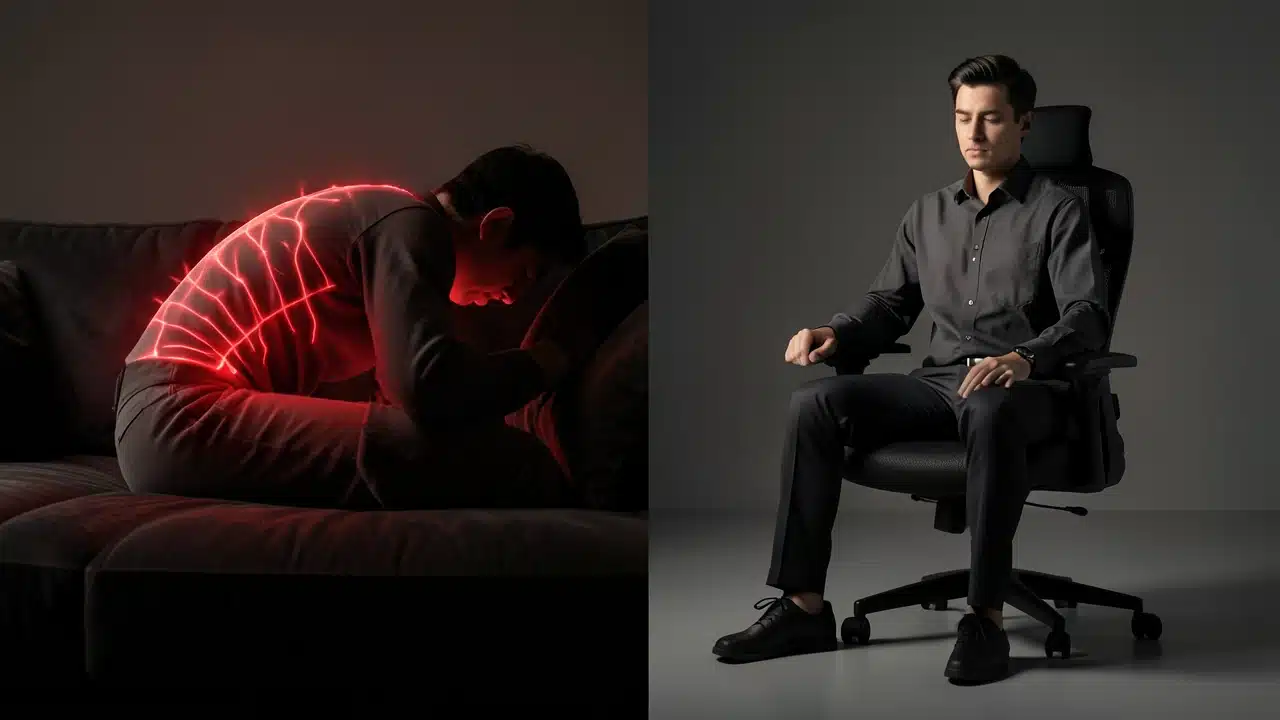
To better understand the impact of sofa sitting, let’s compare it to sitting in a more supportive environment like an ergonomic chair. This comparison highlights why prolonged sofa time can lead to issues.
| Lumbar Support | Little to none, encourages slouching. | Adjustable, maintains natural spine curve. |
| Posture | Promotes slouching, forward head posture. | Encourages upright posture, reduces strain. |
| Circulation | Can be restricted, leading to swelling. | Designed to allow for better blood flow. |
| Muscle Engagement | Minimal, leads to muscle weakness. | Supports active sitting, engages core muscles. |
| Risk of Strain | High risk of back and neck strain. | Low risk of strain when used correctly. |
| Overall Comfort | Can feel comfortable initially but leads to long-term discomfort. | May require adjustment but provides sustained comfort and support. |
As you can see, the design and purpose of an ergonomic chair are vastly different from a sofa. While sofas are built for lounging and occasional use, they are not ideal for extended periods of sitting. The table clearly illustrates the advantages of an ergonomic setup when you need to sit for a long time. The comparison highlights that sofas provide minimal lumbar support, which can worsen the effects of prolonged sedentary periods on your spine.
This reinforces why you might feel the negative effects after spending too much time on the couch.

When to Seek Professional Advice
If you experience persistent pain, swelling, or stiffness after sitting, it’s wise to consult a healthcare professional. A doctor, physical therapist, or chiropractor can assess your condition and provide personalized advice.
They can help identify if your prolonged sitting habits have contributed to any underlying issues and recommend appropriate treatments or exercises.
Don’t ignore ongoing discomfort; it could be a sign that the 3 Physical Problems That Happen When You Sit on a Sofa for 3+ Hours Straight are impacting your health more than you realize. The table shows how ergonomic chair benefits include adjustable lumbar support to maintain proper spine alignment.
Frequently Asked Questions Of 3 Physical Problems That Happen When You Sit On A Sofa For 3+ Hours Straight
What are the main 3 Physical Problems That Happen When You Sit on a Sofa for 3+ Hours Straight?
The main problems are reduced blood circulation leading to swelling, strain on your back and neck from poor posture, and the gradual deterioration of your posture and muscle strength.
Is it bad to sit on the sofa for more than 3 hours?
Yes, sitting for extended periods without moving can negatively impact your body. It increases the risk of circulation issues, muscle stiffness, and posture problems.
How can I prevent back pain from sitting on the sofa?
Try to use pillows for support, avoid slouching, and take frequent breaks to stand and stretch every 30-60 minutes.
Does sitting on a sofa affect my posture long-term?
Yes, consistent slouching and lack of support on a sofa can weaken postural muscles and lead to long-term changes like rounded shoulders and forward head posture.
What are the early signs of poor circulation from sitting too long?
Early signs include swelling in your ankles and feet, a feeling of heaviness in your legs, and occasional tingling or numbness.
Final Thoughts
Spending too much time on the sofa can lead to noticeable physical issues like poor circulation, back and neck strain, and posture problems.
By taking short breaks, improving your sitting position, and being mindful of your body, you can enjoy your downtime without these negative effects. Make small changes to keep your body healthy and comfortable.