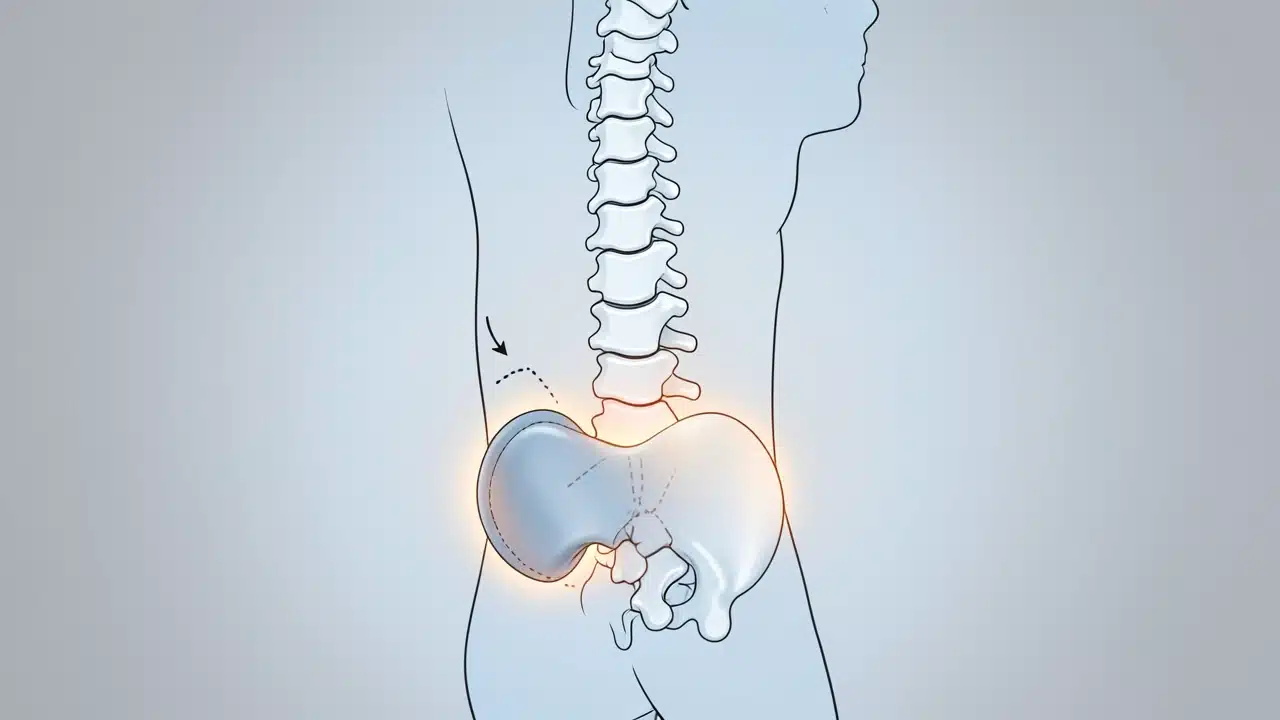
Lumbar support must sit in the small of your back, directly filling the inward curve of the lower spine, typically just above the beltline and below the ribs. It should rest against the natural lordotic curve without forcing an arch, while avoiding placement up between the shoulder blades or down on the tailbone. Correct placement maintains a neutral spine, keeps hips and shoulders relaxed, and prevents the lower back strain that develops during prolonged sitting.
Lumbar support needs to sit in the small of your back, where the lower spine naturally curves inward, not up between the shoulder blades or down at the pelvis.
Correct placement fills that curve without forcing an arch. It should keep your back supported, hips back, shoulders relaxed, and spine close to neutral.
Getting your lumbar support right can make a big difference in how your back feels, especially if you spend a lot of time sitting.
It’s not just about having a cushion; it’s about knowing Where Exactly Lumbar Support Needs To Sit in Your Back To Do Its Job.
When it’s in the perfect spot, it helps keep your spine in a healthy curve, reducing strain and preventing aches.
This means you can feel more comfortable and get more done without your back slowing you down. We’ll show you how to find that sweet spot so you can get the most out of your lumbar support.
Key Takeaways
- Understanding the natural curve of your lower back is key to proper lumbar support placement.
- Lumbar support should fill the inward curve of your spine, not press on your tailbone.
- The ideal height for lumbar support is typically at the widest part of your lower back’s curve.
- Adjusting your seating position and the support itself is crucial for comfort and effectiveness.
- Different types of chairs and supports may require slightly different placement strategies.
- Proper lumbar support helps maintain good posture and reduces the risk of back pain.
Finding Your Spine’s Natural Curve
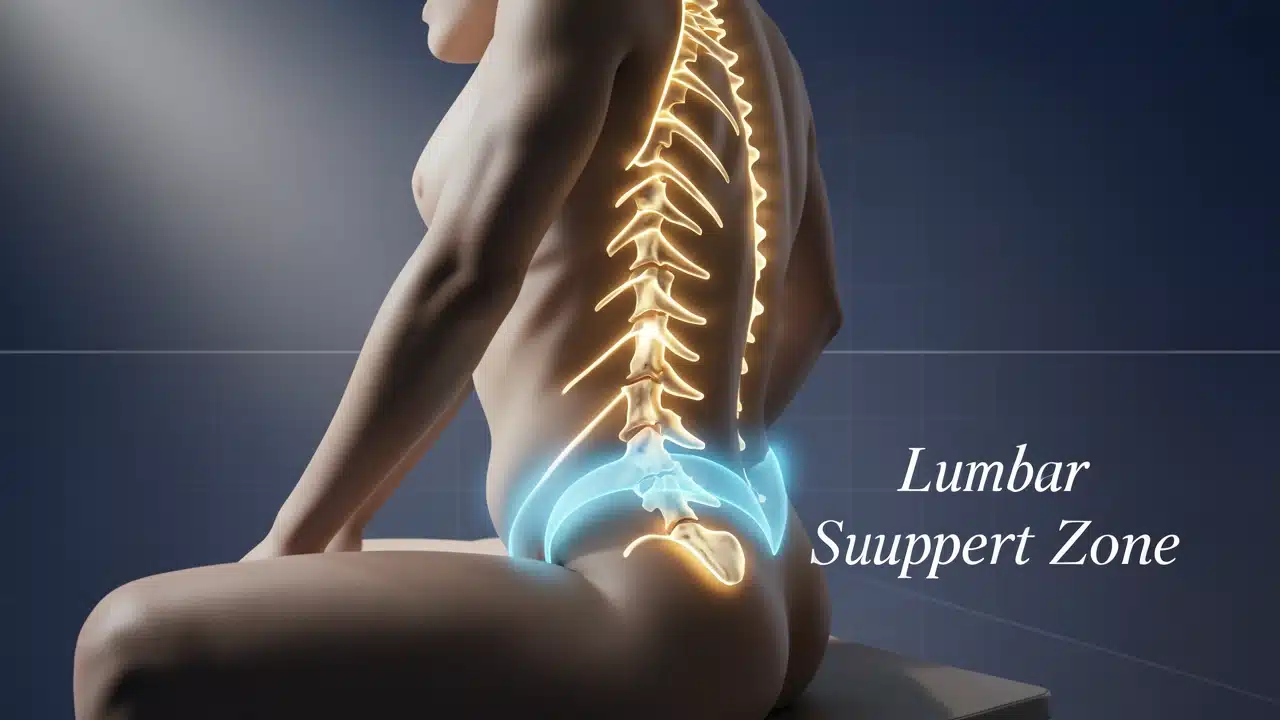
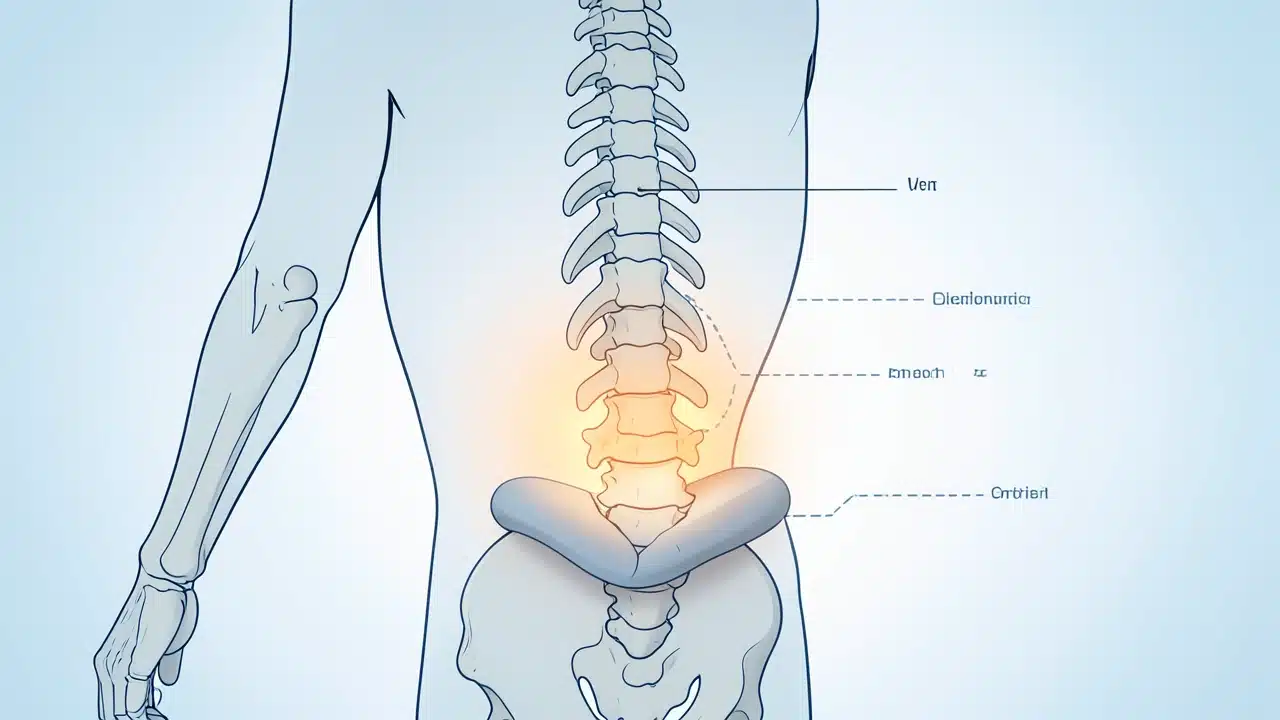
Your spine isn’t perfectly straight. It has natural curves that help it absorb shock and move smoothly. The lower part of your back, called the lumbar region, has a gentle inward curve.
This is often called the lordotic curve. When you sit, this curve can flatten out, putting pressure on your spinal discs and muscles. Lumbar support is designed to gently push into this inward curve.
It helps maintain that natural shape, even when you’re sitting for long periods.
Knowing this curve is the first step to figuring out Where Exactly Lumbar Support Needs To Sit in Your Back To Do Its Job.
Without understanding this natural shape, you might place the support too high or too low. This can make things worse instead of better.
It’s like trying to prop up a wall without knowing where the weak spot is. You need to support the part that needs it most.
The Ideal Spot for Lumbar Support
So, where is that perfect spot? Generally, lumbar support should sit in the hollow of your lower back. Think about the natural inward curve of your waist.
The support should gently fill this space. It shouldn’t feel like it’s pushing your stomach forward or digging into your tailbone. The goal is to support the spine’s natural lordosis.
The exact placement often depends on your body shape and the type of chair you’re using. However, a good rule of thumb is to aim for the widest part of the inward curve of your lower back. This area is where your spine is most likely to lose its natural curve when you sit.
Placing the support here helps to keep that curve intact, which is vital for good posture and reducing strain.
Why Correct Placement Matters So Much
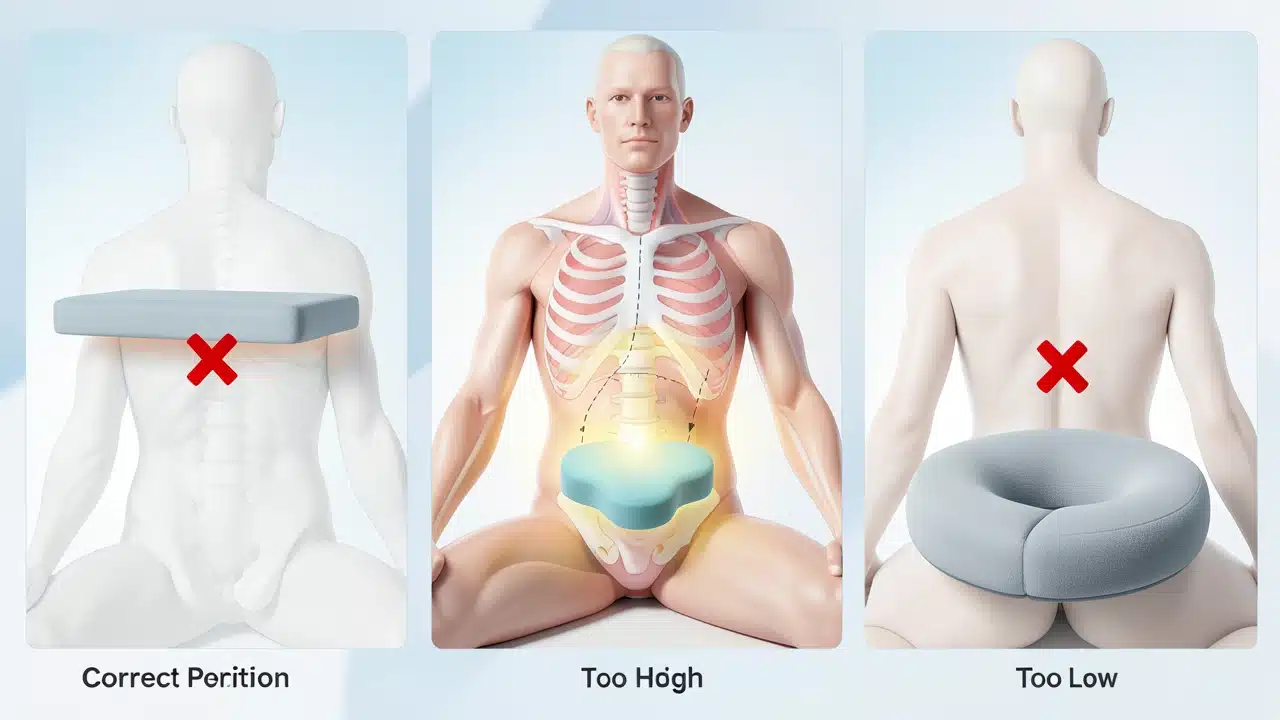
Putting your lumbar support in the right place is key to reaping its benefits. If it’s too low, it might push your hips forward, forcing you to slouch. If it’s too high, it won’t support the natural curve of your lower back.
This can lead to discomfort and even more back pain than you started with. Getting Where Exactly Lumbar Support Needs To Sit in Your Back To Do Its Job right means your back muscles can relax more.
When lumbar support is correctly positioned, it helps to distribute pressure more evenly across your spine.
This reduces the load on individual discs and joints. It encourages a more upright posture without you having to think about it constantly.
This can lead to fewer aches and pains, better focus, and more energy throughout your day. The difference can be quite noticeable.
Adjusting Your Chair and Support
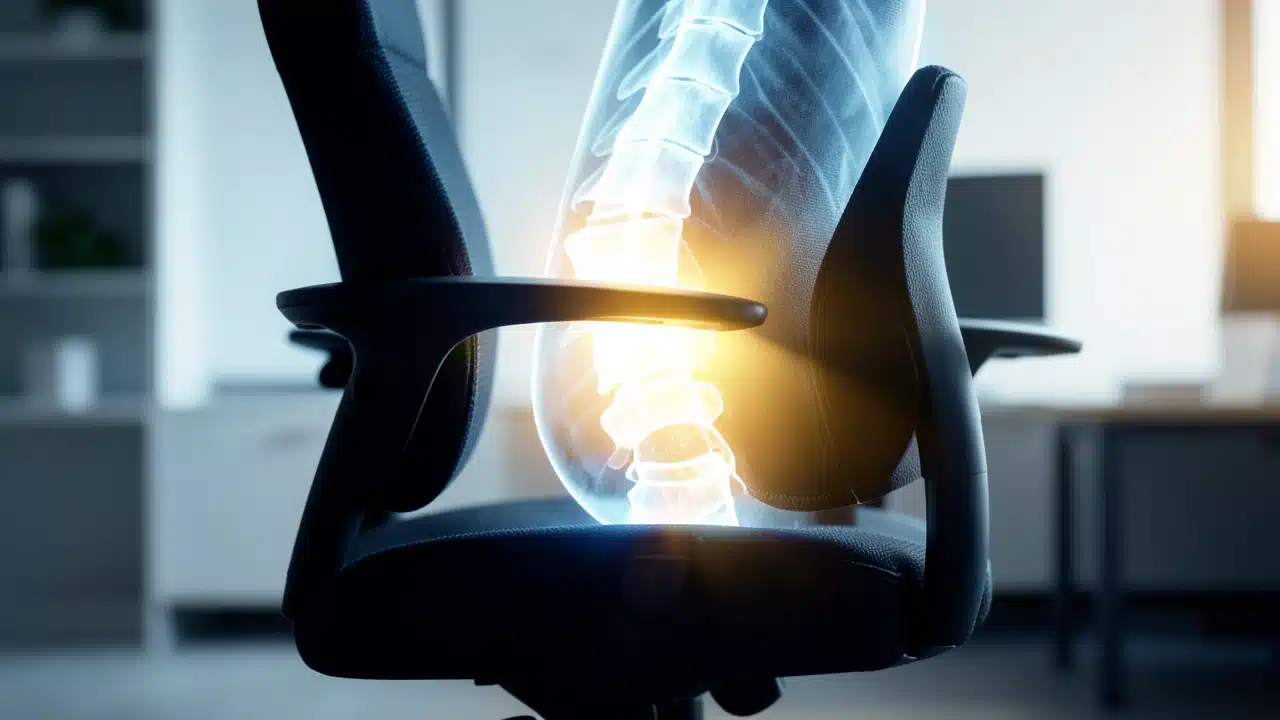
Finding the right spot often involves a bit of trial and error. Many chairs have adjustable lumbar support built into them. You might be able to move it up or down, or even adjust its depth.
For external lumbar support cushions, you can often move them around until they feel just right.
First, sit back in your chair. Feel the natural curve in your lower back. If you’re using a cushion, place it behind your back.
Second, adjust its position up or down until you feel it gently pressing into that inward curve. You should feel your back being supported without any pressure on your tailbone. Next, try to sit up straight.
The support should help you maintain a good posture naturally.
Then, spend some time sitting in the adjusted position. Does it feel comfortable? Does it help you maintain a good posture?
If not, make small adjustments. It might take a few tries to find the perfect spot. Remember, what feels right for one person might be slightly different for another.
This is why understanding Where Exactly Lumbar Support Needs To Sit in Your Back To Do Its Job is so personal.
Common Lumbar Support Types and Their Placement
Different kinds of lumbar support have slightly different best practices for placement. Understanding these can help you fine-tune where yours should go.
Built-in Chair Lumbar Support
Many office chairs and car seats come with built-in lumbar support. These are often adjustable. You might have a dial or a lever to change the height or the firmness of the support.
For these, you generally want the curve of the support to align with the inward curve of your lower back. If it’s fixed, you might need to adjust your sitting position slightly to meet the support.
Lumbar Support Cushions
These are portable cushions you can add to almost any chair. They come in various shapes and sizes, often made of foam or memory foam. The key with a cushion is to place it in the hollow of your lower back.
It should feel like it’s gently pushing your spine forward into its natural curve. Avoid placing it too high, which can push your upper back forward, or too low, which won’t support the curve.
Lumbar Support Rolls
These are cylindrical cushions that are specifically designed to fit into the lumbar curve. They are often firmer than regular cushions. When using a roll, you'll want to place it horizontally in the inward curve of your lower back.The diameter of the roll should be enough to fill the space without being too bulky or uncomfortable. It’s all about filling that specific gap in your spine.
Tips for Maintaining Good Posture with Lumbar Support
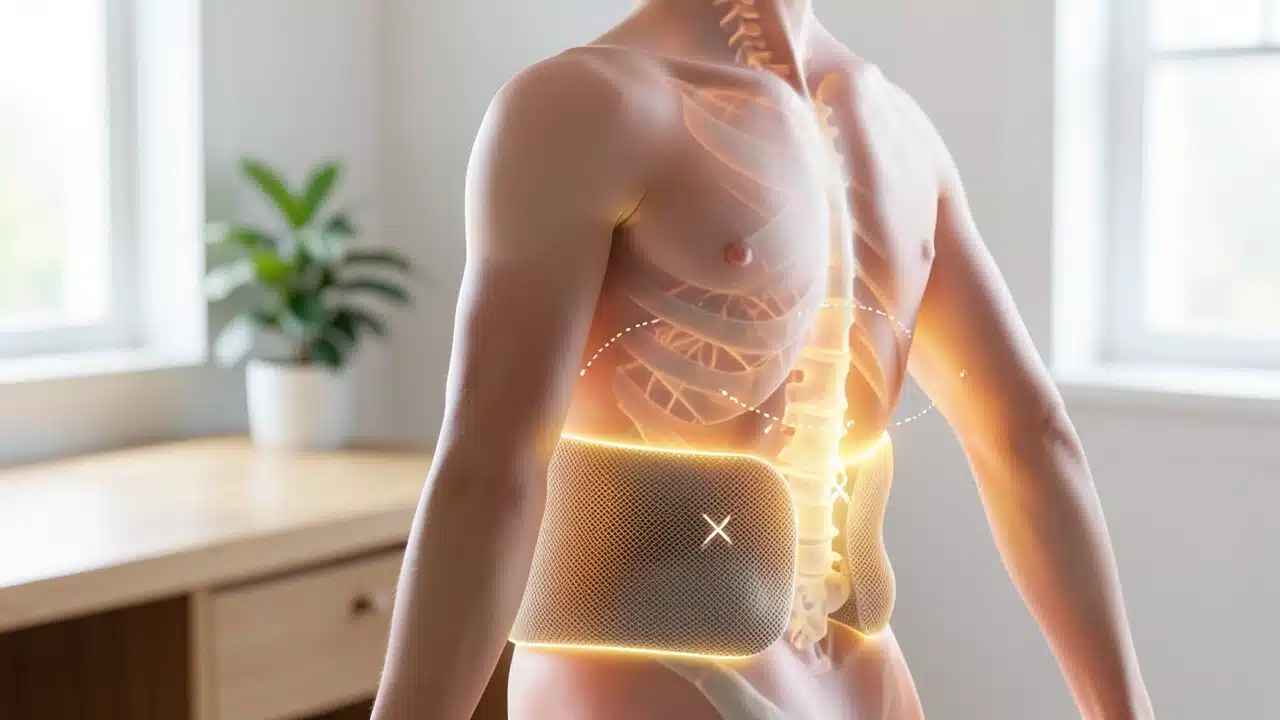
Lumbar support is a tool to help you, but it’s not a magic fix. You still need to be mindful of your posture. Using support correctly can make maintaining good posture much easier.
It encourages your body to sit in a healthier alignment naturally.
When you sit with your lumbar support in the right place, aim to keep your feet flat on the floor. Your knees should be at about a 90-degree angle. Try to avoid leaning too far forward or backward.
The support should help you find a balanced, upright position. Regularly taking short breaks to stand and stretch is also important, even with good support.
When to Seek Professional Advice
While understanding Where Exactly Lumbar Support Needs To Sit in Your Back To Do Its Job is helpful, persistent back pain needs professional attention.
If you've tried adjusting your lumbar support and still experience discomfort or pain, it's a good idea to consult a doctor or a physical therapist. They can help identify the root cause of your pain and recommend the best course of action.
Sometimes, back pain can be related to underlying conditions that lumbar support alone cannot fix. A healthcare professional can provide a proper diagnosis and suggest exercises, stretches, or other treatments. They can also offer personalized advice on seating and posture that goes beyond general guidelines. If you experience persistent back pain, consulting a healthcare professional is recommended.
Comparing Lumbar Support Options
Choosing the right type of lumbar support can enhance its effectiveness. Here’s a look at some common options and their features. Comparing lumbar support options helps you choose the best fit for your chair and needs.
| Portability | Fixed to chair | High (can move between chairs) | Moderate (can be bulky) |
| Adjustability | Varies (often height/depth) | Placement is adjustable | Placement is adjustable |
| Support Type | Integrated into chair design | Fills lower back curve | Cylindrical, targets curve |
| Best For | Office chairs, car seats | Adding to any chair, travel | Specific, targeted support |
| Potential Issues | May not fit all users | Can slip or be too bulky | May be too firm for some |
Frequently Asked Questions Of Where Exactly Lumbar Support Needs To Sit In Your Back To Do Its Job
What is the main goal of lumbar support?
The main goal of lumbar support is to help maintain the natural inward curve of your lower back while sitting, reducing strain and promoting better posture.
Can lumbar support help with tailbone pain?
While lumbar support helps the lower back, it shouldn’t press on the tailbone. If you have tailbone pain, ensure the support is positioned correctly above it, or consider a seat cushion.
How do I know if my lumbar support is in the right place?
You’ll feel a gentle pressure in the inward curve of your lower back, supporting your spine without pushing your stomach forward or causing discomfort.
Should my entire back be pressed against the support?
No, lumbar support is specifically for the lower back’s inward curve. It shouldn’t be so large that it presses against your upper back or sides.
Where Exactly Lumbar Support Needs To Sit in Your Back To Do Its Job for someone with a very flat lower back curve?
For a flatter curve, the support might need to be slightly firmer or positioned to create that needed outward push into the spine’s natural indentation.
Can I use lumbar support while standing?
Lumbar support is primarily designed for seated positions. It helps maintain posture when sitting, not when standing.
Final Thoughts
Finding Where Exactly Lumbar Support Needs To Sit in Your Back To Do Its Job is about aligning it with your spine’s natural inward curve. Aim for the hollow of your lower back, not your tailbone.
Correct placement helps you sit straighter, feel more comfortable, and reduce back strain throughout the day.
Experiment a little to find what feels best for you.