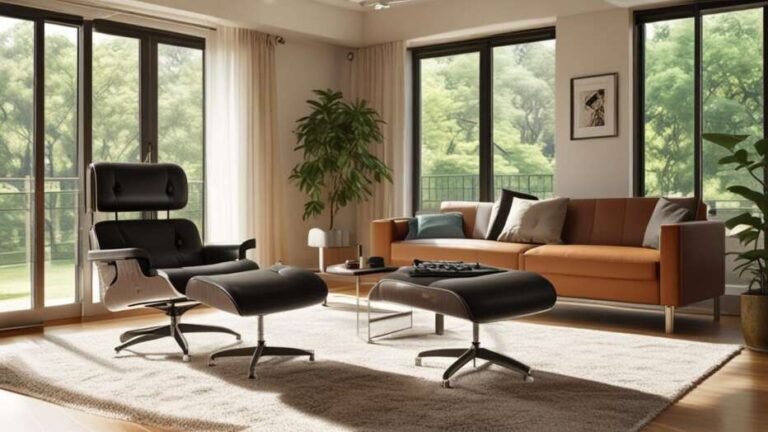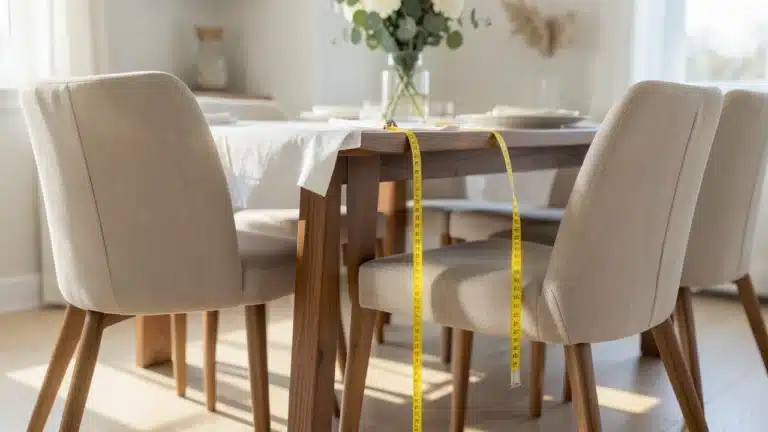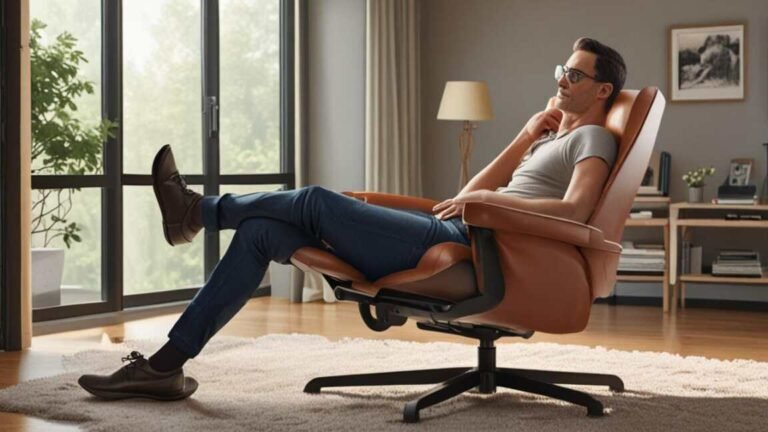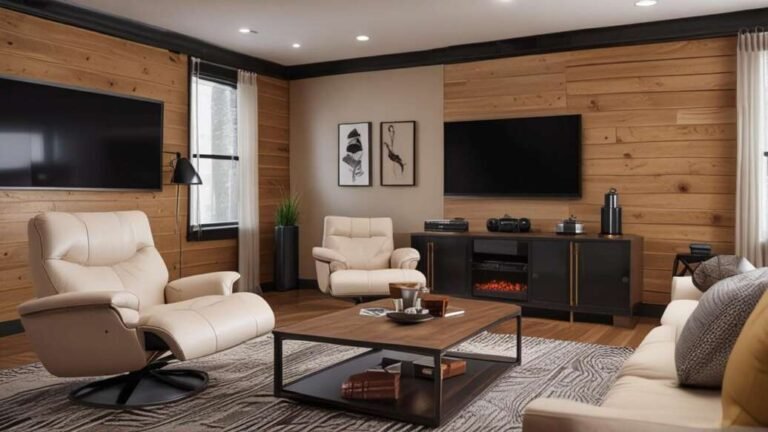
A wall-hugger recliner is a smart choice for a small living room because its forward-sliding mechanism requires only 2 to 4 inches of wall clearance, preserving walkway space and keeping the room feeling open. However, success depends on measuring your specific floor plan and selecting a compact model that fits without blocking traffic flow. The key takeaway is that this recliner type solves the space problem without sacrificing comfort, as long as you verify clearance and chair dimensions beforehand.
Quick Verdict: Simply put, a wall-hugger recliner works well in a small living room because it needs only 2 to 4 inches of wall clearance. This leaves more walkway space and makes the room feel open. However, you still need to measure carefully and choose the right size and style for your layout.
A wall-hugger recliner is a type of motion chair designed to sit close to a wall. Unlike standard recliners, it slides forward as you recline instead of tilting backward. This means you can place it almost flush against the wall without hitting the baseboard or damaging the wall. The mechanism uses a glide system or a forward-motion track that keeps the back of the chair nearly stationary. These recliners come in various sizes, from compact single-seaters to larger rocker-recliners. The average width ranges from 28 to 36 inches, and the depth from 28 to 40 inches when closed.
Important: The identifying feature of a wall-hugger is that the footrest extends forward while the seat slides forward. This design keeps the back within 2 to 4 inches of the wall during recline.
Warning: If you have a very narrow room less than 7 feet wide, even a wall-hugger recliner might block walkways when the footrest is fully extended. Always measure the chair’s full extended length before buying.
Key Takeaways
- Wall-hugger recliners require only 2 to 4 inches of wall clearance, which is significantly less than the 6 to 12 inches needed for standard recliners.
- The average small living room in the United States measures around 11 feet by 12 feet, or about 132 square feet, according to the National Association of Home Builders.
- A wall-hugger recliner’s footrest extends forward, so you can place it closer to walls and still use the footrest comfortably.
- You should measure both the recliner’s closed depth and its fully extended length to confirm it fits your room layout without blocking doors or walkways.
- For rooms under 120 square feet, a wall-hugger recliner is often the only recliner type that makes sense due to its minimal space requirements.
Why Space Matters in Small Living Rooms
Space is the most limited resource in a small living room. The National Association of Home Builders reports that the average living room in new single-family homes is about 16 feet by 20 feet. However, apartments and smaller starter homes often have living rooms measuring 11 feet by 12 feet or less. In a room of that size, every inch of floor space matters. Placing a large object like a recliner without planning can make the room feel cramped and hard to navigate.The American Home Furnishings Alliance states that standard recliners need 6 to 12 inches of clearance behind them to recline without hitting the wall. In a small room, those inches come out of the walking path. A wall-hugger recliner reduces that requirement to just 2 to 4 inches. That difference of 4 to 8 inches can be the gap between a room that feels open and one that feels closed in.According to the American Society of Interior Designers, 73 percent of homeowners prioritize space-saving furniture when designing rooms under 150 square feet. A wall-hugger recliner fits this priority because it allows you to use the full length of the room without wasting space behind the chair. You can place it against a wall and still have enough room for a coffee table, side table, or even a small sofa.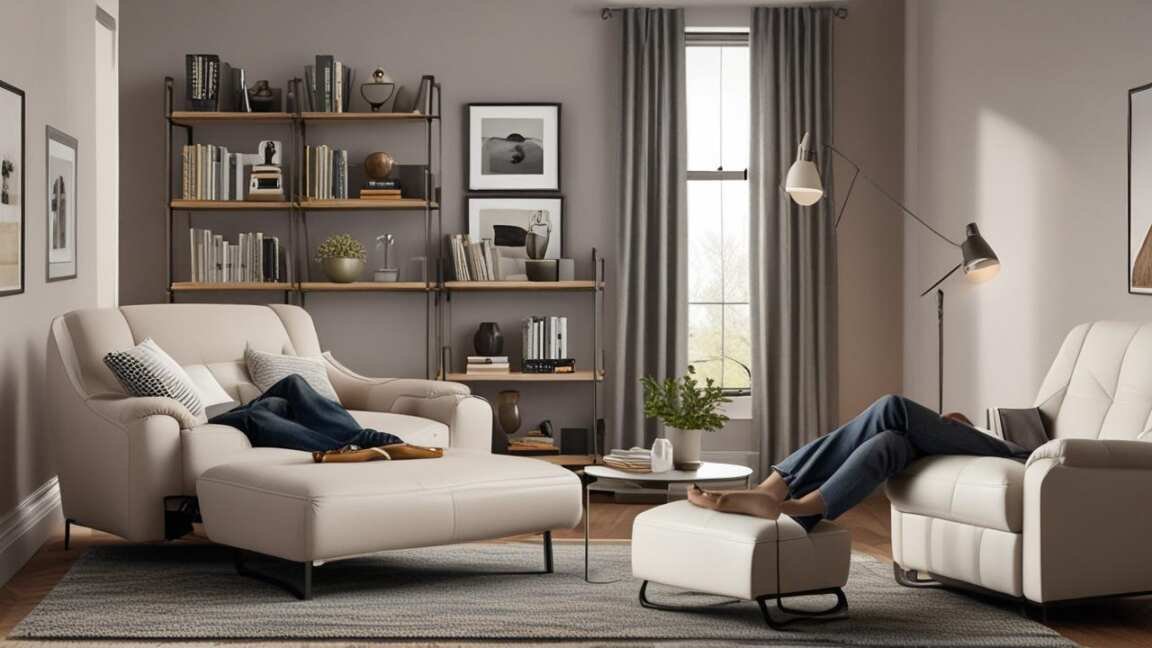
Pros and Cons of Wall-Hugger Recliners for Small Spaces
Before you decide, review the key advantages and disadvantages of using a wall-hugger recliner in a small living room.Pros
- Needs only 2 to 4 inches of wall clearance, preserving valuable walkway space.
- Slides forward during recline, so the back stays close to the wall and does not hit the baseboard.
- Available in compact sizes (28 to 32 inches wide) that fit tight corners and alcoves.
- Provides full recline comfort and footrest support without taking up extra floor space behind the chair.
- Works well in rooms with windows, radiators, or other furniture placed behind the chair.
Cons
- When extended, the footrest can add up to 20 inches to the chair’s front length, which may block walkways in very narrow rooms.
- The recline mechanism is more complex than a standard recliner, which can lead to higher repair costs over time.
- Not all wall-hugger models have the same build quality. Lower-priced versions may feel less sturdy or have limited recline angles.
- Some users find the forward-glide motion less relaxing than the backward tilt of a traditional recliner.
- Limited selection of upholstery and style options compared to standard recliners.
Important: When shopping for a wall-hugger recliner for a small room, look for models with a “zero-wall” or “wall-saver” label. These terms confirm the chair is designed to sit within 2 inches of the wall.
| Feature | Wall-Hugger Recliner | Standard Recliner |
|---|---|---|
| Wall clearance needed | 2 to 4 inches | 6 to 12 inches |
| Footrest extension | Forward (adds 16-20 inches) | Forward (adds 14-18 inches) |
| Suitable room size | 100 to 150 sq ft | 150 sq ft or more |
| Recline mechanism | Forward glide or track | Backward tilt |
| Average price range | $300 to $800 | $250 to $700 |

Common Myths vs Facts
Myth 1: Wall-hugger recliners are always smaller than standard recliners
Fact: Wall-hugger recliners come in the same size range as standard models. The difference is in the clearance needed, not the overall dimensions. A wall-hugger can be 36 inches wide and 40 inches deep, which is the same size as a standard recliner. The space savings come from reducing the gap behind the chair.
Myth 2: You can place a wall-hugger recliner directly against the wall without any clearance
Fact: Most wall-hugger recliners still need 2 to 4 inches of clearance. Placing them flush against the wall can damage the wall or the chair’s back. The forward-glide mechanism works best when there is a small air gap. Always follow the manufacturer’s recommended clearance.
Myth 3: Wall-hugger recliners are less comfortable than standard recliners
Fact: Comfort depends on cushion quality, recline angle, and seat dimensions, not the mechanism type. Many high-end wall-hugger recliners offer the same padding, lumbar support, and recline positions as standard models. Some users even prefer the forward-glide motion because it keeps the head in a more stable position during recline.
How to Choose the Right Recliner for a Small Room
Choosing a wall-hugger recliner in a small living room requires a structured approach. Follow these steps to make the best decision.- Measure your room dimensions. Measure the length and width of your living room. Note the location of doors, windows, and other furniture. Mark the space where the recliner will go.
- Check the closed length. Measure the depth of the recliner when the footrest is closed. Add 2 to 4 inches for wall clearance. This total is the minimum space you need behind the chair.
- Consider the extended length. When the footrest is fully out, the recliner can extend 16 to 20 inches forward. Make sure this path is clear of coffee tables, ottomans, or walkways.
- Account for the footrest height. Some wall-hugger models have footrests that sit close to the floor. Others rise to knee height. Test the footrest position to ensure it does not block your movement or the flow of the room.
- Look for a “zero-wall” or “wall-saver” label. These terms guarantee the chair works within 2 inches of the wall. Also check the weight capacity and fabric durability, especially if the recliner will see daily use.
Tip: Use painter’s tape to mark the outline of the recliner’s closed and extended positions on your floor. This gives you a realistic visual of how much space the chair will occupy in your room.
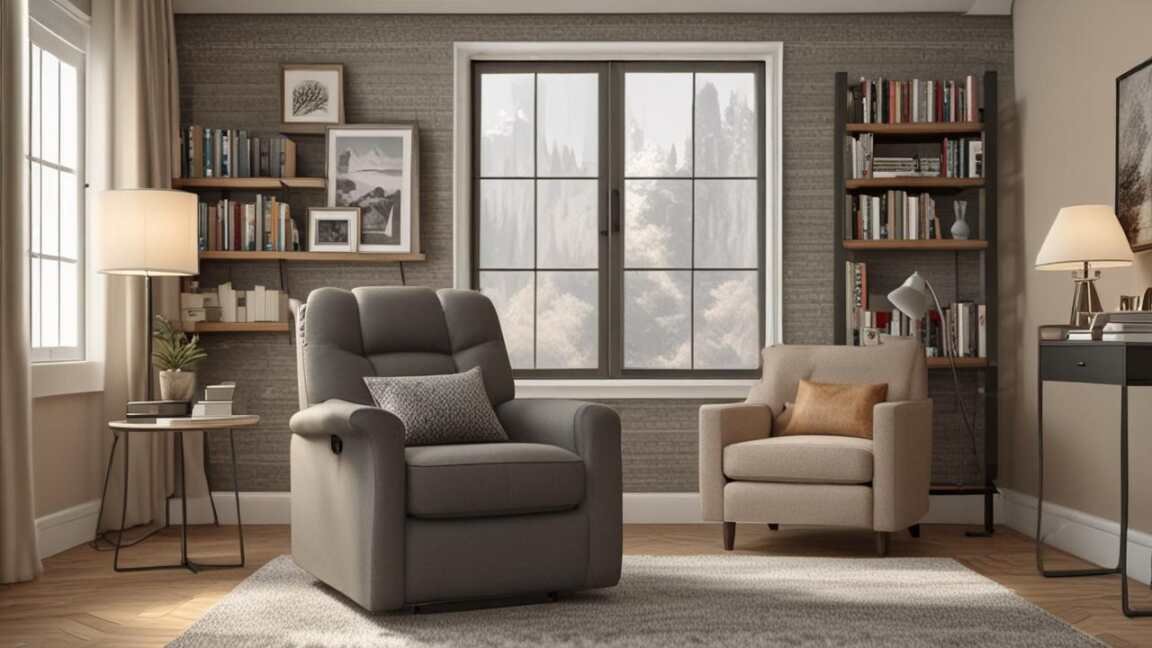
Pro Tips for Making It Work
- Choose a light color or fabric. Lighter upholstery makes a small room feel bigger. Avoid dark, heavy fabrics that absorb light and make the chair look larger.
- Pick a low-profile design. Recliners with thinner armrests and lower back heights take up less visual space. Tall, bulky recliners can overwhelm a small room even if they fit physically.
- Place it in a corner. Angling the recliner in a corner uses dead space and keeps walkways open. Avoid placing it directly in the center of a wall.
- Use a small side table instead of a coffee table. A side table for your drink or book takes up less space than a coffee table that might block the footrest.
- Measure the door frame. If the recliner needs to come through an apartment door or narrow hallway, measure the door width. Some wall-hugger models come in two pieces, but most are one-piece and need at least a 30-inch opening.
Frequently Asked Questions
Can you put a wall-hugger recliner flush against the wall?
No, you should leave 2 to 4 inches of clearance between the back of the chair and the wall. This space allows the mechanism to operate correctly and prevents damage to both the wall and the chair.
How much space does a wall-hugger recliner need in front?
You need at least 16 to 20 inches of clear space in front of the chair for the footrest to extend fully. In a small room, make sure this area is not blocked by a coffee table or other furniture.
Are wall-hugger recliners comfortable for tall people?
Yes, many wall-hugger models have extended footrests and taller seat backs designed for taller users. Look for a model with a seat height of 20 inches or more and a back height of 28 inches or more for the best fit.
Do wall-hugger recliners need any special installation?
No, they come fully assembled or require only minor assembly (usually attaching the legs or backrest). No special tools are needed. Always follow the manufacturer’s instructions for assembly and placement.
How long does a typical wall-hugger recliner last?
With regular use, a well-built wall-hugger recliner lasts 5 to 10 years. The mechanism can wear out faster than a standard recliner because it has more moving parts. Look for models with a 1-year warranty or longer for the mechanism.
Final Thoughts
A wall-hugger recliner is a smart choice for a small living room because it saves valuable wall clearance and frees up walkway space. The key is to measure both your room and the chair carefully before buying. With the right model and placement, you can enjoy full recliner comfort without making your room feel cramped. Remember to prioritize compact sizing, a low profile, and a “zero-wall” design for the best results.A wall-hugger recliner saves space by requiring minimal wall clearance.
Arranging furniture in a small living room requires careful measurement and planning.
Proper wall clearance prevents the recliner from tipping over and causing injury.