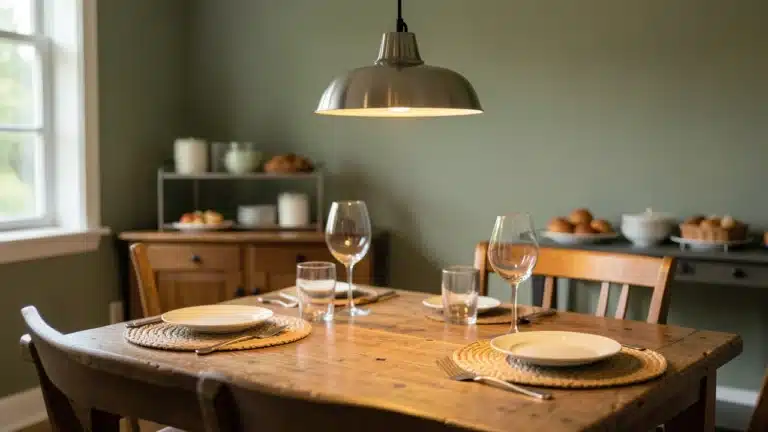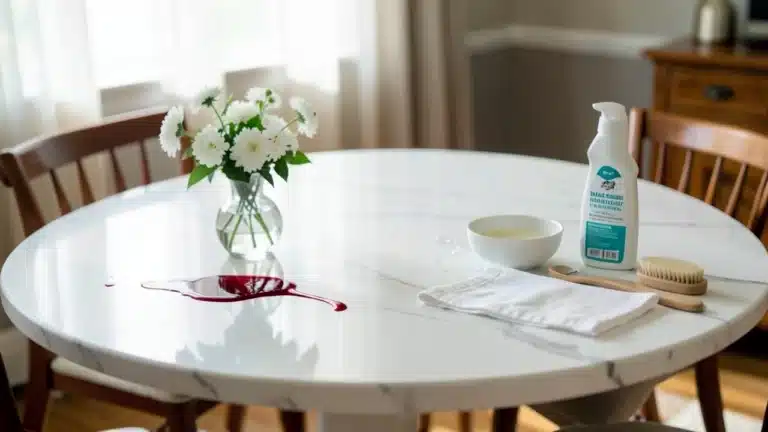
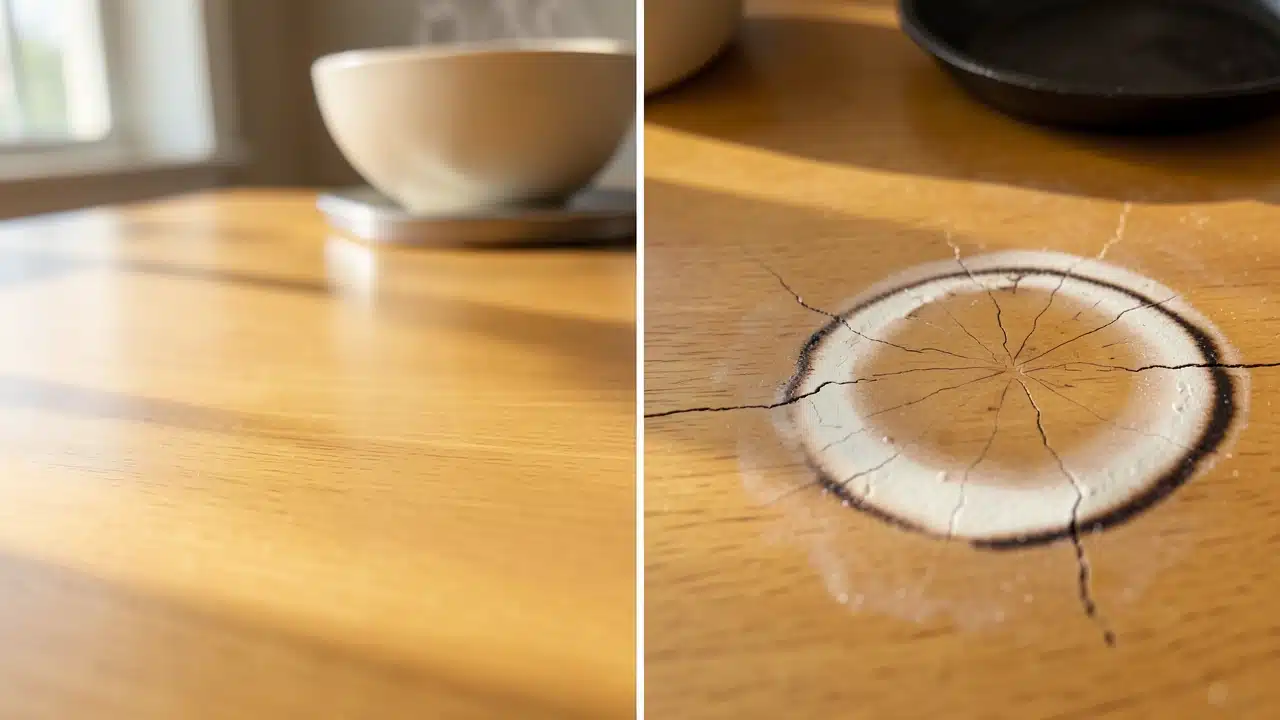
A hot bowl or pan placed directly on a wooden dining table surface softens the protective finish and leaves white heat marks, while repeated exposure dries the wood unevenly and can eventually cause warping or cracking. This occurs because concentrated heat breaks down the finish's molecular bonds and drives moisture out of the wood, compromising both appearance and structural integrity over time. Use trivets, heat-resistant pads, or placemats under all hot cookware to prevent these irreversible effects and preserve the table's finish.
A hot bowl or pan can damage a wooden dining table surface by softening the finish, leaving white heat marks, drying the wood unevenly, or causing slight swelling and cracks over time.
Repeated heat exposure weakens protective coatings and may dull the surface. Use trivets, placemats, or heat-resistant pads before placing hot cookware down.
Your wooden dining table is a central piece in your home, gathering family and friends for meals and memories. But letting hot dishes sit directly on its surface can lead to lasting damage you might not see right away.
Understanding What a Hot Bowl or Pan Does to a Wooden Dining Table Surface Over Time is key to keeping your table beautiful for years.
This knowledge helps you protect your investment and maintain a lovely dining space without constant worry.
Key Takeaways
- Hot items can cause heat marks and discoloration on wooden table surfaces.
- Direct heat damages the protective finish, making the wood vulnerable.
- Prolonged exposure to heat can lead to permanent warping or cracking of the wood.
- Using trivets and placemats is essential for protecting your table from heat.
- Regular cleaning and proper refinishing can help maintain the table’s integrity.
- Different wood types and finishes have varying levels of heat resistance.
How Heat Marks and Discoloration Happen
When a hot bowl or pan touches your wooden dining table, it’s like a mini-oven applied directly to the wood.
This intense heat doesn’t just warm the surface; it can actually damage the wood’s finish and the wood itself. This is the first step in understanding What a Hot Bowl or Pan Does to a Wooden Dining Table Surface Over Time.
The finish on your table, whether it’s varnish, polyurethane, or oil, acts as a shield. Heat can soften or break down this protective layer. As the finish degrades, it loses its ability to protect the wood underneath.
This allows moisture and heat to penetrate deeper, causing visible changes.
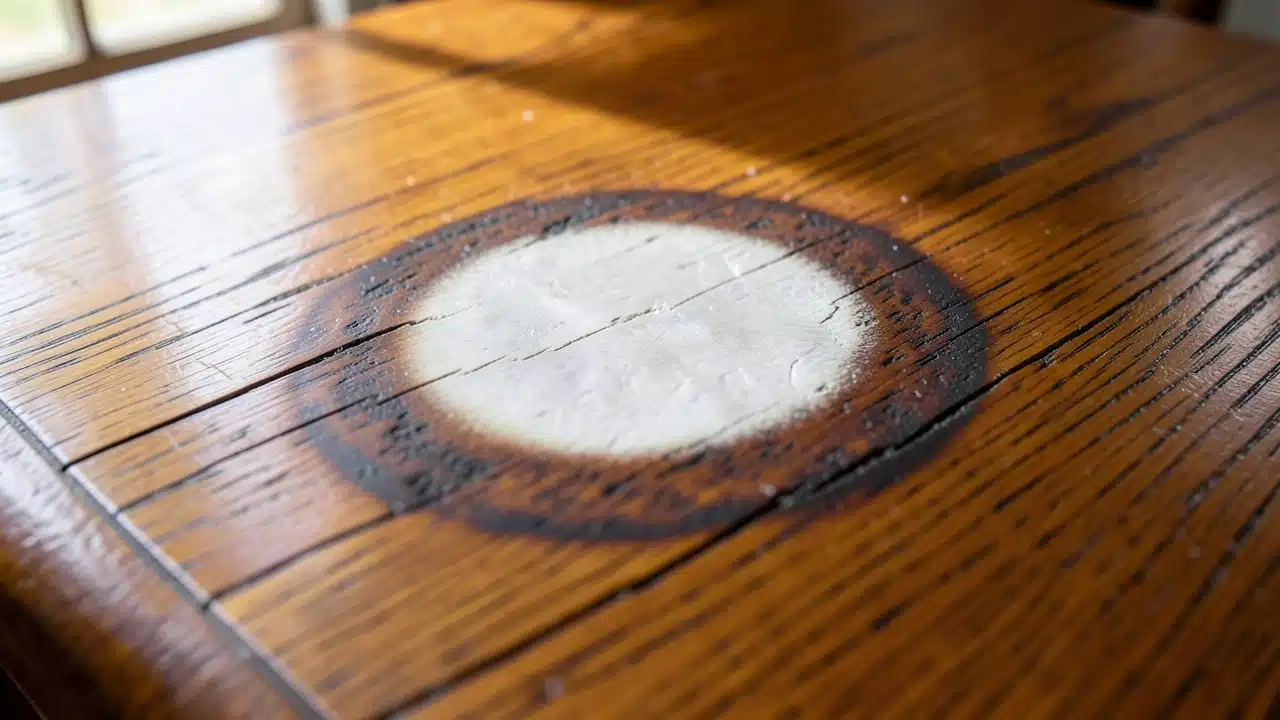
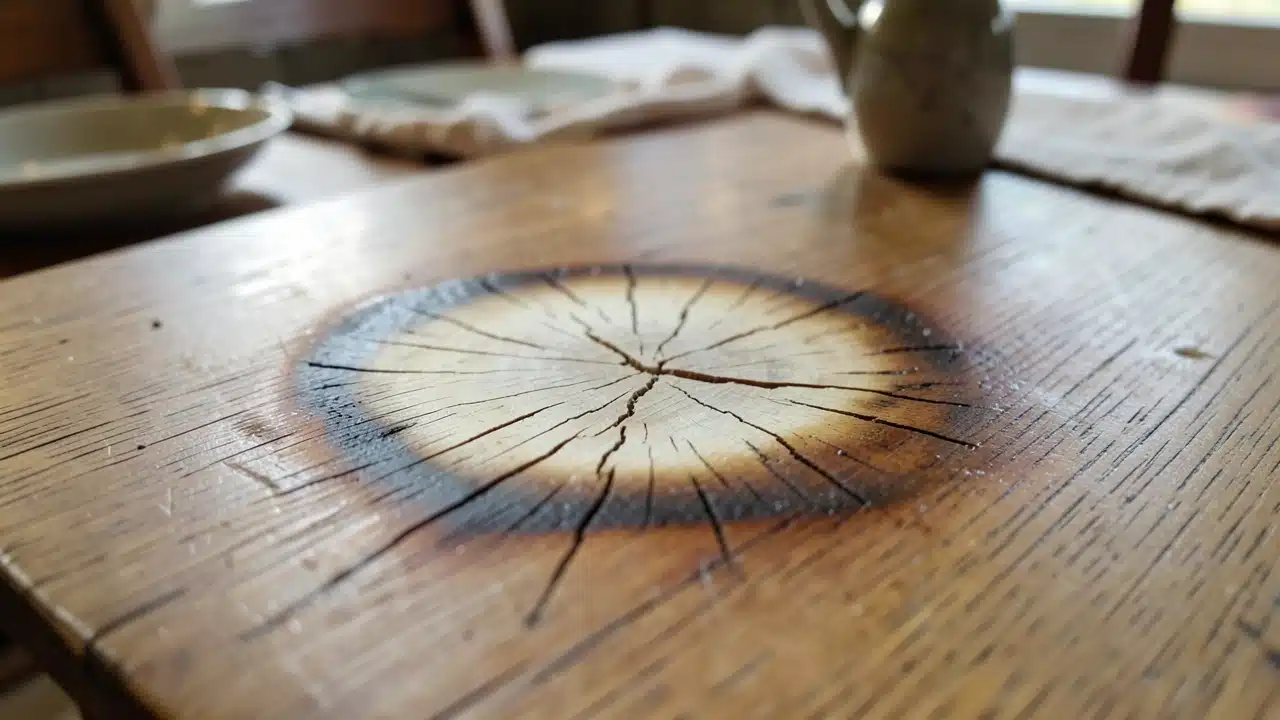
One of the most common signs of heat damage is a white or cloudy mark. This often happens when moisture gets trapped between the wood and the softened finish.
These are called “heat blooms.” Sometimes, the damage is more subtle, appearing as a slight dulling or a change in the wood’s natural color.
These marks show that the finish has been compromised.
Over time, repeated exposure to hot items without protection can lead to permanent discoloration. The wood fibers can be scorched, creating darker patches that are difficult to remove.
This is a clear indicator of the cumulative effect of What a Hot Bowl or Pan Does to a Wooden Dining Table Surface Over Time.
The Damage to the Wood Finish
The finish is the first line of defense for your wooden table. It’s designed to protect the wood from spills, scratches, and everyday wear. However, it has its limits, especially when it comes to extreme heat.
Think of the finish like your skin’s outer layer. If you expose it to too much sun, it gets damaged. Similarly, a hot pot can scorch and damage the table’s finish.
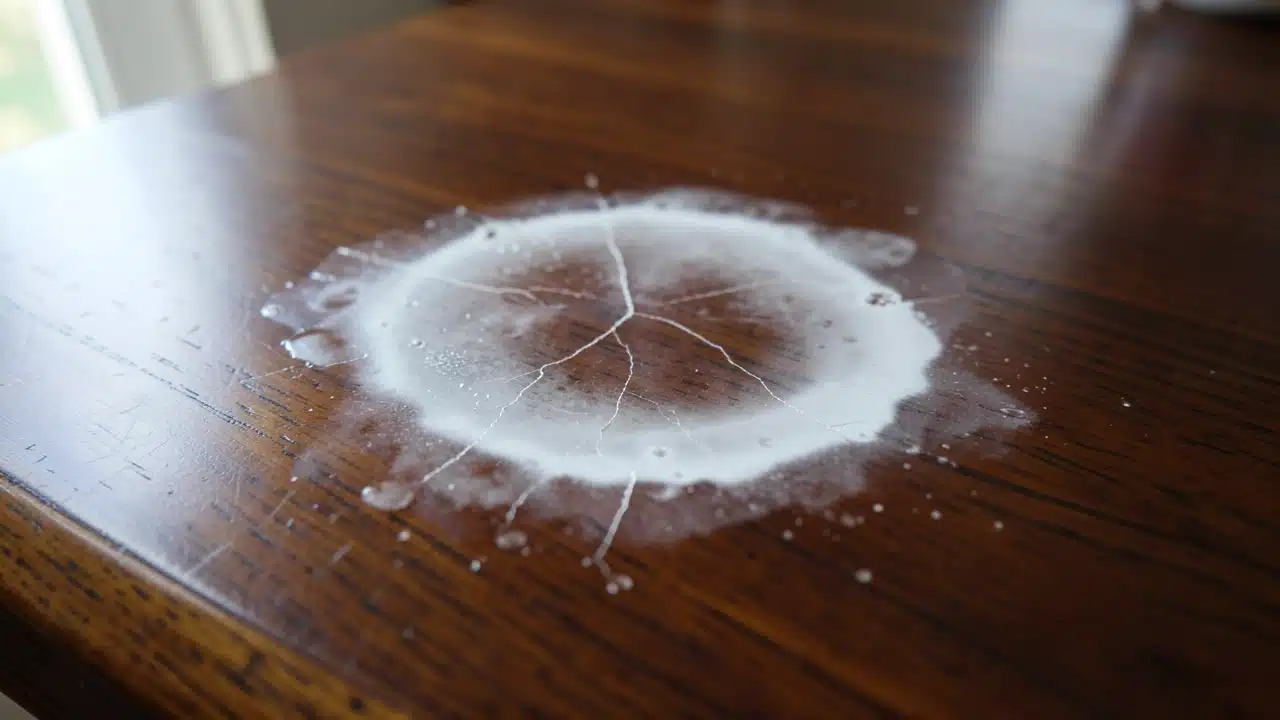
This damage isn’t always obvious at first. It might just look like a slightly dull spot.
Different types of finishes react differently to heat. For example, a simple wax finish offers very little protection against heat.
A more durable polyurethane finish can withstand some heat, but prolonged exposure can still cause it to become brittle or yellow over time.
Understanding What a Hot Bowl or Pan Does to a Wooden Dining Table Surface Over Time means knowing your finish’s limitations.
When the finish is damaged, the wood underneath becomes exposed. This makes it more susceptible to other types of damage, like water stains and scratches. The compromised finish can also make the table look worn and old, even if the wood itself is still sound.
Repairing a damaged finish can be a tricky process. For minor marks, you might be able to buff them out. But for more severe damage, you might need to sand down the table and reapply the finish.
This is why prevention is so much easier than repair when it comes to heat damage.
Long-Term Effects on the Wood Itself
Beyond the finish, the wood fibers themselves can suffer when exposed to intense heat. This is where the “over time” part of What a Hot Bowl or Pan Does to a Wooden Dining Table Surface Over Time really comes into play.
Wood is a natural material that contains moisture. When heat is applied quickly and intensely, it can cause the moisture within the wood to expand rapidly. This expansion can create internal stresses within the wood structure.
Over many instances of placing hot items on the table, these stresses can build up. This can lead to more serious issues like cracking or warping. Warping means the surface of the table might no longer be flat.
It could develop a slight curve or dip.
Cracking is even more serious. Small hairline cracks can appear on the surface. These can grow larger over time and become entry points for dirt and moisture, further damaging the wood.
This is a significant consequence of not protecting your table from heat.
Some woods are more prone to heat damage than others. Hardwoods like oak and maple tend to be more durable than softer woods like pine. However, even the hardest wood can be damaged if consistently exposed to high temperatures.
The type of wood matters, but so does the consistent exposure.
The long-term effects are not just cosmetic; they can affect the structural integrity of your table. A table that warps or cracks might become unstable or unsightly, shortening its lifespan considerably. This is why understanding What a Hot Bowl or Pan Does to a Wooden Dining Table Surface Over Time is crucial for preservation.
Preventative Measures: Protecting Your Table
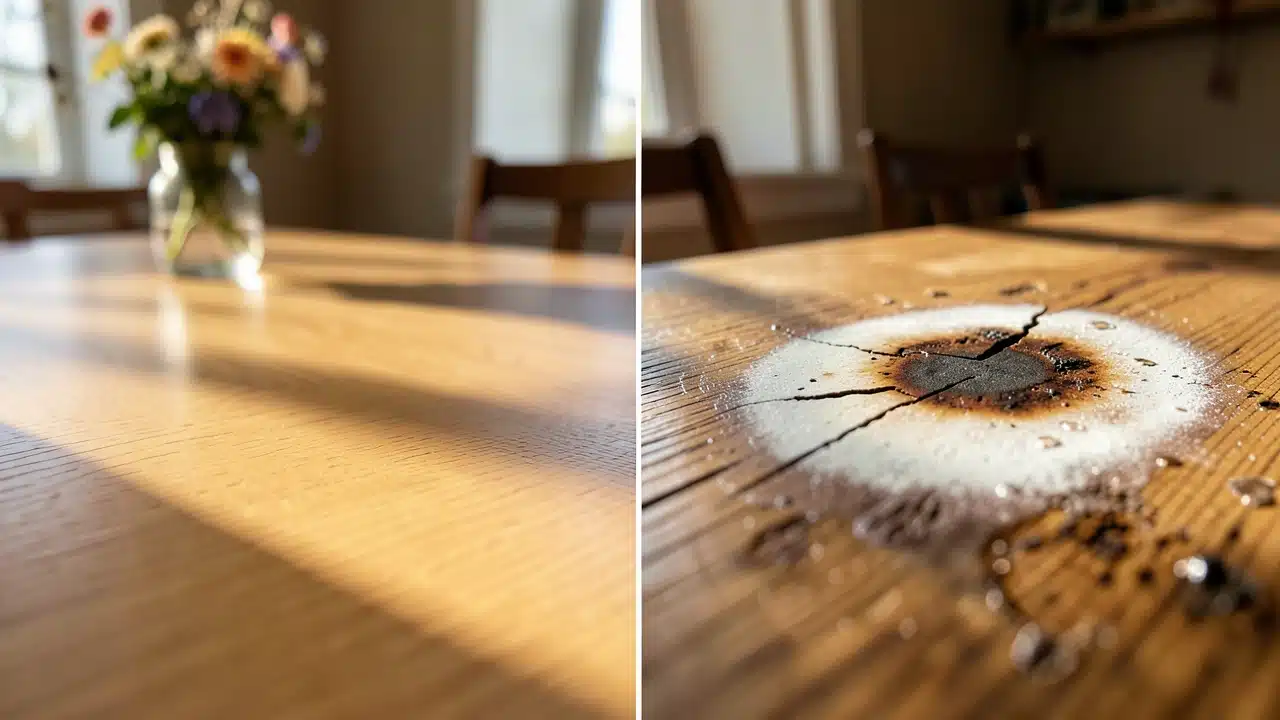
Fortunately, protecting your wooden dining table from hot bowls and pans is straightforward. The key is to create a barrier between the heat source and the wood. This prevents the heat from reaching the finish and the wood itself.
First, always use trivets or hot pads under hot dishes. These are specifically designed to absorb and dissipate heat. Make sure they are large enough to cover the entire base of the pot or bowl.
This is the most effective way to prevent damage.
Second, placemats serve a similar purpose. While they might not offer as much protection as a thick trivet, they can prevent direct contact for moderately hot dishes. Choose placemats made from heat-resistant materials like cork, silicone, or thick fabric.
Next, consider using a table runner. A substantial table runner can provide a buffer for serving dishes placed in the center of the table. Ensure it’s thick enough to offer protection.
Then, be mindful of steam. Even if a dish isn’t scorching hot, the steam rising from it can still damage the finish over time. Try to lift lids or allow steam to dissipate before placing dishes on the table.
Finally, when serving food directly from a hot pot on the stove, always transfer it to a serving dish that is already on a trivet. Don’t place the hot pot directly onto the table, even for a moment.
These simple habits go a long way in preserving your table’s beauty and preventing the long-term issues related to What a Hot Bowl or Pan Does to a Wooden Dining Table Surface Over Time.
Understanding Different Wood Types and Finishes
Not all wooden tables are created equal when it comes to heat resistance. The type of wood and the finish applied significantly influence how well a table can withstand hot items.
Hardwoods like oak, maple, walnut, and cherry are generally more dense and durable than softwoods like pine or fir.
This density can offer a bit more natural resistance to heat penetration. However, even hardwoods are not invincible to the effects of What a Hot Bowl or Pan Does to a Wooden Dining Table Surface Over Time. Government resources on preserving wooden surfaces offer additional guidance for table care.
The finish is arguably more important than the wood type for immediate heat protection. Here’s a look at common finishes:
| Polyurethane (Water-based or Oil-based) | Good | Durable, water-resistant, easy to clean. Forms a hard protective layer. | Can be prone to scratching, may yellow over time (especially oil-based). |
| Lacquer | Fair | Dries quickly, provides a smooth finish. | Less durable than polyurethane, can be susceptible to heat and alcohol damage. |
| Varnish | Good | Very durable, good water and heat resistance. | Can be thick and may alter the wood’s natural look. |
| Oil Finish (e.g., Tung Oil, Linseed Oil) | Fair to Good | Enhances natural wood grain, easy to repair locally. Feels natural to the touch. | Requires more frequent reapplication, less resistant to heat and stains than film finishes. |
| Wax Finish | Poor | Provides a soft sheen, easy to apply. | Offers minimal protection against heat, scratches, and water. Easily damaged. |
A table with a thick, high-quality polyurethane or varnish finish will generally handle accidental brief contact with a warm dish better than a table with a simple oil or wax finish. However, none of these finishes are meant for direct, prolonged contact with very hot items.
When you’re choosing a new table or considering refinishing an old one, inquire about the type of finish used.
This knowledge will help you understand its capabilities and limitations. Knowing about your table’s specific finish is a vital part of understanding What a Hot Bowl or Pan Does to a Wooden Dining Table Surface Over Time and how to prevent it. Knowing the different types of wood finishes helps you understand how your table reacts to heat.
Repairing Heat Marks and Damage
Despite your best efforts, sometimes heat marks happen. Fortunately, minor heat damage can often be repaired. The method depends on the type of mark and the table’s finish.
White Heat Marks (Heat Blooms):
These are often caused by moisture trapped in the finish. For minor white marks, you can try a few methods:
- Rubbing with toothpaste: Use a non-gel white toothpaste. Gently rub the mark with a soft cloth in the direction of the wood grain. Wipe clean with a damp cloth and then dry.
- Using a mild abrasive: Products like baking soda mixed with water or a very fine steel wool (0000 grade) can be used cautiously. Always test in an inconspicuous area first. Rub gently and in the direction of the grain.
- Ironing method: Place a clean cotton cloth over the mark. Briefly run a warm (not hot) iron over the cloth. The heat can help draw out the moisture. Move the iron constantly and check progress frequently.
Dark Heat Marks (Scorching):
These are more serious and indicate that the wood itself has been scorched. Repairing these often requires refinishing. Repairing heat damage to wood requires appropriate techniques depending on the severity.
- Sanding: You will likely need to sand down the affected area, potentially the entire tabletop, to remove the scorched wood. Start with a medium-grit sandpaper and progress to finer grits.
- Refinishing: After sanding, you’ll need to reapply the protective finish to match the rest of the table. This might involve staining the wood if the color has been affected.
Deep Scratches or Gouges from Hot Items:
If a hot pan has also scratched the table, you may need wood filler or a putty to fill the gouge before sanding and refinishing.
It’s important to remember that these repairs can be tricky. If you are unsure or the damage is extensive, it’s best to consult a professional furniture restorer. Understanding What a Hot Bowl or Pan Does to a Wooden Dining Table Surface Over Time also means knowing when to seek expert help for repairs.
Frequently Asked Questions Of What A Hot Bowl Or Pan Does To A Wooden Dining Table Surface Over Time
What is the quickest way to fix a white heat mark on my table?
For a white heat mark, try gently rubbing it with a soft cloth and non-gel white toothpaste, or use the warm iron-over-cloth method. Always test in a hidden spot first.
Can steam from a pot damage my wooden table?
Yes, prolonged exposure to steam can damage the protective finish on a wooden table, making it dull or cloudy over time, similar to how What a Hot Bowl or Pan Does to a Wooden Dining Table Surface Over Time.
How long does it take for heat damage to become permanent?
Permanent damage can occur with just one very hot item left for an extended period, or through repeated exposure to moderately hot items over months or years. The cumulative effect of What a Hot Bowl or Pan Does to a Wooden Dining Table Surface Over Time is significant.
Are silicone trivets safe for all wooden table finishes?
Silicone trivets are generally safe and provide excellent heat protection. However, some very old or delicate finishes might still react. It’s always wise to use them consistently.
What if my table has a natural oil finish, how do I protect it from heat?
Tables with oil finishes need regular reapplication of oil. Use trivets and placemats diligently as these finishes offer less protection against direct heat than film finishes.
Can I use a hot oven mitt to move a hot dish on my table?
No, oven mitts are not designed for this. They are for handling hot items, not for resting them on surfaces. Always use a trivet or hot pad.
Final Thoughts
Protecting your wooden dining table from hot dishes is simple. Using trivets and placemats creates a barrier against heat damage. This prevents marks and preserves the beauty of your table for years to come.