Remove stains from a marble dining table without damaging the surface by acting quickly and using only gentle, pH-neutral methods suited to the stone's porous, acid-sensitive nature. For everyday spills, blot the area immediately and clean with pH-neutral soap and water, while deeper oil or food stains require a baking soda poultice to draw the residue out of the stone. Avoid vinegar, lemon, bleach, and abrasive pads, which etch or dull marble, and matching the treatment to the specific stain type protects the finish and preserves the table's appearance.
Remove stains from a marble dining table by acting gently, because marble is porous and acid-sensitive.
Blot spills quickly, clean with pH-neutral soap and water, and use a baking soda poultice for deeper oil or food stains. Avoid vinegar, lemon, bleach, abrasive pads, and harsh cleaners that can etch or dull the surface.
Your beautiful marble dining table can be a centerpiece for many happy meals. But spills happen, and a tough stain can quickly ruin the look.
Knowing How To Remove Stains From a Marble Dining Table Without Damaging the Surface is key to keeping it looking its best for years.
You’ll gain confidence in tackling messes, preserving your investment, and enjoying a flawless dining space. We’ll cover simple, safe ways to handle common stains and protect your marble.
Key Takeaways
- You will learn gentle methods for removing common stains from marble dining tables.
- Discover how to identify different types of stains for the best treatment.
- Understand which cleaning products are safe and which to avoid for marble.
- Learn how to create effective poultices for stubborn marks.
- Find out how to prevent future stains and protect your marble surface.
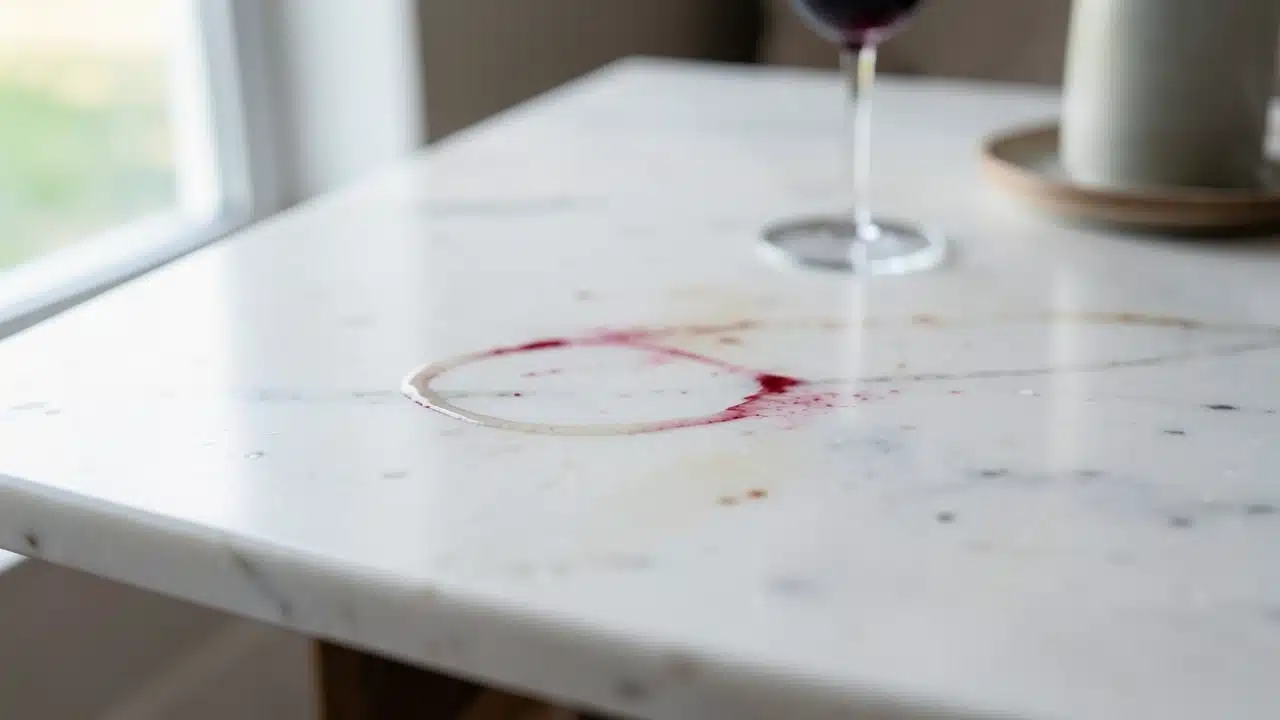
Understanding Marble and Stains
Marble is a natural stone. It looks gorgeous, but it’s also quite soft. This means it can scratch easily.
It also has tiny pores. These pores can soak up liquids, leading to stains. Different liquids can cause different kinds of marks.
Knowing your marble type helps too. Some marbles are more porous than others. Being gentle is always the best approach when cleaning.
Why Marble Stains Easily
Marble’s porous nature is the main reason it stains. Think of it like a sponge. When something spills, the liquid can seep into the stone.
The longer it sits, the deeper it goes. This is especially true for acidic liquids like wine, lemon juice, or vinegar. Oily substances can also leave dark spots.
Even water can leave a mark if left too long.
Common Stain Types on Marble
Several common culprits can leave marks on your table. These include:
- Organic Stains: These come from food, drinks, leaves, or pet waste. They often look pinkish or brown. Coffee, tea, and fruit juice are common examples.
- Oil-Based Stains: These are from grease, cooking oil, or cosmetics. They tend to darken the marble. Butter, salad dressing, and lotions can cause these.
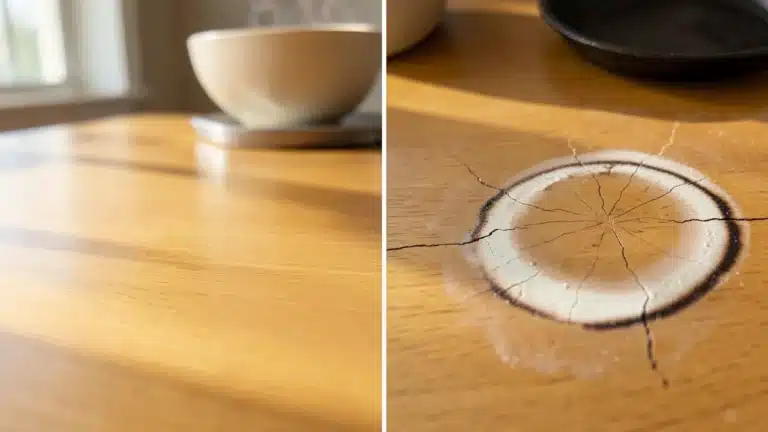
- Water Spots: Hard water can leave rings. These happen when water evaporates. They are often light or chalky.
- Rust Stains: These are reddish-brown. They usually come from metal objects left on the surface. Think of tin cans or iron furniture legs.
- Etching: This isn’t a true stain but a physical change. Acids can dull the marble’s shine. It looks like a dull spot or a faint ring.
Safe Cleaning Methods for Marble
When cleaning marble, always start with the gentlest method. You want to avoid harsh chemicals. These can etch or discolor the stone.
Simple, everyday items can often do the trick. Always test any cleaning solution in an inconspicuous spot first. This ensures it won’t harm your table.
Blotting is better than rubbing when dealing with spills.
Everyday Cleaning and Spill Response
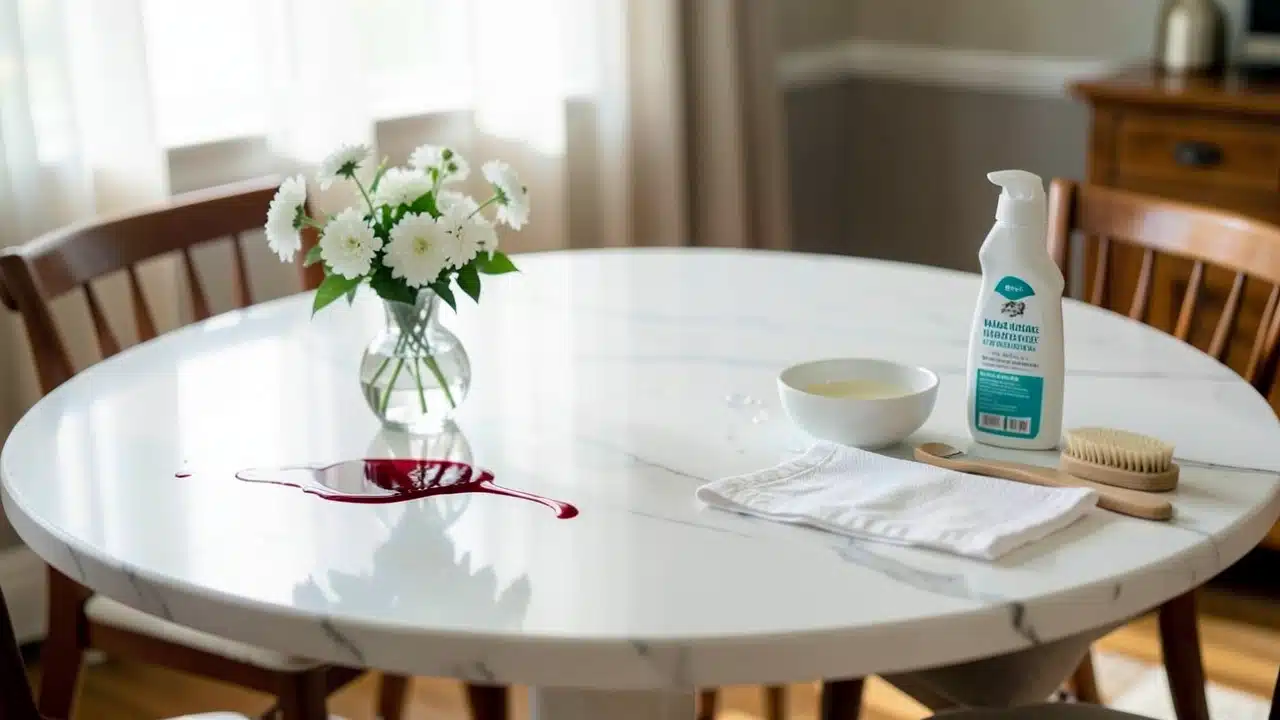
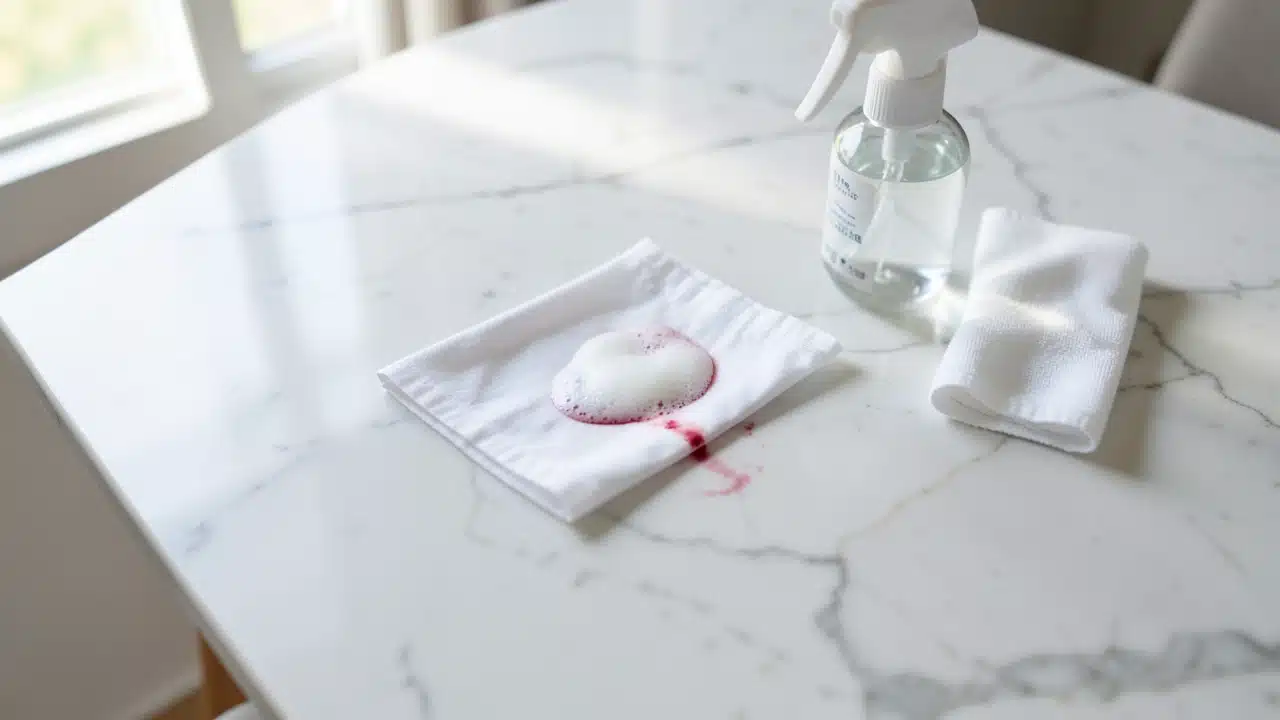
For fresh spills, act fast. First, gently blot up as much liquid as possible. Use a soft, clean cloth or paper towel.
Do not wipe, as this can spread the stain. For light dirt or dust, a soft cloth dampened with plain water is usually enough. Dry the surface thoroughly afterward with a clean, dry cloth.
This prevents water spots.
Gentle Soaps and Water
If water alone doesn't work, try a mild, pH-neutral dish soap. Mix a few drops of soap with warm water. Dampen a soft cloth with the solution.Wipe the stained area gently. Rinse the cloth with clean water and wipe the area again. This removes any soap residue.
Then, dry the table completely with a soft, lint-free cloth.
Using Rubbing Alcohol for Certain Stains
Rubbing alcohol can be effective for some stains, especially ink or dye. Dampen a cotton ball or soft cloth with isopropyl alcohol. Gently dab the stain.
Work from the outside of the stain inward. This helps prevent spreading. Rinse the area with a damp cloth and dry it well.
Always test this in a hidden spot first.
Advanced Stain Removal Techniques
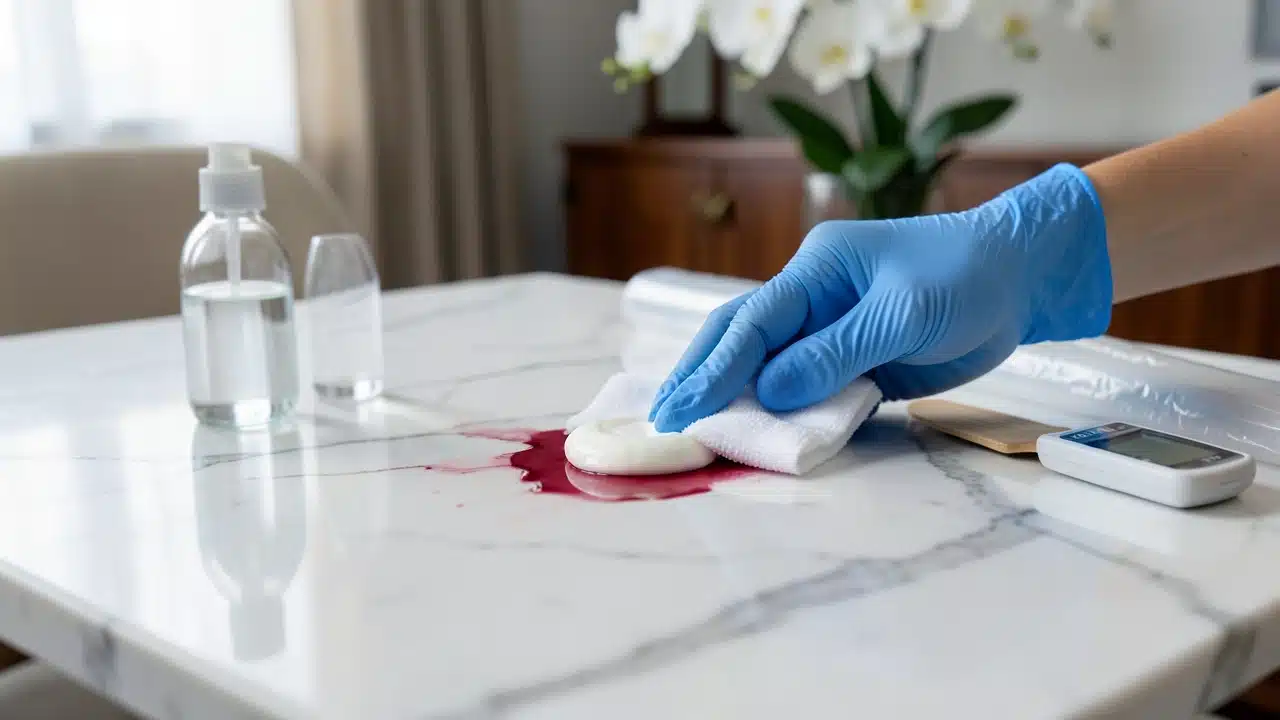
Sometimes, simple wiping isn’t enough. For tougher stains, a poultice can draw the stain out of the stone. A poultice is a paste made from an absorbent material and a cleaning agent.
It works by pulling the stain into the absorbent material as it dries. This is a crucial technique for How To Remove Stains From a Marble Dining Table Without Damaging the Surface.
What is a Poultice?
A poultice is a thick paste. It’s applied directly to the stain. The paste needs to be moist when applied.
You then cover it to keep it from drying out too quickly. As the poultice dries, it absorbs the stain from the marble. This process can take 24 to 48 hours.
Creating and Using Poultices
The type of poultice you need depends on the stain. Here are some common ones:
- For Organic Stains (food, coffee, tea): Mix baking soda with hydrogen peroxide to form a paste. Use a 12% hydrogen peroxide solution if possible, but a standard 3% solution can also work. Add just enough to make a thick paste.
- For Oil-Based Stains (grease, butter): Mix baking soda or diatomaceous earth with a small amount of ammonia. Use ammonia sparingly and ensure good ventilation.
- For Water Spots: These are often etched. You might need a marble polishing powder. Follow the product instructions carefully.
- For Rust Stains: Use a commercial rust remover specifically designed for marble. Follow the product instructions exactly. These can be strong.
Next, apply the poultice to the stained area. It should be about a quarter to half an inch thick. Cover the poultice with plastic wrap.
Tape down the edges to seal it. Poke a few small holes in the plastic to allow air circulation. Let it sit for 24-48 hours.
Then, remove the plastic wrap and let the poultice dry completely. Scrape away the dried poultice with a plastic scraper. Rinse the area with a damp cloth and dry thoroughly.
You may need to repeat the process for stubborn stains.
Poultice Application Steps
- Mix your poultice: Combine your absorbent material (like baking soda) with the appropriate cleaning agent (like hydrogen peroxide or ammonia) to make a thick paste.
- Apply the poultice: Spread the paste over the stain, making it about 1/4 to 1/2 inch thick.
- Cover the poultice: Lay plastic wrap over the poultice and tape down the edges. Poke a few small holes in the plastic.
- Let it work: Leave the poultice in place for 24 to 48 hours.
- Remove and dry: Take off the plastic wrap. Let the poultice dry completely.
- Clean up: Gently scrape away the dried poultice with a plastic scraper. Rinse the area with a damp cloth and dry thoroughly.
- Repeat if needed: For very tough stains, you might need to repeat this process.
What to Avoid When Cleaning Marble
Marble is sensitive. Some common household cleaners can cause damage. Knowing what to steer clear of is just as important as knowing How To Remove Stains From a Marble Dining Table Without Damaging the Surface.
Harsh Chemicals and Acids
Never use acidic cleaners on marble. This includes vinegar, lemon juice, and many all-purpose cleaners. They will etch the surface, dulling the shine.
Also, avoid abrasive cleaners. These can scratch the marble. Scouring pads, steel wool, and abrasive powders are a no-go.
Abrasive Tools
Using the wrong tools can cause scratches. Always opt for soft cloths, sponges, or paper towels. Avoid stiff brushes or scrub pads that can mar the finish.
Even wiping with a gritty cloth can cause micro-scratches over time.
Excessive Water
While you use water for cleaning, don’t let water sit on the marble for too long. As mentioned, standing water can lead to water spots or rings. Always dry the surface thoroughly after cleaning.
Preventing Stains on Your Marble Table
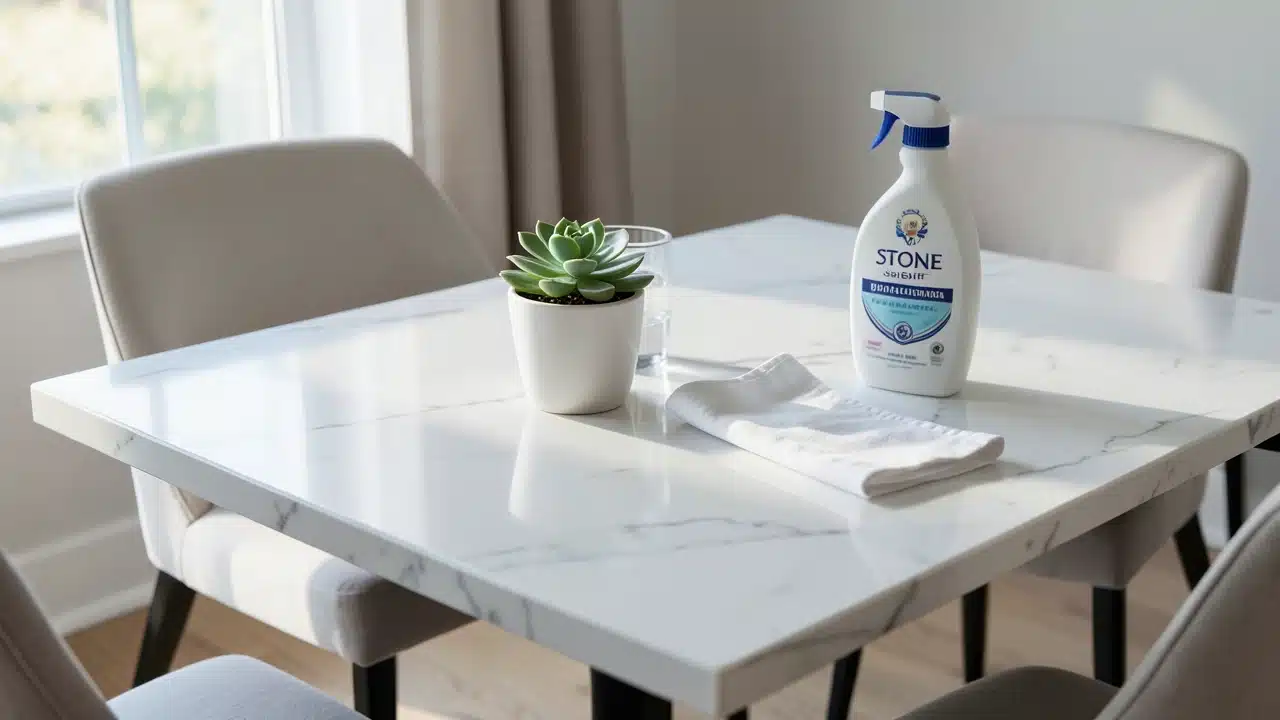
The best way to deal with stains is to prevent them. A little bit of proactive care goes a long way. This helps maintain the beauty of your table without constant worry about How To Remove Stains From a Marble Dining Table Without Damaging the Surface.
Sealing Your Marble Table
Marble is often sealed when it’s installed. This sealant helps fill the pores. It makes the stone less absorbent.
Over time, the sealant can wear away. You should reseal your marble table periodically. A good sealant will make water bead up on the surface.
If water soaks in, it’s time to reseal.
Using Coasters and Placemats
This is a simple yet effective step. Always use coasters for drinks. Use placemats for plates, especially hot ones.
This protects the marble from spills and heat. It also prevents scratches from cutlery.
Wiping Spills Immediately
We’ve said it before, but it’s worth repeating. The moment a spill happens, blot it up. Don’t let it sit.
This simple habit can save you a lot of cleaning effort later.
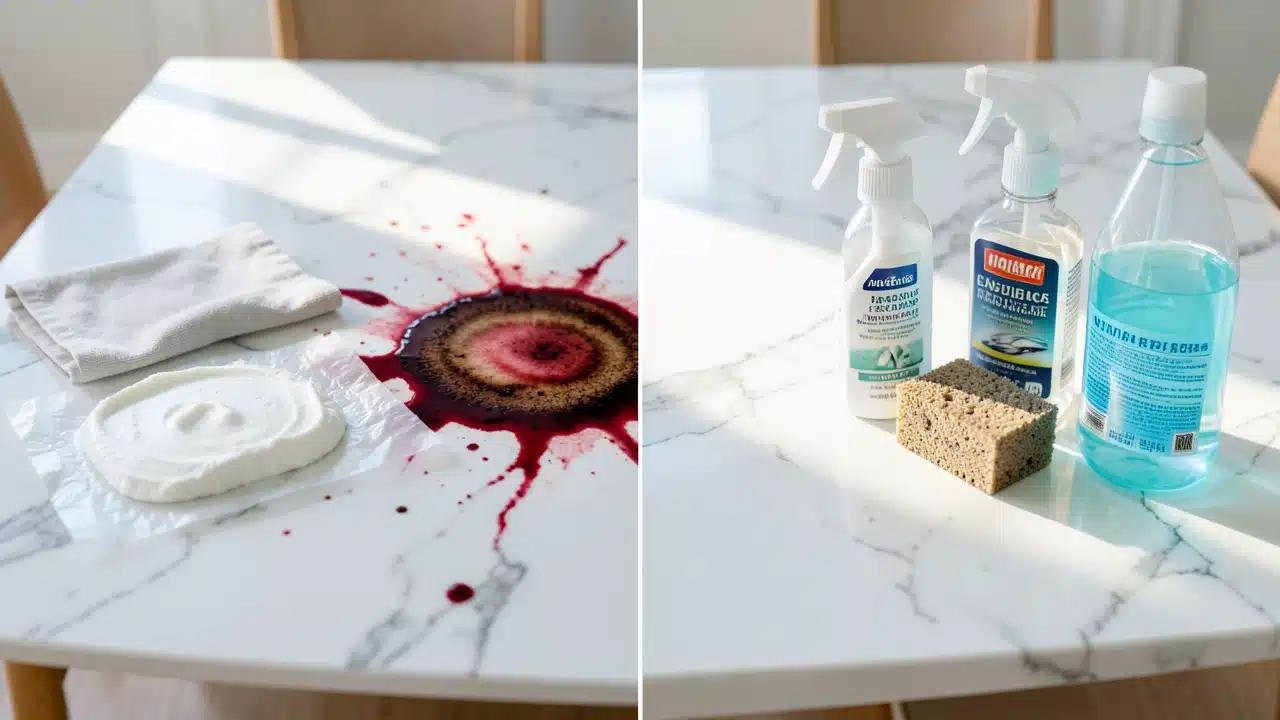
Comparison of Stain Removal Methods
Different stains need different approaches. Here’s a quick look at what works best for common issues. Different stain removal methods are needed for organic, oil-based, and water-based stains.
| Organic (Coffee, Wine) | Mild soap and water, blot | Baking soda + Hydrogen Peroxide poultice | Acids, abrasive cleaners |
| Oil-Based (Grease) | Mild soap and water, blot | Baking soda + Ammonia poultice | Water (can spread oil) |
| Water Spots | Dry thoroughly | Marble polishing powder (for etching) | Abrasive scrubbing |
| Rust | Professional cleaner (if mild) | Commercial rust remover for marble | Acids, household rust removers |
| Etching (Dull Spots) | None (requires polishing) | Marble polishing powder | Acids, scrubbing |
Understanding these differences helps you tackle any problem effectively. This guide to How To Remove Stains From a Marble Dining Table Without Damaging the Surface aims to give you all the tools you need. Official guidelines for cleaning marble surfaces emphasize using pH-neutral products and avoiding abrasives.
Frequently Asked Questions Of How To Remove Stains From A Marble Dining Table Without Damaging The Surface
How often should I seal my marble dining table?
You should reseal your marble dining table about once a year, or whenever you notice water soaking into the stone instead of beading up.
Can I use a regular kitchen cleaner on my marble table?
No, most regular kitchen cleaners are too harsh for marble. They often contain acids or abrasives that can damage the surface. Stick to mild, pH-neutral soaps.
What is the best way to remove a dark spot from oil on my marble table?
For oil stains, create a poultice with baking soda and a little ammonia. Apply it to the stain, cover it, let it dry for 24-48 hours, then scrape it off and clean the area.
My marble table has dull spots. How do I fix them?
Dull spots are usually etching. You can try using a marble polishing powder designed for etching. Follow the product instructions carefully.
Is it safe to use vinegar to clean my marble table?
Absolutely not. Vinegar is acidic and will etch your marble, dulling its shine. Always avoid acidic cleaners on marble surfaces.
How do I know if my marble table is sealed properly?
A properly sealed marble surface will cause liquids to bead up. If a spill soaks into the stone quickly, it’s likely time to reseal.
Can I restore the shine after a stain has been removed?
For some stains, especially those that caused etching, you might need to use a marble polishing powder to restore the shine. Always test in a small area first.
Final Thoughts
Keeping your marble dining table pristine is achievable. By understanding your marble’s needs and using the right gentle methods, you can effectively handle stains. Remember to act quickly on spills and protect your surface with sealants and care.
You’ve learned How To Remove Stains From a Marble Dining Table Without Damaging the Surface, giving you the confidence to maintain its beauty.