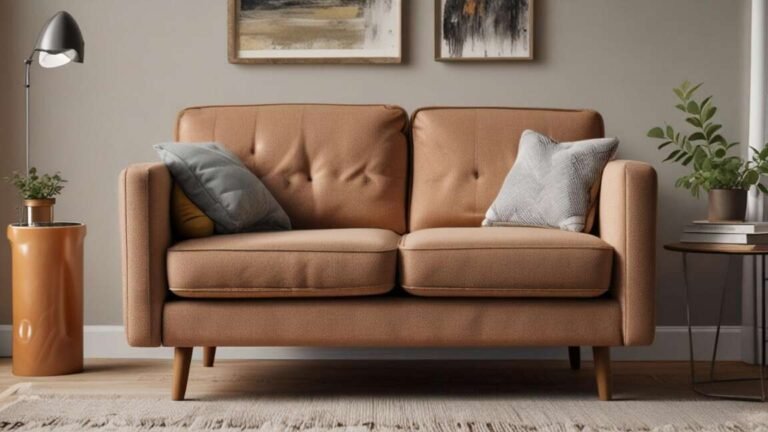
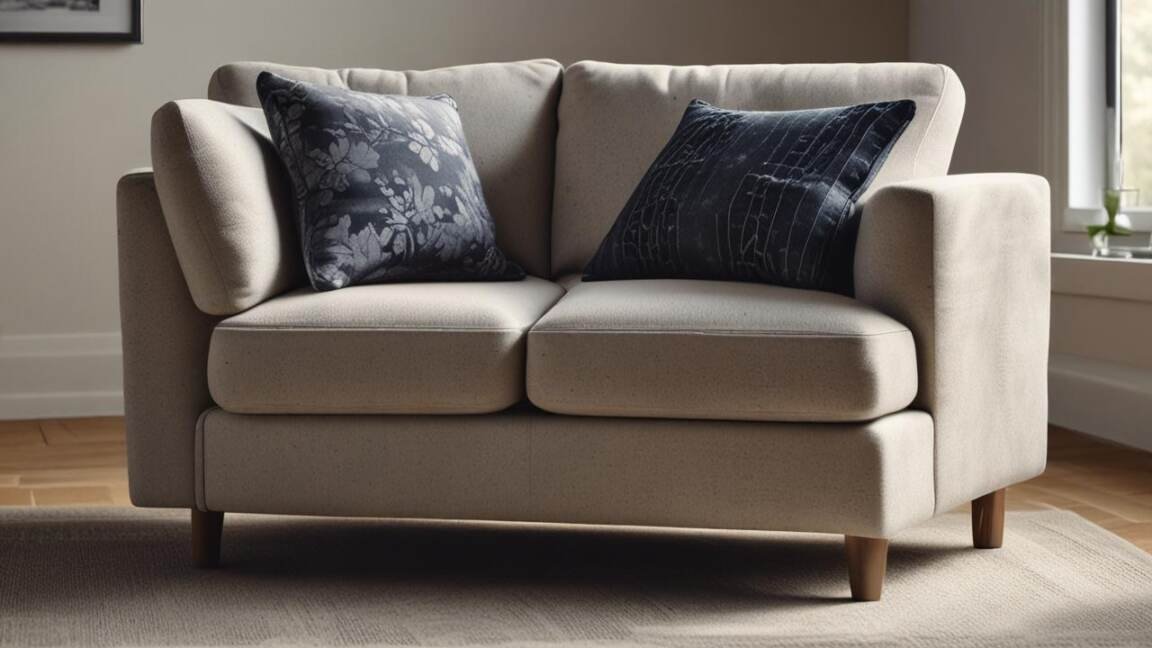
It is time to replace your loveseat for good when the frame is cracked or broken, cushions no longer bounce back after sitting, fabric is torn or stained beyond repair, springs poke or squeak, or new allergies or odors arise. A typical loveseat lasts 7 to 10 years, and replacing it is more cost-effective than repairs that exceed half the price of a new one. Recognizing these signs helps you invest in comfort and avoid wasting money on a piece that no longer functions safely or supports your space.
Your loveseat shows daily wear from sitting, pets, and spills. This guide helps you spot when is it time to replace your loveseat for good, so you can decide with confidence.
Quick Verdict: In short, replace your loveseat when the frame is broken, cushions no longer support you, fabric is torn beyond repair, or it causes discomfort. A typical loveseat lasts 7-10 years. If repairs cost more than half of a new one, buy new.
Most loveseats last 7-10 years with average use, according to the. Foam degrades, springs weaken, and fabric wears out. Knowing the signs saves you money and improves your comfort.
Key Takeaways
- A loveseat’s useful life is typically 7-10 years, but heavy use or poor materials can shorten it to 5 years.
- Repairing a loveseat makes financial sense only when the cost is under 50% of a replacement.
- Sagging cushions that don’t bounce back after 10 minutes indicate the foam has lost its density.
- Visible frame damage, such as cracked wood or broken legs, is a clear sign the piece is unsafe.
- Allergies or persistent odors trapped in the fabric may require replacement rather than cleaning.
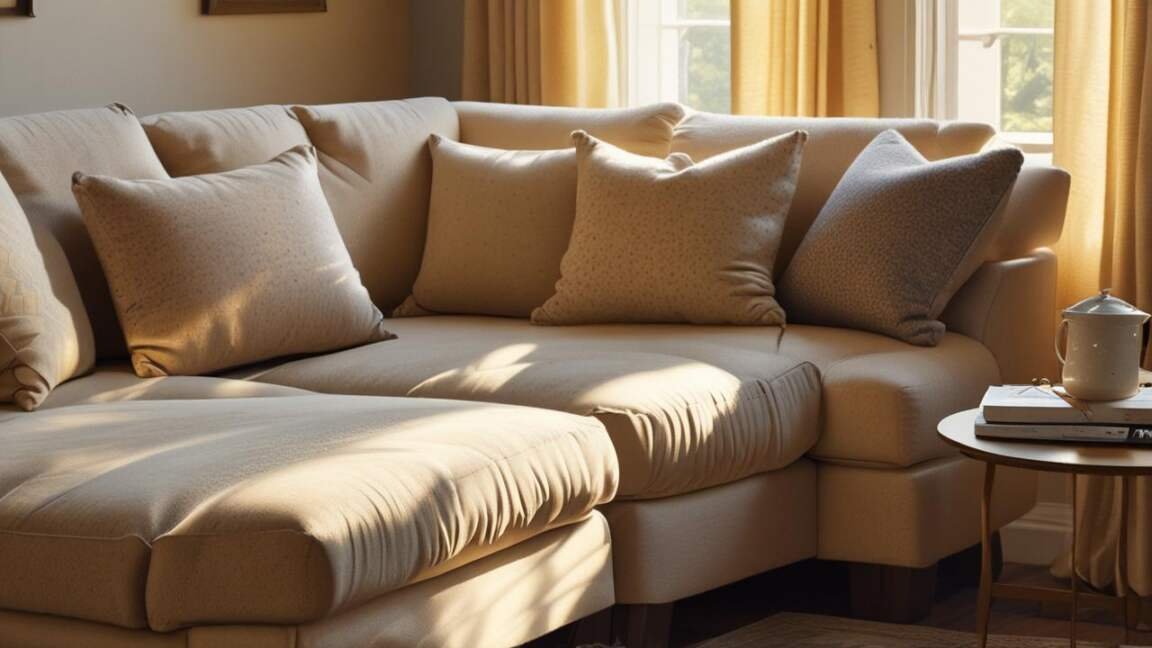
What Is the Typical Lifespan of a Loveseat?
A loveseat’s lifespan depends on materials, daily use, and maintenance. The reports that upholstered furniture lasts 7-9 years. Loveseats see more wear than sofas because they hold two people in high-traffic rooms.
Use this table to estimate how long your loveseat should last by material type:
| Material | Average Lifespan | Key Signs of Wear |
|---|---|---|
| Leather | 10-15 years | Cracking, peeling, permanent creases |
| Fabric (cotton, polyester) | 7-10 years | Fading, pilling, thinning, stains |
| Microfiber/suede | 5-7 years | Matting, color loss, crushed nap |
| Bonded leather | 3-5 years | Flaking, peeling in large sheets |
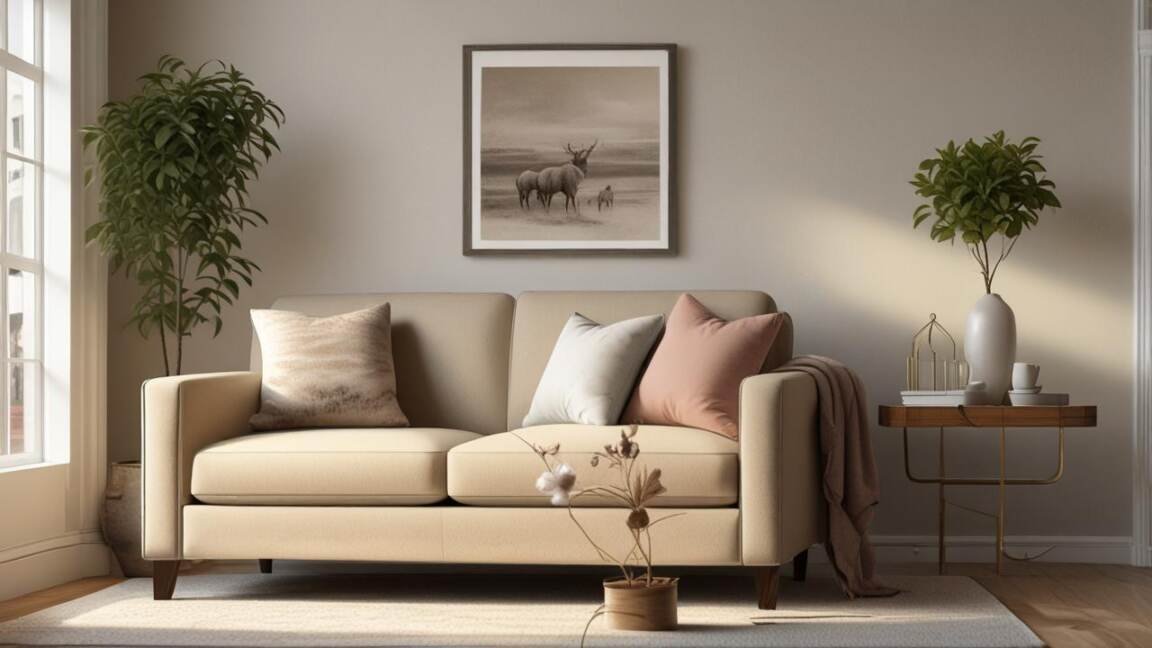
Signs It’s Time to Replace Your Loveseat for Good
You do not need to wait for the frame to collapse. Watch for these clear signals that when is it time to replace your loveseat for good is now.
1. The Frame Is Cracked or Broken
A solid frame holds the loveseat together. Stand at the back and push down hard. If the frame flexes or creaks, the wood may be cracking. According to, plywood frames often fail after 5-8 years of normal use. Kiln-dried hardwood frames last longer but still break under heavy weight.
Warning: A broken frame is a safety hazard. Do not attempt to repair a cracked plywood frame yourself. The cost of professional repair often exceeds the price of a new loveseat.
2. Cushions Have Lost Their Shape
Foam cushions should bounce back within 10-20 minutes after you stand up. If they stay flattened, the polyurethane foam has degraded. The notes that foam loses 50% of its support after 7 years of daily use. Fluffing or rotating cushions does not fix this – the cells have collapsed.
- You sink into the cushion and feel the wooden base.
- You see permanent indentations even when no one sits on them.
- The seat feels lumpy or uneven.
3. Fabric Is Torn, Stained, or Frayed Beyond Repair
Small tears can be patched, but large rips or fraying edges mean the fabric is done. Stains that won’t lift after professional cleaning also signal the end. Pet claws, sun exposure, and general friction weaken fibers over time. According to the, only 15% of set-in fabric stains can be fully removed by professional cleaners.
4. The Springs Are Poking or Squeaking
Sinuous springs are common in modern loveseats. When they snap or become loose, you feel a metal bar under the cushion. A temporary fix is possible, but replacements often cost $100-$200. The research group reports that 40% of loveseat replacements are prompted by spring failure.
5. You Have New Allergies or Persistent Odors
Old loveseats trap dust mites, pet dander, mold, and mildew inside the foam and fabric. A study by the found that upholstered furniture can harbor 10x more allergens than hard surfaces. If cleaning does not relieve your symptoms, the foam has become a breeding ground.
6. The Style No Longer Works for Your Space
This is a valid reason, even if the loveseat is still functional. Changing room layouts, moving to a new home, or updating your decor may warrant replacement. According to the, homeowners refresh living room seating every 6-8 years on average.
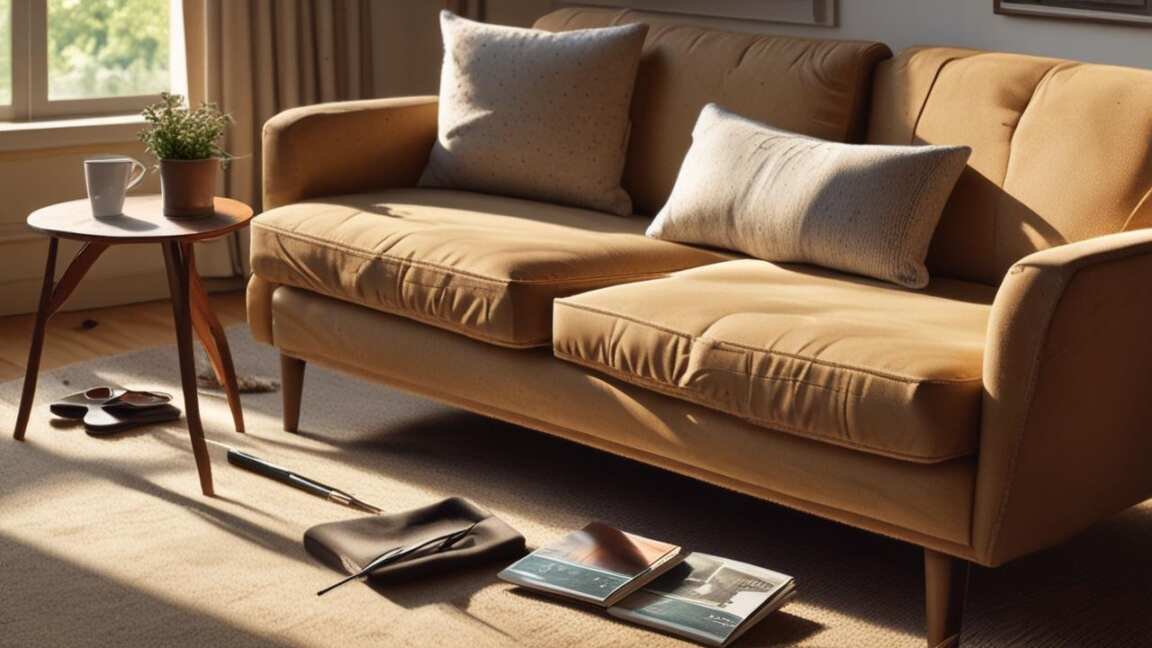
How to Decide Between Repair and Replacement
Not every worn loveseat needs to go to the dump. Use this table to weigh your options.
| Issue | Repair Cost (USD) | Replace If |
|---|---|---|
| New foam cushions | $50-$100 each | Frame is also broken or fabric needs replacing |
| Reupholster fabric | $500-$1,200 | New loveseat costs less than $600 |
| Replace springs | $100-$200 | Multiple springs broken or frame sagging |
| Fix broken frame | $150-$400 | Repair cost >50% of replacement price |
Important: A repair that costs more than 50% of a new loveseat is rarely worth it. New loveseats at mid-range retailers (like IKEA or Wayfair) start at $250-$400. Reupholstering an old one typically runs $600-$1,200.
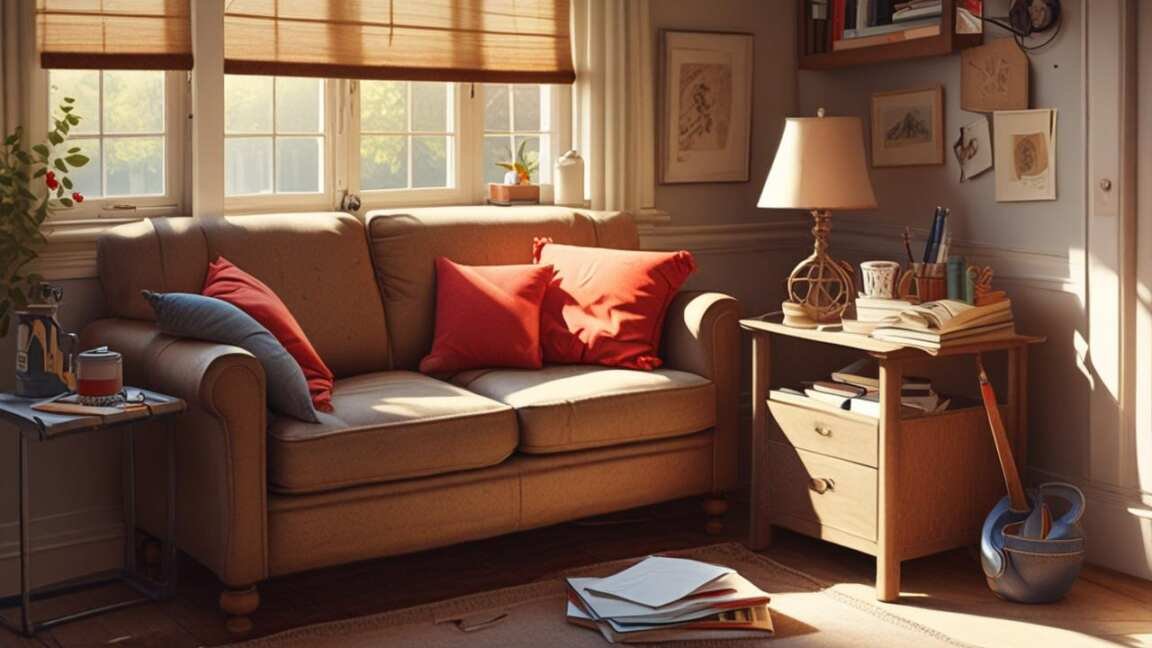
Loveseat Replacement Checklist
Use this checklist before you shop. It helps you confirm that when is it time to replace your loveseat for good is truly the answer.
- Check the frame by pressing down on the center back. Listen for cracking or creaking.
- Test each cushion. If it does not regain shape within 20 minutes, note it as a replacement reason.
- Examine all fabric surfaces for tears, stains, or fraying that you cannot mend.
- Feel under the cushions for poking springs or sagging webbing.
- Sniff the cushions. If you detect mold, mildew, or pet odor that persists after cleaning, mark it.
- Measure your space. A new loveseat should fit the room layout.
- Set a budget. New loveseats range from $200 to $1,500 depending on quality.
- Decide on disposal. Donate if it is in fair condition, or recycle the fabric and foam.
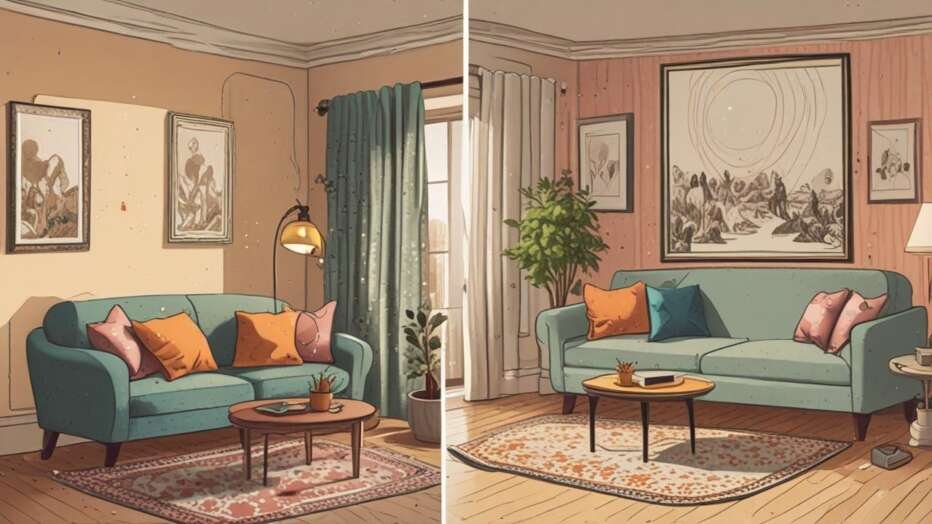
Common Myths vs Facts About Loveseat Replacement
Myth 1: You Can Fix Sagging Cushions by Fluffing Them
Fact: Fluffing redistributes fiber fill, but it does not restore collapsed foam. According to the, once foam loses 50% of its original support, it will never bounce back. Replacement cushions are the only real fix.
Myth 2: A Professional Cleaner Can Remove All Stains
Fact: The reports that only 15% of set-in stains are fully removable. Deep-set oil, wine, or pet urine often stays. If the fabric still looks bad after cleaning, replacement makes sense. For furniture buying tips, consult official consumer resources to make informed decisions about replacing your loveseat.
Myth 3: All Loveseats Can Be Reupholstered for Less Than a New One
Fact: Reupholstering a loveseat costs $500-$1,200. A new mid-range loveseat is $300-$800. The advises reupholstering only if the frame is high-quality hardwood and you love its size and style. Following sofa replacement guidelines ensures you choose a new loveseat that fits your needs and space.
Frequently Asked Questions
How long should a loveseat last on average?
A well-made loveseat with regular use lasts 7-10 years. Leather can push to 15 years, while bonded leather or low-end fabric may fail in 3-5 years.
Is it worth replacing just the cushions on a loveseat?
Yes, if the frame and fabric are still in good shape. New foam cushions cost $50-$100 each. If you need new fabric too, replacement is often cheaper.
Can a broken loveseat frame be repaired?
Some hardwood frames can be glued and reinforced. Plywood frames are harder to repair and usually not worth the cost. A professional furniture repair shop can give you a quote.
What should I do with my old loveseat?
Donate it to a local charity if it is still usable. If it is too worn, call your city’s bulky waste pickup service. Many retailers offer free haul-away when you buy a new one.
How do I know if my loveseat is still safe to sit on?
Check for broken legs, exposed springs, or a sagging frame. If any part of the frame touches the floor when you sit down, the structure is unsafe.
Final Thoughts
Knowing when is it time to replace your loveseat for good comes down to comfort, structure, and cost. A broken frame or collapsed foam are clear triggers. If repairs run more than half the price of a new one, buy new. Your back and your living space will thank you. Understanding the loveseat reupholstery process can help you decide whether to repair or replace your furniture.