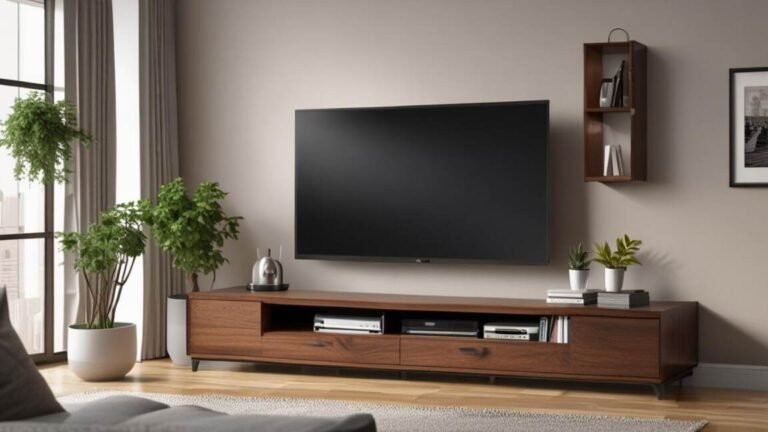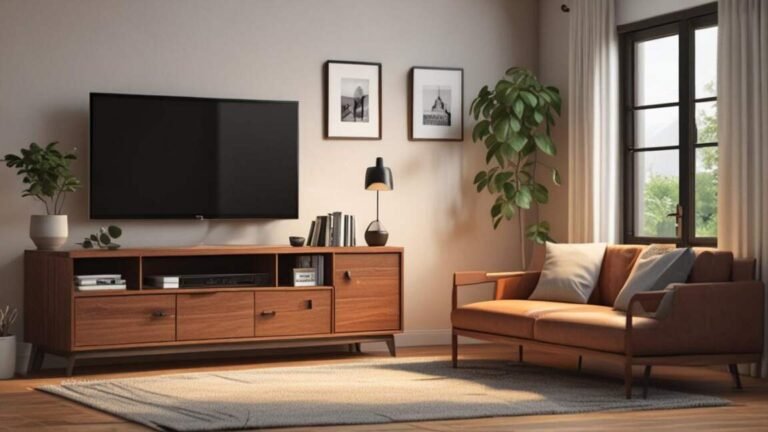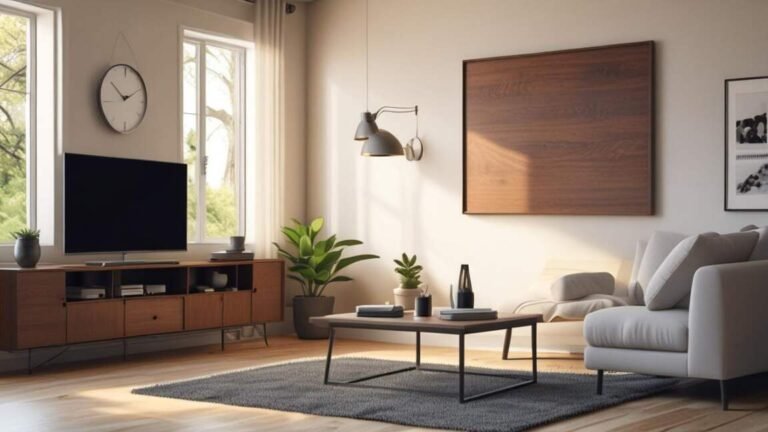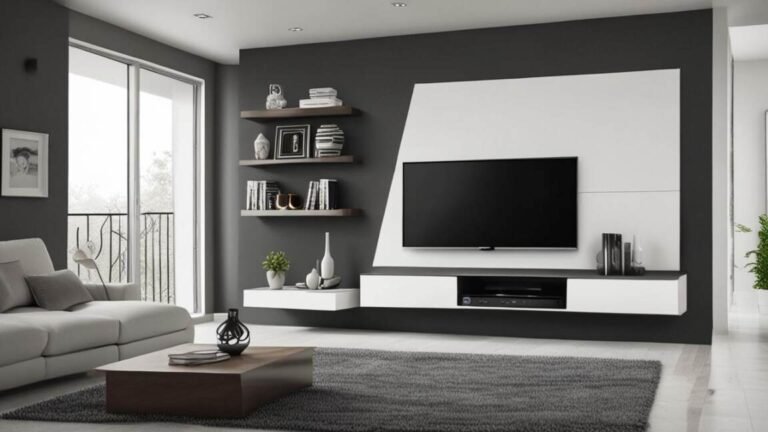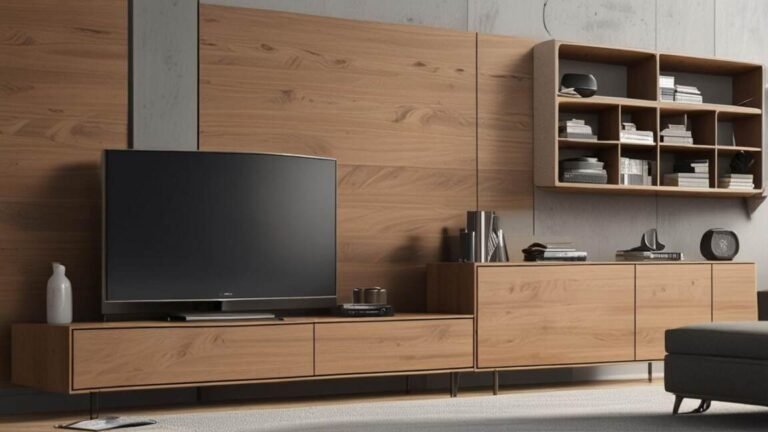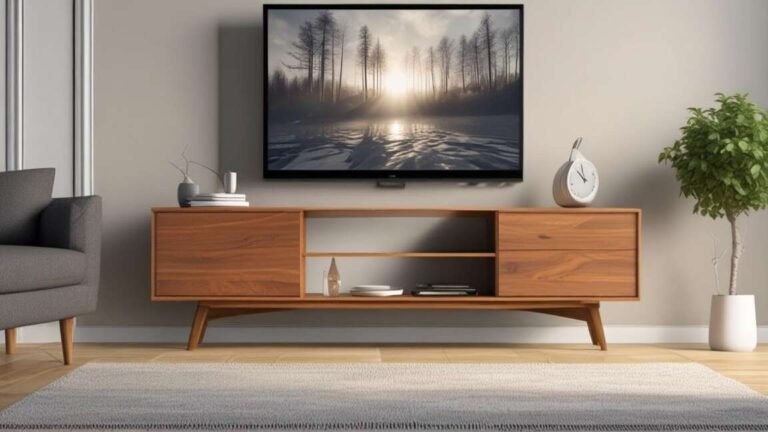
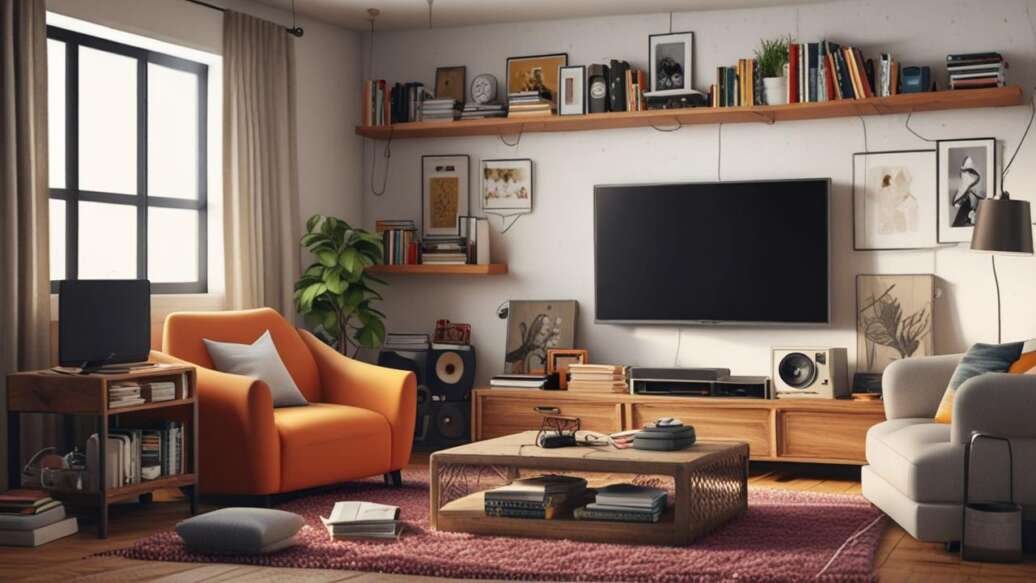
The most common mistakes when choosing a first TV console with storage include ignoring the TV's weight and size limits, neglecting cable management, and prioritizing style over proper ventilation for electronics. Getting the viewing height wrong and failing to measure audio components like soundbars also frequently derail a functional media setup. A practical takeaway is that selecting the right material for your environment and ensuring weight distribution with safety straps are critical for long-term safety and usability.
Most people spend weeks researching a new TV but only minutes picking the console that holds it. This leads to expensive mistakes, cable clutter, and a setup that feels off.
In short, buying a TV console with storage involves many common pitfalls. Most people get the size wrong, forget about ventilation, or ignore cable management entirely. Avoiding these mistakes means your media center will be functional, safe, and visually clean for years to come.
Key Takeaways
- Your console must physically support the total weight and specific footprint of your modern television set.
- Open shelving is not practical for hiding everyday media items like game controllers and streaming boxes.
- Soundbars and center channel speakers require a clear, unobstructed path to deliver optimal audio quality.
- Full-extension drawers offer much better access to your connected devices compared to standard fixed shelves.
- Solid wood consoles handle humidity changes much better than budget particle board alternatives.
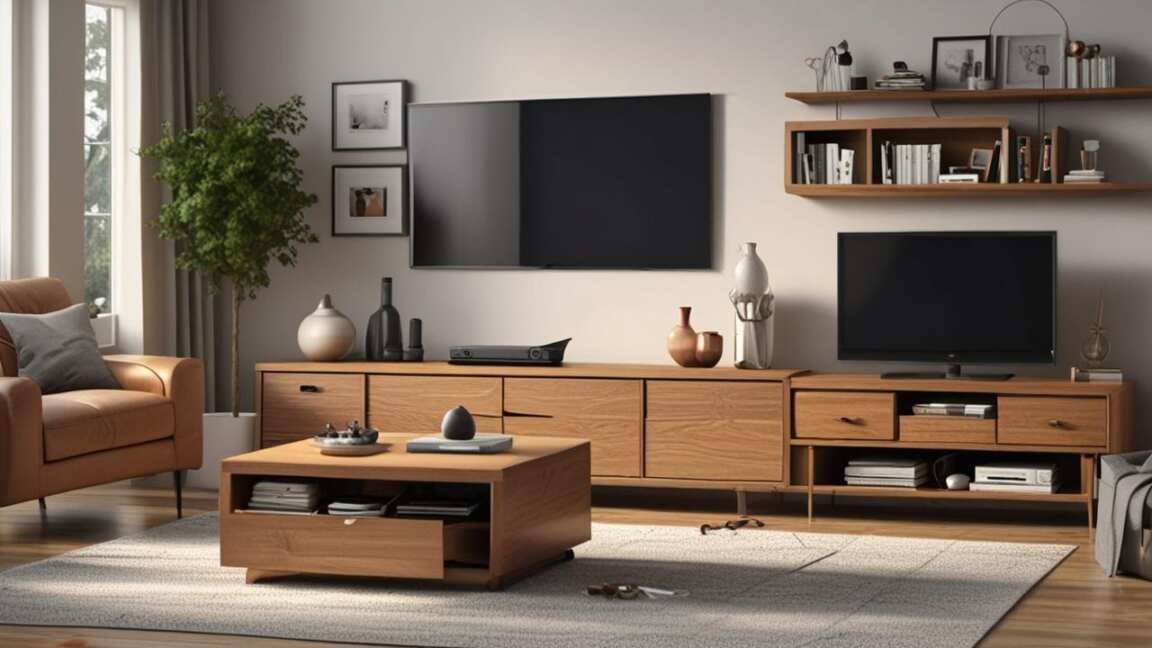
Quick Comparison of the 7 Common Mistakes
| Mistake | Common Outcome | Best Practice |
|---|---|---|
| Ignoring TV Size and Weight | Console too small; TV overhangs | Measure TV width and total weight first |
| Forgetting Cable Management | Messy tangle of visible wires | Look for consoles with built-in grommets |
| Choosing Style Over Ventilation | Overheating gaming consoles | Select open shelves or mesh doors |
| Getting the Height Wrong | Neck strain and poor viewing | Mount center of TV at seated eye level |
| Not Measuring Components | AV receiver does not fit | Check component height and depth |
| Ignoring Weight Distribution | Console wobbles or tips over | Use anti-tip straps always |
| Picking Wrong Material | Warping in humid conditions | Choose solid wood for damp climates |
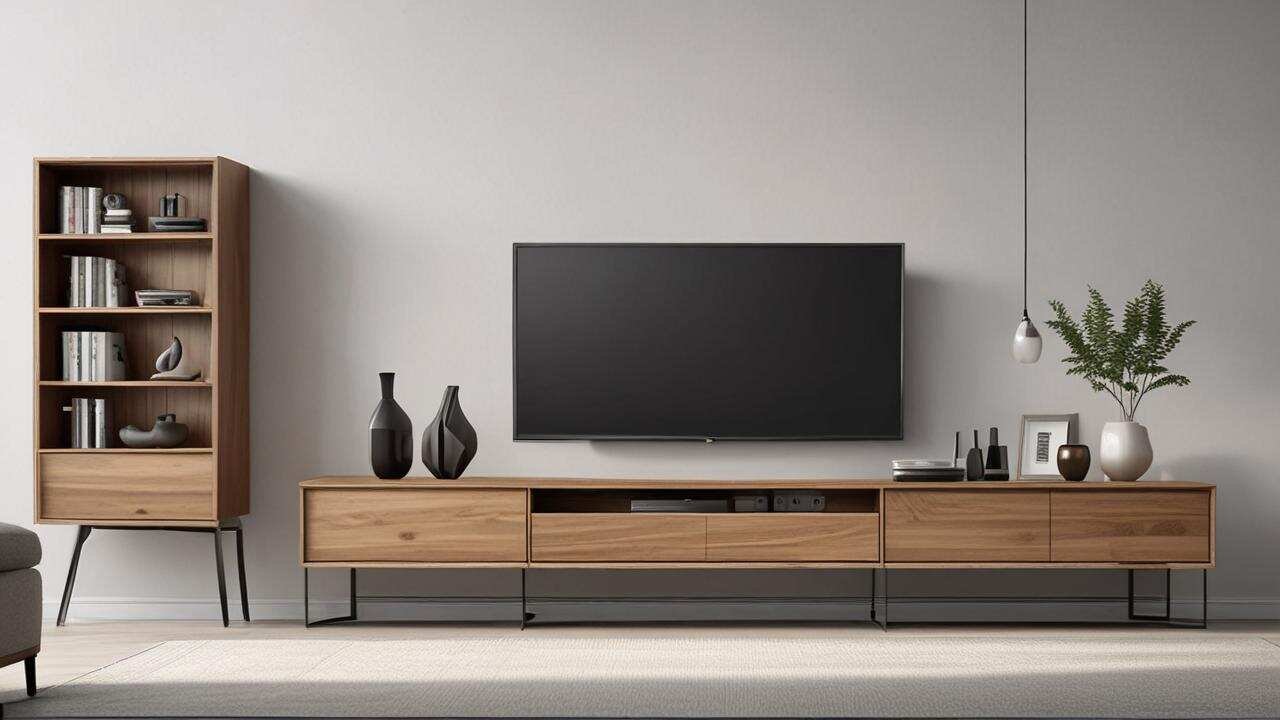
Mistake 1 – Ignoring the Actual TV Size and Weight Limits
You might assume your TV fits on any stand that is roughly the same width. This is a dangerous guess. According to, a standard 55-inch OLED television weighs around 40 to 50 pounds. A 65-inch model can weigh much more.
Check the top panel dimensions of the console, not just the total width. Many consoles have a narrow top plate with legs that extend outward. Your TV feet must sit completely flat on the solid surface. If the TV overhangs, it creates a serious tip hazard.
Warning: Never place a TV on a console where the base hangs over the edge. Children or pets bumping into the furniture can easily knock the TV over. Always use anti-tip straps, even if the TV seems stable.
Consider the VESA pattern if you plan to mount the TV above the console. The stand height and weight capacity matter just as much as the width. Pick a TV console with storage that is at least as wide as your TV. Ideally, it should be 5 to 10 inches wider on each side.
Mistake 2 – Forgetting About Cable Management Entirely
Hidden cables are the hallmark of a clean living room. Most people do not think about where the wires go until the console is already set up. A study from shows that visual clutter competes for your attention and reduces focus.
Look for a console with built-in cable management holes, grommets, or a removable back panel. These features let you run power cords and HDMI cables straight down and out of sight. Without them, you will see a tangle of wires every time you walk into the room.
- Console grommets: Check that the holes are large enough for bulky power bricks to fit through.
- Removable back panel: This makes it easy to access ports without moving the entire unit.
- Cable channels: Some consoles have a built-in channel along the back to bundle wires neatly.
If the console you love lacks these features, buy adhesive cable clips and a wire management box. These aftermarket fixes cost under 20 dollars and solve most cable problems.
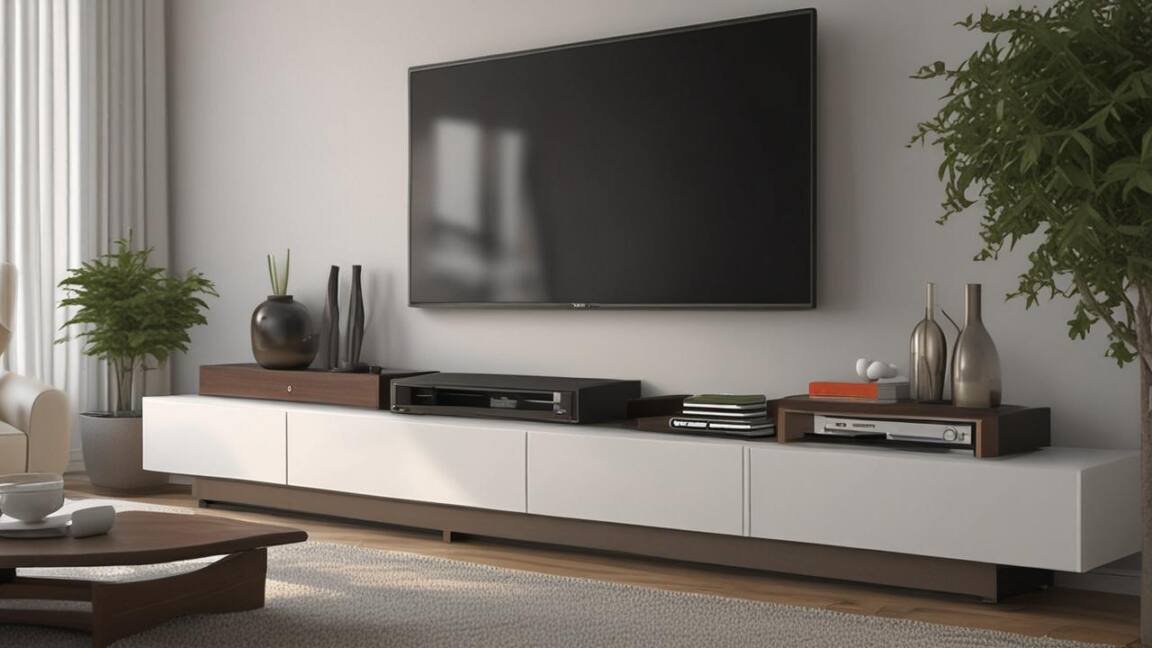
Mistake 3 – Choosing Style Over Proper Ventilation
Enclosed cabinets with solid doors look clean and modern. The problem is that they trap heat. Modern gaming consoles like the PlayStation 5 and Xbox Series X generate significant heat when running demanding titles. The warns that poor ventilation can shorten a console’s lifespan.
If you must have doors, choose a console with mesh, slatted, or glass doors that leave a gap. Open shelving is still the best option for heat-producing devices. Ensure there is at least 4 to 6 inches of clearance around the vents of your components.
Tip: If your console has glass doors, remove the back panel to allow hot air to escape behind the unit. This creates natural airflow that keeps your devices cool without sacrificing the clean look.
Mistake 4 – Getting the Viewing Height Completely Wrong
Standard living room consoles are roughly 24 to 28 inches tall. This height works if you sit on a low couch. However, many modern couches have a higher seat height. Your eye level should land at the center of the television screen.
Dr. Alan Hedge, an expert at, recommends that the center of the screen be between 15 and 20 degrees below your horizontal line of sight. This prevents neck strain during long viewing sessions.
- Measure your seated eye height: Sit on your couch and measure from the floor to your eye level.
- Calculate the TV center: Your TV screen center should match that seated eye height.
- Adjust the stand: If the console is too low, use a wall mount to raise the TV. If it is too high, choose a lower console.
Most people place their TVs too high. Avoid the temptation to mount the TV above a fireplace unless you plan to watch from barstools. Ergonomic comfort matters more than aesthetic trends.
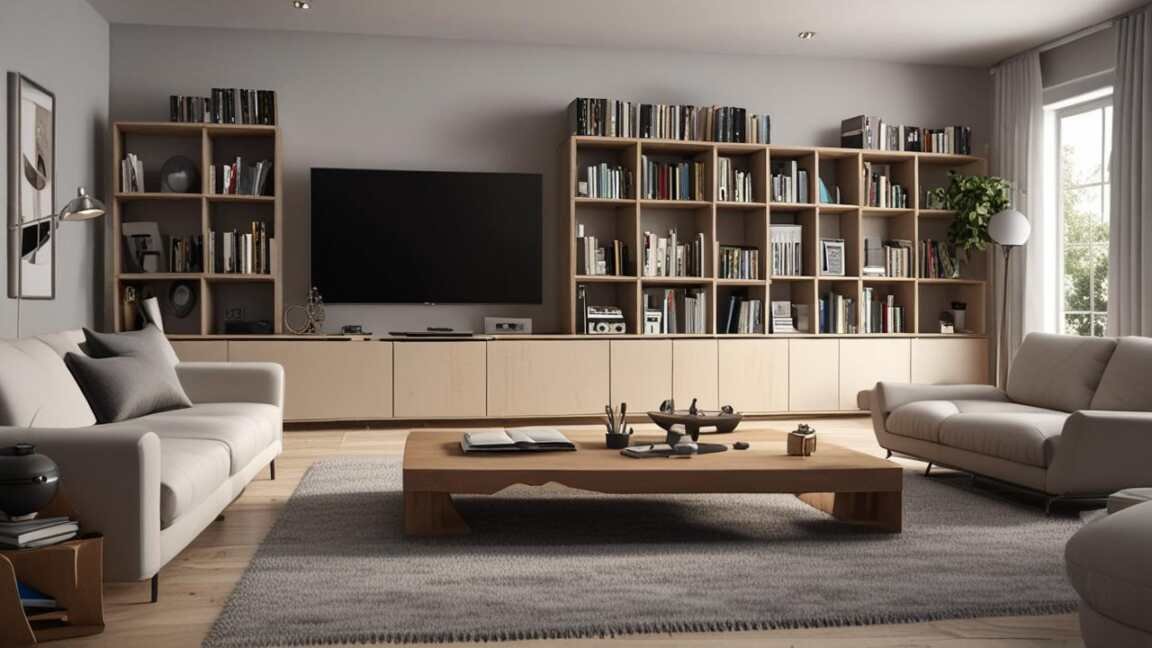
Mistake 5 – Buying Before Measuring Your Audio Components
You find a beautiful TV console with storage. It has doors and shelves. You bring it home and discover your AV receiver is two inches too tall to fit inside. This mistake is incredibly common.
The depth of the console is the most overlooked measurement. A standard home theater receiver needs at least 15 to 18 inches of interior depth. Soundbars also need deep shelves. Measure the height, width, and depth of every component you plan to store.
- Height: Leave at least 2 inches of clearance above each component for airflow.
- Depth: Add 2 inches for cable bend radius behind the components.
- Weight: Ensure the shelf can hold the weight of your heaviest amplifier or receiver.
Take a tape measure to the store with you. Do not trust online photos to show scale accurately. A console that looks roomy on screen may be too shallow for your gear.
Mistake 6 – Overlooking Weight Distribution and Safety Straps
An empty console is lightweight. Once you add a 60-inch television, a center speaker, and a shelf full of books, the weight distribution changes completely. This can make the unit unstable.
The reports that hundreds of tip-over incidents happen every year. All furniture that holds a TV must be secured to the wall. This is not optional.
Warning: Many consoles come with a small metal bracket and strap. Use it. If your console did not come with one, buy a universal anti-tip kit for under 10 dollars. This simple step can prevent a serious accident.
Check the construction of the legs or base. A console with thin, spindly legs is less stable than one with a solid base or legs set wide apart. Place heavier items on the bottom shelves to lower the center of gravity.
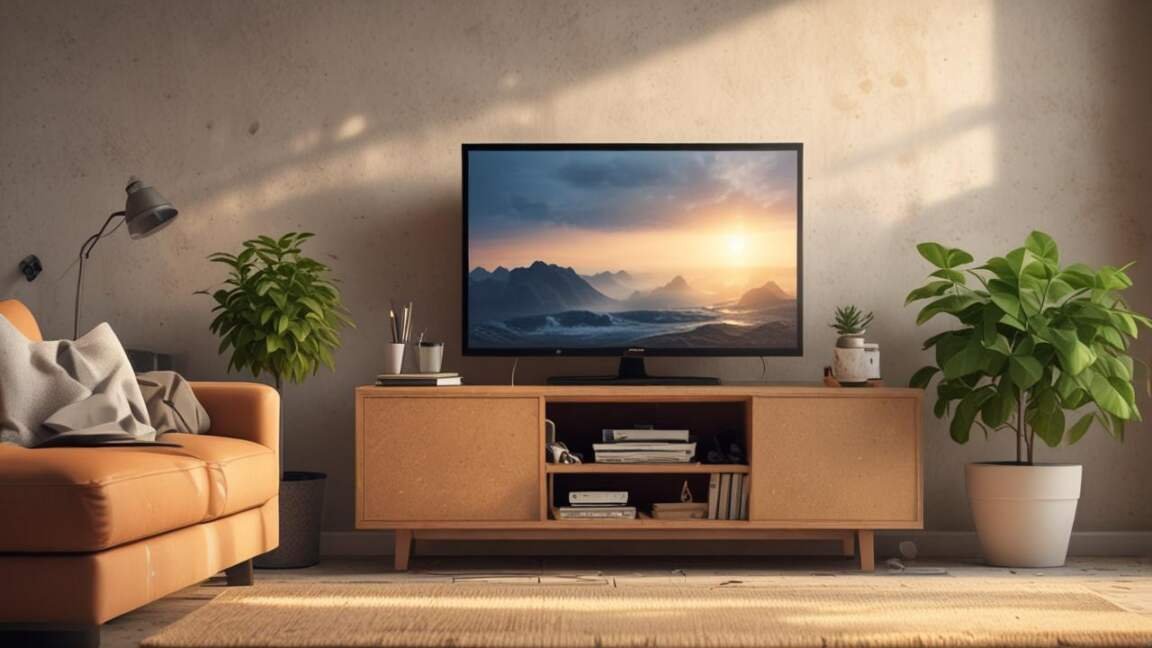
Mistake 7 – Picking the Wrong Material for Your Environment
Not all wood is the same. Medium-density fiberboard (MDF) is cheap and heavy. It offers good stability for the price. However, MDF does not handle moisture well. If you live in a humid climate, MDF can warp or swell over time.
Solid wood consoles last longer and resist humidity better. They are also much heavier. Engineered wood with a veneer offers a middle ground. It looks like wood but costs less. Just be careful with scratches.
| Material | Pros | Cons |
|---|---|---|
| Solid Wood | Durable, repairable, timeless look | Expensive, heavy, can scratch |
| MDF | Cheap, smooth finish, heavy | Warp in humidity, heavy to move |
| Plywood | Strong, lighter than MDF | Visible edge layers |
| Metal / Glass | Modern look, easy to clean | Fingerprints, glass scratches easily |
Think about your local climate. If you live near the coast or in a region with high humidity, pay extra for a console made from real wood. The initial cost is higher, but you will not have to replace it in five years.
How to Choose the Right TV Console for Your Needs
Start with your television. Write down the exact width of your TV and its total weight. Then measure your longest soundbar and your deepest receiver. Use these numbers as filters. A TV console with storage that cannot hold these components is not the right one.
Next, consider your storage style. Do you want to display items on open shelves? Or do you prefer hidden storage behind doors? Be honest about your daily habits. If you know you will not organize your cables, choose a console with a back panel that hides everything. An entertainment center often combines storage for media components with display space for a TV.
- Open shelving: Best for decorative items and consoles you use daily.
- Drawers: Ideal for remotes, cables, and small accessories you want out of sight.
- Cabinets with doors: Great for hiding bulkier items like board games and media players.
Finally, think about the future. Will you upgrade to a larger TV in the next few years? Buy a console that can accommodate a bigger screen. This saves you from having to replace the entire furniture piece later.
Common Myths vs. Facts About TV Consoles
Myth 1: A wider TV console always offers more usable storage.
Fact: Depth matters more than width for most electronics. A huge console that is only 12 inches deep will not fit an AV receiver. Always check the interior depth first.
Myth 2: Solid wood is always better than MDF for every situation.
Fact: Solid wood is great for durability, but good quality MDF is denser and often more stable for heavy flat-screen TVs. MDF does not split or crack as easily as solid wood in dry climates.
Myth 3: You do not need anti-tip straps if the TV fits on the stand.
Fact: Even a perfectly balanced TV can tip over if the furniture is bumped. The CPSC strongly recommends anti-tip restraints for any piece of furniture that holds a television. Safety is always worth the minor inconvenience. The CPSC strongly recommends TV tip-over prevention devices for any furniture holding a television.
Frequently Asked Questions
How wide should my TV console be compared to my TV?
Your console should be at least the same width as your TV. For the best visual balance and stability, choose a console that is 5 to 10 inches wider on each side than the television.
What depth do I need for storing a home theater receiver?
Most standard AV receivers require 15 to 18 inches of interior depth. Always measure the depth of your specific receiver and add at least 2 inches for cable clearance behind the unit.
Is it okay to put a heavy TV on a glass shelf console?
It depends on the glass thickness. Tempered glass can hold significant weight if it is thick enough. Check the weight rating sticker on the glass shelf. Never place a TV directly on a glass shelf if the manual forbids it.
Should I get a TV console with doors or open shelves?
Choose open shelves if you use your gaming console or streaming box daily and need IR signal access. Choose doors if you want to hide clutter and do not mind leaving the doors open when using components.
Can I modify a standard dresser to use as a TV console?
You can, but it requires work. Add casters or legs to reach the correct height. Drill holes for cable management. Ensure the top is flat and wide enough for the TV base. A custom solution works, but it is not a simple swap.
Final Thoughts
Avoiding these seven mistakes turns a simple furniture purchase into a long-term investment in comfort. Measure everything first, prioritize safety and ventilation, and choose materials that match your climate. The right TV console with storage makes your living room functional, organized, and enjoyable for years. Choosing the right television stand involves measuring your equipment and considering storage needs.