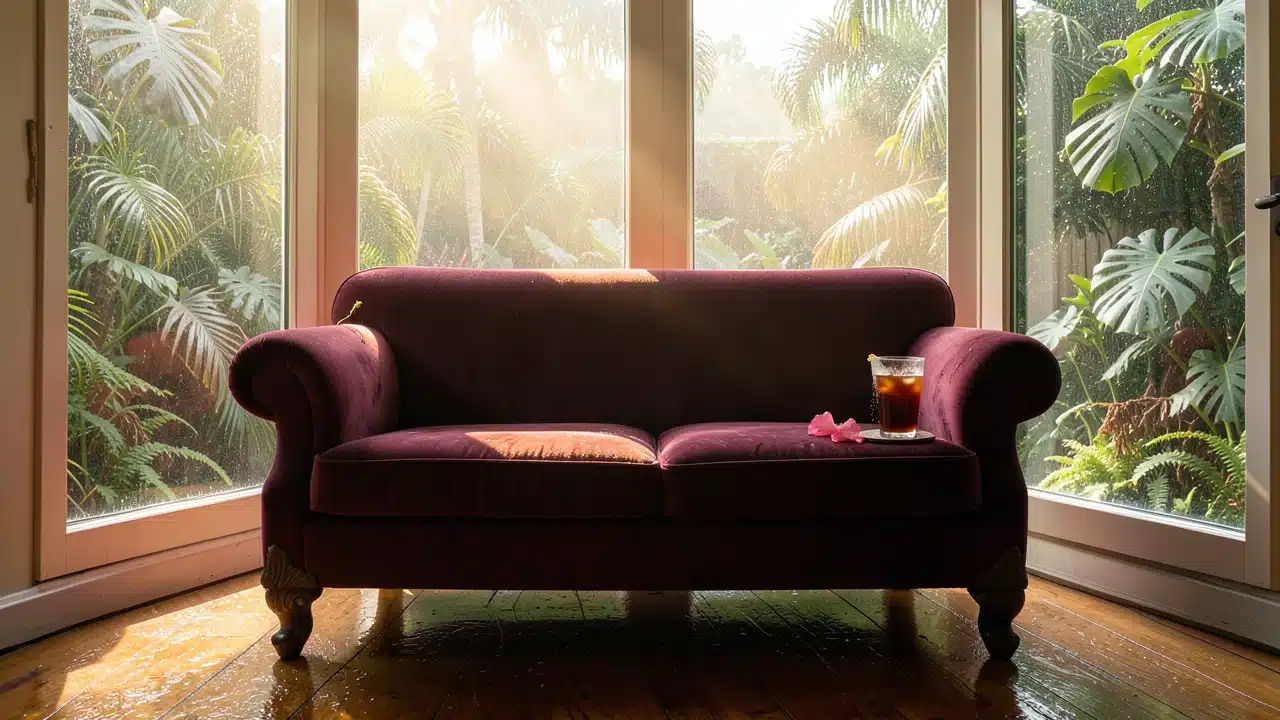
A velvet sofa can survive in a hot, humid climate if the fabric is breathable, well-ventilated, and protected from trapped moisture, with synthetic performance velvet handling humidity better than delicate cotton or silk velvet. To reduce mildew, odour, and fabric wear, use dehumidification, avoid direct sunlight, vacuum regularly, and keep the sofa away from damp walls. Choosing the right velvet type and maintaining proper ventilation are the critical factors that determine whether the sofa remains beautiful and durable in warm, sticky weather.
A velvet sofa can survive in a hot, humid climate if the fabric is breathable, well-ventilated, and protected from trapped moisture. Synthetic performance velvet usually handles humidity better than delicate cotton or silk velvet.
Use dehumidification, avoid direct sunlight, vacuum regularly, and keep the sofa away from damp walls to reduce mildew, odour, and fabric wear.
Thinking about a plush velvet sofa but worried about the weather? It’s a common concern, especially if you live somewhere warm and sticky.
You want your living room to look great and feel comfortable, and the right furniture makes all the difference.
Understanding how different materials handle heat and moisture helps you pick pieces that last and stay beautiful. We’ll break down what you need to know to see if a velvet sofa can truly thrive in your home, even when the temperature climbs.
Key Takeaways
- Velvet can be a good choice for hot, humid climates with proper care and material selection.
- The type of velvet fabric significantly impacts its ability to withstand humidity and heat.
- Proper ventilation and humidity control are crucial for maintaining a velvet sofa in such environments.
- Regular cleaning and maintenance routines are essential to prevent damage from moisture and heat.
- Understanding the pros and cons will help you decide if a velvet sofa is right for your home.
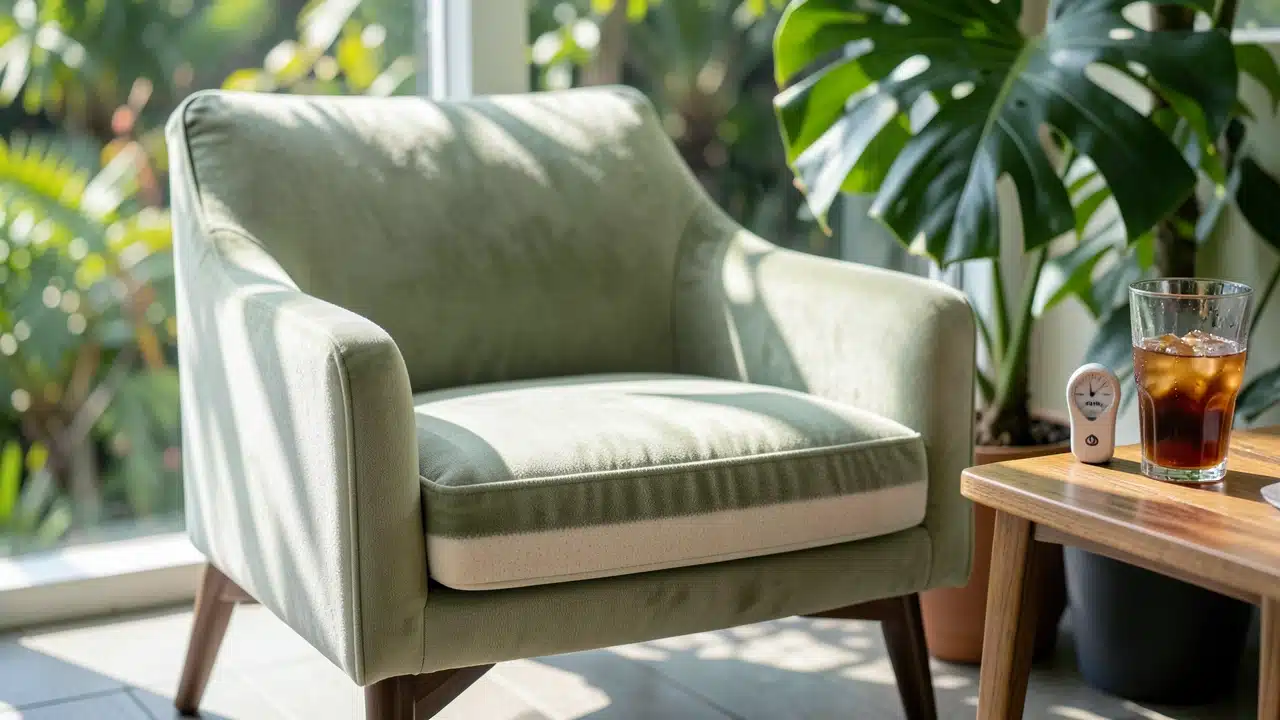
Choosing the Right Velvet for Warm Weather
When you picture a velvet sofa, you might think of cozy, indoor spaces. But the material itself is quite versatile. The key to knowing Can a Velvet Sofa Survive in a Hot, Humid Climate? really lies in the type of velvet you choose.
Not all velvets are created equal. Some are much better suited for warmer, damper conditions than others. Learning about these differences helps you make a smart choice for your home.
Understanding Different Velvet Types
There are several kinds of velvet, each with unique properties. For hot and humid areas, some are definitely better than others. Synthetic velvets often perform better than natural ones when moisture is a big factor.
Synthetic Velvets: The Practical Choice
Velvets made from materials like polyester, nylon, or rayon are often the best bet for humid climates. These synthetic fibers are less likely to absorb moisture.
This means they are less prone to mildew, mold, or that musty smell that can develop in damp environments.
Polyester velvet, in particular, is known for its durability and resistance to stains and fading. It also tends to be more budget-friendly. This makes it a practical option for answering Can a Velvet Sofa Survive in a Hot, Humid Climate? with a confident yes, if you choose wisely.
Natural Velvets: Luxury with Caution
Silk velvet offers a luxurious sheen and feel. However, silk is a natural fiber that can be sensitive to moisture. It can develop water spots and is more prone to damage from high humidity.
Cotton velvet is another natural option. While it can be soft, cotton can absorb moisture and take a long time to dry. This makes it more susceptible to mold and mildew growth.
If you love the look of natural velvet, you might need to take extra precautions or opt for a blend.
Velvet Blends: A Happy Medium
Many velvets today are blends of natural and synthetic fibers. These can offer a good balance. For example, a cotton-polyester blend might give you some of the softness of cotton with the added durability and moisture resistance of polyester.
When looking at fabric labels, check the fiber content. This is a crucial step in deciding if Can a Velvet Sofa Survive in a Hot, Humid Climate? for your specific purchase.

The Impact of Humidity and Heat on Velvet
High humidity and heat can be tough on furniture. Velvet, with its soft pile, can be particularly affected. It’s important to understand these effects to properly care for your sofa.
This knowledge is key to ensuring your velvet piece lasts.
Moisture Absorption and Mildew Risk
The biggest concern in humid climates is moisture. Fabrics that absorb a lot of water can become a breeding ground for mold and mildew. This can lead to unpleasant odors and visible damage.
If the fibers are constantly damp, they can break down over time. This is why choosing a fabric with good moisture resistance is vital.
It directly impacts whether Can a Velvet Sofa Survive in a Hot, Humid Climate? without problems.
Heat and Fading
Direct sunlight combined with heat can cause colors to fade. Velvet’s rich colors can be particularly susceptible. While this is a risk for many fabrics, the texture of velvet can sometimes make fading more noticeable.
Strategic placement of your sofa away from direct sun is a simple but effective way to combat this.
Wear and Tear from Constant Use
In hot weather, people tend to spend more time indoors. This means more use of your sofa. The pile of velvet can get crushed or flattened with heavy use, especially if it’s not a high-quality velvet.
Regular maintenance can help prevent this.
Essential Care and Maintenance Tips
Taking good care of your velvet sofa is crucial, especially in challenging climates. Simple steps can make a big difference in its longevity and appearance. These tips will help you keep your sofa looking its best.
Regular Cleaning is Key
Dust and dirt can settle into the velvet pile. It’s important to remove these regularly. Use a soft brush attachment on your vacuum cleaner.
Gently brush the fabric in the direction of the pile. This removes surface debris and helps keep the fibers looking fresh. Doing this weekly can prevent dirt from becoming embedded.
Dealing with Spills Promptly
Spills happen. The faster you act, the less likely they are to cause a permanent stain or damage. For most spills, blot the area immediately with a clean, dry white cloth.
Avoid rubbing, as this can spread the stain and damage the velvet pile. For tougher stains, consult the manufacturer’s cleaning instructions.
Some velvets can be spot cleaned with a mild soap and water solution, but always test in an inconspicuous area first.
This is a vital step for anyone asking Can a Velvet Sofa Survive in a Hot, Humid Climate?.
Professional Cleaning
Consider professional cleaning every year or two. A professional cleaner has the right tools and knowledge to deep clean your sofa without damaging the fabric. They can address any hidden moisture issues or set-in stains.
This is a good investment to ensure your sofa stays in great shape.
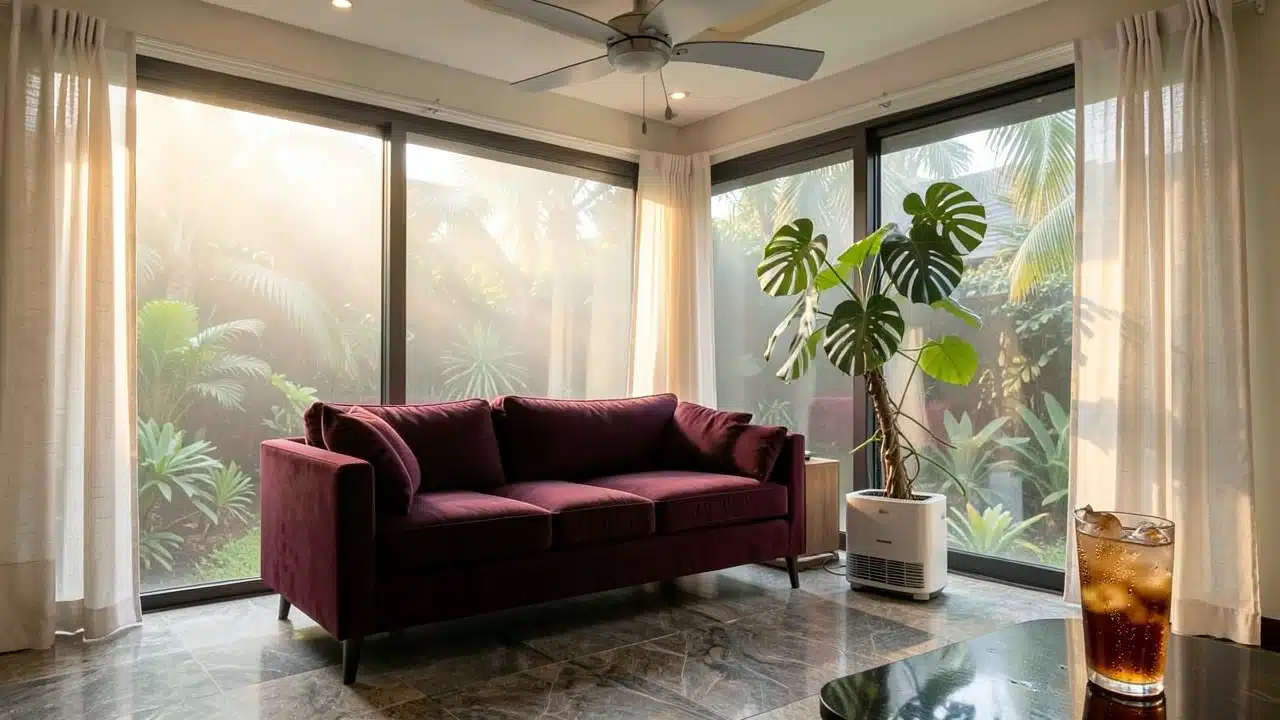
Optimizing Your Home Environment
Beyond caring for the sofa itself, controlling your home’s environment plays a huge role. Making a few adjustments can create a much more favorable setting for your velvet furniture.
Ventilation is Your Friend
Good airflow is essential in preventing moisture buildup. Open windows and doors when the weather allows. Use fans to circulate air.
This helps to dry out any dampness in the air before it can affect your sofa. If you have air conditioning, use it to keep the humidity levels down. This directly answers Can a Velvet Sofa Survive in a Hot, Humid Climate? by managing the conditions.
Dehumidifiers for Extra Protection
In very humid regions, a dehumidifier can be a lifesaver for your furniture. These devices remove excess moisture from the air. Keeping humidity levels below 50% is ideal for most furniture and home interiors.
This creates a drier environment that is much less hospitable to mold and mildew.
Placement Matters
Avoid placing your velvet sofa in direct sunlight. As mentioned, this can cause fading. Also, keep it away from sources of extreme heat, like radiators or fireplaces, even if they are not used often.
Placing it near a window that gets a lot of sun is also not ideal.
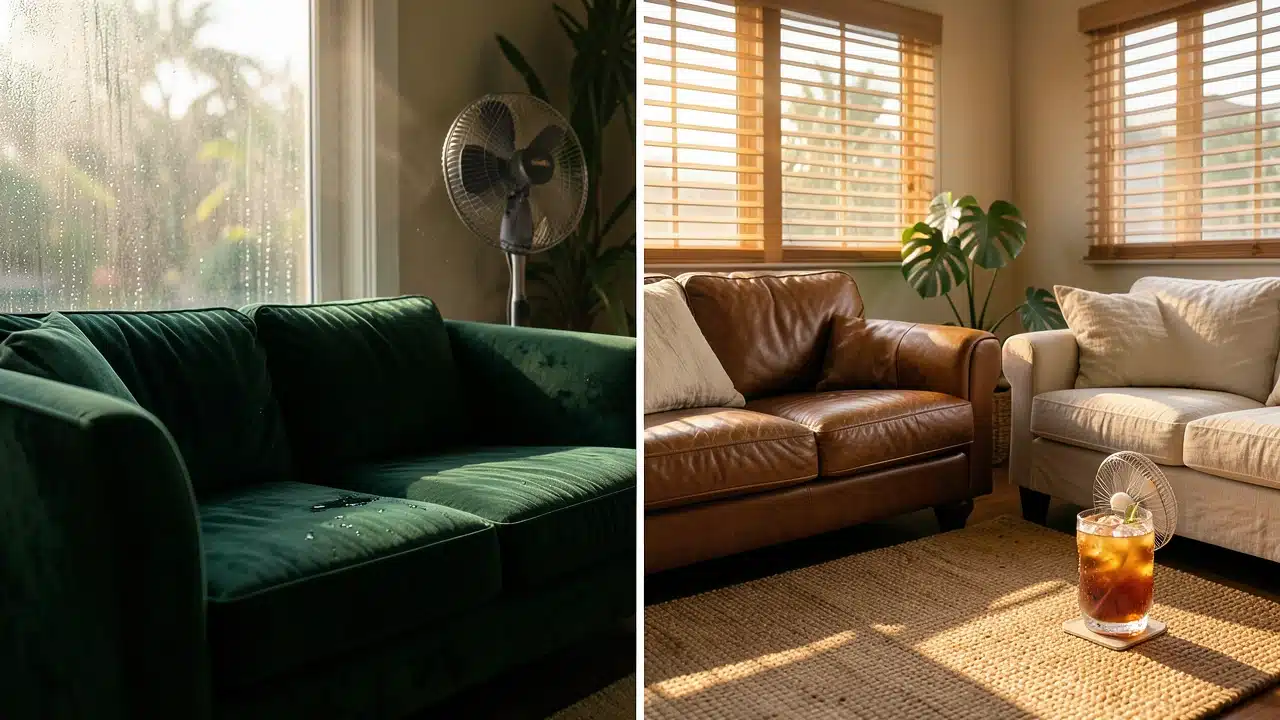
Comparing Velvet to Other Upholstery Options
To truly understand if velvet is the right choice, it helps to compare it to other popular upholstery materials. This comparison will highlight the pros and cons of velvet in a hot, humid environment.
| Humidity Resistance | Good to Excellent (depending on blend) | Good (can get sticky) | Poor (absorbs moisture, prone to mildew) | Excellent (repels moisture) |
| Heat Tolerance | Good (can feel warmer to touch) | Can feel hot and sticky | Good (can feel cooler) | Good (can feel warm) |
| Durability | Good to Excellent | Excellent | Fair to Good (can snag) | Excellent |
| Maintenance | Requires regular brushing, careful cleaning | Easy to wipe clean, needs conditioning | Can stain easily, requires careful cleaning | Very easy to clean, stain-resistant |
| Aesthetic Appeal | Luxurious, soft, rich colors | Classic, sophisticated, can be stiff | Natural, casual, can wrinkle | Soft, practical, can look less premium |
As you can see from the table, synthetic velvet blends offer a strong contender for those wondering Can a Velvet Sofa Survive in a Hot, Humid Climate?.
While microfiber might be the absolute best for repelling moisture, velvet offers a unique aesthetic and feel that many people desire.
Leather is also a good option for durability, but it can become uncomfortably sticky in extreme heat.
Cotton and linen are generally less suitable for high humidity due to their absorbency.
Common Concerns and Solutions
When considering velvet in warm climates, a few specific worries often come up. Addressing these with practical solutions can ease your mind.
Will it feel too hot?
Velvet, especially thicker piles, can feel warmer than other fabrics. However, modern synthetic velvets are often lighter and more breathable than older versions. If you’re concerned, opt for lighter colors and a shorter pile velvet.
Combined with good air conditioning and ventilation, the warmth is usually manageable. This is part of ensuring Can a Velvet Sofa Survive in a Hot, Humid Climate? comfortably for you.
Can it handle sweat or damp clothes?
This is where the type of velvet is crucial. Synthetic velvets (polyester, nylon) are much better at resisting moisture from sweat or damp clothing than natural fibers like silk or cotton. Blotting any dampness immediately is always the best approach.
For synthetic velvets, the risk of permanent marks or mildew from occasional dampness is lower, but still present if not addressed.
What about pet dander and allergies?
Velvet’s dense pile can trap pet hair and dander. However, this can also be an advantage. Unlike loosely woven fabrics, the particles don’t penetrate as deeply.
Regular vacuuming with the right attachment can remove most allergens. For allergy sufferers, choosing a tightly woven synthetic velvet and maintaining a strict cleaning schedule is key.
Can it withstand spills from drinks in hot weather?
Yes, with prompt action. Spills are a risk for any fabric. Synthetic velvets are often treated with stain-resistant finishes.
Blotting spills quickly with a clean cloth is the most important step. If it’s a water-based spill, blotting might be all you need.
For sugary drinks or other sticky substances, a slightly damp cloth with a tiny bit of mild soap can be used, followed by blotting dry.
Always check the care label. This is a practical aspect of knowing Can a Velvet Sofa Survive in a Hot, Humid Climate?.
Making Your Final Decision
Deciding whether a velvet sofa is right for your hot and humid home involves weighing the aesthetic appeal against practical considerations.
It’s not an automatic “no.” With the right choices and a commitment to care, velvet can absolutely be a beautiful and functional addition to your space.
Weighing the Pros and Cons
The luxurious look and feel of velvet are undeniable. It can transform a room into a sophisticated and inviting space. For many, the desire for that plush texture and rich color outweighs the potential challenges.
Pros of Velvet in Hot Climates
- Luxurious Appearance: Offers a high-end look and feel.
- Rich Colors: Holds dyes well, providing deep, vibrant hues.
- Durability (Synthetic): Modern synthetics are strong and resist wear.
- Comfort: Soft and inviting for relaxation.
- Good for Allergies (with care): Dense pile can trap allergens, making them easier to remove.
Cons of Velvet in Hot Climates
- Moisture Sensitivity (Natural): Natural velvets can be damaged by humidity.
- Potential for Mildew: If not properly ventilated and dried.
- Heat Retention: Can feel warmer than some other fabrics.
- Fading: Susceptible to sun damage if placed in direct light.
- Requires Regular Maintenance: Needs consistent cleaning and care.
By understanding these points, you can make an informed decision. The question Can a Velvet Sofa Survive in a Hot, Humid Climate? is really about how you approach it. Managing humidity and ventilation is crucial to prevent mildew on velvet.
Frequently Asked Questions Of Can A Velvet Sofa Survive In A Hot, Humid Climate?
Is velvet upholstery suitable for a living room in Florida?
Yes, a velvet sofa can be suitable for a Florida living room if you choose a synthetic blend (like polyester) and maintain good air circulation and humidity control in your home.
What is the best type of velvet for humid weather?
Synthetic velvets made from polyester, nylon, or rayon are generally best for humid weather because they absorb less moisture than natural fibers.
How can I prevent mold on my velvet sofa in a humid climate?
Ensure good ventilation, use a dehumidifier to keep humidity low, and avoid placing the sofa in damp areas. Blot any spills immediately.
Will my velvet sofa fade if it’s in a sunny room?
Yes, direct sunlight can cause velvet to fade over time. It’s best to position your sofa away from direct sun exposure or use window treatments.
How often should I clean my velvet sofa in a hot, humid climate?
You should vacuum your velvet sofa at least once a week to remove dust and debris. Spot clean spills immediately, and consider professional cleaning annually.
Can a velvet sofa get sticky in high heat?
While some velvets can feel warmer, synthetic blends are less likely to become uncomfortably sticky compared to natural fibers or even some types of leather in extreme heat.
Final Thoughts
Choosing a velvet sofa for a hot, humid climate is achievable with the right fabric and a little care. Opt for synthetic blends, manage your home’s humidity and ventilation, and clean regularly. This approach will help your velvet sofa stay beautiful and comfortable for years to come.
Learn how to manage your home's humidity with tips from the EPA.