
Sofa cushions go flat within 1–2 years because repeated sitting compresses foam, fibre, or padding and weakens the cushion’s internal support.
Low-density foam, poor filling quality, uneven use, humidity, and lack of rotation can make sagging happen faster. To slow it down, rotate cushions, fluff them regularly, avoid sitting in one spot daily, and choose high-density foam.
It’s frustrating when your comfy sofa starts to feel a little sad and lumpy, especially when it happens so quickly. You want your furniture to last and feel good to sit on for years. Understanding Why Sofa Cushions Go Flat Within 1-2 Years and How To Slow It Down can save you money and keep your living room looking its best.
This guide will explain the common reasons for this problem and give you practical tips to make your cushions last much longer, so you can enjoy your sofa without worry.
Key Takeaways
- Sofa cushions flatten due to the compression of filling materials over time from regular use.
- The type of filling inside your cushions significantly impacts how quickly they flatten.
- Proper maintenance and care are crucial for extending the lifespan of sofa cushions.
- Understanding the construction and materials of your sofa can help predict and prevent flattening.
- Simple, consistent actions can dramatically slow down the process of why sofa cushions go flat within 1-2 years and how to slow it down.
Why Sofa Cushions Lose Their Bounce
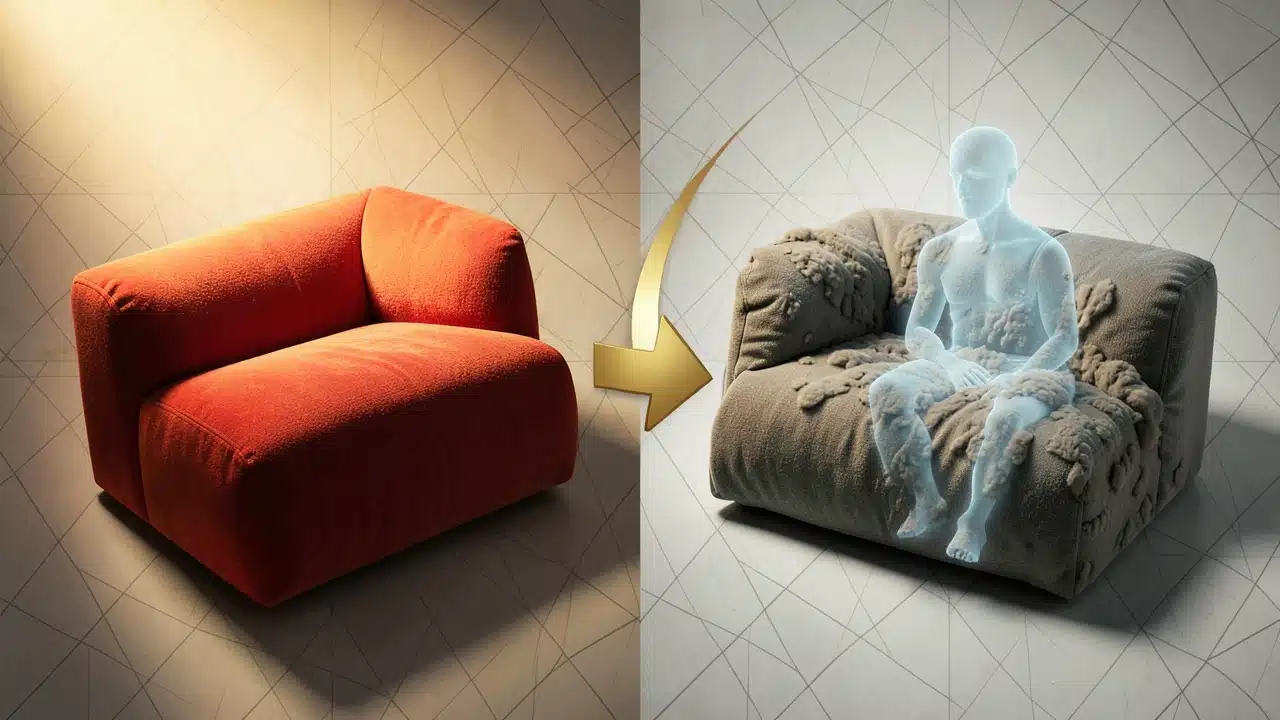
The main reason sofa cushions get flat is the filling inside them gets squished. Think of it like a sponge. When you use it a lot, it gets compressed and doesn’t spring back as much.
Sofa cushions have materials like foam, fiberfill, down, or feathers. All of these can get compressed with regular sitting and pressure. This is a natural part of using a sofa, but some materials handle it better than others.
The weight of people sitting on the cushions is the biggest factor. Over time, this constant pressure causes the fibers or foam cells to break down. This leads to a loss of loft, which is that plump, full look and feel.
It’s not just about sitting; even leaning or placing objects on the sofa can contribute. So, while it’s normal for cushions to settle a bit, rapid flattening often points to material quality or usage habits.
Another reason is how the cushions are made. The fabric casing around the filling can stretch. This stretching allows the filling to spread out more.
When the filling spreads, it doesn’t fill the cushion cover as tightly. This makes the cushion look and feel flatter. The stitching and seams can also weaken.
This can cause the filling to shift and clump, creating lumps and flat spots.
Environmental factors can also play a role. Sunlight can degrade some filling materials, making them brittle. High humidity can cause some fillings to clump together.
Even simple things like pets jumping on the sofa can cause more concentrated wear and tear. All these things contribute to the issue of why sofa cushions go flat within 1-2 years and how to slow it down.
Understanding Sofa Cushion Filling Materials
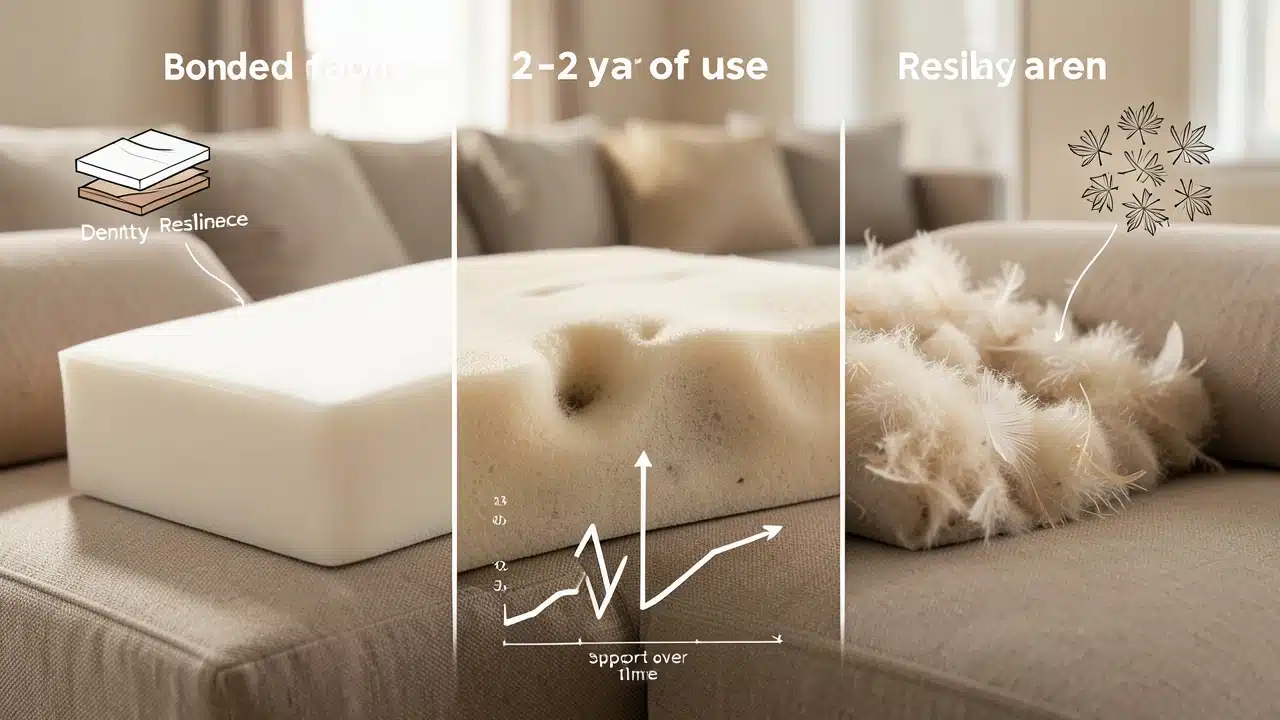
The heart of a cushion’s life is its filling. Different materials behave differently under pressure. Knowing what’s inside can help you understand why your cushions are flattening and what you can do about it.
It’s a key part of figuring out why sofa cushions go flat within 1-2 years and how to slow it down.
Foam Fillings
Foam is a popular choice for sofa cushions. It offers good support and can keep its shape well. However, not all foam is created equal.
High-density foam is much more resistant to compression than low-density foam. Low-density foam will likely flatten out much faster. Over time, even good foam can break down, especially if it’s constantly compressed in the same spots.
Some foam cushions have a foam core wrapped in batting or fiberfill. This adds a layer of softness. The batting or fiberfill is more prone to flattening than the foam itself.
If this outer layer gets compressed, it can make the whole cushion feel less plump. This is a common reason for cushions looking flatter than they used to.
Fiberfill and Polyester Batting
Fiberfill, often made from polyester, is a common and affordable filling. It’s soft and gives a fluffy look. However, fiberfill is very susceptible to compression.
It can clump together and lose its loft quickly with regular use. This is one of the main reasons why many sofas with fiberfill cushions start to flatten within a couple of years.
The individual fibers in fiberfill can also break down or get matted. This makes them unable to spring back. When this happens, the cushion feels hard in some spots and flat in others.
It’s a material that offers initial comfort but often has a shorter lifespan for maintaining that plumpness.
Down and Feather Fillings
Cushions filled with down or feathers offer a luxurious, soft feel. They are very comfortable and can last a long time if cared for properly. However, they require more maintenance than foam or fiberfill.
Down and feathers can shift and compress, especially in the center of the cushion. This can lead to flat spots and a need for regular fluffing.
The feathers can also poke through the fabric over time. This is a sign of wear and tear. While down and feather cushions can be very durable, they are also more prone to losing their shape quickly if not regularly plumped and rotated.
Understanding this is important for addressing why sofa cushions go flat within 1-2 years and how to slow it down.
Hybrid Fillings
Many modern sofas use a combination of materials. A common hybrid is a foam core with a wrap of fiberfill, down, or feathers. This aims to give the best of both worlds: the support of foam and the softness of other materials.
The lifespan of these cushions depends on the quality of each component and how they are put together.
The softer outer layers are still the most likely to flatten first. If the foam core is also of lower quality, the entire cushion will degrade faster. The way these different materials are layered and sewn together also impacts their durability and how they maintain shape.
How Sofa Construction Affects Cushion Longevity
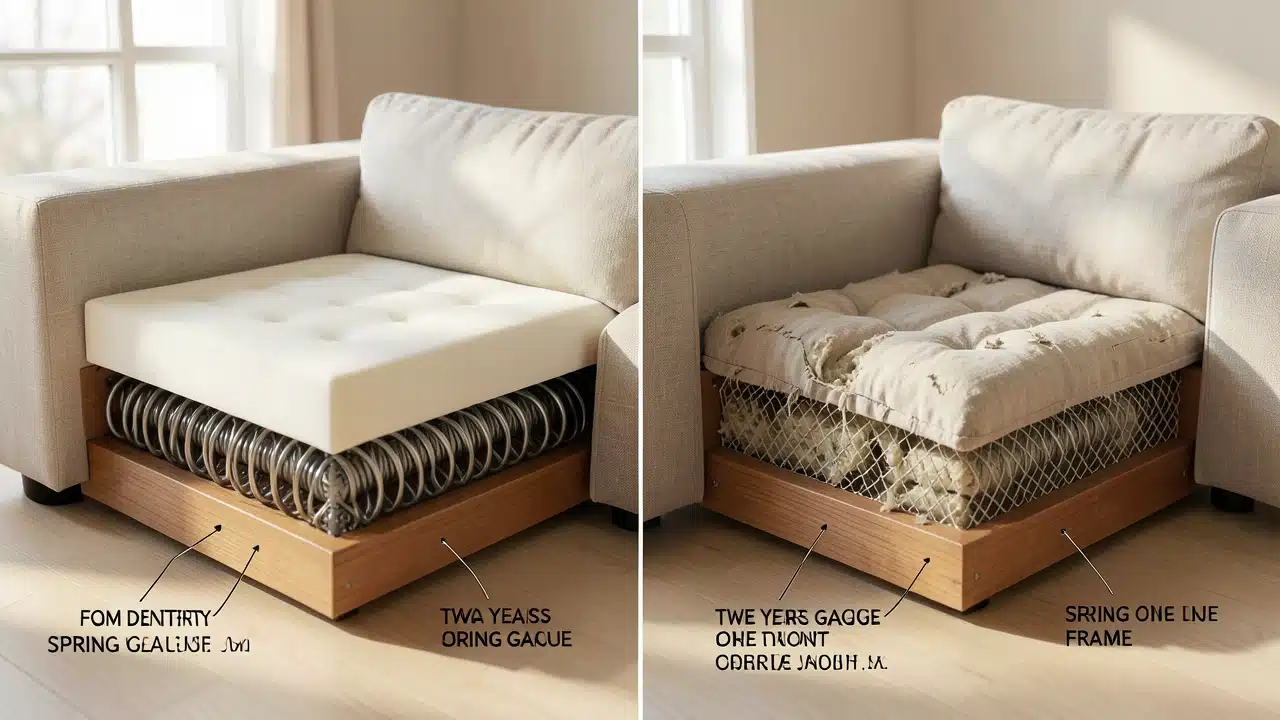
It’s not just the filling that matters; how the sofa is built plays a big role in how long its cushions stay plump. The frame, the springs, and the way the cushions are designed all contribute to their lifespan. This is a crucial part of understanding why sofa cushions go flat within 1-2 years and how to slow it down.
Frame and Spring Support
A sturdy sofa frame provides a good base. If the frame is weak, the sofa can sag. This puts extra stress on the cushions.
Good quality sofas have strong frames made from hardwood. They also have robust spring systems. These springs support the cushions from underneath, preventing them from sinking too much.
Different types of springs exist. Sinuous springs (also called zig-zag springs) are common and durable. They are evenly spaced and provide consistent support.
Eight-way hand-tied springs are considered the highest quality. They offer excellent support and flexibility. Less expensive sofas might use webbing, which can stretch and sag over time, leading to cushion issues.
Cushion Casing and Stitching
The fabric that holds the filling is important. It needs to be strong and durable. If the casing fabric is thin or poorly made, it can tear or stretch.
This allows the filling to escape or spread out. Good quality cushions have double-stitched seams. This helps prevent them from splitting open and keeps the filling contained.
The way the cushion cover is sewn also matters. If it’s too tight, it can put pressure on the filling. If it’s too loose, the filling can shift around too much.
The design of the cover and its fit are key to maintaining the cushion’s shape.
Cushion Density and Thickness
Thicker, denser cushions generally last longer. A thin cushion with a lot of filling can only be compressed so much before it feels flat. Higher density foam or more filling material means more resilience.
This allows the cushion to spring back better after being sat on. It’s a simple matter of having more material to withstand wear and tear.
When buying a sofa, pay attention to the cushion thickness. Also, consider the density if it’s foam. A cushion that feels firm and supportive from the start is more likely to maintain that feeling for longer.
This is a vital factor in the puzzle of why sofa cushions go flat within 1-2 years and how to slow it down.
Practical Steps to Keep Your Cushions Plump
You don’t have to just accept flattened cushions. There are simple things you can do to keep them looking and feeling good for much longer. These steps are easy to follow and make a big difference.
They are the practical answers to why sofa cushions go flat within 1-2 years and how to slow it down.
Rotate and Flip Regularly
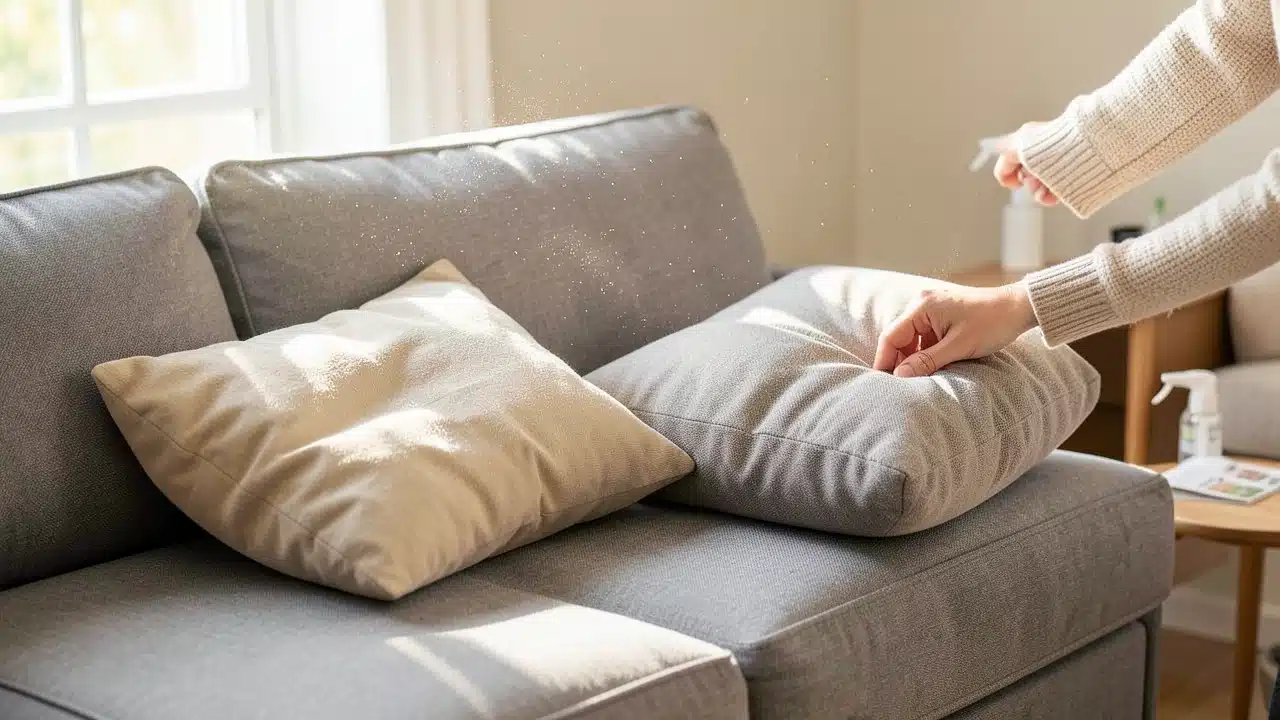
This is perhaps the most important step. Make it a habit to rotate and flip your sofa cushions. Do this at least once a week, or even more often if you use your sofa a lot.
Rotating means moving the front cushion to the back, and the left cushion to the right. Flipping means turning them over.
This distributes the wear evenly across all the cushions. It prevents specific spots from getting too much compression. If you have reversible cushions (meaning they have the same fabric on both sides), flipping them is easy.
This simple action helps prevent permanent flattening in one area.
Fluff Your Cushions
For cushions filled with fiberfill, down, or feathers, regular fluffing is essential. Take the cushion off the sofa and give it a good shake. You can also punch it gently on the sides and top.
This helps to redistribute the filling and break up any clumps that have formed.
Think of it like fluffing a pillow. It restores loft and makes the cushion feel fuller. Doing this regularly can significantly extend the life of softer cushion fillings and improve the overall look and feel of your sofa.
Use Cushion Covers
If your sofa cushions aren’t already covered, consider getting removable cushion covers. These covers can add an extra layer of protection. They can also help to keep the filling contained and prevent it from shifting too much.
Some covers are made from durable materials that can withstand a lot of wear and tear.
This is especially useful if you have pets or young children. The covers can protect the main cushion from spills, dirt, and pet hair. They are also easier to clean than the entire cushion.
This adds a practical layer to managing why sofa cushions go flat within 1-2 years and how to slow it down.
Avoid Excessive Weight and Pressure
Try to avoid placing heavy objects on your sofa cushions for extended periods. Also, try not to let people constantly sit or lean on the same spot. Distribute the use of the sofa as much as possible.
This reduces concentrated pressure on any one cushion.
If you have a favorite spot on the sofa, make sure to rotate cushions regularly to avoid over-compressing that area.
This mindful usage can make a big difference in how long your cushions maintain their shape and comfort.
Professional Cleaning and Maintenance
Over time, sofa cushions can accumulate dirt and grime. Some professional cleaning methods can help. However, be cautious.
Harsh cleaning chemicals can damage some filling materials. Always check the manufacturer’s recommendations for cleaning.
For some types of fillings, like foam, professional cleaning might involve steam cleaning. For others, like down and feathers, it might involve specialized dry cleaning.
Proper cleaning can help remove allergens and keep the filling material fresh, potentially extending its life.
When It’s Time for a Refresh or Replacement
Sometimes, despite your best efforts, sofa cushions will eventually flatten.
This is especially true for older sofas or those made with lower-quality materials. Knowing when to refresh or replace them is part of maintaining your furniture.
Assessing Cushion Wear
If your cushions are consistently flat, lumpy, and no longer feel supportive, it might be time for a change.
Look for permanent indentations that don’t spring back even after fluffing. Also, consider if the fabric casing is torn or worn out.
These are signs that the cushion’s lifespan is over.
Another sign is if the filling has shifted so much that it creates uncomfortable lumps and hollows. If you find yourself constantly trying to reshape the cushions without success, they have likely reached the end of their useful life. This is the natural progression of why sofa cushions go flat within 1-2 years and how to slow it down.
Options for Refreshing Cushions
You have a few options if your cushions are flattening but the sofa frame is still good. You can replace the filling. Many people opt for higher-density foam inserts for a firmer feel.
You can also buy new fiberfill or down/feather inserts to refresh the softness. This is often more cost-effective than buying a whole new sofa.
Another option is to get custom cushions made. You can choose the exact size, shape, and filling you want. This allows you to upgrade the quality and potentially extend the life of your sofa significantly.
It’s a great way to give an old sofa a new lease on life.
When Replacement is Necessary
If the sofa frame is damaged, springs are broken, or the fabric is heavily worn, it might be more practical to replace the entire sofa.
However, for many sofas, the frame and fabric are still in good condition. In these cases, replacing just the cushions is a smart choice.
It addresses the problem directly and is often a budget-friendly solution.
Considering the cost of new cushions versus a new sofa is important. Often, a few hundred dollars can refresh your current sofa, making it feel almost new again. This way, you avoid the expense and effort of buying a completely new piece of furniture.
Frequently Asked Questions of Why Sofa Cushions Go Flat Within 1–2 Years And How To Slow It Down
How often should I rotate my sofa cushions?
It’s best to rotate and flip your sofa cushions at least once a week. If you use your sofa a lot, doing it more often can help distribute wear evenly.
Can I fix a sofa cushion that has gone flat?
Yes, you can often refresh flat sofa cushions by replacing the filling with new foam, fiberfill, or down. Regular fluffing also helps.
Why do sofa cushions go flat within 1-2 years?
Sofa cushions go flat within 1-2 years mainly due to the compression of filling materials like fiberfill or low-density foam from regular use and body weight.
What is the best filling for sofa cushions to prevent flattening?
High-density foam is generally the best filling for preventing flattening. Hybrid fillings with a foam core and quality wrap can also offer good longevity.
Does flipping sofa cushions actually help?
Absolutely. Flipping and rotating cushions ensures that wear is distributed evenly, preventing one side or one cushion from becoming permanently compressed and flat.
How can I slow down why sofa cushions go flat within 1-2 years?
To slow down flattening, regularly rotate, flip, and fluff your cushions. Avoid placing heavy objects on them and consider using protective covers.
Final Thoughts
Keeping your sofa cushions plump and comfortable is achievable with simple, consistent care.
By understanding the materials and construction, and by regularly rotating, flipping, and fluffing your cushions, you can significantly slow down the flattening process.
Enjoying your sofa for longer means less money spent and more comfort for you and your family.