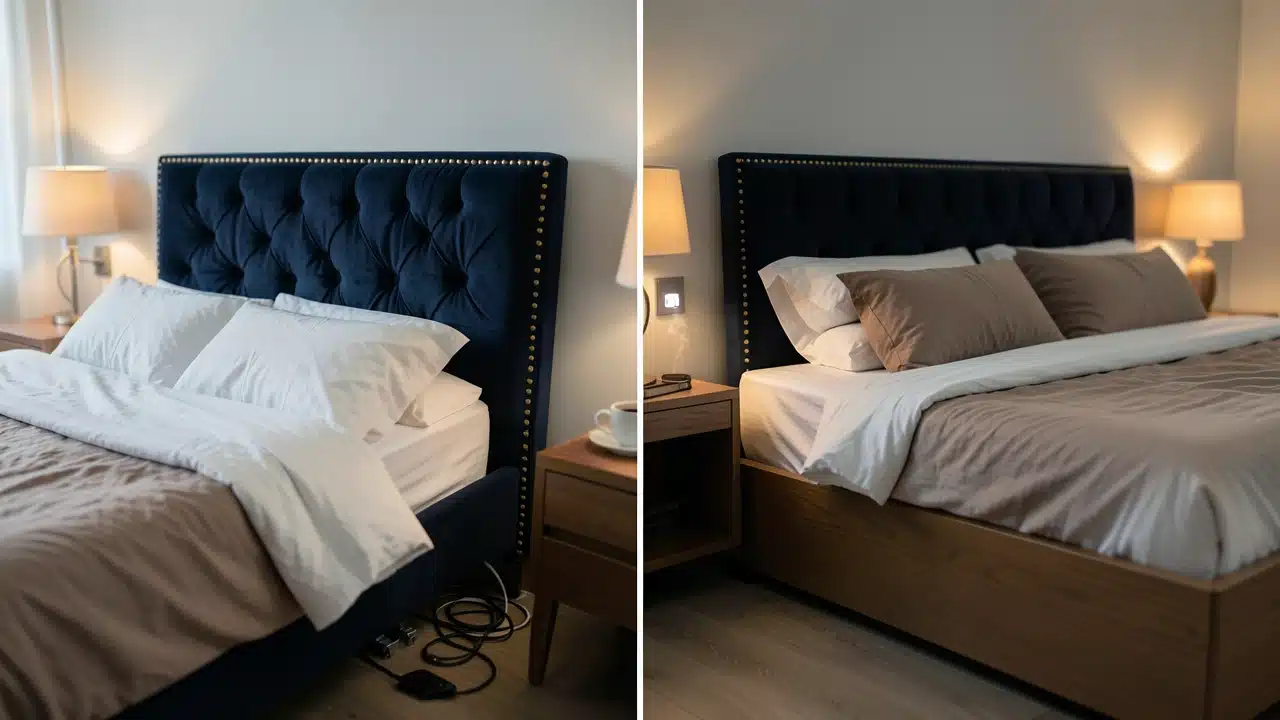
A headboard is functional rather than purely decorative because it supports pillows, prevents them from slipping behind the bed, and protects the wall from scuffs and marks. It also provides a comfortable backrest for reading or sitting up in bed, while upholstered versions absorb sound and add softness, and wood or metal types add structure and durability. The key takeaway is that a headboard improves comfort, cleanliness, and acoustics, making it a practical addition even though it is not strictly essential for sleep.
A headboard is functional as well as decorative because it supports pillows, protects the wall, reduces marks, and creates a more comfortable backrest for reading or sitting in bed.
Upholstered headboards add softness, while wood or metal styles add structure. It is not essential, but it can improve comfort, cleanliness, and bedroom visual balance.
Many people wonder about the real purpose of a headboard. While they certainly add a decorative touch to a bedroom, their role goes beyond just looking good.
Understanding Is a Headboard Actually Functional or Purely Decorative? can help you make smarter choices for your bedroom’s comfort and style.
Knowing the practical benefits can transform your sleeping space into a more cozy and supportive environment, and we’ll explore just how that happens next.
Key Takeaways
- Headboards offer practical benefits like preventing pillows from falling and protecting the wall.
- They can improve sleep comfort by providing a backrest for reading or sitting up.
- Headboards contribute to better bedroom acoustics by absorbing sound.
- The right headboard can enhance the overall aesthetics and design of your bedroom.
- Choosing a headboard involves considering material, style, and personal needs.
Beyond Looks: The Practical Perks of a Headboard
When you first think about a headboard, you might picture a stylish addition to your bed frame. It’s true, they often look great. But the question Is a Headboard Actually Functional or Purely Decorative? has a clear answer: it’s both!
Beyond their visual appeal, headboards offer several practical advantages that can make your bedroom more comfortable and your bed last longer.
One of the most common, everyday benefits is preventing your pillows from slipping off the bed. If you toss and turn a lot, or if your bed is against a wall, a headboard acts as a barrier. This simple function means fewer dropped pillows and a tidier bed in the morning.
It also protects your wall from scuffs and marks that can happen from your mattress or headboard rubbing against it.
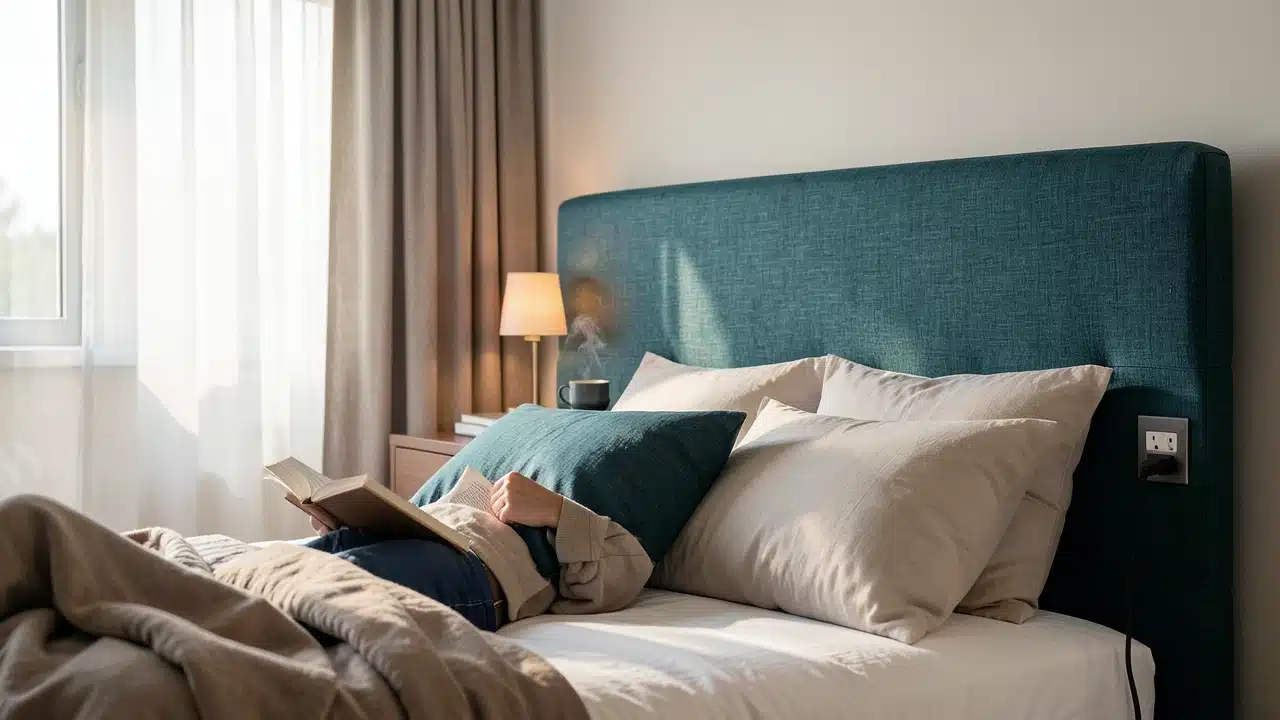
Furthermore, headboards can significantly enhance your comfort when you’re not actively sleeping. Many people like to read, watch TV, or use their laptop in bed. A headboard provides a sturdy and comfortable surface to lean against.
This support can prevent neck and back strain, making your relaxation time more enjoyable. So, the answer to Is a Headboard Actually Functional or Purely Decorative? leans heavily towards functional when you consider these daily uses.
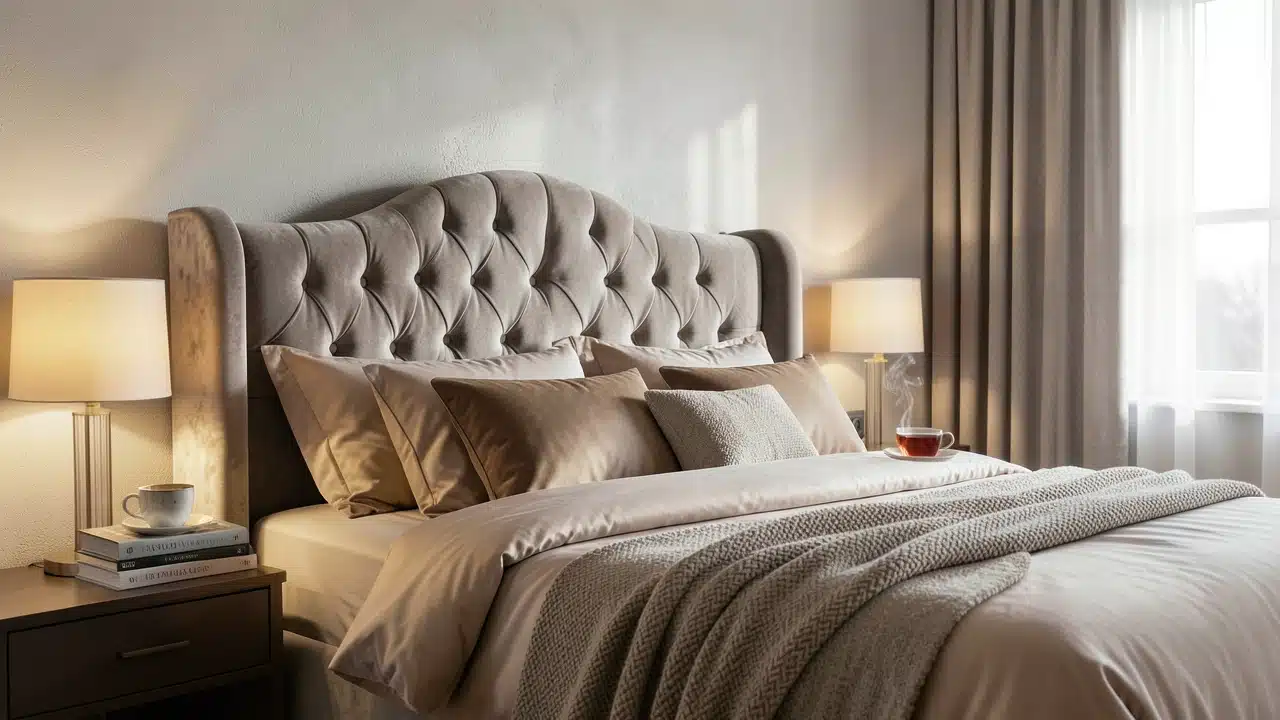
Boosting Bedroom Comfort and Support
The comfort aspect of a headboard is a major reason why many people choose them. Think about how often you sit up in bed.
Whether you’re enjoying a leisurely breakfast, catching up on emails, or engrossed in a good book, having something solid to lean back on makes a big difference.
Without a headboard, you might be leaning against a cold, hard wall, which isn’t ideal for long periods.
A well-padded headboard can offer cushioning and support that a bare wall simply cannot. This can make your bed feel more like a cozy nook, perfect for relaxing. For those who spend a lot of time in bed, this added comfort is invaluable.
It’s a simple addition that can transform your bed from just a place to sleep into a multi-functional relaxation zone.
When considering Is a Headboard Actually Functional or Purely Decorative?, think about the different types of headboards available. Upholstered headboards, for example, offer a soft and comfortable surface. Wooden or metal headboards, while perhaps less plush, still provide a firm backrest.
The choice depends on your personal comfort preferences and how you use your bed.
Improving Your Bedroom’s Acoustics
This might be a less obvious benefit, but headboards can actually help improve the sound quality in your bedroom.
Bedrooms are often one of the quietest rooms in a house, but echoes can still occur. Hard surfaces like walls and windows reflect sound waves.
A headboard, especially one made of fabric or with padding, can absorb some of these sound waves.
By absorbing sound, a headboard can help reduce echoes and make the room feel quieter and more peaceful.
This is particularly beneficial if your bedroom is near a noisy area or if you’re sensitive to sound. While it won’t soundproof your room, it can contribute to a more serene sleeping environment.
This acoustic benefit adds another layer to the question, Is a Headboard Actually Functional or Purely Decorative?, highlighting its hidden practical uses.
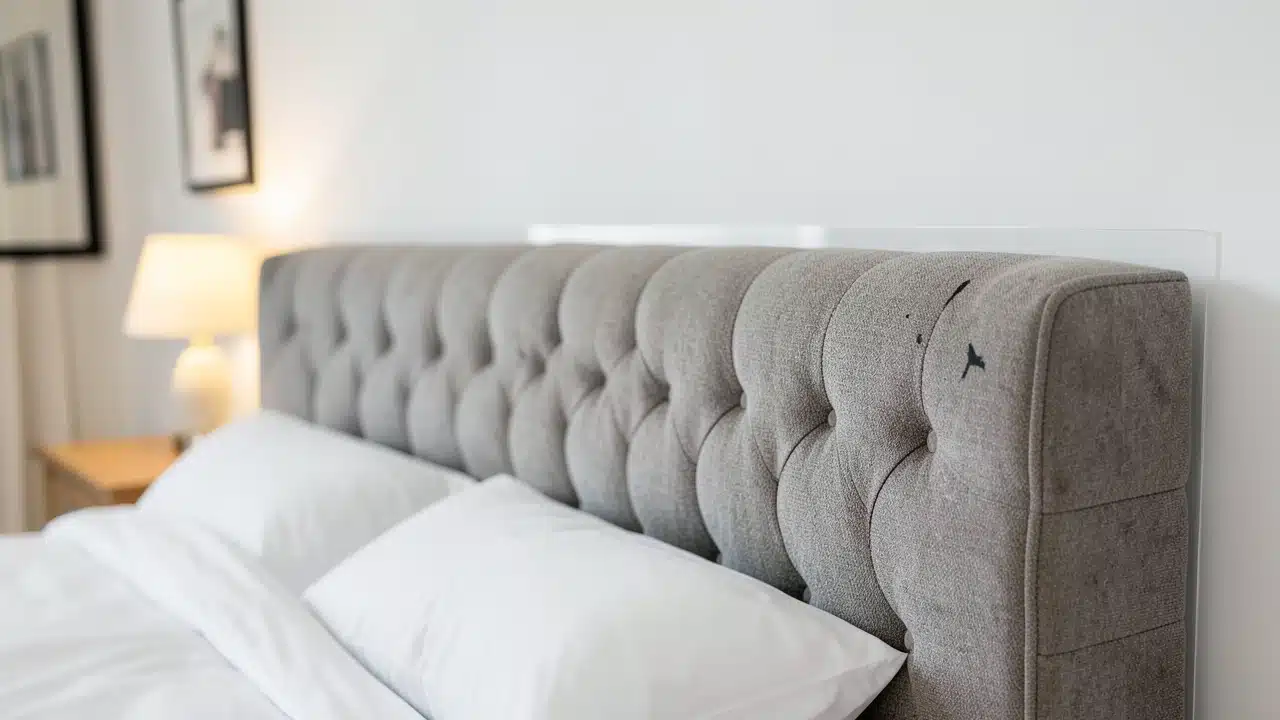
Protecting Your Bed and Walls
Beyond personal comfort, headboards serve a protective purpose for your bed and your walls. The constant movement of the mattress against the wall can cause wear and tear. Paint can chip, and wallpaper can get scuffed.
A headboard acts as a buffer, preventing direct contact between your bed and the wall, thus preserving your room's finishes.
For the bed itself, some headboards are integrated into the bed frame. However, even standalone headboards can offer a degree of protection.
They can prevent the head of the mattress from shifting excessively, which can help maintain the shape and integrity of the mattress over time.
This protective function is a clear indicator that headboards are more than just for show.
Enhancing Bedroom Aesthetics and Design
While we’ve focused on the functional aspects, it’s impossible to ignore the significant role headboards play in interior design.
A headboard can be the focal point of your bedroom, setting the tone for the entire room’s decor. It’s an opportunity to express your personal style and tie together different elements of your bedroom’s design.
The material, color, and shape of a headboard can dramatically influence the room’s atmosphere. A plush velvet headboard can create a luxurious and romantic feel. A minimalist wooden headboard might lend a modern, clean look.
A wrought-iron headboard could add a touch of vintage charm. When choosing a headboard, you’re not just adding a piece of furniture; you’re making a design statement.
When you ask, Is a Headboard Actually Functional or Purely Decorative?, it’s important to remember that it excels at both. The aesthetic contribution is undeniable. It can make a bed look more finished and inviting.
It can also help define the sleeping area within a larger room, making the space feel more cohesive and intentional. The right headboard can elevate your bedroom from ordinary to extraordinary.
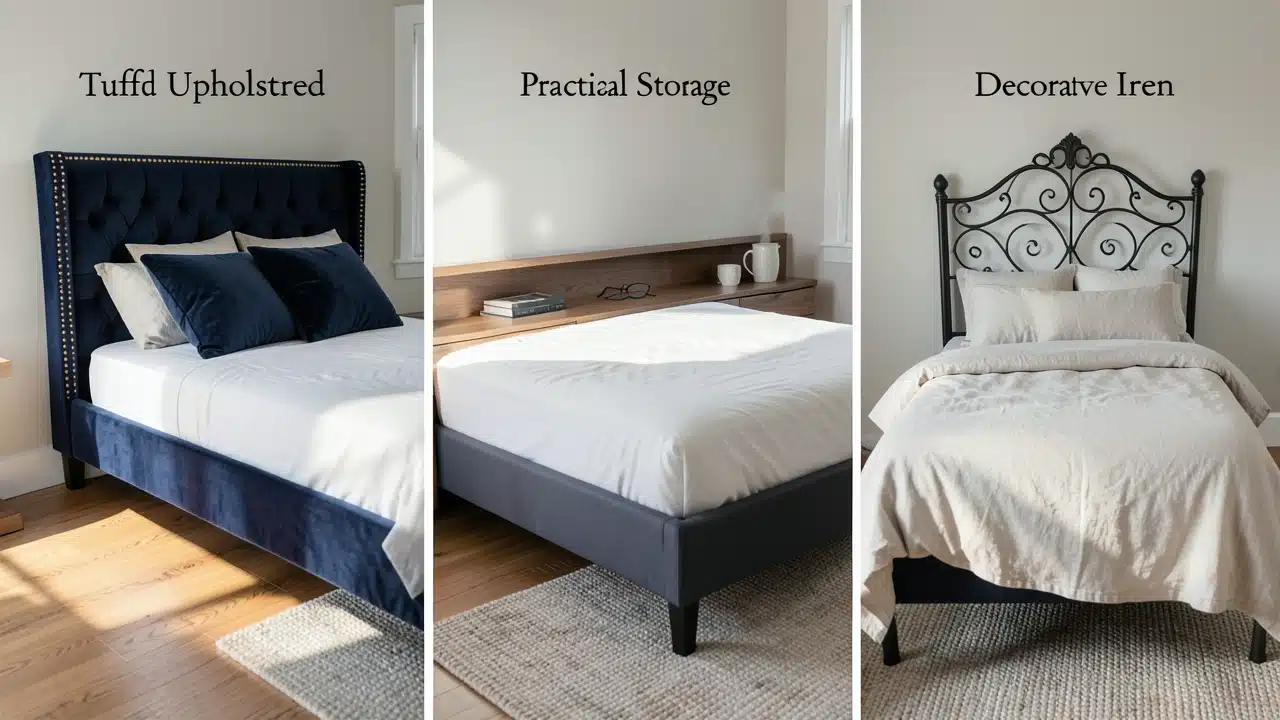
Types of Headboards and Their Benefits
Understanding the variety of headboards available can further clarify their functional and decorative roles. Different materials and styles offer unique advantages.
This variety ensures that you can find a headboard that perfectly suits your needs and aesthetic preferences, answering the question Is a Headboard Actually Functional or Purely Decorative? with a resounding “both!”
Upholstered Headboards
These are perhaps the most popular choice for adding comfort and style. They are typically made with a wooden frame, padding, and covered in fabric, leather, or faux leather. The padding makes them incredibly comfortable to lean against for reading or working.
They also offer excellent sound absorption, contributing to a quieter room.
- Comfort: Soft and cushioned for leaning.
- Aesthetics: Available in a wide range of colors, textures, and patterns.
- Sound Absorption: Helps reduce echoes.
Wooden Headboards
Wooden headboards offer a classic and versatile look. They can range from simple planks to elaborately carved designs. They provide a firm backrest and are very durable.
Wooden headboards can complement many decor styles, from rustic to modern.
- Durability: Long-lasting and sturdy.
- Style Versatility: Fits various bedroom themes.
- Support: Offers a solid surface to lean against.
Metal Headboards
Metal headboards, often made of iron or brass, can add a touch of elegance or industrial chic. They are known for their strength and can be quite decorative with intricate scrollwork or simple, clean lines. They provide a firm backrest and are easy to clean.
- Strength: Very robust and long-lasting.
- Design Options: From ornate to minimalist.
- Ease of Cleaning: Simple to wipe down.
Panel Headboards
These headboards are made of solid panels, often wood or upholstered. They offer a clean, modern look and provide a solid barrier against the wall. Panel headboards can be simple or feature multiple panels for added visual interest.
- Clean Look: Modern and streamlined appearance.
- Wall Protection: Excellent barrier.
- Customization: Can be built to specific sizes.
Wingback Headboards
Wingback headboards add a dramatic and cozy flair. The “wings” on the sides create a sense of enclosure, making the bed feel more private and comfortable. They are often upholstered and provide a luxurious feel, perfect for creating a statement piece.
- Cozy Feel: Creates a sense of enclosure.
- Dramatic Style: Adds a luxurious touch.
- Comfort: Offers a supportive and plush backrest.
Comparing Headboard Functions: Form vs. Functionality
To truly answer Is a Headboard Actually Functional or Purely Decorative?, let’s look at a direct comparison.
While aesthetics are a significant part of their appeal, the functional benefits are often overlooked but highly valuable. The best headboards offer a perfect blend of both.
| Appearance | Enhances bedroom style, sets a theme, adds visual interest. | Makes the bed look complete and inviting. |
| Comfort | Can contribute to a cozy atmosphere. | Provides a backrest for reading, working, or sitting up, preventing strain. |
| Protection | N/A | Prevents pillows from falling, protects walls from damage, can stabilize mattress. |
| Acoustics | N/A | Absorbs sound, reduces echoes, creates a quieter environment. |
| Durability | Contributes to the overall look over time. | Protects the bed and wall, potentially extending the life of your mattress and paint. |
As you can see from the table, the functional benefits are numerous and practical. So, when you’re weighing the options, remember that a headboard serves multiple purposes. It’s not just about how it looks; it’s also about how it improves your daily experience in the bedroom.
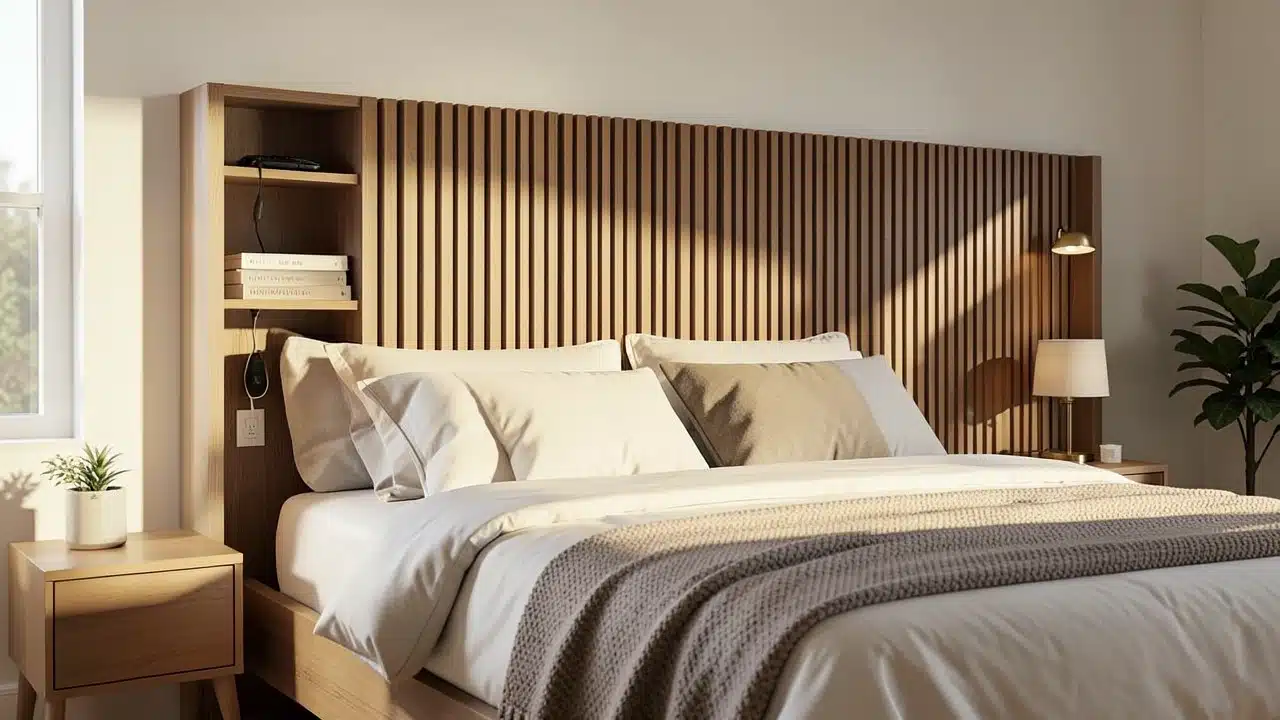
Choosing the Right Headboard for Your Needs
Deciding on a headboard involves more than just picking one that looks nice. You need to consider how you’ll use it and what benefits are most important to you.
This personalizes the answer to Is a Headboard Actually Functional or Purely Decorative? for your specific situation.
First, think about your sleeping habits. Do you read in bed often? If so, an upholstered or padded headboard will offer superior comfort. A headboard can also protect your belongings by keeping pillows on the bed and walls clean.
If you tend to get hot, a wooden or metal headboard might be a better choice.
Second, assess your bedroom’s existing decor. The headboard should complement your style. Consider the color, material, and design.
Do you want it to be a bold statement piece or a subtle addition?
Next, consider the size of your bed and room. A massive headboard can overwhelm a small room, while a tiny one might look lost on a large bed. Measure your space to ensure a proportional fit.
Then, think about installation. Some headboards attach directly to the bed frame, while others mount to the wall.
Wall-mounted headboards offer more flexibility in height placement and can be used with any bed frame, but they require more effort to install.
Finally, consider your budget. Headboards come in a wide range of prices. Set a budget before you start shopping to narrow down your options effectively.
Frequently Asked Questions Of Is A Headboard Actually Functional Or Purely Decorative?
Is a headboard necessary for a bed?
A headboard is not strictly necessary for a bed to function, but it offers significant benefits for comfort, protection, and bedroom aesthetics.
Can a headboard make my bedroom quieter?
Yes, especially upholstered headboards can absorb sound and reduce echoes, contributing to a more peaceful sleeping environment.
What is the main function of a headboard?
The main functions include providing a comfortable backrest, protecting the wall and mattress, and enhancing the bedroom’s overall design.
Is a headboard purely decorative or can it be functional?
A headboard is both functional and decorative. It adds style while offering practical benefits like comfort and protection, answering the question Is a Headboard Actually Functional or Purely Decorative? with a clear “both.”
Which type of headboard is best for comfort?
Upholstered headboards are generally considered the most comfortable for leaning against due to their padding and soft materials.
Do headboards help with sleep quality?
While not directly impacting sleep cycles, headboards can improve sleep quality by making the bedroom more comfortable, quieter, and by providing support for activities like reading before sleep.
Final Thoughts
Ultimately, a headboard is much more than just a decorative piece. It offers tangible benefits that enhance your comfort, protect your belongings, and improve your bedroom’s atmosphere. Choosing the right one means investing in both style and practicality for a better sleeping experience. When choosing the right headboard, consider factors like bed size and personal sleeping habits.