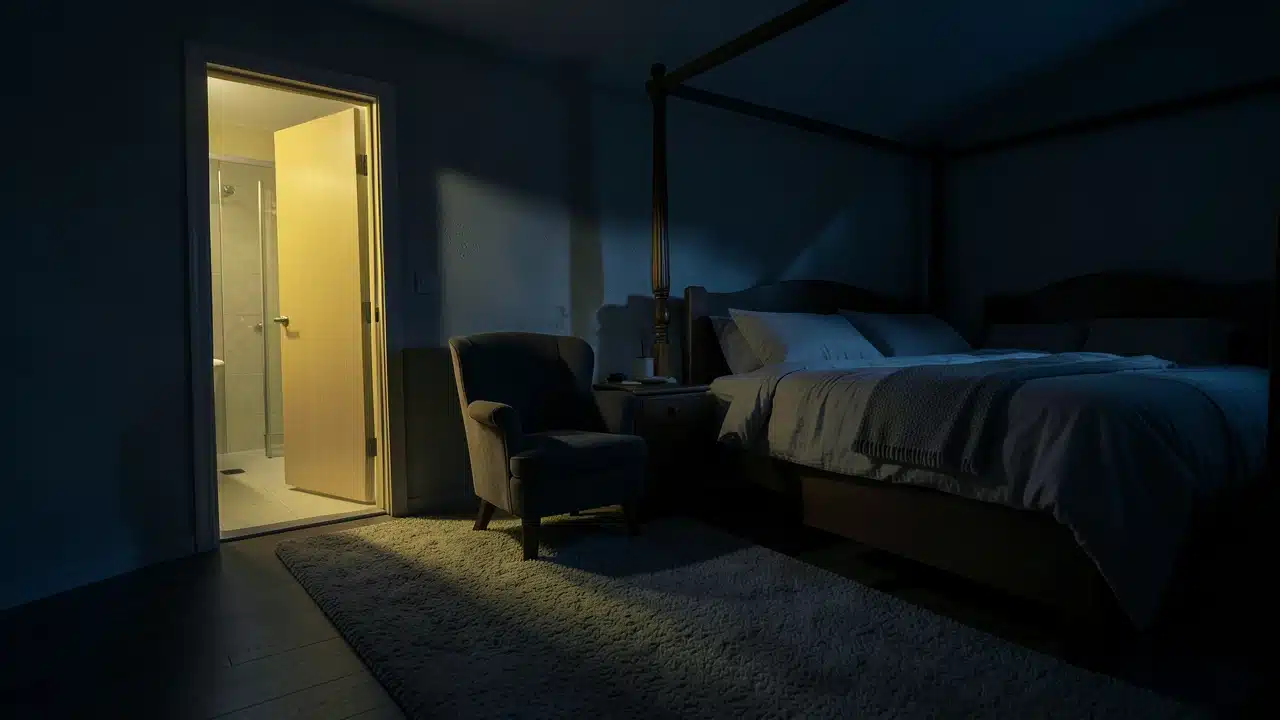
Bedroom furniture placed directly in the path from bathroom to bed creates a daily obstruction where you are most likely to move quickly, tired, or in low light.
It increases tripping risk, makes the room feel cramped, and disrupts natural flow. Keep this walkway clear, with nightstands, benches, and dressers outside the main walking line.
Making smart choices about where you put your furniture can make a big difference in how your home feels and works.
It’s about creating spaces that are easy to use and pleasant to be in every day. You might not think much about it, but thinking about Why You Should Never Place Bedroom Furniture Directly in the Path From Bathroom to Bed can really improve your daily routine.
We’ll look at how this simple arrangement can affect your comfort and safety.
Key Takeaways
- Placing furniture in the path from the bathroom can create safety hazards, increasing the risk of trips and falls.
- Obstructions in this walkway can lead to inconvenience and frustration during nighttime or early morning bathroom trips.
- This placement can negatively impact the flow and energy of your bedroom, making it feel less peaceful.
- Strategic furniture arrangement enhances accessibility and ease of movement throughout your bedroom.
- Understanding Why You Should Never Place Bedroom Furniture Directly in the Path From Bathroom to Bed helps create a more functional and serene living space.

Preventing Accidents: Safety First
One of the most important reasons to consider furniture placement is safety. Your bedroom is often a place of rest, but it’s also a room you move through, especially during the night. If you need to get up for a bathroom visit, the path should be clear.
When bedroom furniture is directly in the path from the bathroom, it creates a tripping hazard. Imagine waking up in the dark. You might not see a misplaced ottoman or a bedside table jutting out.
This can easily lead to a stumble or a fall, potentially causing injuries.
Children and older adults are especially at risk. Their balance might not be as good, making them more prone to accidents. Keeping this pathway clear is a simple step that significantly reduces the chances of an unexpected fall.
This is a key part of understanding Why You Should Never Place Bedroom Furniture Directly in the Path From Bathroom to Bed.
Waking up in the middle of the night often means navigating your room with limited light. You’re usually half asleep and not fully aware of your surroundings. A clear path ensures you can move from your bed to the bathroom and back without difficulty.
If furniture blocks this route, even a small dresser or a chair can become a major obstacle. You might bump into it, stub your toe, or even knock it over. This can not only cause pain but also wake you up completely, making it harder to fall back asleep.
This ease of movement is a significant benefit of proper bedroom layout. It contributes to a more restful night’s sleep because you don’t have to worry about navigating a cluttered space.
This is a strong indicator of Why You Should Never Place Bedroom Furniture Directly in the Path From Bathroom to Bed.
Maintaining Bedroom Flow and Ambiance
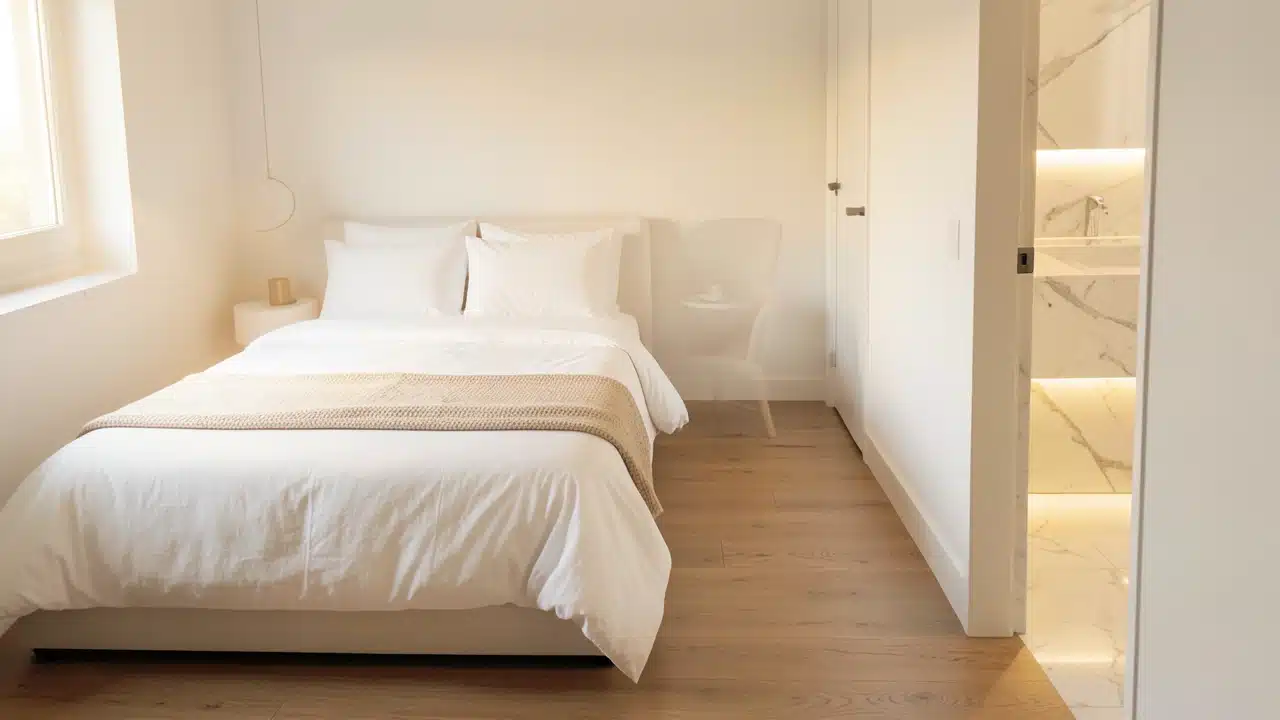
Beyond safety, furniture placement greatly affects the overall feel of your bedroom. A bedroom should be a sanctuary, a place of calm and relaxation. Clutter or awkward arrangements can disrupt this peace.
Placing furniture in a direct line from the bathroom to the bed can create a sense of unease. It breaks up the visual flow of the room. Instead of seeing a welcoming space, you see an obstacle course.
This can make the room feel smaller and less inviting.
A well-arranged bedroom promotes a sense of order and harmony. When the path from the bathroom is clear, it allows the eye to move smoothly across the room. This enhances the aesthetic appeal and the overall comfort of your personal space.
The Feng Shui Perspective
In Feng Shui, the art of arranging spaces to promote harmony and balance, the flow of energy (Qi) is very important. Placing furniture in a way that obstructs natural movement can disrupt this energy flow.
The path from the bathroom to the bed is considered a significant energy channel in a bedroom. If this path is blocked by furniture, it can create stagnant or chaotic energy. This can lead to feelings of restlessness or dissatisfaction within the space.
Following principles that emphasize clear pathways can help create a more positive and restful environment. This is a subtle but important aspect of Why You Should Never Place Bedroom Furniture Directly in the Path From Bathroom to Bed.
Maximizing Functionality and Space
Every room has a primary function, and in a bedroom, it’s rest and personal comfort. Furniture should support these functions, not hinder them. Strategic placement ensures that your bedroom serves its purpose effectively.
When furniture is placed in high-traffic areas like the path from the bathroom, it reduces the usable space. It makes the room feel cramped and harder to move around in. This is especially true for smaller bedrooms where every inch counts.
By keeping the main walkways clear, you make the room feel larger and more open. This allows for better use of the available space. You can more easily access closets, dressers, or other furniture without squeezing past things.
Understanding Why You Should Never Place Bedroom Furniture Directly in the Path From Bathroom to Bed is about optimizing your living area.
Creating Zones for Different Activities
Even within a bedroom, you can create different zones for various activities: sleeping, dressing, or relaxing. Furniture placement helps define these zones.
If furniture is scattered randomly, these zones can become blurred. For instance, a dresser placed in a walkway might interrupt the flow between your sleeping area and your dressing area. This can make your morning routine feel rushed and disorganized.
A clear path from the bathroom to the bed helps maintain the integrity of the sleeping zone. It ensures that this essential area remains undisturbed and functional. This simple arrangement contributes to a more organized and efficient home.
Common Furniture Placement Pitfalls
Many people inadvertently create these problematic pathways. It often happens when trying to fit too much furniture into a room or when rearranging without considering traffic flow.
One common mistake is placing a large wardrobe or dresser directly opposite the bathroom door. This forces anyone entering or leaving the bathroom to navigate around it. Another is using a bedside table as an end-of-bed bench, blocking a crucial route.
Even decorative items can cause issues. A large plant stand or a floor lamp placed carelessly can become a hazard in a dark hallway. Being aware of these common pitfalls is crucial.
The Impact of Nightstands and Dressers
Nightstands are often placed next to the bed, which is usually fine. However, if they extend too far or are placed too close to the door, they can become an obstacle. Similarly, dressers, while necessary for storage, need to be positioned thoughtfully.
A dresser that juts out into a main pathway can be a constant annoyance. It forces you to alter your stride or move awkwardly. This is particularly true if the dresser is located between the bathroom door and the bed.
Consider the dimensions of your furniture and the available space. Measure the pathways you use most often. This practical approach helps avoid common mistakes and reinforces Why You Should Never Place Bedroom Furniture Directly in the Path From Bathroom to Bed.
How to Arrange Your Bedroom for Optimal Flow
The best way to avoid these issues is to plan your bedroom layout carefully. Start by identifying the main traffic paths.
First, consider the location of your bed. It’s usually the largest piece of furniture and sets the tone for the room. Place it away from direct entryways if possible.
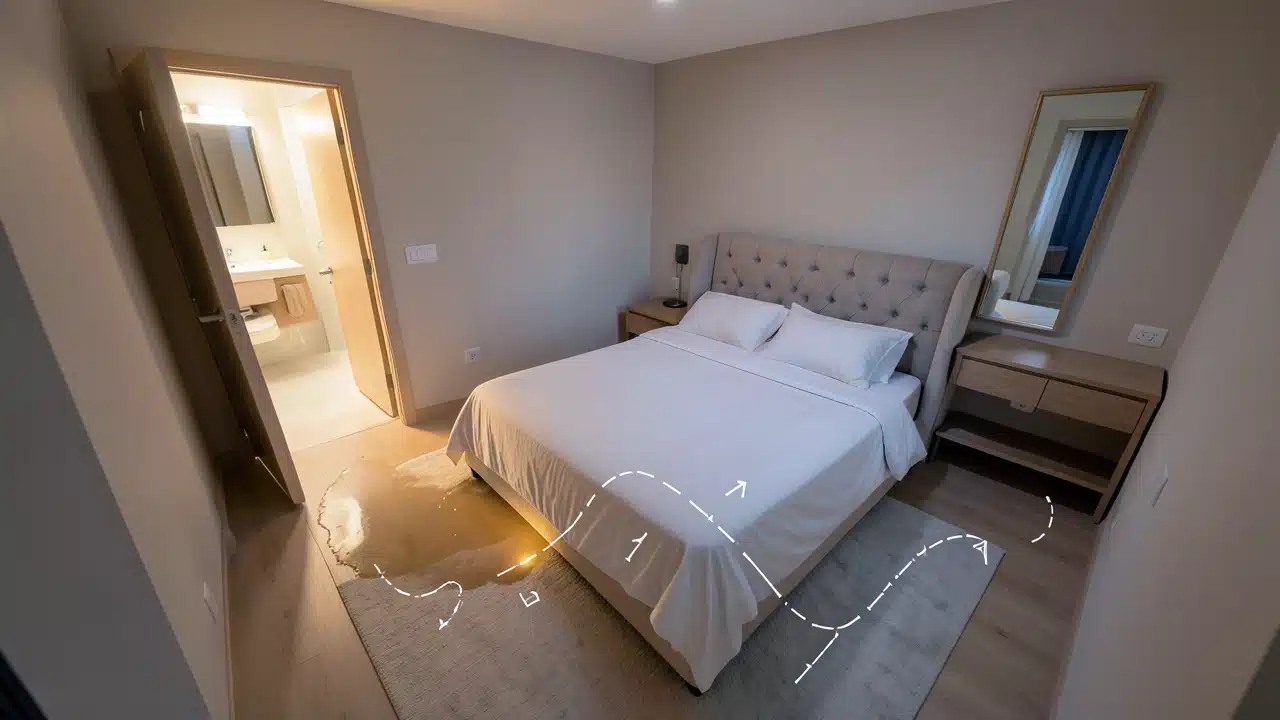
Second, map out the path from your bathroom door to your bed. This is your critical walkway. Ensure it is as wide and unobstructed as possible.
Next, place other essential furniture like dressers, wardrobes, and nightstands. Position them along walls or in corners where they won’t interfere with the main paths. Leave ample space around them.
Then, think about the flow between your bed and other areas, like closets or a vanity. Ensure these transitions are smooth and easy.
Finally, walk through your bedroom as if you were going to the bathroom in the dark. Does it feel safe and easy? Adjust furniture as needed until the flow feels natural and unobstructed.
Utilizing Wall Space Effectively
One excellent strategy is to use wall space for storage. Wall-mounted shelves or cabinets can provide storage without taking up floor space or blocking pathways.
Floating nightstands are another great option. They attach directly to the wall, leaving the floor clear underneath. This can make a room feel much more open and accessible.
Consider vertical storage solutions. Tall, narrow dressers or bookcases can offer plenty of storage while occupying a smaller footprint. Ensure these are placed in areas that don’t impede movement.
Common Bedroom Layout Mistakes and Solutions
Let’s look at a few common layout mistakes and how to fix them. Understanding proper bedroom furniture placement can prevent tripping hazards in the dark.
| Placing a dresser in the bathroom-to-bed path. | Tripping hazard, awkward movement, reduced space. | Move the dresser to a wall that doesn’t obstruct the main walkway. Consider a narrower dresser if space is tight. |
| Overcrowding the room with too many pieces of furniture. | Cramped feeling, difficult to move, poor energy flow. | Remove unnecessary items. Opt for multi-functional furniture. Keep only essential pieces. |
| Ignoring the path from the door to the bed. | Feeling of disorganization upon entering, potential for bumps. | Define the main entry path and keep it clear of any furniture or clutter. |
| Blocking natural light sources with large furniture. | Dim room, reduced sense of space, less inviting atmosphere. | Position furniture so it doesn’t obstruct windows. Use lighter-colored furniture to reflect light. |
This table highlights how specific furniture placement can cause problems. Understanding Why You Should Never Place Bedroom Furniture Directly in the Path From Bathroom to Bed is about practical problem-solving.
The Importance of “Negative Space”
In design, "negative space" refers to the empty areas in a room. These are just as important as the areas filled with furniture. They are what allow us to move freely and experience a sense of openness.
When the negative space is compromised by furniture in key pathways, the room suffers. It feels cluttered and less functional. Prioritizing clear pathways ensures that the negative space in your bedroom can do its job effectively. Feng shui emphasizes maintaining a clear energy flow in bedroom to promote restful sleep.
Frequently Asked Questions Of Why You Should Never Place Bedroom Furniture Directly In The Path From Bathroom To Bed
What is the main danger of placing furniture in the bathroom to bed path?
The main danger is creating a trip hazard, especially in low light, which can lead to falls and injuries.
How does furniture placement affect bedroom ambiance?
Furniture in the wrong place can disrupt the room’s flow and energy, making it feel cluttered and less peaceful, impacting the overall ambiance.
Are there any specific design principles that advise against this furniture placement?
Yes, principles like Feng Shui emphasize clear energy pathways, and general interior design focuses on traffic flow and functionality, both advising against obstructing the bathroom to bed path.
Can small pieces of furniture still cause problems in this path?
Yes, even small items like a footstool or a low table can become a significant tripping hazard in the dark.
What is the best way to ensure the path from the bathroom to the bed is clear?
Plan your layout carefully, identify the main pathways, and position all furniture, including nightstands and dressers, so they do not obstruct these routes.
Does this rule apply to all bedrooms, or just master bedrooms?
This rule applies to all bedrooms, especially children’s rooms and guest rooms, where safety and ease of use are paramount.
Final Thoughts
Keeping the path from the bathroom to your bed clear is a simple yet powerful way to improve your bedroom.
It enhances safety, makes nighttime trips easier, and creates a more peaceful, functional space. Prioritizing clear walkways makes your bedroom a better place to rest and recharge. The CDC's guidelines on sleep environment safety include keeping pathways free of obstacles.