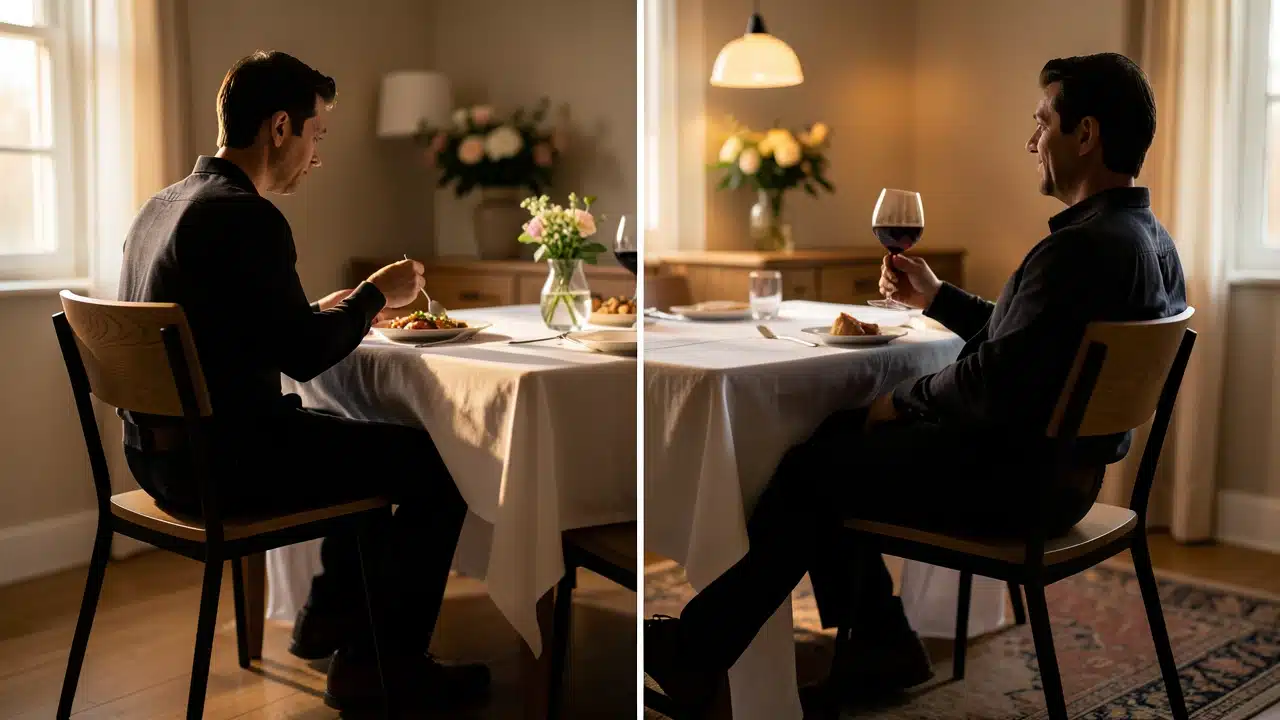
A dining chair backrest angle of 95 to 105 degrees supports comfortable upright eating by keeping the torso close to the table, while a slightly more relaxed 105 to 115 degrees is better for lingering and conversation. The practical takeaway is that seat depth, padding, and lumbar support influence comfort as much as the angle itself, so a chair that feels stiff or too reclined will not suit either activity well. Choosing an adjustable or appropriately angled chair based on how the space will be used ensures guests remain comfortable for both quick meals and extended social time.
A dining chair backrest angle around 95–105 degrees supports upright eating because it keeps the torso close to the table.
For lingering, a slightly more relaxed 105–115 degrees feels better for conversation. Too upright feels stiff; too reclined makes reaching food awkward. Seat depth, padding, and lumbar support matter as much as angle.
Choosing the right dining chair can make a big difference in how long you want to stay at the table. It’s not just about looks; comfort plays a huge role, especially when you’re enjoying a meal or chatting with friends. The angle of the chair’s backrest is a key factor in this.
Understanding What Backrest Angle Makes a Dining Chair Comfortable for Eating vs. Lingering? helps you pick chairs that feel just right for any occasion.
This knowledge will help you create a more inviting dining space where guests feel welcomed to stay longer and enjoy every moment.
Key Takeaways
- The ideal backrest angle for dining chairs balances support for eating with comfort for relaxing.
- A straighter angle is better for upright posture during meals, aiding digestion and conversation.
- A slightly reclined angle promotes relaxation, making chairs more suitable for lingering after the meal.
- Consider the chair’s overall design, including seat depth and armrests, alongside the backrest angle.
- Personal preference and the intended use of the dining area heavily influence the best backrest angle.
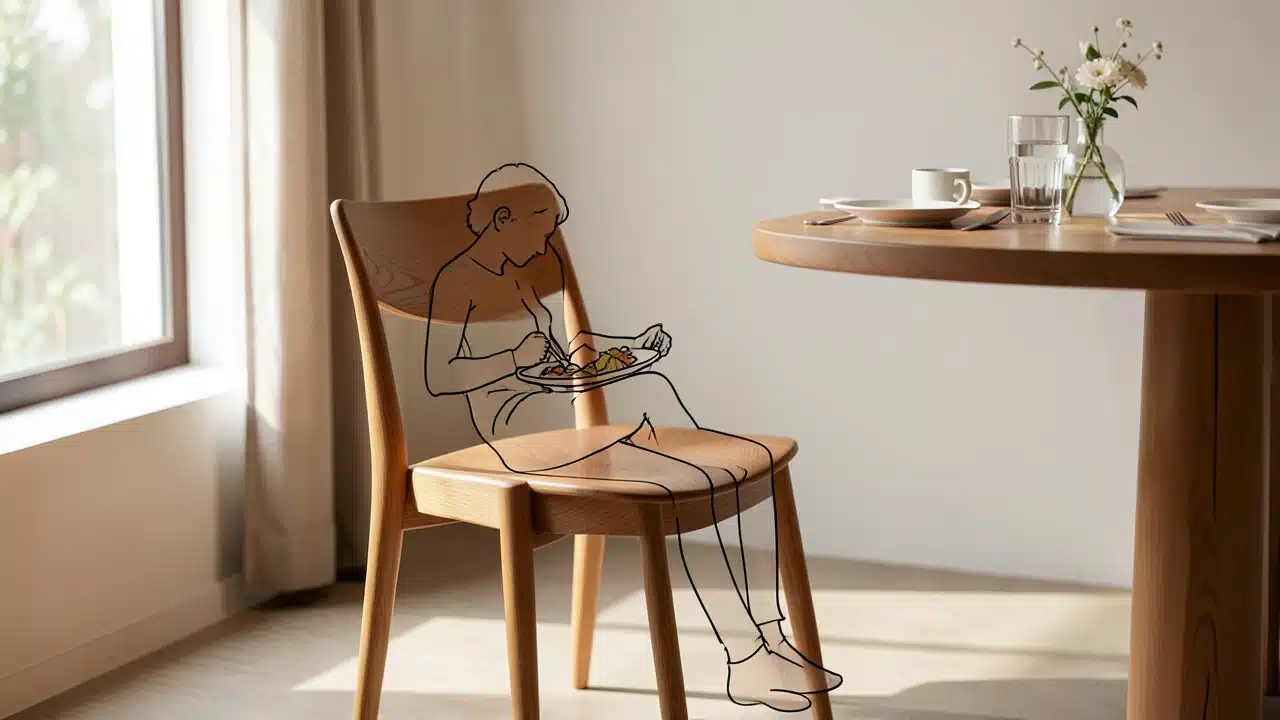
Finding the Perfect Angle for Mealtime Posture
When you’re sitting down to eat, you usually want to be in a position that feels stable and allows you to easily reach your plate. This means a more upright posture is generally preferred. The backrest angle plays a significant role here.
A chair designed for eating often has a backrest that is relatively straight, typically around 95 to 105 degrees from the seat. This angle supports your back without forcing you to lean too far forward or backward.
This upright position is beneficial for several reasons. It helps maintain good posture, which is important for enjoying your food and engaging in conversation. It also aids digestion.
When you’re sitting too slouched or leaning back too much while eating, it can sometimes lead to discomfort or indigestion. Therefore, for the primary function of dining, a more vertical backrest angle is often the best choice.
The question of What Backrest Angle Makes a Dining Chair Comfortable for Eating vs. Lingering? highlights this distinction. For the eating phase, think of a chair that helps you sit up, ready to enjoy your meal.
It’s about being engaged at the table, not sinking into a plush lounge. This means the chair provides just enough support to keep you comfortable without encouraging you to relax too deeply.
Many chairs designed specifically for dining tables have this straighter backrest. They are built to accommodate the natural curve of the spine when sitting upright. This angle prevents strain on your lower back during the meal.
It also makes it easier to maneuver cutlery and plates. The overall goal is functional comfort, allowing you to focus on the food and company.
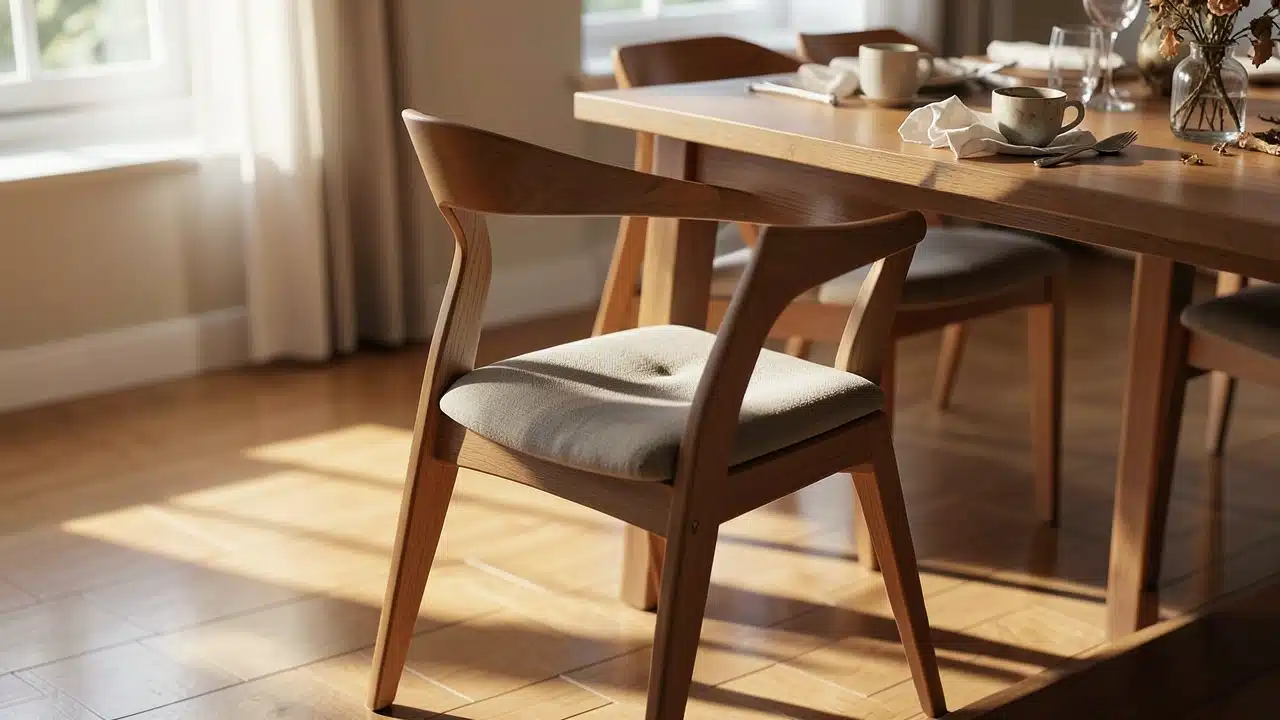
Designing for Extended Stays: The Lingering Angle
Once the meal is finished, the mood often shifts. People want to relax, chat, and enjoy each other’s company without feeling like they need to get up. This is where a different backrest angle becomes more desirable.
For lingering, a chair that allows for a more relaxed posture is key. This typically means a backrest that offers a slight recline.
Angles in the range of 105 to 115 degrees from the seat are often ideal for this purpose. This gentle tilt allows your body to relax into the chair. It takes pressure off your spine and encourages a more laid-back feeling.
It’s the kind of angle that makes you want to settle in for a good conversation or a second cup of coffee.
This is the other side of the coin when considering What Backrest Angle Makes a Dining Chair Comfortable for Eating vs. Lingering?. For lingering, the chair should feel more like a comfortable armchair than a formal dining seat.
The slight recline helps you unwind. It makes longer periods of sitting much more pleasant. You can lean back, stretch out a bit, and truly enjoy the post-meal atmosphere.
Chairs designed with lingering in mind might also feature softer cushioning or slightly wider seats. However, the backrest angle is a primary driver of this relaxed feel. It’s the subtle shift in support that signals to your body that it’s time to relax and stay awhile.
This is what transforms a dining chair from a functional piece of furniture into a welcoming spot for extended social interaction.
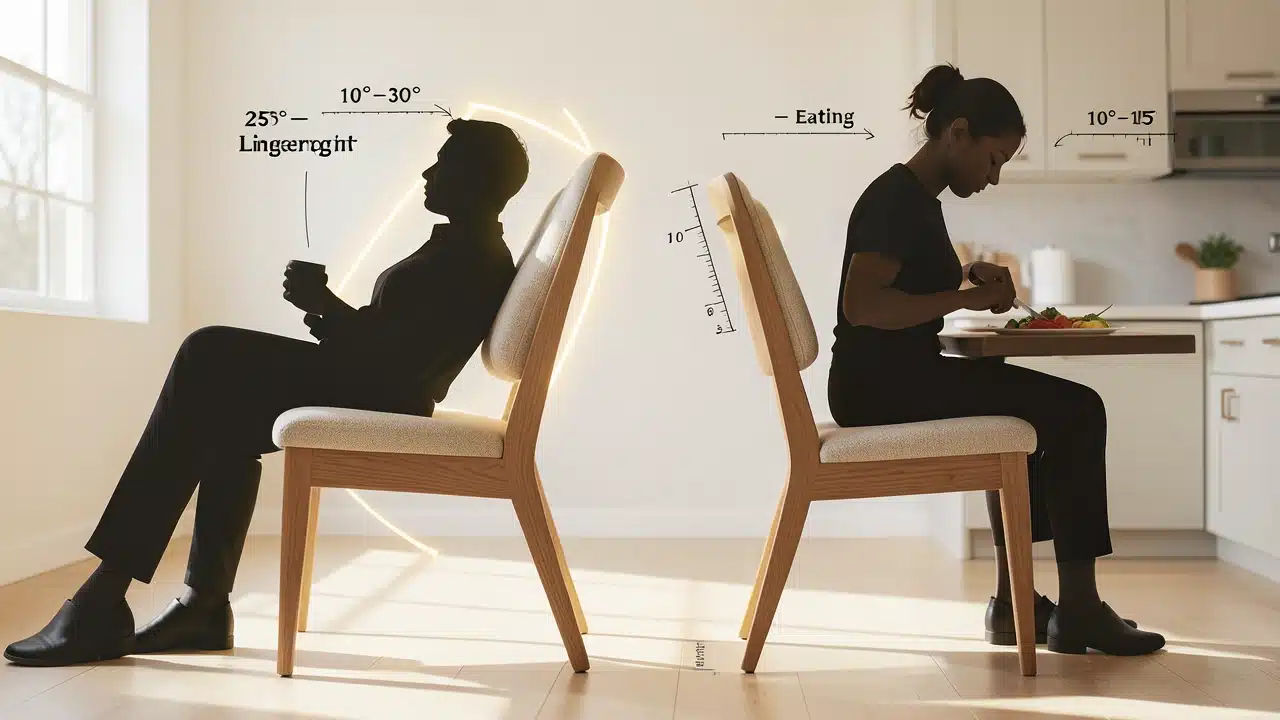
The Ideal Backrest Angle: Finding the Sweet Spot
So, what’s the perfect angle? The truth is, there isn’t one single answer that fits every person or every dining situation.
The ideal backrest angle for a dining chair is often a compromise, aiming to be comfortable for both eating and lingering to some extent.
Many manufacturers aim for a middle ground, typically between 100 and 110 degrees.
This range offers enough upright support for comfortable eating. At the same time, it provides a slight backward tilt that allows for a degree of relaxation. It’s a versatile angle that works well for most dining scenarios.
You can sit up to eat and then lean back slightly to chat without feeling awkward or unsupported.
When you’re evaluating chairs, think about how you typically use your dining space. Do you often have long dinners that turn into late-night chats? Or are your meals usually quick and functional?
Answering What Backrest Angle Makes a Dining Chair Comfortable for Eating vs. Lingering? depends on your lifestyle. A chair that leans a bit more upright might be best if you prioritize formal dining.
A chair with a slightly more reclined angle could be better if you love hosting relaxed gatherings.
Consider the overall design of the chair. The backrest angle is just one piece of the puzzle. The height of the back, the shape of the lumbar support, and the cushioning all contribute to comfort.
Even armrests can influence how you sit. A chair with a slightly more reclined backrest but no armrests might still feel formal enough for dining, while still offering comfort for lingering.
Factors Beyond Just the Angle
While the backrest angle is crucial, other elements significantly impact dining chair comfort. Understanding these will help you make a more informed choice and truly answer What Backrest Angle Makes a Dining Chair Comfortable for Eating vs. Lingering?.
The seat itself plays a vital role in how you feel sitting in the chair.
Seat Depth: The distance from the front of the seat to the backrest affects how much support your thighs receive.
If a seat is too deep, your legs might not reach the backrest properly, leading to slouching. If it’s too shallow, it might not provide enough support for your thighs, causing discomfort during longer sits.
Seat Height: This needs to be appropriate for your dining table. Your feet should be able to rest flat on the floor with your knees at about a 90-degree angle. This alignment is fundamental to good posture, regardless of the backrest angle.
Cushioning: The firmness and material of the seat and backrest cushioning are important. Too soft, and you might sink too much, making it hard to sit upright for eating. Too firm, and it can become uncomfortable quickly.
A balance is usually best, offering support without being hard.
Armrests: While not always present on dining chairs, armrests can add to comfort by providing a place to rest your arms. However, they can also make it harder to pull the chair close to the table. Their height and shape also matter.
Chairs with slightly lower or contoured armrests might accommodate a wider range of dining table heights.
These factors work together with the backrest angle to create the overall seating experience. A chair with a perfect backrest angle but an uncomfortable seat will still not be ideal.
It’s the synergy of all these components that determines how well a chair serves its purpose for both eating and lingering.
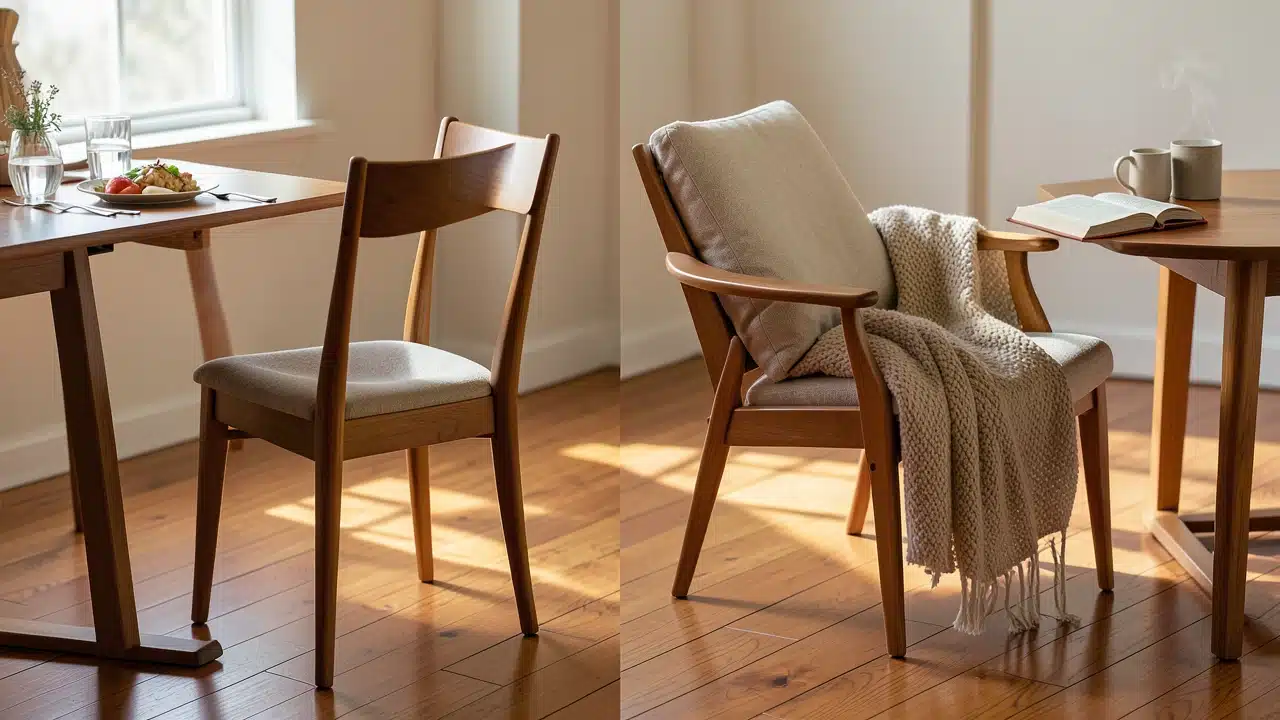
Comparing Chair Designs for Eating vs. Lingering
To better understand What Backrest Angle Makes a Dining Chair Comfortable for Eating vs. Lingering?, let’s compare typical features. This will make it clear how different designs cater to different needs.
| Backrest Angle | More upright (approx. 95-105 degrees). Provides good lumbar support for an active posture. | Slightly reclined (approx. 105-115 degrees). Encourages relaxation and a more casual posture. |
| Seat Depth | Moderate. Allows feet to rest flat and back to be supported. | Can be slightly deeper. Accommodates a more relaxed, stretched-out posture. |
| Cushioning | Supportive but not overly soft. Prevents sinking, aids in maintaining upright posture. | Often softer and more plush. Enhances comfort for extended periods of sitting. |
| Armrests | Often absent or low-profile to allow close proximity to the table. | May be present and more substantial, adding to the relaxed feel. |
| Overall Feel | Functional, supportive, encourages engagement. | Relaxed, inviting, promotes unwinding. |
This table illustrates how different design choices cater to specific uses. A chair that excels at eating might feel a bit stiff for long conversations. Conversely, a chair built for lingering might make it slightly awkward to eat a formal meal.
The key is finding a chair that best fits your primary use, or a versatile chair that balances both needs.
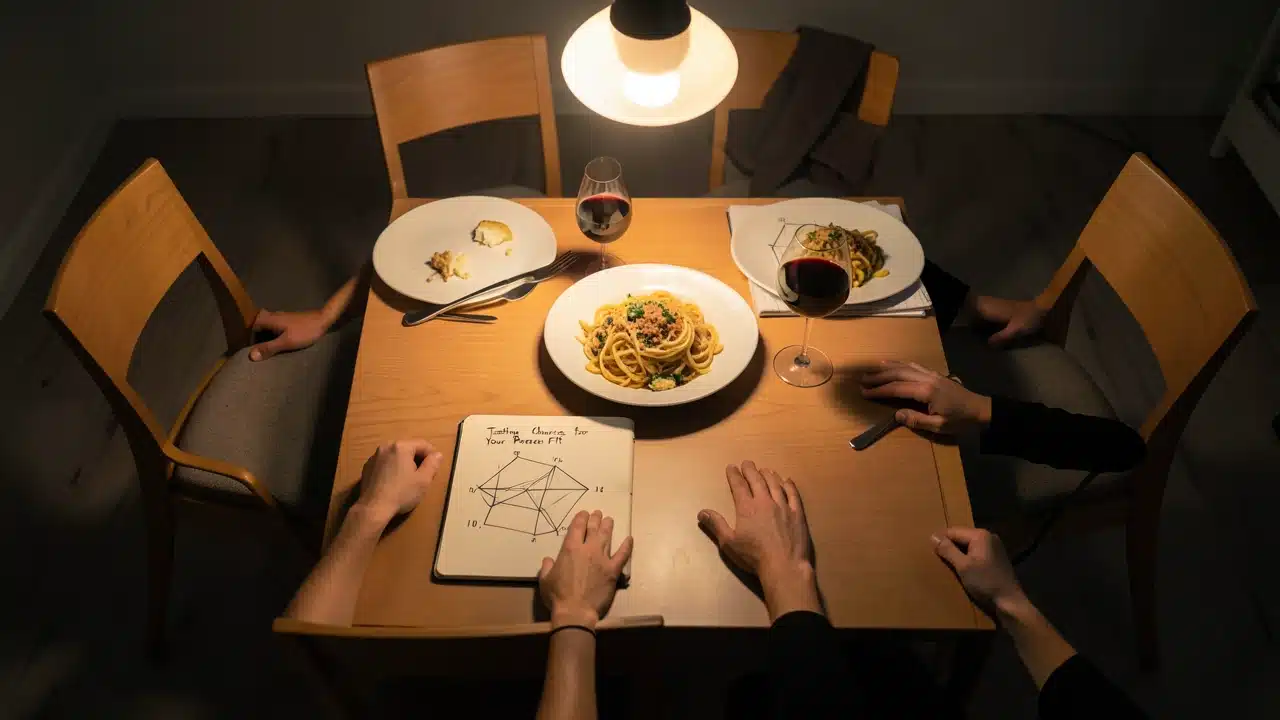
Testing Chairs for Your Perfect Fit
The best way to know for sure is to try chairs out yourself. Reading about What Backrest Angle Makes a Dining Chair Comfortable for Eating vs. Lingering? is helpful, but personal experience is invaluable.
When you’re shopping for dining chairs, don’t be afraid to sit in them for a few minutes.
First, sit as you would for eating. Can you comfortably reach the table? Do you feel supported without being pushed forward?
Does your back feel aligned? Pay attention to any strain or discomfort.
Next, try leaning back a bit, as you might do after a meal. Does the chair offer a comfortable recline? Does it feel stable?
Can you relax into it without feeling like you’re going to tip over?
Then, consider the height of the chair relative to your table. Are your arms at a comfortable level when resting on the table or armrests? Do your feet touch the floor easily?
Finally, think about the overall impression. Does the chair invite you to stay a while, or does it make you want to get up? Your own body will tell you what feels right.
This hands-on approach is the most reliable way to find chairs that truly enhance your dining experience.
Frequently Asked Questions Of What Backrest Angle Makes A Dining Chair Comfortable For Eating Vs. Lingering?
What is the typical backrest angle for a dining chair?
The typical backrest angle for a dining chair is usually between 95 and 110 degrees from the seat. This range aims to provide enough upright support for eating while allowing some comfort for relaxing.
Why is an upright backrest good for eating?
An upright backrest promotes better posture, which aids digestion and makes it easier to interact with others at the table. It prevents slouching that can lead to discomfort during a meal.
What makes a dining chair comfortable for lingering?
A dining chair comfortable for lingering usually has a slightly more reclined backrest angle (around 105-115 degrees). This allows for a more relaxed posture, taking pressure off the back.
Can one chair be good for both eating and lingering?
Yes, many versatile dining chairs offer a middle-ground backrest angle (around 100-110 degrees) that works well for both activities. The overall design, including seat depth and cushioning, also plays a role.
What happens if a dining chair’s backrest is too reclined for eating?
If a dining chair’s backrest is too reclined for eating, you might find yourself slouching or leaning too far forward to reach your plate. This can lead to poor posture and potential digestive discomfort.
Should I prioritize eating comfort or lingering comfort for my dining chairs?
You should prioritize based on how you primarily use your dining space. If meals are often followed by long conversations, a chair leaning towards lingering comfort might be better. If dining is usually functional, focus on upright support.
What is the ideal backrest angle for a dining chair that accommodates both eating and lingering?
The ideal backrest angle for a dining chair accommodating both eating and lingering is typically around 100-110 degrees. This offers a balance, supporting an upright eating posture while allowing for a slight, comfortable recline for conversation.
Final Thoughts
Choosing dining chairs involves finding that sweet spot between posture for eating and relaxation for lingering. Wikipedia's article on ergonomic seating explains that proper lumbar support for an active posture is key to comfort during tasks like dining.
The backrest angle is a key factor, with straighter angles supporting upright meals and slightly reclined angles encouraging guests to stay awhile.
Consider your own dining habits and test chairs to find the perfect blend of support and comfort for your home.