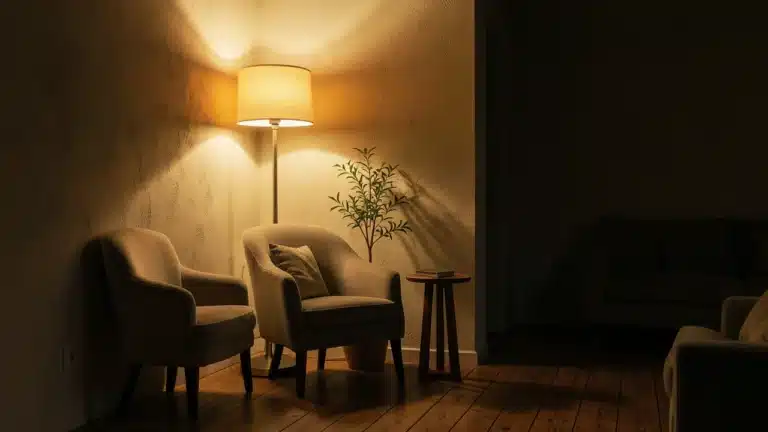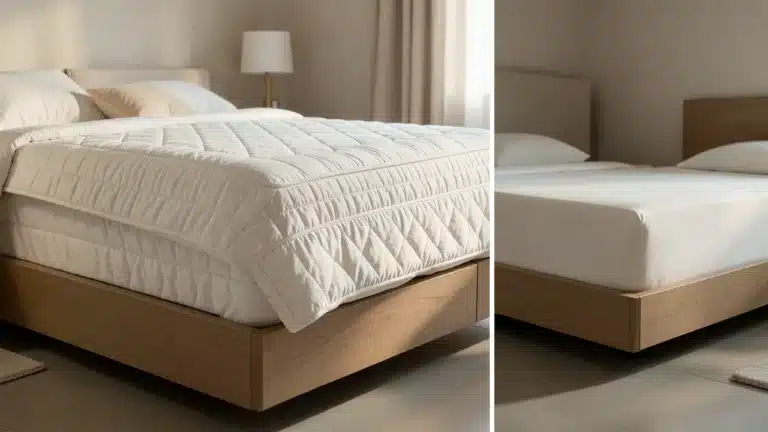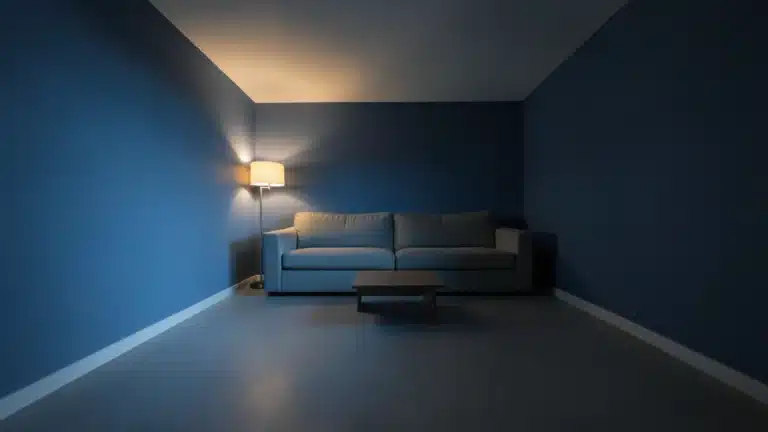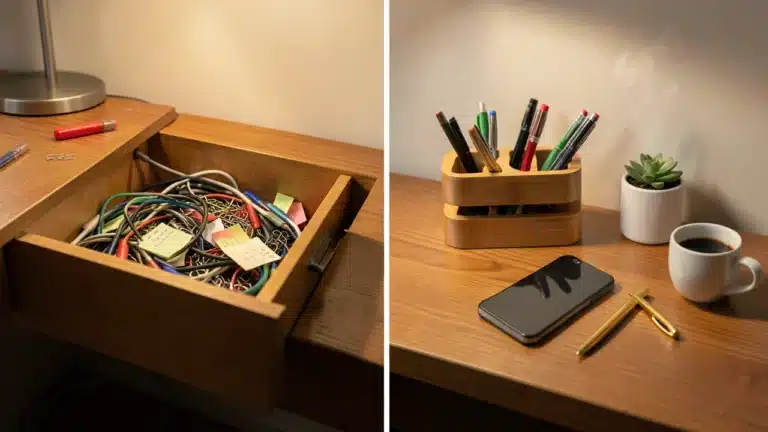
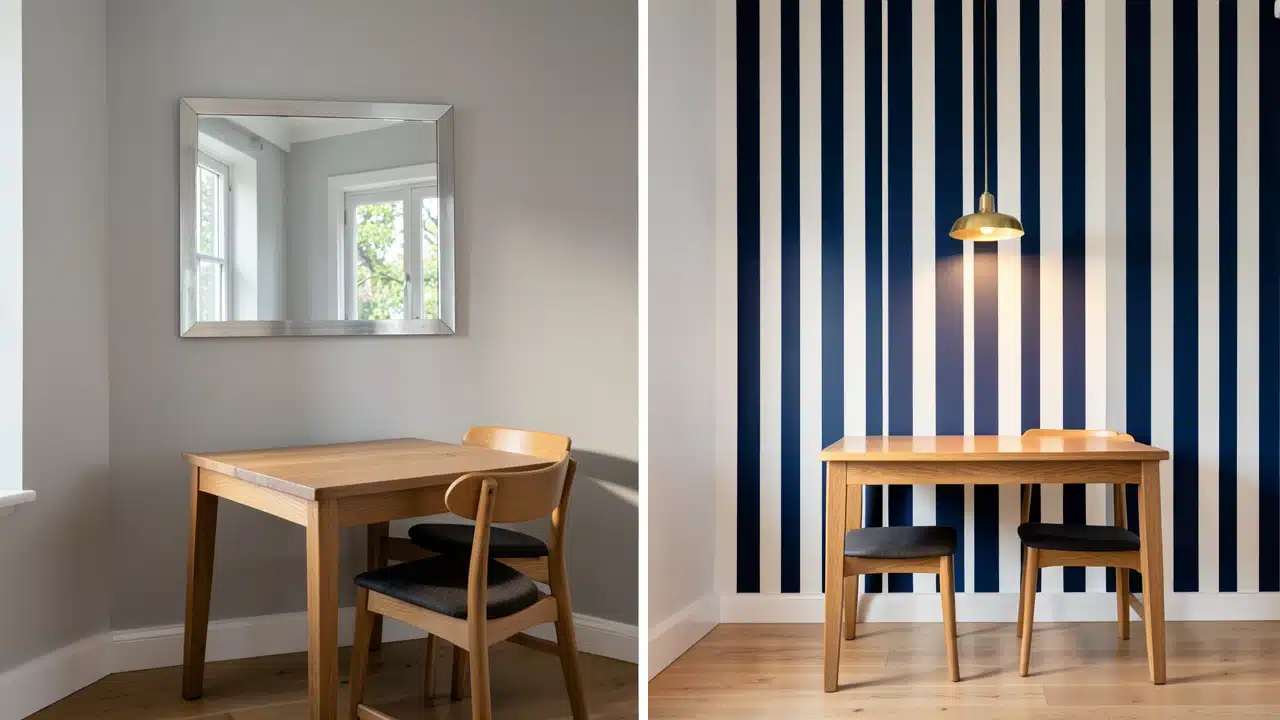
A dining room mirror creates more perceived space in a small area than an accent wall because it reflects light, windows, and open floor space, whereas a dark or busy accent wall can make the room feel tighter. The key takeaway is to place the mirror opposite a window, which creates the strongest illusion of depth and makes the dining area feel larger without adding square footage. An accent wall remains a good option when you want style or definition, but use lighter, less busy finishes to preserve openness, or combine both elements for maximum impact.
Dining room mirror vs. accent wall choice depends on whether you need visual depth or design focus. A mirror usually creates more perceived space because it reflects light, windows, and open floor area.
An accent wall adds style and contrast, but dark or busy finishes can make a small dining area feel tighter.
Making a small dining room feel bigger is a common goal. You want it to look and feel more open without actually adding square footage. This is where smart decorating choices really pay off.
Deciding between a mirror and an accent wall is a big one because it can change how the whole room feels.
Understanding the Dining Room Mirror vs. Accent Wall: Which Creates More Space in a Small Area? question helps you pick the best option to make your dining space feel more inviting and spacious, giving you a room that’s more enjoyable for everyday meals and entertaining guests.
Key Takeaways
- A well-placed dining room mirror can reflect light and views, creating an illusion of greater depth and making the room feel larger.
- An accent wall can add visual interest and dimension, but its effect on perceived space depends heavily on color, texture, and design.
- Mirrors are generally more effective than accent walls at directly creating the illusion of more space in a small dining area.
- The choice depends on your specific goals: if maximizing perceived space is the priority, mirrors often win.
- Consider the overall style and existing decor when deciding between a mirror and an accent wall for your small dining room.
- Combining elements or using strategic placement can sometimes achieve the best of both worlds for your small dining space.
How Mirrors Expand Your Dining Room’s Perceived Size
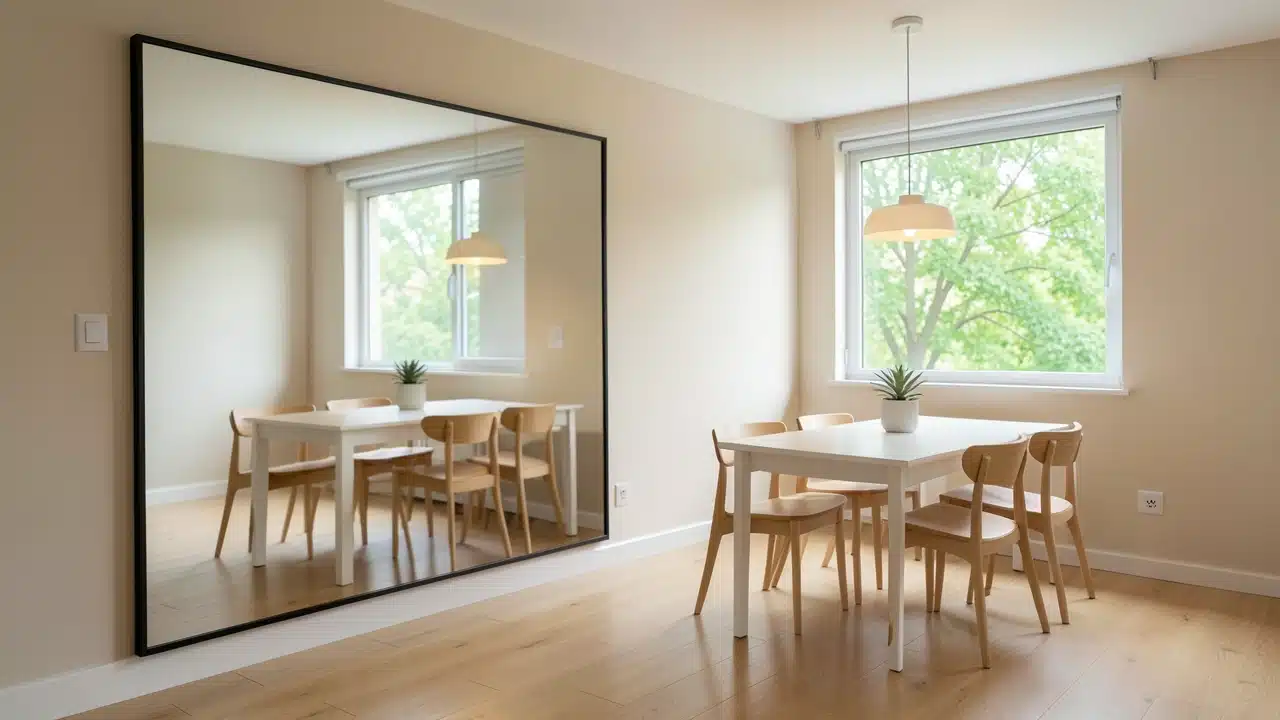
Mirrors are powerful tools for making rooms feel bigger. They work by reflecting light and the surrounding space. When you place a mirror in your dining room, it bounces natural and artificial light around the area.
This makes the room brighter. Brighter rooms naturally feel more open and airy. It’s like adding a second window without actually building one.
Beyond light, mirrors reflect whatever is in front of them. If you position a mirror to reflect a window or a beautiful view, it brings that outside space into your dining room. This tricks the eye into thinking the room extends further than it actually does.
This is a key reason why people ask about Dining Room Mirror vs. Accent Wall: Which Creates More Space in a Small Area?. The reflection essentially doubles the visual space.
The size and placement of the mirror matter a lot. A large floor-to-ceiling mirror can have a dramatic impact. It makes the walls seem to disappear, creating a sense of vastness.
Even a well-placed smaller mirror can make a difference. Think about hanging a mirror opposite a light source or a point of interest. This maximizes its effect on making the room feel larger.
Consider the frame too. A mirror with a thin, simple frame will blend in more. This can enhance the illusion of space.
A heavy, ornate frame might draw attention to the mirror itself. This can sometimes break the illusion. For small spaces, frameless or very minimalist frames are often best for maximizing the feeling of openness.
What an Accent Wall Does for Small Dining Rooms
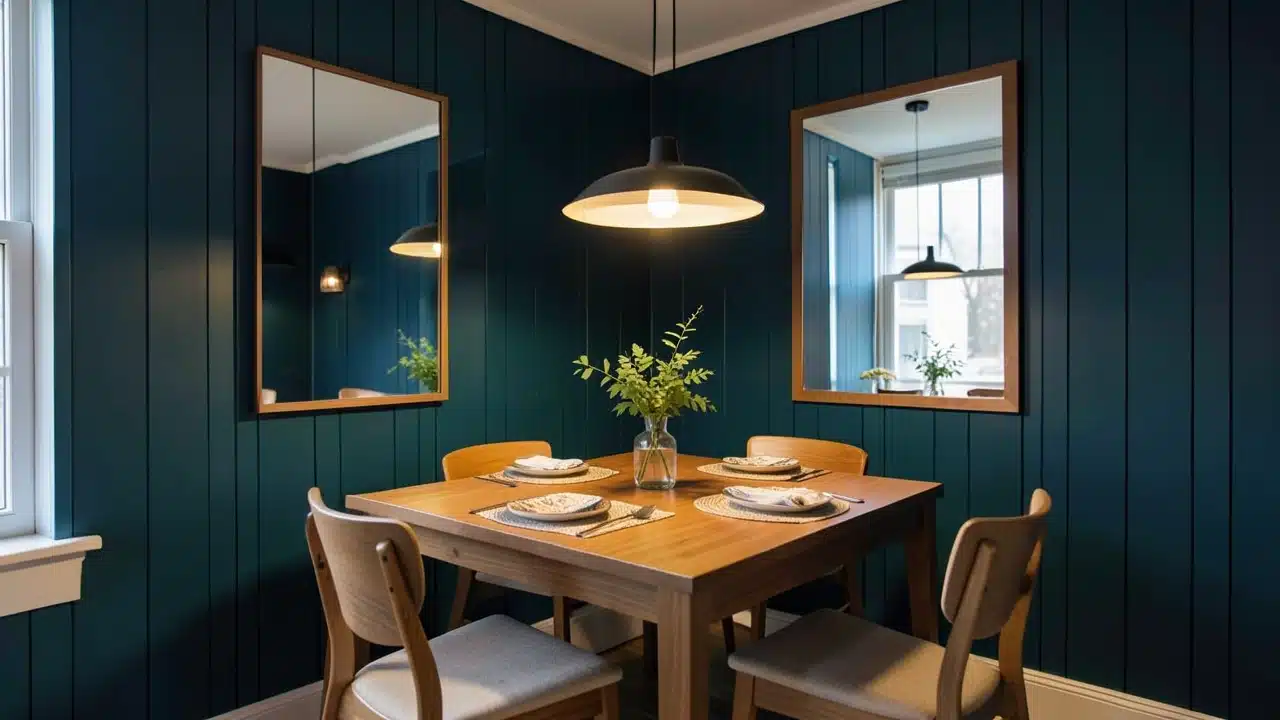
An accent wall is a wall that stands out from the others. It usually has a different color, texture, or pattern. The main goal of an accent wall is to add visual interest and depth.
In a small dining room, this can be a good thing. It can give the room personality and make it feel less like a plain box.
However, an accent wall doesn’t always make a room feel bigger. Sometimes, it can make it feel smaller. This depends on how you use it.
Darker colors on an accent wall can make that wall seem closer. This can make the room feel cozier, but not necessarily more spacious. Lighter, brighter colors tend to make walls recede, which can help.
But they don’t create the same “openness” as a mirror.
The type of accent wall also matters. A textured accent wall, like one with wood panels or wallpaper, can add depth. This can be good.
But if the texture is very busy or dark, it might close the space in. A bold pattern can also be a double-edged sword. It adds character but can be overwhelming in a tiny room.
For a small dining room, an accent wall might be best used to define a zone or add a focal point. For example, the wall behind a sideboard or buffet could be an accent wall. This draws the eye and gives the room structure.
But if your main goal is to make the room feel as large as possible, an accent wall might not be the best primary strategy.
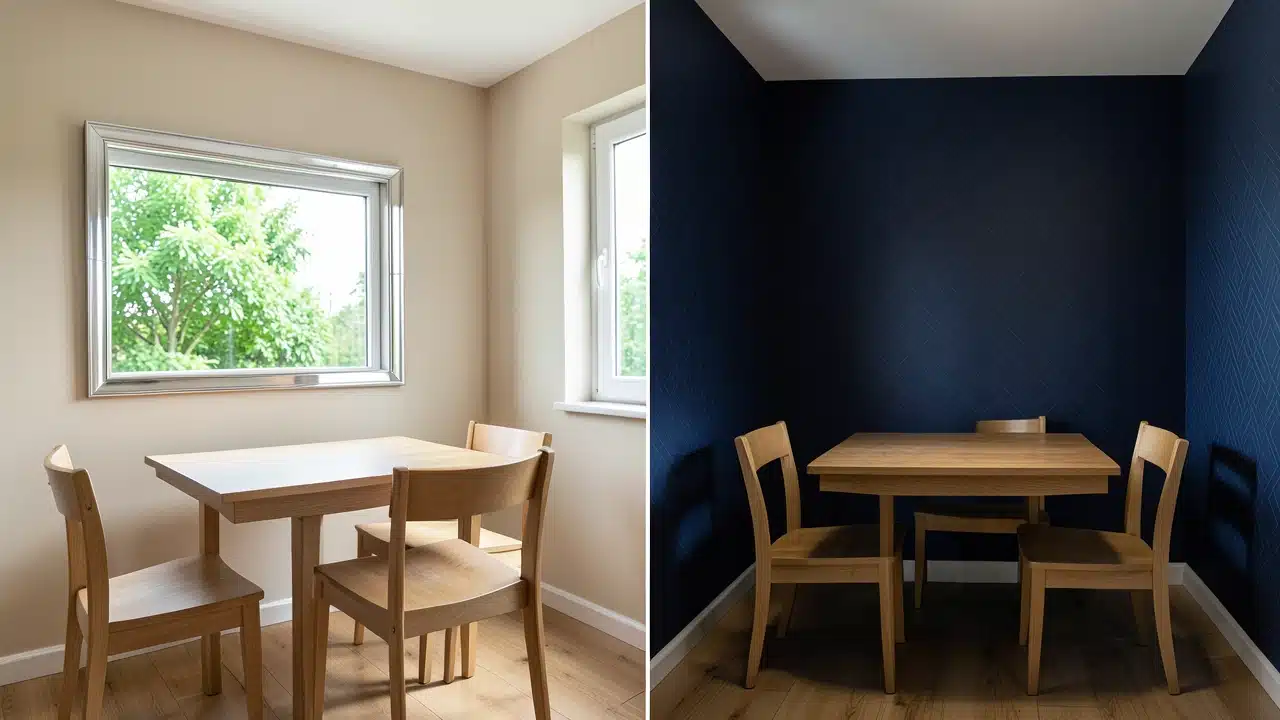
Comparing the Impact: Dining Room Mirror vs. Accent Wall
When we directly compare Dining Room Mirror vs. Accent Wall: Which Creates More Space in a Small Area?, the mirror usually has a clearer advantage for creating the illusion of space. Mirrors directly manipulate light and reflection to expand visual boundaries.
An accent wall, on the other hand, primarily adds visual interest or depth.
Here’s a breakdown to help you see the differences:
| Primary Effect on Space | Creates illusion of depth and openness by reflecting light and views. | Adds visual interest, depth, or a focal point; effect on space varies. |
| Light Interaction | Amplifies existing light, making the room brighter and feel larger. | Can absorb or reflect light depending on color and finish; less direct impact on overall brightness. |
| Visual Expansion | Directly mimics additional space through reflection. | Can define or break up space; may make walls feel closer or further depending on design. |
| Versatility in Small Spaces | Highly effective for maximizing perceived square footage. | Can be effective for adding character but may not always increase the sense of space. |
| Potential Downsides for Space | Can create glare if not positioned carefully; busy reflections can be distracting. | Dark colors or busy patterns can make the room feel smaller or cramped. |
As you can see from the table, a mirror’s core function is to expand what the eye perceives. An accent wall’s function is more about adding a design element.
For the specific goal of making a small dining room feel larger, the mirror is the more direct and often more effective solution.
Strategic Placement for Maximum Space Illusion
The effectiveness of a mirror in a small dining room hinges on where you put it. Strategic placement is key to unlocking its full potential for creating space. It’s not just about hanging any mirror anywhere; it’s about thoughtful consideration of light and views.
First, consider the light sources. Placing a mirror directly opposite a window is a classic trick. It will reflect the natural light coming in, making the room feel significantly brighter and more open.
If you don’t have a window on that wall, place it where it can catch the light from your main dining room fixture.
Second, think about what the mirror will reflect. You want it to reflect something pleasant and open, not a cluttered corner or a blank wall. Reflecting a dining table, a piece of art, or an open doorway can extend the visual field.
This enhances the illusion of depth and makes the room feel more inviting.
Next, consider the size of the mirror relative to the wall. A mirror that is too small might get lost or look insignificant. A mirror that is too large for the wall might overpower the space.
Aim for a size that feels balanced and proportionate to the wall it’s on. A large mirror can make a small wall seem to recede, visually enlarging the room.
Then, think about the height. Hanging a mirror too high or too low can affect its impact. Generally, hanging a mirror at eye level or slightly higher can draw the eye upwards.
This can make the ceiling feel higher. For a floor-to-ceiling mirror, ensure it’s secured properly and fills the desired vertical space to maximize its elongating effect.
Finally, consider the overall style. A mirror with a simple, clean frame will contribute more to the illusion of space. A heavy, ornate frame can become a focal point that distracts from the goal of expanding the room.
If your goal is purely to make the room feel larger, a frameless or minimalist mirror is often the best choice for the Dining Room Mirror vs. Accent Wall: Which Creates More Space in a Small Area? decision.
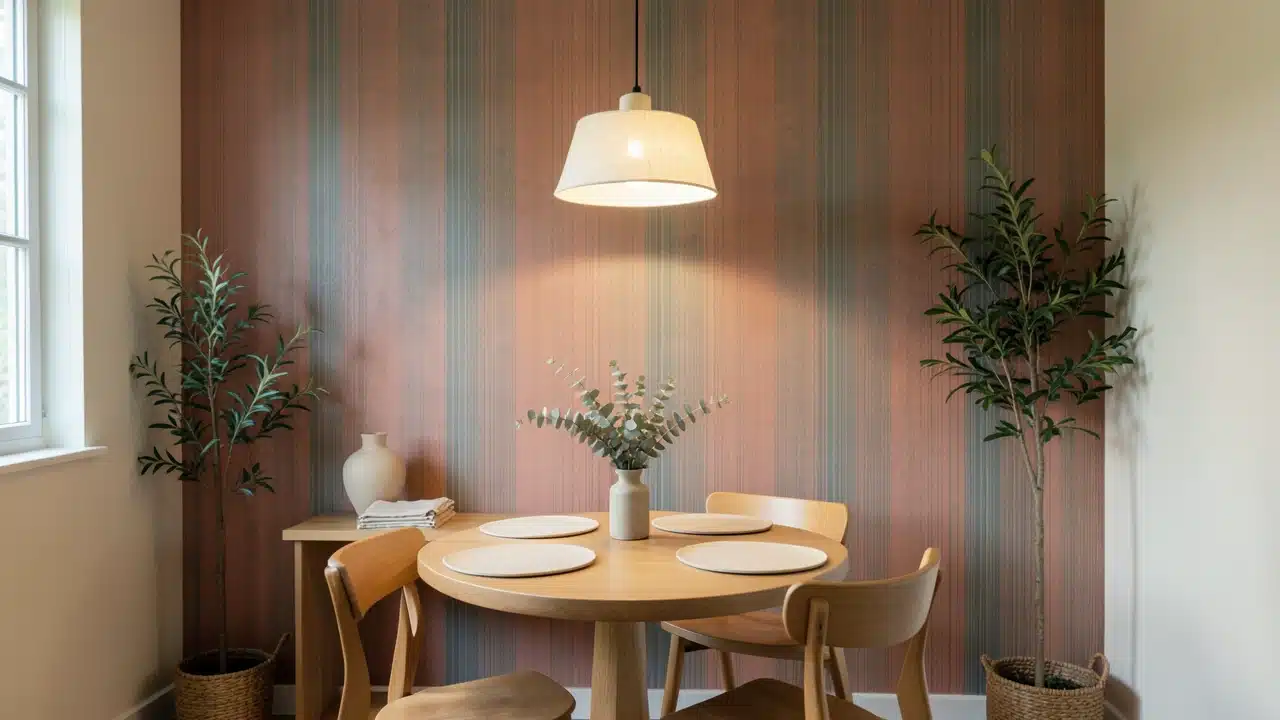
When an Accent Wall Might Still Be a Good Choice
While mirrors are often the go-to for making a small dining room feel larger, an accent wall isn’t entirely without merit.
There are situations where an accent wall can be a beneficial design choice, even in a compact space, and it’s important to consider these when thinking about Dining Room Mirror vs. Accent Wall: Which Creates More Space in a Small Area?.
One key reason to choose an accent wall is to add personality and define the dining area. In an open-plan living space, an accent wall can visually separate the dining zone from the living area. This creates a sense of purpose for the room, making it feel more intentional and less like just an overflow space.
Another consideration is the desired mood. If you want a cozy, intimate dining experience, a darker or richly textured accent wall can create that atmosphere. While it might not make the room feel bigger, it can make it feel more inviting and sophisticated.
This is a different goal than simply expanding perceived space, but it’s a valid design objective.
Choosing a lighter, brighter color for an accent wall can help. A soft blue, a pale green, or a light grey can add a touch of color without making the room feel closed in. These colors can still reflect light and contribute to an airy feel, though not as effectively as a mirror.
Wallpaper can also be an option. A subtle pattern or a textured wallpaper can add visual interest without overwhelming the space. The key is to select a design that complements the room and doesn’t make the walls feel like they are closing in.
For example, vertical stripes can sometimes create an illusion of height.
Ultimately, if your primary goal is to maximize the feeling of space, a mirror is usually the better bet. But if you’re looking to add character, define the dining area, or create a specific mood, an accent wall might be the right choice. It’s about balancing your priorities for the room.
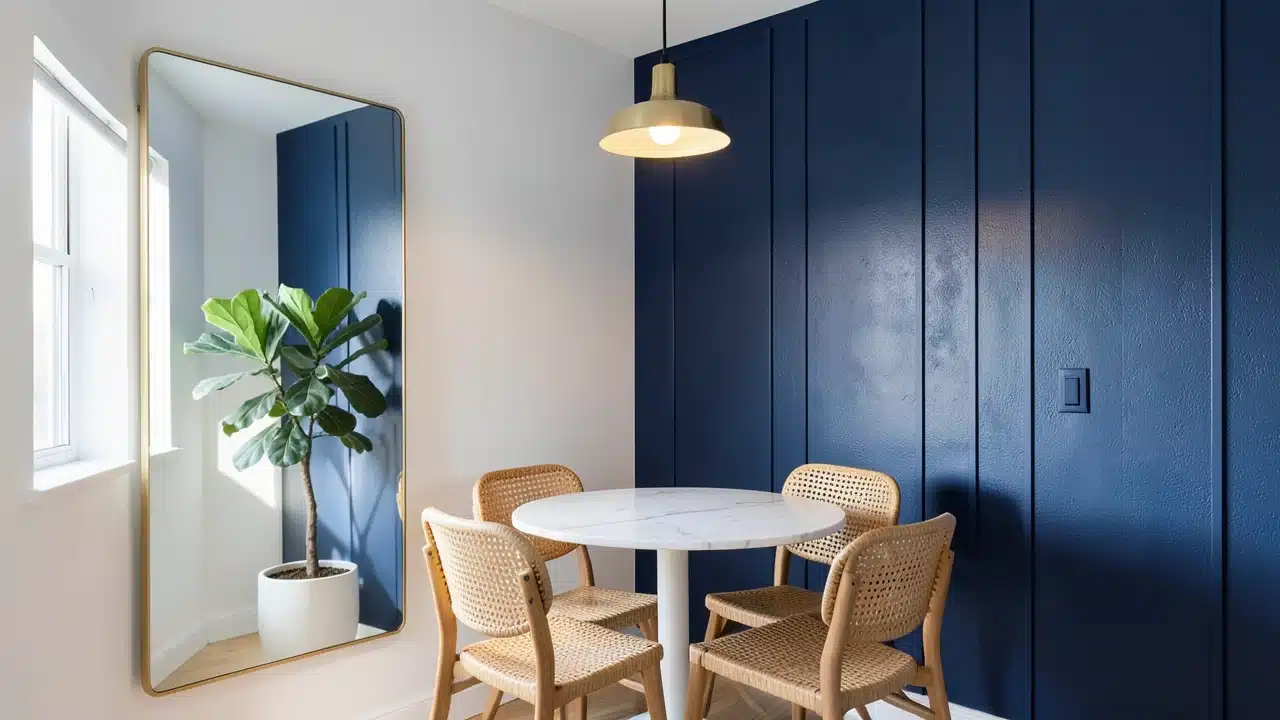
Combining Mirrors and Accent Walls for Optimal Impact
It’s not always an either/or situation when deciding between a mirror and an accent wall. In many cases, you can combine these elements to achieve both increased perceived space and added visual appeal in your small dining room. This approach allows you to leverage the strengths of both design choices.
One effective strategy is to use an accent wall as the backdrop for a large mirror. For instance, you could paint the longest wall in your dining room a slightly darker, sophisticated shade. Then, hang a large mirror on that accent wall.
The accent wall provides a beautiful visual anchor, while the mirror on top of it reflects light and expands the perceived depth of the room even further.
Another approach is to use a mirror on one wall and a subtle accent on another. You might place a large mirror on the wall opposite your main light source to maximize brightness. On the adjacent wall, you could introduce a textured wallpaper or a very subtle pattern.
This adds interest without overwhelming the space, and the mirror continues to do its work of making the room feel larger.
Consider the scale carefully. If you have a very small dining room, a bold accent wall paired with a large mirror might be too much. In such cases, opt for a more muted accent wall.A light, calming color or a very subtle texture works best. The mirror should still be the dominant element for space creation.
When thinking about Dining Room Mirror vs. Accent Wall: Which Creates More Space in a Small Area?, remember that combining them strategically can offer the best of both worlds.
You get the visual expansion from the mirror and the added dimension or personality from the accent wall.
This thoughtful integration can transform a cramped dining area into a more stylish and spacious-feeling room.
Frequently Asked Questions Of Dining Room Mirror Vs. Accent Wall: Which Creates More Space In A Small Area?
What is the best type of mirror for a small dining room?
For a small dining room, a large mirror with a simple or frameless design is best. It maximizes the reflection of light and space, making the room feel bigger without visual clutter.
Can an accent wall make a small dining room feel smaller?
Yes, a dark color or a very busy pattern on an accent wall can make a small dining room feel smaller and more enclosed.
Is a mirror or an accent wall better for creating the illusion of more space?
A mirror is generally better for creating the illusion of more space because it reflects light and views, effectively doubling the visual area. The Dining Room Mirror vs. Accent Wall: Which Creates More Space in a Small Area? question often leans towards mirrors for this specific goal.
Should I hang a mirror or paint an accent wall in my narrow dining room?
In a narrow dining room, a large mirror placed on one of the long walls is often more effective for making the space feel wider and less confined than an accent wall.
Can I use both a mirror and an accent wall in a small dining room?
Yes, you can combine them by placing a mirror on an accent wall, or using a subtle accent on one wall and a mirror on another, to get both visual interest and a sense of spaciousness.
What colors are best for an accent wall in a small dining area?
Light, bright, and neutral colors like soft blues, greens, greys, or even a warm white are best for an accent wall in a small dining area to help maintain a sense of openness.
Final Thoughts
When aiming to make a small dining room feel more spacious, a mirror typically offers a more direct and effective solution than an accent wall. Mirrors expand the visual area by reflecting light and views. While accent walls add character, they can sometimes make a small room feel cozier rather than larger.
Consider your primary goal: if space is key, opt for a mirror; if personality is the priority, a subtle accent wall can work, or you might even combine both.