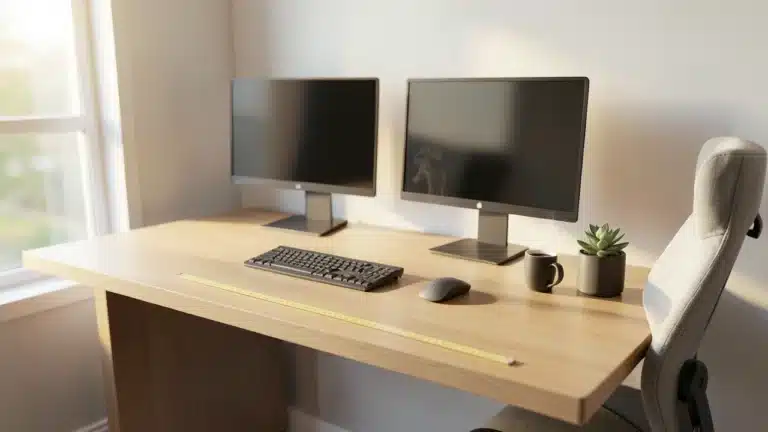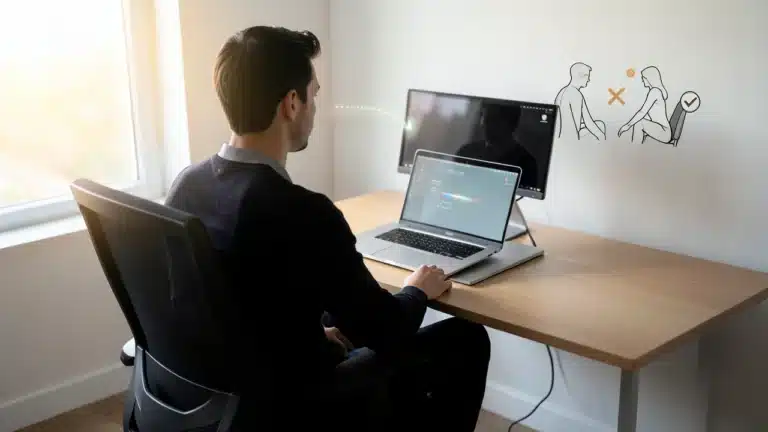
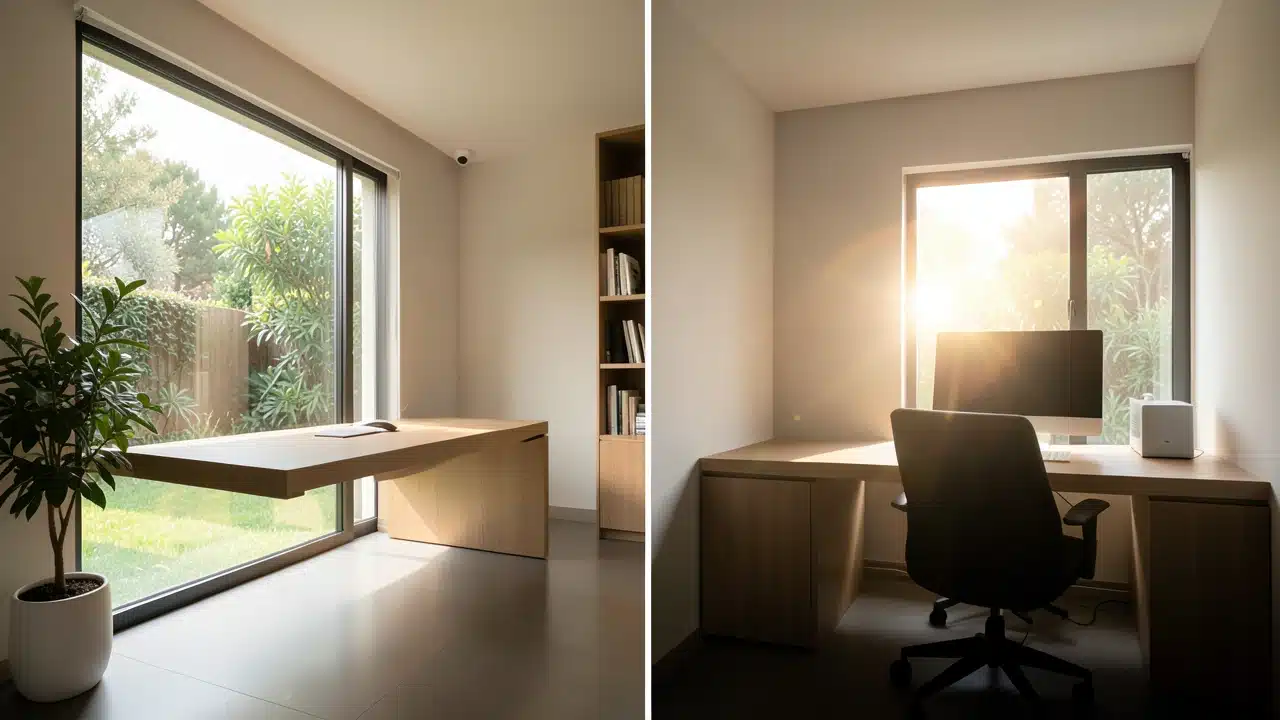
Your desk should neither face the window directly nor have the window behind it, but instead sit at a perpendicular angle to the window. Facing the window directly produces glare and visual distraction, while a window behind you creates screen reflections that strain the eyes. The perpendicular placement balances natural light, reduces eye strain, and provides better lighting for video calls, making it the optimal setup for most workstations.
Your desk should usually face the window from an angle, not directly toward it or with the window behind you.
Facing bright light can cause glare and distraction, while a window behind you can reflect on screens. Place the desk perpendicular to the window for natural light, reduced eye strain, and better video-call lighting.
Setting up your workspace can make a big difference in how you feel and how much you get done. Many people wonder about the best way to position their desk, especially when it comes to windows.
The choice of whether your desk should face the window or have the window behind it isn’t just about aesthetics; it can impact your comfort, productivity, and even your eyes.
Figuring out the best spot can help you feel more focused and less tired during your workday. We’ll look at the pros and cons of each setup so you can decide what works best for you and understand Should Your Desk Face the Window or Have the Window Behind It? so you can create a more enjoyable and effective workspace.
Key Takeaways
- Placing your desk facing a window can offer natural light and a view, which might boost mood and reduce eye strain.
- Having the window behind your desk can prevent glare on your screen but might lead to less natural light exposure.
- The ideal setup for Should Your Desk Face the Window or Have the Window Behind It? depends on personal preference, the type of work you do, and the specific window and room layout.
- Consider how light falls throughout the day to avoid direct sun or harsh reflections.
- Desk placement can influence your focus and overall well-being in your workspace.
- Understanding the impact of light and views can help you optimize your desk setup for better productivity.

Finding Your Sweet Spot: Facing the Window
Many people love the idea of having their desk directly facing a window. This setup offers a direct connection to the outdoors. You get to see the sky, trees, or whatever view your window provides.
This can be a great mood booster, especially on days when you have to spend a lot of time indoors. Natural light is also fantastic for your eyes. It’s generally softer and more comfortable than artificial light.
This can help reduce eye strain and headaches that come from staring at a screen for hours.
When you’re facing a window, you can easily take quick breaks to look outside. This mental reset can help you return to your work with fresh eyes and renewed focus. It breaks the monotony of staring at the same four walls.
The feeling of openness can make a small room feel larger and more inviting. For tasks that require creative thinking or simply a change of scenery, this position can be very inspiring. It’s a popular choice for many because it feels more natural and less confined.
However, there are some downsides to consider. Direct sunlight can be a problem. If the sun hits your screen, it can create glare that makes it hard to see.
This glare can cause eye strain and make your work uncomfortable. You might need blinds or curtains to control the light. Also, if your view is distracting, it could pull your attention away from your work.
Think about what’s outside your window. A busy street or an uninspiring view might not be as helpful as a peaceful scene.

The Advantage of the Window Behind You
On the other hand, placing your desk so the window is behind you offers a different set of benefits. The main advantage here is avoiding glare on your computer screen.
When the light source is behind you, it usually shines on your work area without directly hitting your monitor.
This makes it much easier to see your screen clearly, reducing the need to squint or adjust your monitor’s brightness excessively. This can lead to more comfortable work sessions, especially for tasks that involve detailed visual work.
This setup also provides a good amount of ambient light. Even though the window isn’t directly in front of you, the light still bounces around the room. This can create a pleasant, diffused light that is easy on the eyes.
It helps to avoid the harsh shadows that can occur when light comes from the side or front. The focus remains on your work, as there's less of a direct visual temptation to look out the window constantly. This can be beneficial if you find it hard to stay on task.
The challenge with having the window behind you is that you don’t get to enjoy the view as much. Your back is to the light, so you’re not directly benefiting from the visual connection to the outside world. If you have a beautiful view, this setup might feel like a missed opportunity.
You might also feel a bit more closed off from the environment. It’s important to balance the benefits of reduced glare with the potential loss of natural light and view.
This is a key consideration when deciding Should Your Desk Face the Window or Have the Window Behind It?
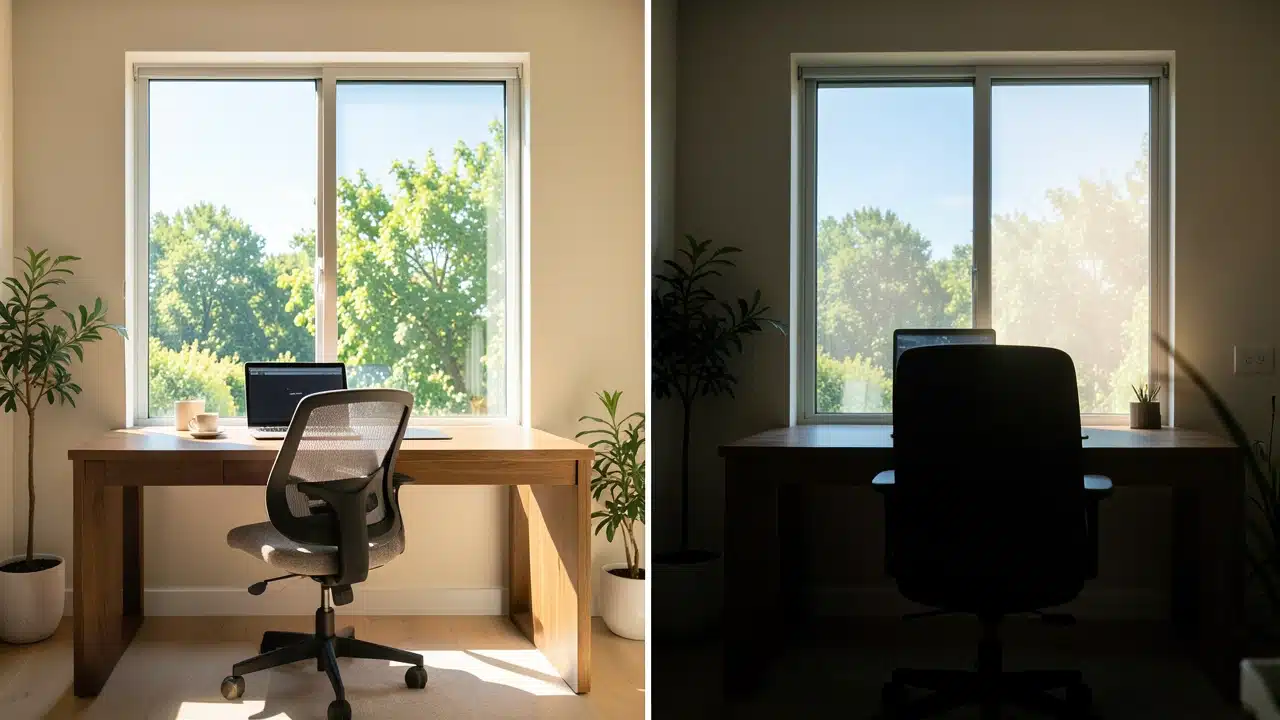
Comparing Desk Placements: A Clear Look
Deciding Should Your Desk Face the Window or Have the Window Behind It? involves weighing different factors. Each position has unique advantages and disadvantages for your workspace. To make an informed choice, it’s helpful to see them side-by-side.
| Natural Light | Direct, can be bright and energizing. | Indirect, often diffused and softer. |
| Screen Glare | Higher risk of glare if sun is direct. | Lower risk of glare, easier to see screen. |
| View & Connection to Outdoors | Direct access to view, can be inspiring. | Limited view, less direct connection. |
| Eye Strain | Can reduce strain with good light, but glare can increase it. | Generally reduces strain by minimizing glare. |
| Focus & Distraction | View can be distracting; light can energize. | Less visual distraction from outside; focus on work. |
| Mood & Well-being | Often boosts mood with view and light. | May feel less open; relies more on other decor. |
Optimizing Natural Light and Avoiding Glare
The main goal for most people is to get enough natural light without experiencing annoying glare. This is where careful placement becomes crucial. When your desk faces the window, the time of day matters a lot.
Morning sun might be gentle, while afternoon sun can be intense. You might need adjustable blinds or curtains to control the light. Sheer curtains can diffuse the light, making it softer.
Blackout curtains can block it entirely when needed.
If you have the window behind you, you’re less likely to get direct glare on your screen. However, you still need good overall lighting. If the room is too dark, you might end up relying too much on artificial light, which can cause its own problems.
Consider the direction your window faces. A north-facing window provides consistent, soft light throughout the day, which is ideal for many workspaces.
East-facing windows get morning sun, and west-facing windows get afternoon sun, which can be harsher.
Some people find a compromise by placing their desk at an angle to the window. This way, you can still see the window and get some natural light, but the direct sun isn’t hitting your screen. You also avoid having your back completely to the light.
This setup can offer a good balance, giving you some of the benefits of both positions. Experimenting with different angles can help you find the perfect spot for your desk.
This is key to answering Should Your Desk Face the Window or Have the Window Behind It? for your specific situation.
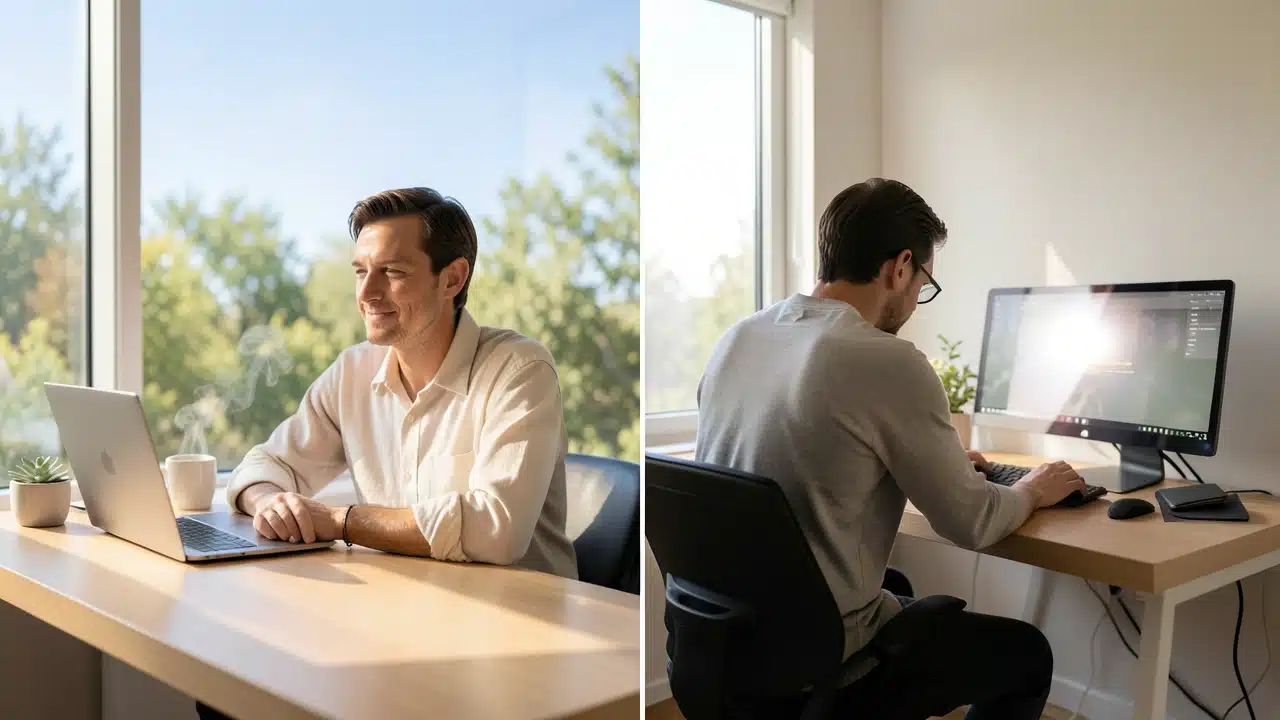
The Impact on Productivity and Well-being
Your desk placement can significantly affect how you feel and how much you accomplish. Natural light has been shown to improve mood and reduce feelings of tiredness. When you have a pleasant view, it can make your workday more enjoyable.
This can lead to higher job satisfaction and less stress. Feeling more connected to the outside world can also help prevent the feeling of being cooped up.
On the other hand, poor lighting or constant glare can lead to headaches, eye fatigue, and reduced concentration.
If your workspace is uncomfortable, you’re less likely to be productive. The feeling of being in a well-lit, pleasant space can boost your energy levels.
This is why considering Should Your Desk Face the Window or Have the Window Behind It? is more than just a simple preference; it’s about creating an environment that supports your work and your health.
Some studies suggest that having a view of nature can improve focus and reduce mental fatigue. This means a window with a green view might be more beneficial than one overlooking a brick wall. Even a small plant on your desk can bring some of that natural element indoors.
The overall ambiance of your workspace plays a big role in your daily performance and your long-term well-being. Making conscious choices about your desk setup can yield significant positive results.
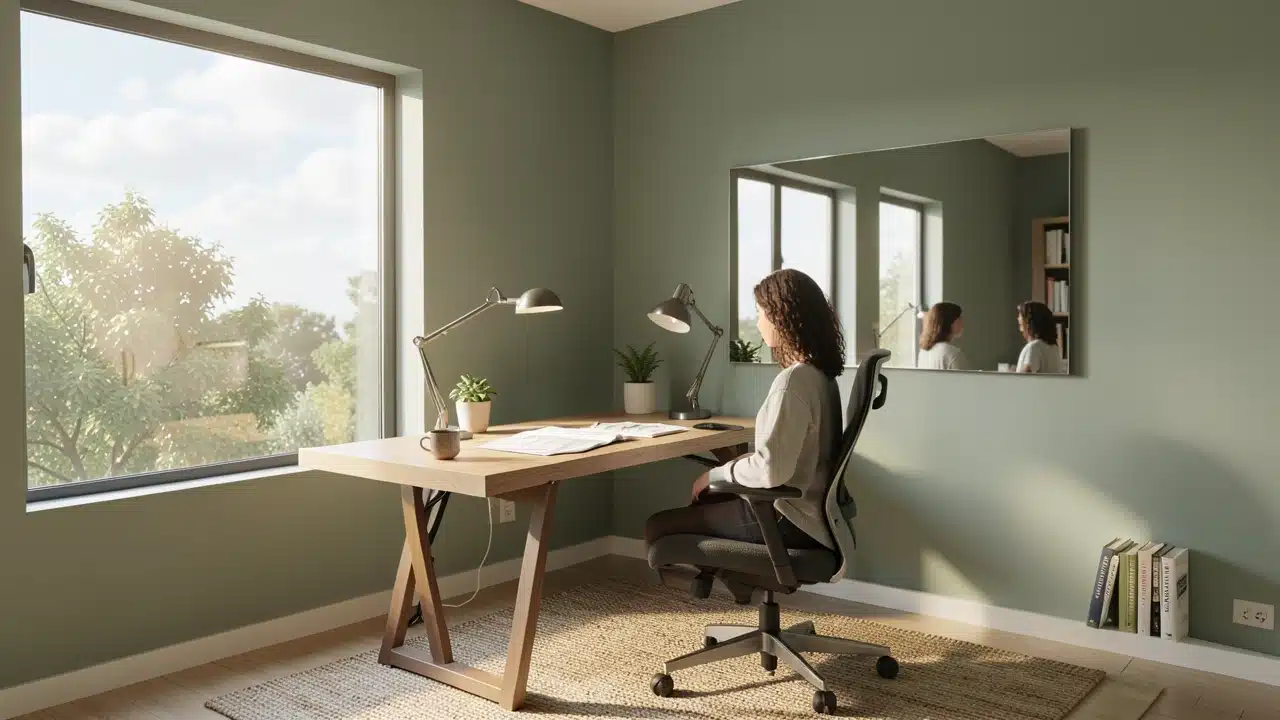
Creative Solutions for Desk Placement
Not everyone has a perfect window placement for their desk. Sometimes, the room layout or the number of windows limits your options. In these cases, creative solutions are needed. Following an OSHA computer workstation setup can help you arrange your desk and equipment to avoid injury.
If your only window offers too much glare, consider using a monitor hood. These shades attach to your screen and block out ambient light, making it easier to see your display without turning your back to the window entirely. This can be a good middle ground for those who want the view but need to avoid glare.
Another approach is to use artificial lighting strategically. If you have to place your desk away from the window, ensure you have good task lighting. A good desk lamp can provide focused light for reading documents or working on detailed tasks.
Layering light-using ambient room light, task lighting, and perhaps accent lighting-can create a more balanced and pleasant environment. This is especially helpful if your desk placement means you don’t get much natural light.
If the view outside is not ideal, you can use window films or frosted glass spray to obscure the view while still allowing light to enter.
This can turn a distracting or unappealing view into a soft, diffused light source. You could also use plants or decorative screens near the window to soften the light and add visual interest.
These small changes can make a big difference in how your workspace feels, influencing your decision about Should Your Desk Face the Window or Have the Window Behind It?
Frequently Asked Questions Of Should Your Desk Face The Window Or Have The Window Behind It?
What is the main benefit of facing a window with my desk?
The main benefit is receiving direct natural light, which can improve your mood, reduce eye strain, and offer a pleasant view that can be inspiring.
What’s the biggest problem with having the window behind my desk?
The biggest problem is that you miss out on the view and the direct connection to the outdoors, and you don’t benefit as much from natural light shining into your workspace.
Can I have the window in front of my desk without glare?
Yes, you can minimize glare by using blinds, curtains, or by positioning your desk so the sun doesn’t hit your screen directly during your working hours.
Does it matter if the window is on my left or right?
Yes, having the window to your side can provide good ambient light without direct glare or facing away from the view. Many find this a comfortable compromise.
What if my window view is distracting?
If the view is too distracting, you might consider placing your desk with the window behind you or using sheer curtains to soften the view while still letting in light.
How does desk placement affect productivity?
Proper desk placement, especially concerning natural light and views, can enhance focus, reduce fatigue, and improve overall mood, all of which contribute to higher productivity.
Should I consider the time of day when thinking about Should Your Desk Face the Window or Have the Window Behind It?
Absolutely. The intensity and angle of sunlight change throughout the day, so understanding how light falls can help you avoid harsh glare and maximize comfortable illumination.
Final Thoughts
Choosing whether your desk should face the window or have the window behind it is about finding what works best for your comfort and focus. Applying workspace ergonomics principles can help reduce physical strain and improve comfort at your desk.
Both setups offer benefits, but the right choice depends on managing light, avoiding glare, and enjoying your workspace. Research shows that daylighting benefits productivity and overall well-being in office environments.
Experiment with different positions to create an environment that helps you concentrate and feel good throughout your workday.