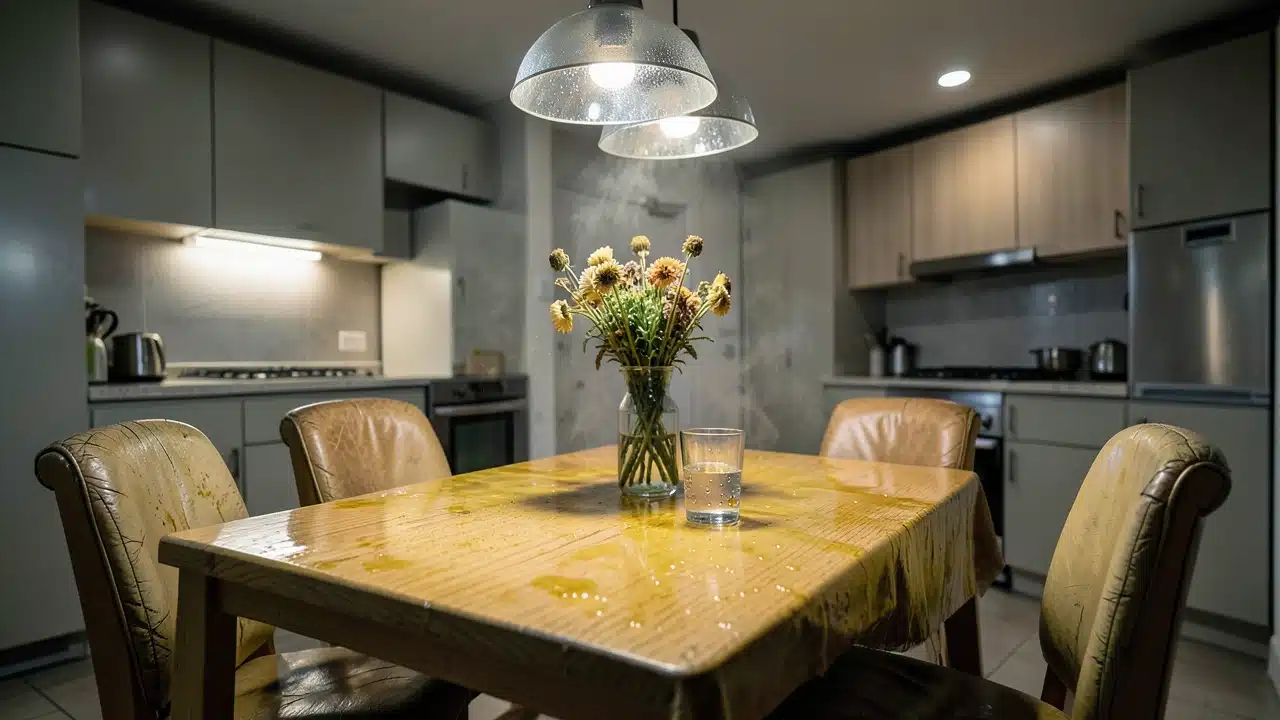
Dining furniture placed too close to a kitchen without proper ventilation absorbs grease, steam, and cooking odors, leading to sticky or discolored wood, trapped smells in upholstery, and corrosion of metal fittings over time. Humidity from cooking can also cause wood to swell or warp while heat accelerates finish degradation, shortening the furniture's lifespan. Installing effective extraction systems, maintaining airflow gaps, choosing wipeable finishes, and using washable seat covers are practical measures that protect nearby dining pieces from kitchen-related damage.
Dining furniture placed too close to a kitchen without proper ventilation can absorb grease, steam, smoke, and cooking odours over time.
Wood may become sticky or discoloured, upholstery can trap smells, and metal fittings may corrode in humid air.
Better extraction, wipeable finishes, airflow gaps, and washable seat covers help protect nearby dining pieces.
Placing your dining furniture too close to the kitchen can lead to unexpected problems, especially if there isn’t enough airflow.
You might notice your lovely table and chairs absorbing cooking smells or even showing signs of wear and tear faster than you’d expect.
Understanding What Happens to Dining Furniture Placed Too Close to a Kitchen Without Proper Ventilation is key to keeping your dining space looking its best and your home smelling fresh.
This knowledge helps you make smart choices about furniture placement and protect your investment, ensuring your dining area remains a comfortable and inviting place for meals and gatherings.
Key Takeaways
- Cooking fumes and grease can build up on dining furniture near an unventilated kitchen.
- Excess moisture from cooking can cause wood to warp or finishes to degrade over time.
- Persistent cooking odors can become deeply embedded in upholstery and wood.
- Proper ventilation is crucial for protecting your dining furniture from heat and airborne particles.
- Simple solutions like range hoods and open windows can significantly improve air quality.
- Choosing durable furniture materials can help mitigate damage from kitchen proximity.
The Impact of Kitchen Air on Dining Furniture
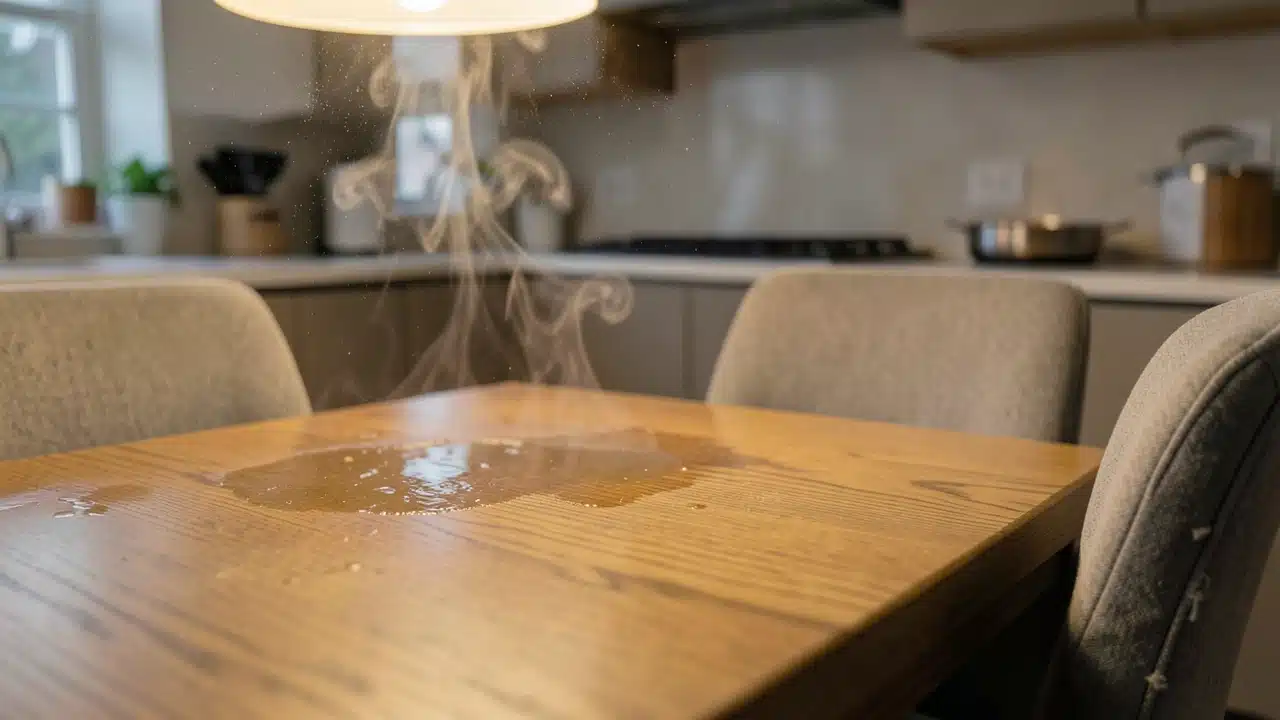
Your kitchen is a busy place. Every time you cook, you release heat, steam, and tiny particles of grease and food into the air. Without a good way to get this air out of your home, it has to go somewhere.
If your dining table is close by, it becomes a convenient spot for these airborne elements to settle. This is where the question of What Happens to Dining Furniture Placed Too Close to a Kitchen Without Proper Ventilation really comes into play.
The constant exposure to these kitchen byproducts can affect your furniture in several ways. Grease particles, though small, can form a sticky film. This film attracts dust and dirt, making your furniture look dull and feel grimy.
It’s not just about looks; this buildup can also make cleaning harder and potentially damage the finish of your furniture over time. Protecting your dining set means thinking about its environment.
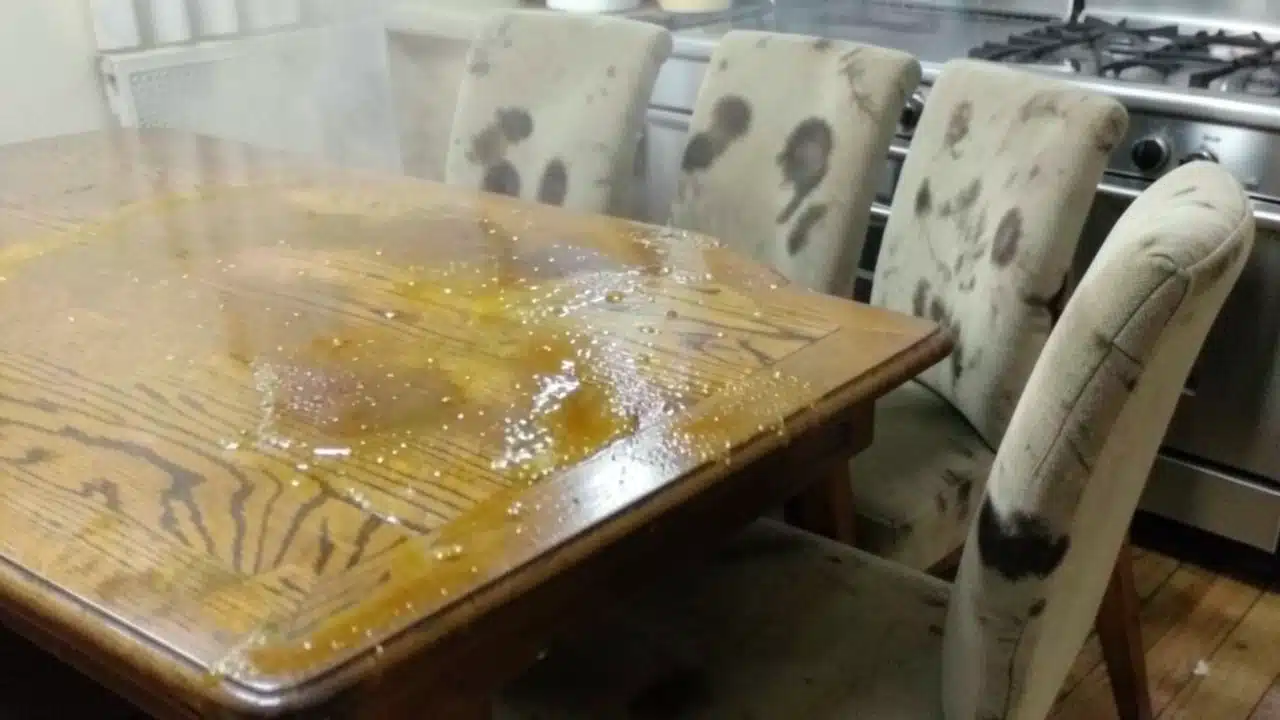
Grease and Odor Buildup on Your Dining Set
One of the most common issues is the absorption of cooking odors. Think about the smell of fried foods or strong spices. These aromas don’t just disappear into thin air if ventilation is poor.
Instead, they can cling to the surfaces of your dining furniture. This is especially true for porous materials like wood and fabrics used in upholstery.
Imagine sitting down for a nice meal, only to be greeted by the lingering scent of last night’s stir-fry. This can happen when your dining area is too close to an unventilated kitchen.
The problem of What Happens to Dining Furniture Placed Too Close to a Kitchen Without Proper Ventilation means these smells can become a permanent fixture if not addressed.
They can penetrate deep into the wood grain or fabric fibers, making them very difficult to remove.
Grease is another major concern. When you fry, grill, or sauté, a fine mist of oil is released into the air. This mist travels and lands on everything nearby, including your dining table, chairs, and even the floor.
Over time, this can create a sticky residue. This residue not only makes your furniture feel unpleasant but can also dull its shine and make it a magnet for more dirt and dust, creating a cycle of grime.
How Grease Affects Different Materials
The way grease impacts furniture depends on the material. For finished wood, the grease can break down the protective coating. This can lead to dull spots or even discoloration.
For unfinished wood, grease can soak in directly, leaving dark, oily stains that are nearly impossible to lift.
Upholstered furniture is particularly vulnerable. Fabrics like cotton, linen, and even some synthetics can easily absorb grease and odors. This can lead to stained cushions and a persistent, unpleasant smell.
Cleaning these fabrics often requires special treatments, and sometimes the damage is permanent. This highlights the importance of understanding What Happens to Dining Furniture Placed Too Close to a Kitchen Without Proper Ventilation for all types of dining sets.
Moisture and Heat Damage
Cooking involves a lot of steam and heat. When you boil water or simmer sauces, a significant amount of moisture is released into the air.
If your dining area is right next to the kitchen and there’s no proper ventilation, this excess humidity can affect your furniture.
Wood, in particular, is sensitive to moisture changes.
Wood expands when it absorbs moisture and shrinks as it dries out. This constant cycle can cause wood to warp, crack, or split over time. Joints can loosen, and the structural integrity of your table or chairs can be compromised.
This is a direct consequence of What Happens to Dining Furniture Placed Too Close to a Kitchen Without Proper Ventilation, as the humid air has nowhere to escape.
Heat from cooking appliances can also be a problem. While direct heat is usually contained within the kitchen, radiant heat can still affect nearby furniture. Prolonged exposure to heat can dry out wood finishes, making them brittle and prone to cracking.
It can also cause some synthetic materials to degrade or discolor. This is why smart placement and good airflow are so important for preserving your dining furniture.
Wood Furniture’s Reaction to Humidity
Solid wood furniture is especially susceptible to humidity. A solid wood dining table can swell in a humid environment, causing the tabletop to warp or the joints to become stressed. As the humidity drops, the wood will shrink, which can lead to cracks or gaps appearing.
This is a natural process, but it’s accelerated by poor ventilation.
Veneered furniture, where a thin layer of wood is glued onto a core material, can also suffer. The veneer can bubble or peel if it's exposed to too much moisture. The glue holding the veneer in place can weaken, leading to delamination.This is a clear example of What Happens to Dining Furniture Placed Too Close to a Kitchen Without Proper Ventilation, as the moisture damages the very structure of the furniture.
Impact on Upholstery and Finishes
Beyond wood, other materials can also be affected. Upholstery fabrics can develop mildew or mold if they are constantly exposed to high humidity. This can lead to unpleasant odors and structural damage to the fabric and padding.
The appearance of the fabric can also change, becoming dull or losing its texture.
Finishes on furniture, whether it’s paint, varnish, or lacquer, can also be damaged. High humidity can cause finishes to become hazy or cloudy. It can also make them less durable, leading to chips or scratches more easily.
This means the protective layer that keeps your furniture looking good can be compromised simply by its proximity to an unventilated cooking area.
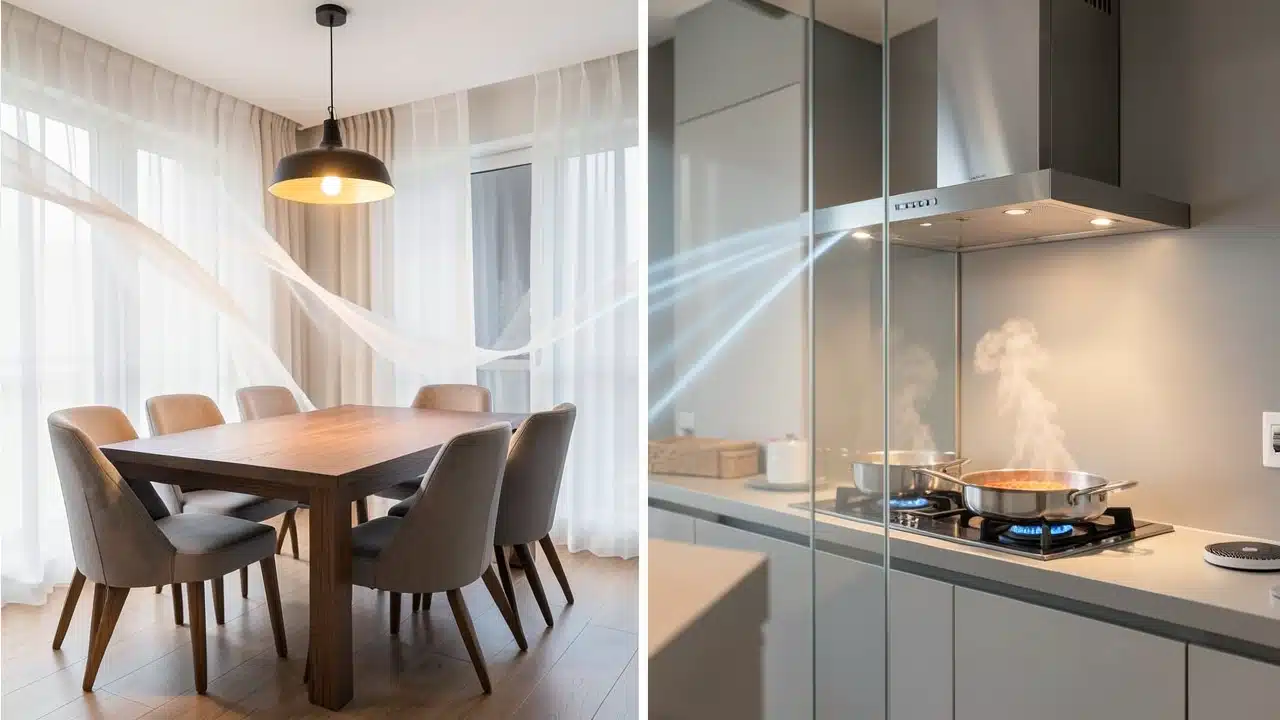
Protecting Your Dining Furniture: Ventilation Solutions
The good news is that you can prevent these issues with proper ventilation. The first and most effective step is to ensure your kitchen has a good exhaust system.
A powerful range hood is designed to capture grease, steam, and odors at the source and vent them outside.
This significantly reduces the amount of airborne pollutants that can spread to other parts of your home.
When considering What Happens to Dining Furniture Placed Too Close to a Kitchen Without Proper Ventilation, think about adding or upgrading your kitchen’s ventilation.
A properly installed and maintained range hood is an investment in your home’s air quality and the longevity of your furniture. It’s not just about comfort; it’s about preserving your belongings.
Types of Ventilation Systems
There are two main types of range hoods: recirculating and ducted. Recirculating hoods filter the air and release it back into the kitchen. They can help with some odors and grease but are less effective than ducted systems.
Ducted hoods vent the air directly outside your home, which is the most effective way to remove cooking byproducts.
Other ventilation methods include installing an exhaust fan in a window or using a ceiling-mounted exhaust fan.
Even opening windows while cooking can make a big difference, especially for short cooking sessions. The goal is to create airflow that carries the cooking fumes away from your dining area.
Strategic Furniture Placement
If a full kitchen ventilation upgrade isn’t possible, strategic furniture placement can help. Try to position your dining table and chairs as far away from the kitchen entrance as possible.
If your kitchen and dining area are in an open-plan layout, use furniture or room dividers to create a visual and physical separation.
This can help slow down the spread of cooking fumes and grease.
Even a few extra feet can make a difference. When you’re aware of What Happens to Dining Furniture Placed Too Close to a Kitchen Without Proper Ventilation, you can take steps to mitigate the risk. Think about the natural flow of air in your home and how cooking smells might travel.
Sometimes, simply rearranging your furniture can offer a surprising amount of protection.
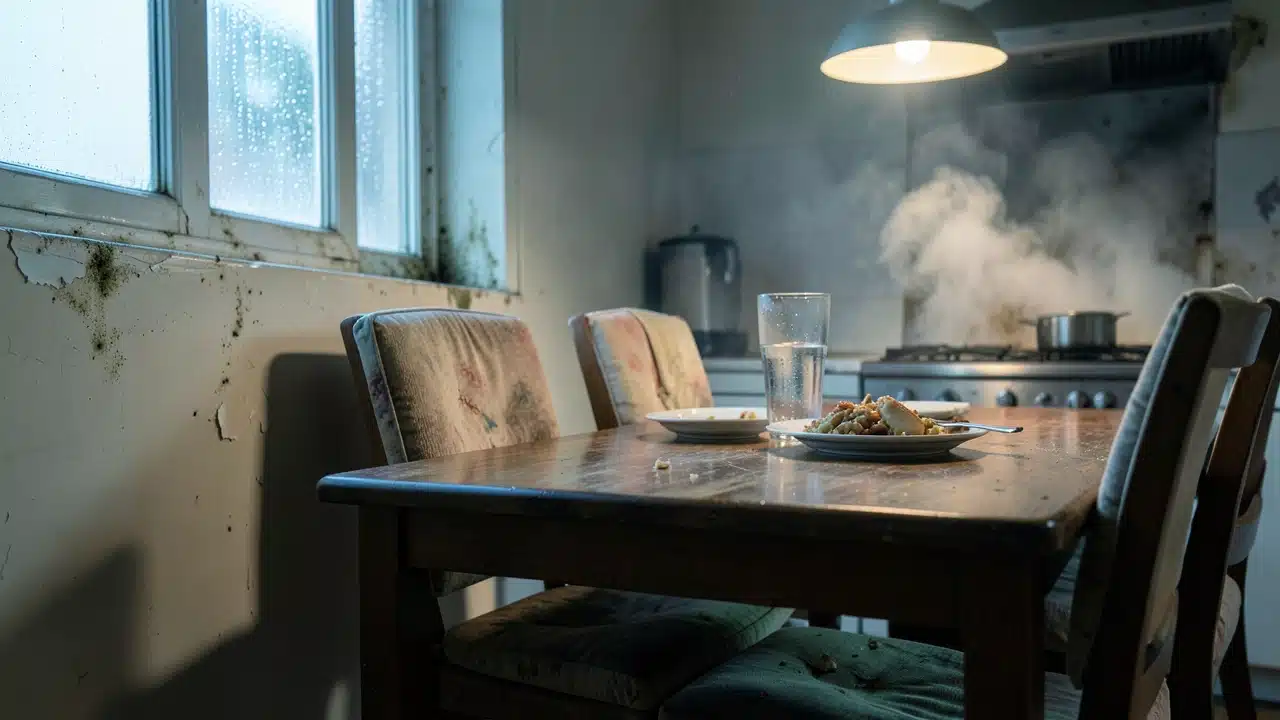
Material Choices Matter
When selecting dining furniture, consider the materials. Some materials are naturally more resistant to grease, moisture, and odors than others. Choosing wisely can give your furniture a better chance of withstanding proximity to the kitchen.
Durable Wood Options
Hardwoods like oak, maple, and cherry are generally more durable and less prone to warping than softer woods.
These woods have a tighter grain, which can make them more resistant to absorbing moisture and odors. Choosing furniture made from these materials can be a good long-term strategy.
For finishes, opt for furniture with a high-quality seal. A good lacquer or polyurethane finish provides a protective barrier against grease and moisture. Regularly cleaning and maintaining these finishes will further enhance their durability.
This is crucial when you’re concerned about What Happens to Dining Furniture Placed Too Close to a Kitchen Without Proper Ventilation.
Fabric and Upholstery Considerations
When it comes to upholstered dining chairs, look for fabrics that are easy to clean and resistant to staining and odors.
Leather and faux leather are good choices as they are non-porous and can be wiped clean easily. Performance fabrics, which are specifically designed for durability and stain resistance, are also excellent options.
If you prefer fabric upholstery, consider darker colors or patterns that can hide minor stains. You can also use fabric protectors to create a barrier against spills and grease.
Regularly vacuuming and spot-cleaning your upholstery can also help prevent odors and stains from becoming permanent.
Understanding What Happens to Dining Furniture Placed Too Close to a Kitchen Without Proper Ventilation means making informed choices about your materials.
Regular Cleaning and Maintenance
Even with good ventilation and smart material choices, regular cleaning is essential. This is especially true if your dining furniture is located near the kitchen. Dust and wipe down surfaces frequently to prevent grease and grime from building up.
For wood furniture, use a mild wood cleaner and a soft cloth. Avoid harsh chemicals that can damage the finish. For upholstered furniture, follow the manufacturer’s cleaning instructions.
Spot clean spills immediately to prevent them from setting in.
Deep Cleaning Strategies
Periodically, you might need to do a deeper clean. For wood, a specialized wood cleaner can help remove stubborn grease buildup.
For upholstery, consider professional cleaning every year or two, especially if you notice persistent odors or stains.
This proactive approach can significantly extend the life of your furniture.
By being diligent with cleaning, you combat the effects of What Happens to Dining Furniture Placed Too Close to a Kitchen Without Proper Ventilation. The effects of cooking without adequate ventilation can degrade indoor air quality and damage nearby furniture.
It’s about maintaining the furniture so it can withstand the challenges of its environment. Even small efforts can make a big difference in keeping your dining set looking and smelling fresh.
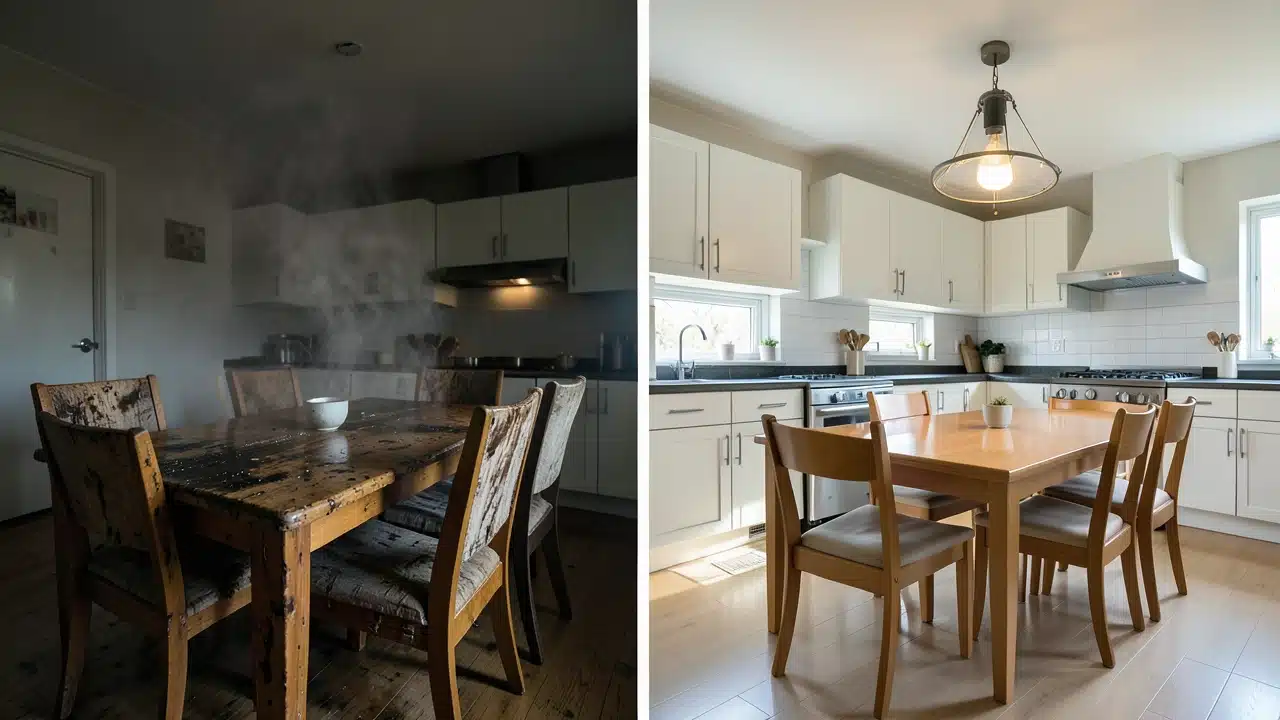
A Comparative Look at Furniture Placement and Ventilation
To better understand the impact, let’s compare different scenarios. The key factor is ventilation, and how it interacts with furniture proximity.
| Scenario A | Adjacent to Kitchen | Excellent (Ducted Range Hood) | Minimal odor/grease buildup; wood protected from moisture. |
| Scenario B | Adjacent to Kitchen | Poor (No Hood, Closed Windows) | Significant odor/grease buildup; wood warping; finish damage; fabric staining. |
| Scenario C | Distant from Kitchen | Excellent (Ducted Range Hood) | Very minimal impact; furniture well-preserved. |
| Scenario D | Distant from Kitchen | Poor (No Hood, Closed Windows) | Some general household odors may accumulate, but less grease/moisture impact than Scenario B. |
This table clearly shows how crucial ventilation is, regardless of how close your dining furniture is to the kitchen. However, when furniture is close, the lack of ventilation becomes a much bigger problem.
Understanding What Happens to Dining Furniture Placed Too Close to a Kitchen Without Proper Ventilation is about seeing the amplified risks in scenarios like B. Understanding what happens to dining furniture placed too close to a kitchen without proper ventilation begins with learning about proper kitchen ventilation.
Frequently Asked Questions Of What Happens To Dining Furniture Placed Too Close To A Kitchen Without Proper Ventilation
What are the main signs that my dining furniture is too close to the kitchen?
You might notice persistent cooking odors on your furniture, a greasy film on surfaces, or visible damage like warping or discoloration on wood. Fabrics may also show stains or feel grimy.
Can a range hood completely solve the problem of What Happens to Dining Furniture Placed Too Close to a Kitchen Without Proper Ventilation?
A good ducted range hood is highly effective at removing grease and odors at the source, significantly reducing the negative impact on nearby dining furniture. It’s the best solution for preventing damage.
How often should I clean my dining furniture if it’s near the kitchen?
If your dining furniture is close to an unventilated kitchen, you should aim for more frequent dusting and wiping down surfaces, perhaps weekly. Deeper cleaning of upholstery might be needed every 6-12 months.
Will a strong scent diffuser help mask cooking odors on my dining furniture?
Scent diffusers can mask odors temporarily, but they won’t prevent grease buildup or moisture damage, which are the more serious consequences of What Happens to Dining Furniture Placed Too Close to a Kitchen Without Proper Ventilation. Addressing the source of the problem is key.
Is it better to use a solid wood table or a table with a veneer if it’s near the kitchen?
Solid hardwood with a good sealant is generally more resilient to moisture and warping than veneer. However, both can be damaged if not protected by proper ventilation.
What should I do if my wood dining table is already warped from kitchen proximity?
For minor warping, a furniture restorer might be able to help. However, significant warping can be difficult and costly to repair. Prevention through better ventilation is always the best approach when considering What Happens to Dining Furniture Placed Too Close to a Kitchen Without Proper Ventilation.
Does the type of cooking matter for furniture damage?
Yes, cooking methods that produce a lot of grease (like frying) or steam (like boiling) will have a more significant impact on dining furniture if ventilation is poor.
Final Thoughts
Placing dining furniture near an unventilated kitchen can lead to lasting damage from grease, odors, and moisture.
Prioritizing good kitchen ventilation and smart furniture choices are your best defenses. By taking these steps, you protect your dining set and keep your home environment pleasant. For official guidance on improving residential indoor air quality, consult the EPA's resources.