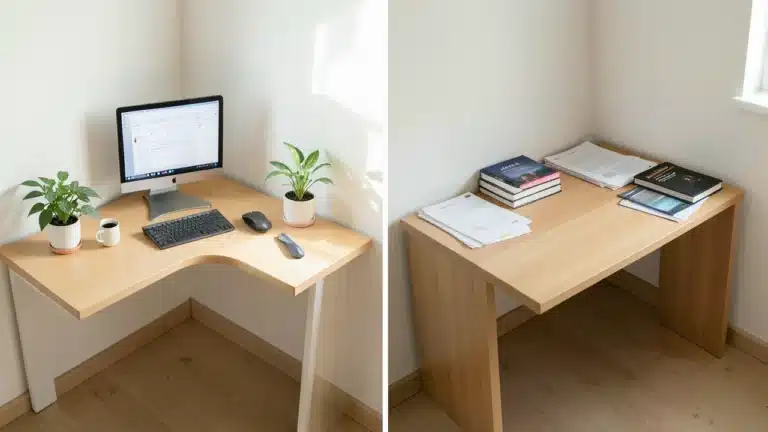
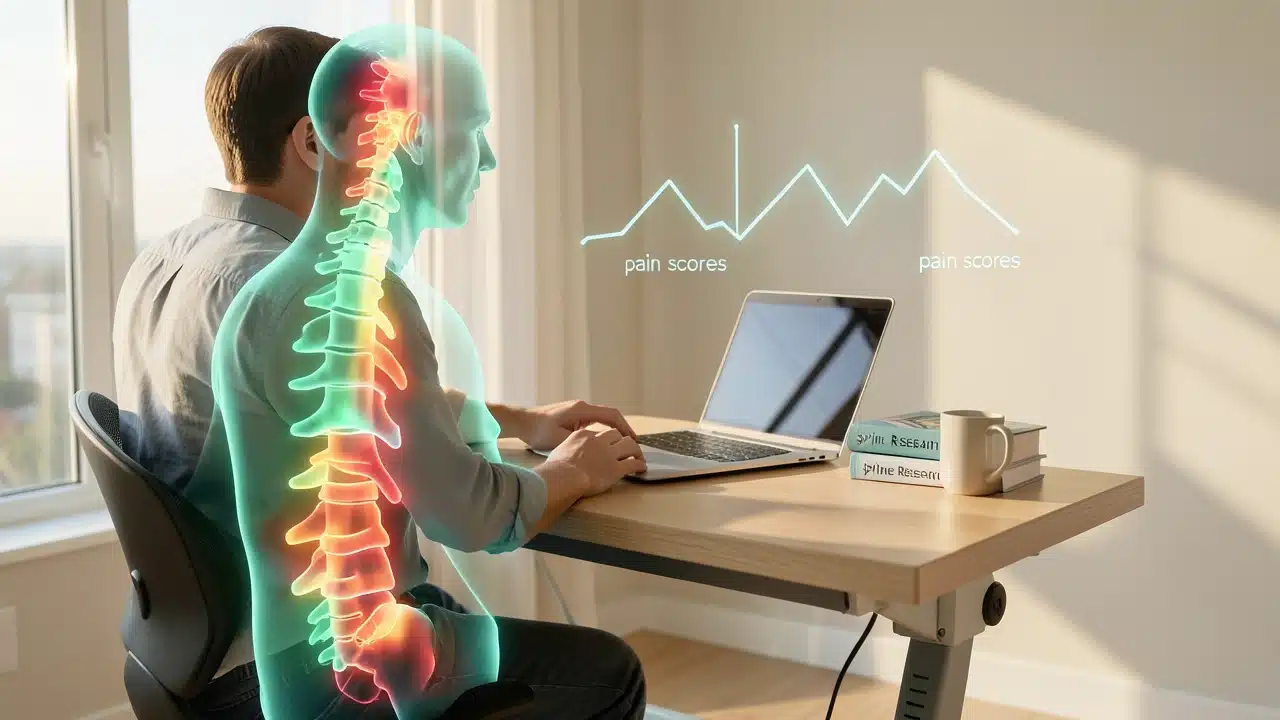
Research shows standing desks can reduce lower back pain for some people by interrupting prolonged sitting, but they are not a guaranteed cure and can cause new discomfort if used incorrectly. The key benefit comes from alternating between sitting, standing, and movement throughout the day rather than standing continuously. Proper desk height and gradual transitions are essential, as prolonged standing or poor ergonomics may shift pain to the legs, hips, or lower back.
Standing desks can reduce back pain for some people by breaking up long sitting periods, but research does not show they are a guaranteed cure.
The benefit usually comes from alternating sitting, standing, and movement, not standing all day. Poor desk height or prolonged standing can create new leg, hip, or back discomfort.
Many people spend hours sitting at a desk each day, and for some, this leads to nagging back pain. You might be wondering if switching to a standing desk could be the answer to your discomfort.
It’s a common question, and understanding what the actual research shows can help you make the best choice for your well-being.
We’ll look at what studies tell us about whether standing desks truly help with back pain and what benefits you can expect to gain from incorporating more standing into your workday.
Let’s get straight to the point about Do Standing Desks Actually Reduce Back Pain? What the Research Says.
Key Takeaways
- Standing desks can help reduce lower back pain for many people who sit for long periods.
- The benefits come from breaking up long sitting times and improving posture.
- Not all standing desks are created equal; proper setup is key.
- Alternating between sitting and standing is often more effective than standing all day.
- Research shows improvements in pain levels and productivity with regular standing desk use.
Why Standing Desks Might Help Your Back
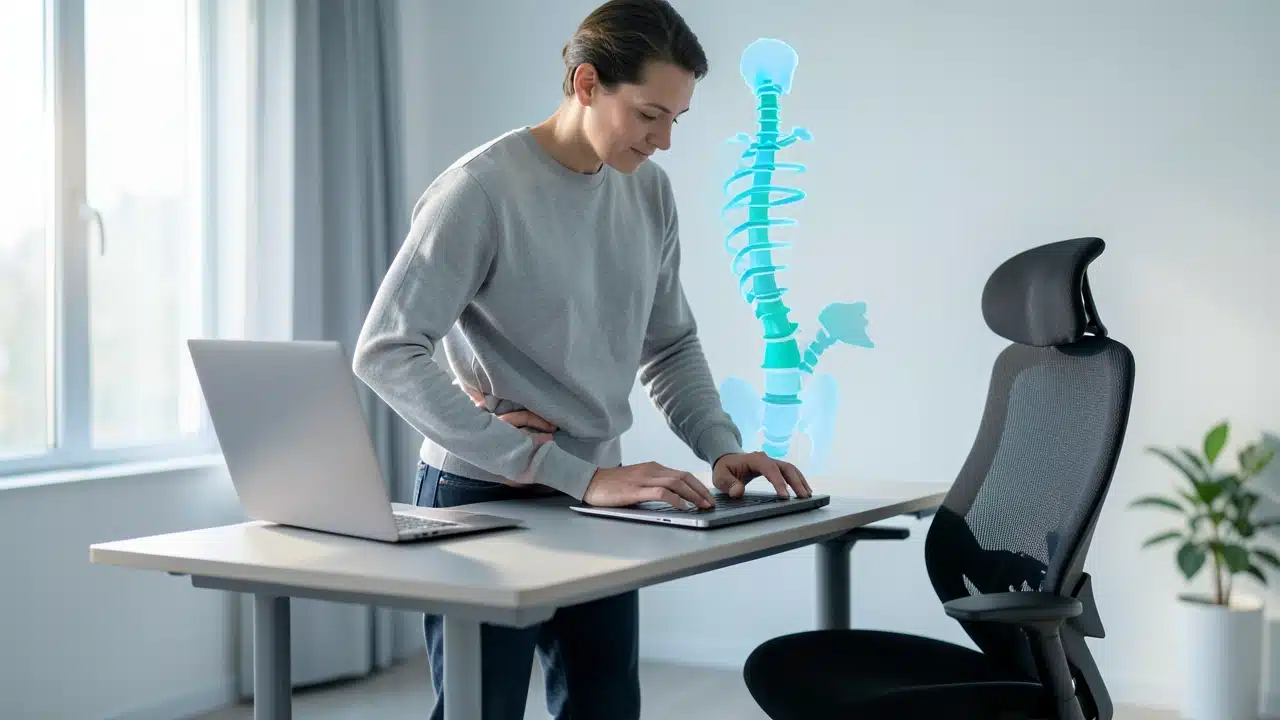
Sitting for many hours a day can put a lot of pressure on your spine. This can lead to tight muscles and discomfort in your lower back. When you stand, your body’s weight is distributed differently.
This can help take some of the strain off your back muscles and discs. It encourages better posture, which is important for preventing and easing back pain. The simple act of changing your position helps your body move more naturally.
The idea behind standing desks is to break the cycle of prolonged sitting. Our bodies are not really designed to sit still for eight hours a day. Standing allows your core muscles to engage more.
It also helps improve blood circulation. Better circulation means more oxygen gets to your muscles and tissues, which can help reduce stiffness and pain. So, when we talk about Do Standing Desks Actually Reduce Back Pain?
What the Research Says, this is a big part of the answer.

What the Science Says About Standing Desks and Back Pain
Several studies have looked into whether standing desks make a real difference for people with back pain.
The results are generally positive. Many studies show that people who use standing desks report less back pain compared to those who only sit.
For instance, one study found that participants using sit-stand desks had a significant reduction in upper back and neck pain after just a few weeks. This suggests that simply changing your posture can have a noticeable effect.
Research indicates that the key benefit comes from reducing sedentary time. When you reduce the amount of time you spend sitting, you also reduce the strain on your lower back. It’s not necessarily about standing perfectly still all day.
It’s more about the movement and the change in position. The studies that show the most improvement often involve people who switch between sitting and standing throughout the day. This approach seems to be the most effective way to manage back pain using a standing desk.
When considering Do Standing Desks Actually Reduce Back Pain? What the Research Says, it’s important to look at the quality of the research. Many studies use self-reported pain levels, which can be subjective.
However, even with this, the consistent trend of reduced pain is telling. More objective measures are also starting to show benefits, like improved muscle activity and better spinal alignment when standing.
How to Use a Standing Desk Effectively for Back Pain
Simply getting a standing desk isn’t enough. You need to use it the right way to see the best results for your back. Setting up your desk correctly is the first step.
Your monitor should be at eye level. Your arms should rest comfortably on the desk with your elbows at a 90-degree angle when typing. This helps maintain good posture and prevents strain on your neck and shoulders.
The second crucial tip is to alternate between sitting and standing. Standing all day can also cause fatigue and discomfort. Most experts recommend a sit-stand schedule.
A good starting point is to stand for 30 minutes to an hour, then sit for the same amount of time. Listen to your body. If you feel tired or sore, switch positions.
This variety keeps your muscles engaged and prevents them from becoming stiff in one position.
Next, wear comfortable shoes. Standing for extended periods can be hard on your feet and legs. Supportive shoes can make a big difference.
Also, consider using an anti-fatigue mat. These mats provide cushioning and can help reduce pressure on your feet, legs, and lower back. This makes standing for longer periods much more comfortable and beneficial.
Then, focus on your posture while standing. Avoid slouching or leaning heavily on one leg. Try to stand with your feet shoulder-width apart.
Keep your shoulders relaxed and your head held high. Engaging your core muscles slightly can also help support your spine.
Good posture is essential whether you are sitting or standing, but it takes a little more conscious effort when standing.
Finally, remember to move. Even when standing, shift your weight from time to time. Take short breaks to walk around.
Simple stretches can also help. These small movements prevent stiffness and keep your blood flowing. This active approach is key to getting the most out of your standing desk and truly addressing the question: Do Standing Desks Actually Reduce Back Pain?
What the Research Says.
Comparing Standing and Sitting: What Happens to Your Back?
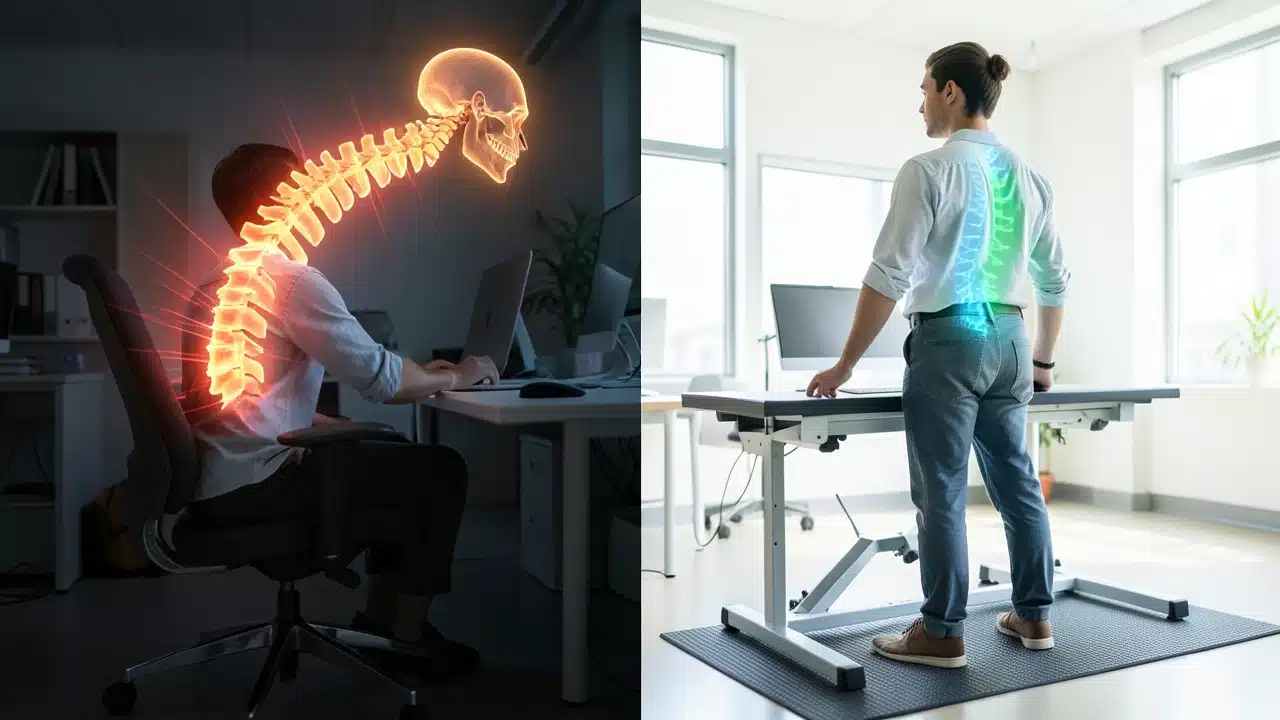
When you sit for long periods, your hip flexors can become tight. This tightness can pull on your pelvis and contribute to lower back pain. Your gluteal muscles can also become inactive, weakening the support system for your lower back.
Sitting also often leads to a slumped posture, where your spine is rounded, putting extra pressure on the discs between your vertebrae.
Standing, on the other hand, allows your body to adopt a more neutral spine position, provided you have good posture.
It encourages better engagement of your abdominal and back muscles, which are vital for supporting your spine. Standing also promotes better circulation.
This can help deliver nutrients to the spinal discs and remove waste products, potentially improving spinal health over time.
This contrast highlights why Do Standing Desks Actually Reduce Back Pain? What the Research Says is a relevant and important topic.
Here’s a simple comparison:
| Spinal Pressure | Increased pressure on lower back discs. | Reduced pressure, more neutral spine alignment. |
| Muscle Engagement | Core and gluteal muscles become inactive; hip flexors tighten. | Core and back muscles engage; hip flexors can stretch. |
| Posture | Often leads to slouching and rounded back. | Encourages more upright posture when set up correctly. |
| Circulation | Can slow down blood flow. | Generally improved, helping nutrient delivery and waste removal. |
| Back Pain | Higher risk of developing or worsening back pain. | Often leads to a reported reduction in back pain. |
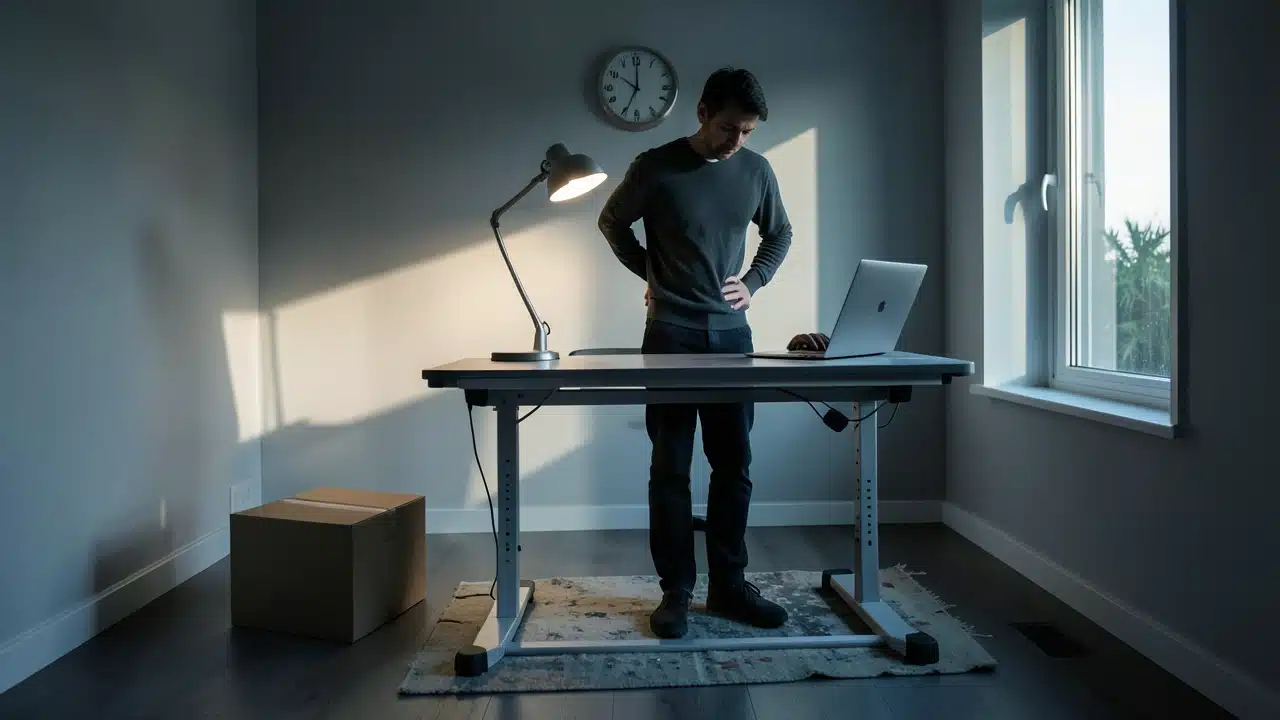
Potential Downsides and How to Avoid Them
While standing desks offer many benefits, they are not without potential drawbacks. Standing for too long without breaks can lead to fatigue in your legs and feet. It can also cause swelling in your lower extremities.
Some people might experience knee or hip discomfort if they stand rigidly for hours.
To avoid these issues, the key is moderation and variety. As mentioned, alternating between sitting and standing is vital. Don’t try to stand for your entire workday from the start.
Gradually increase your standing time as your body adjusts. Listen to your body’s signals and switch positions when you feel discomfort or fatigue. This mindful approach helps you reap the benefits without the downsides.
Another potential issue is improper setup. If your desk is too high or too low, it can lead to poor posture and strain on your shoulders, neck, and wrists. This can create new pain points.
Always ensure your monitor is at eye level and your keyboard and mouse are at a height that allows your elbows to be at a 90-degree angle.
This attention to detail is crucial for answering Do Standing Desks Actually Reduce Back Pain? What the Research Says effectively.
Choosing the right accessories can also help. An anti-fatigue mat can significantly improve comfort when standing. Supportive footwear is also essential.
These simple additions can make a big difference in your ability to stand for longer periods without pain. They help cushion your joints and reduce the impact on your body.
Who Benefits Most from Standing Desks?
Individuals who spend a significant portion of their workday sitting are prime candidates for standing desks. This includes office workers, programmers, writers, and anyone whose job requires long hours at a computer.
People who already suffer from chronic lower back pain, stiffness, or discomfort related to prolonged sitting are likely to see the most significant improvements.
Those who have jobs that involve a lot of standing might also benefit from an adjustable desk that allows them to sit.
The goal isn’t necessarily to stand all day, but to have the option to change positions. For someone who stands all day and experiences foot or leg pain, being able to sit can be just as beneficial.
The flexibility of an adjustable desk is key for many people.
The research on Do Standing Desks Actually Reduce Back Pain? What the Research Says often points to the reduction of sedentary behavior as the main driver of positive outcomes.
Therefore, anyone looking to reduce their overall sitting time and increase their daily movement can potentially benefit.
This includes students, freelancers, and even people working from home who might have less structured routines.

Standing Desks and Productivity
Beyond back pain, many users report that standing desks can also boost productivity. When you’re more comfortable and less in pain, you can focus better. The increased blood flow from standing can also lead to increased alertness and energy levels.
This can combat that mid-afternoon slump that many office workers experience.
Some studies have explored the link between standing desks and cognitive function. While the results are mixed, some research suggests that standing can improve mood and energy levels, which in turn can positively impact performance.
The ability to move and shift weight can also help prevent the restlessness that can come from sitting still for too long, allowing for better concentration.
Frequently Asked Questions Of Do Standing Desks Actually Reduce Back Pain? What The Research Says
Do I have to stand all day to get relief from back pain?
No, you do not have to stand all day. Alternating between sitting and standing is generally recommended for the best results and to avoid fatigue. Listen to your body and switch positions as needed.
Are standing desks good for everyone with back pain?
Standing desks can help many people with back pain, especially those whose pain is related to prolonged sitting. However, it’s always a good idea to consult with a doctor or physical therapist to determine the best approach for your specific condition.
How quickly will I see results from using a standing desk for back pain?
Many users report noticing a reduction in back pain within a few weeks of consistent use. The speed of results can vary depending on individual factors and how regularly you alternate between sitting and standing.
What is the best way to set up a standing desk to help my back?
Ensure your monitor is at eye level and your keyboard/mouse allow your elbows to be at a 90-degree angle while standing. Maintaining good posture is crucial for reducing back strain.
Can standing desks cause other health problems if used incorrectly?
Yes, standing for too long without breaks or using an improperly set up desk can lead to leg fatigue, foot pain, or even new strain on your neck and shoulders. Proper usage and alternating positions are key.
Does the research confirm that Do Standing Desks Actually Reduce Back Pain? What the Research Says?
Yes, the majority of research indicates that standing desks can significantly reduce back pain, particularly when used to break up long periods of sedentary behavior. The key is consistent, proper use.
Final Thoughts
The research generally supports the idea that standing desks can indeed help reduce back pain for many people, especially when used correctly.
By alternating between sitting and standing and maintaining good posture, you can lessen the strain on your spine. Experiment with different standing and sitting times to find what works best for your body.