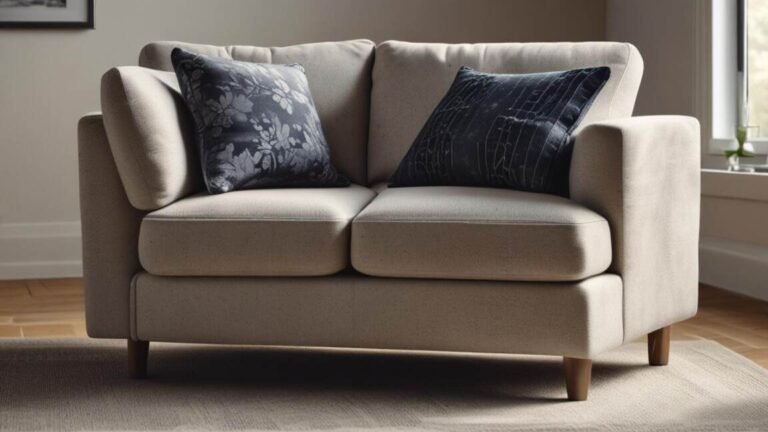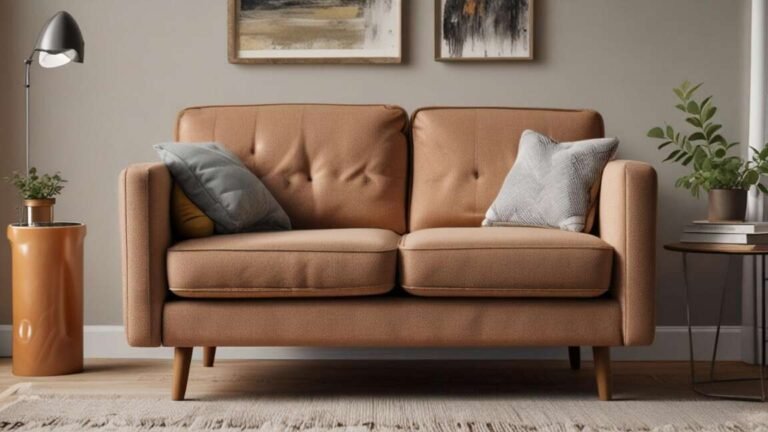

In a busy home, a U-shaped sectional typically lasts 5 to 7 years before needing replacement, though high-traffic households with kids or pets may require replacement in 3 to 5 years. Visible sagging that persists after flipping cushions, frame creaking, permanent body impressions, or trapped odors are clear signs the sofa's structural integrity is compromised. Evaluating these signs and comparing repair costs to replacement value can help homeowners maintain comfort and avoid unnecessary spending.
Simply put, in a busy home with daily use, you should plan to replace a U-shaped sectional every 5 to 7 years. High-traffic households with kids and pets may see wear in 3 to 5 years. A high-quality frame with proper maintenance can stretch its lifespan to 10 years or more.The first step is to look for clear physical signs of failure. Your furniture sends signals when it can no longer perform.
- Visible sagging in the seat cushions that does not resolve after flipping or rotating indicates dead foam.
- Permanent body impressions ruin the clean lines of the U-shape and reduce seating comfort.
- A creaking or groaning sound from the frame when someone sits down points to loose joints or cracked wood.
- Foul odors trapped deep in the foam that a deep clean cannot remove may indicate mildew or bacteria buildup.
- Rips, tears, or heavy pilling on the fabric make the living room look unkempt and can worsen quickly.
Warning: If you feel a sharp metal spring poking through the bottom of the cushion, stop using the sectional immediately. A broken spring can cause injury and indicates the suspension system has failed.
Key Takeaways
- The average lifespan of a U-shaped sectional in a busy home with daily use is 5 to 7 years before significant structural wear appears.
- Sagging cushions, permanent odors, and visible frame damage are clear signs that replacement is more cost-effective than repair.
- A sofa with a kiln-dried hardwood frame and high-resiliency foam lasts significantly longer than a budget model with particle board construction.
- Refinishing or reupholstering is only cost-effective for sectionals with a high-quality frame that costs more than 60 percent of a new replacement.
- Simple habits like rotating cushions weekly and using a high-quality fabric protector can extend the life of your sectional by up to 2 years.

How Long Does a U-Shaped Sectional Typically Last?
The lifespan depends heavily on the materials used during manufacturing. A $900 sectional from a fast-furniture brand will not hold up like a $4,000 piece from a heritage manufacturer.| Factor | Low-End (1-5 yrs) | Mid-Range (5-8 yrs) | High-End (8-15+ yrs) |
|---|---|---|---|
| Frame Material | Particle board / MDF | Plywood / Mixed hardwood | Kiln-dried hardwood |
| Cushion Core | Polyester fiber fill | HR Foam + fiber wrap | HR Foam + down blend |
| Fabric Durability | Below 15,000 double rubs | 15,000 – 30,000 double rubs | Above 30,000 double rubs |
| Household Level | Low traffic / Guest room | Dual adult household | Kids, pets, daily use |
How to Assess Your Sectional Step by Step
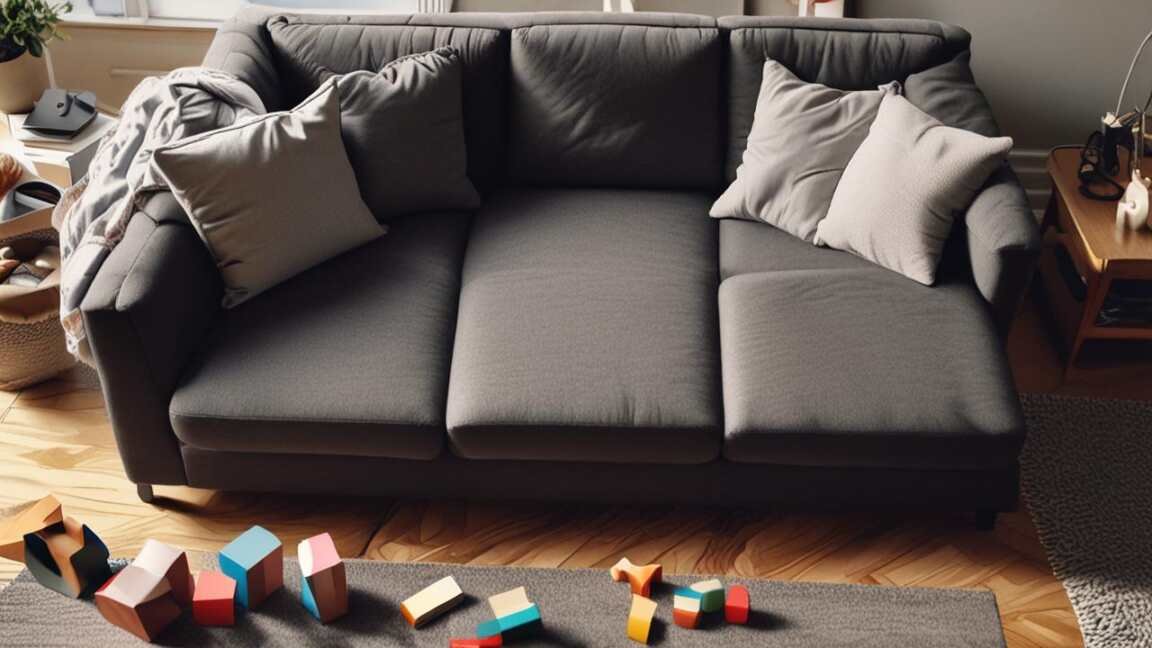
Do not guess whether your sectional needs replacement. Use this step-by-step process to make an informed decision.- Check the frame. Lift the entire chaise section from the bottom. If the frame creaks or flexes more than half an inch, the wood may be compromised.
- Check the suspension. Press down hard on every seat section. If you hear a metal snap or feel uneven spring tension, the suspension is failing.
- Check the foam. Remove a seat cushion and fold it in half. If it does not spring back flat within 30 seconds, the foam has lost its resiliency.
- Check the fabric. Look at the corners of the chaise and the backrest. Heavy fraying or worn-through fabric means the structure is exposed.
- Check for odor. Unzip the cushion covers and sniff the foam directly. A sour, musty smell indicates moisture damage deep inside the core.
Tip: Perform this assessment every 6 months. Catching a sagging cushion early lets you replace just the foam insert instead of the entire sofa.If you find issues in steps 1 or 2, replacement is usually the right call. Issues in steps 3 or 4 may allow for targeted repairs.
Costs and Timeline of Repair vs. Replace
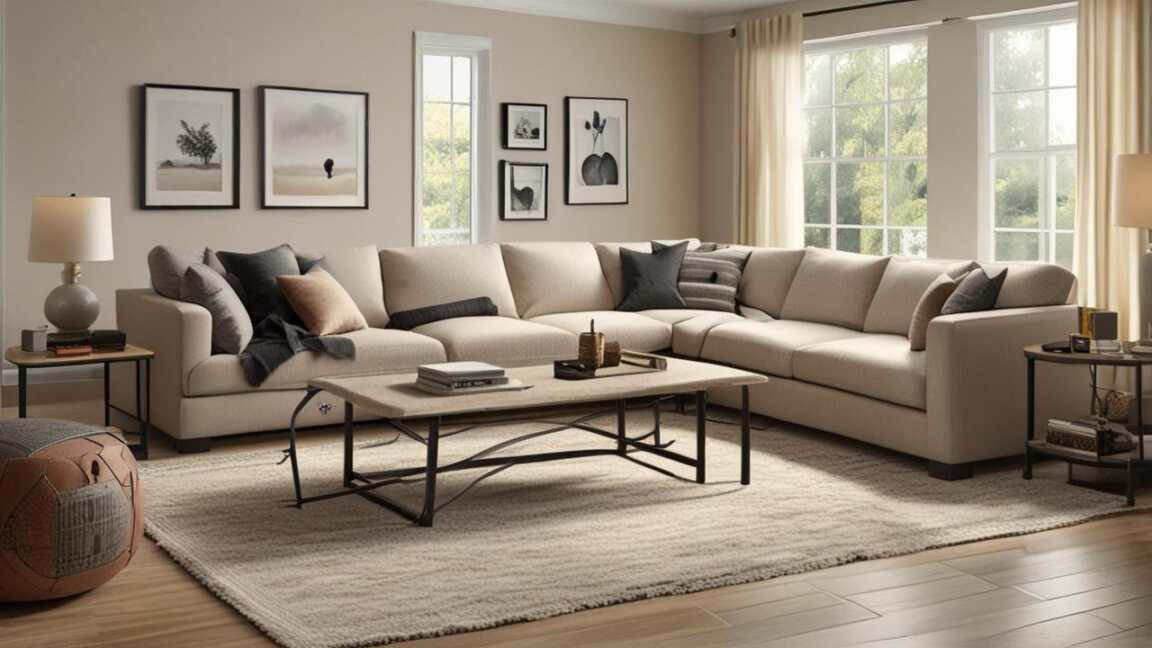
Many homeowners keep a sectional too long because they underestimate the cost of repair. This table helps you compare.| Issue | Repair Cost | Replace Cost | Verdict |
|---|---|---|---|
| Sagging cushions | $100 – $300 (new foam) | $1,500 – $4,000 | Repair if frame is solid |
| Broken frame joint | $150 – $500 (corner block) | $1,500 – $4,000 | Repair if frame is hardwood |
| Reupholstery (full) | $1,200 – $3,000 | $1,500 – $4,000 | Replace, unless sofa is antique |
| Broken springs | $200 – $600 | $1,500 – $4,000 | Repair is cost-effective |
| Persistent odor | $150 – $400 (deep clean) | $1,500 – $4,000 | Replace if cleaning fails |
Important: A general rule is the 50 percent rule. If the repair costs more than 50 percent of a new replacement, choose the new sectional. This rule saves money in the long run.

Common Myths vs. Facts
There are several widespread misconceptions about furniture lifespan. Here are the facts.Myth 1: A high price always means a long life.
Price does not always equal durability. Some luxury brands charge a premium for design, not construction. A $3,000 sectional from a fast-fashion retailer may use the same particle board frame as a $1,000 model. Always check the frame type and foam density before buying.
Myth 2: Reupholstering is the eco-friendly choice.
Reupholstering is only eco-friendly if the frame is high-quality. A frame made of particle board will fail again within a few years. At that point, you have wasted fabric and labor. Replacing a low-quality frame with a durable new piece is often the greener option.
Myth 3: You can wait until the fabric tears to replace it.
Waiting until the fabric tears is risky. By the time the fabric fails, the foam and suspension are usually worn out too. Replacing the sectional earlier, when the frame is still intact, makes it easier to sell or donate the old piece.
Pro Tips to Extend the Life of Your Sectional
You can add years to a sectional in a busy home with the right maintenance habits.- Rotate and flip cushions every week. This distributes wear evenly across all seating areas. Mark the bottom of each cushion with a number to track rotation.
- Fluff the foam monthly. Remove the cushions and knead the foam by hand. This prevents permanent compression in the middle seat.
- Use a fabric protector spray. According to, applying a protector every 12 months repels spills and blocks stains that break down fibers over time.
- Vacuum the crevices weekly. Crumbs, dust, and pet hair accelerate fabric wear. Use a crevice tool to clean between the seat and backrest.
- Keep sectionals out of direct sunlight. UV rays fade fabric and dry out foam. Use curtains or place the sectional away from south-facing windows.
- Train pets to stay off the chaise only. Give pets a specific blanket or bed on the sectional. This limits their impact to one washable area.
Tip: For sectionals with slipcovers, buy a second set. Rotating the covers while one set is in the wash reduces friction wear on the fabric by up to 40 percent.

Resources and Tools
Use these resources to assess, maintain, and eventually replace your sectional.Wyzenbeek Test Guide – Learn how fabric durability is measured in double rubs. A score over 30,000 is ideal for busy homes.
Scotchgard Fabric Protector – Apply this spray every 12 months to block stains and UV damage. Applying a fabric protector spray every 12 months repels spills and blocks stains that break down fibers over time.
Foam Factory – Order custom high-resiliency foam inserts to revive sagging cushions.
Bissell Steam Shot – A handheld steam cleaner that sanitizes fabric without soaking the foam core.
Lee Industries – A manufacturer known for kiln-dried hardwood frames and high-resiliency foam.
American Home Furnishings Alliance – Industry authority on furniture safety and lifespan standards.
Frequently Asked Questions
How often should you replace a U-shaped sectional in a busy home?
In a busy home with daily use, plan to replace a U-shaped sectional every 5 to 7 years. Households with small children or large dogs may need a replacement every 3 to 5 years due to accelerated wear on the cushions and fabric.
How do I know if my sectional frame is damaged?
Lift the entire sofa from the bottom. A solid frame will not flex. If you hear cracking sounds or see the frame twist more than half an inch, the wood is failing. Kiln-dried hardwood frames are less likely to have this issue than particle board frames.
Is it worth reupholstering a U-shaped sectional?
Reupholstering is only worth it if the frame is high-quality hardwood and the springs are intact. Full reupholstery for a U-shaped sectional costs between $1,200 and $3,000. If your original sectional cost less than $2,000, replacement is usually the better financial choice.
What is the best fabric for a busy home sectional?
Crypton fabric or high-performance polyester blends offer the best durability for busy homes. These materials resist stains, block moisture, and withstand over 50,000 double rubs on the Wyzenbeek scale. Leather is also a strong option because it cleans easily and does not trap odors.
How long should high-resiliency foam cushions last?
High-resiliency (HR) foam cushions typically hold their shape for 5 to 7 years in a busy home. Signs of failure include permanent sagging over one inch and a loss of bounce when you press down. Once the foam flattens, replacing the insert costs about $50 to $100 per cushion.