
A quality sofa with a kiln-dried hardwood frame and high-density foam cushions lasts 7 to 15 years under normal use, while a budget model with a particleboard frame typically fails within 3 to 5 years. Sofas fail when the frame cracks, springs sag, or cushion foam loses its shape—often accelerated by lack of maintenance, direct sunlight, and infrequent cleaning. To maximize lifespan, rotate and flip cushions every three months, vacuum fabric regularly, and protect the sofa from prolonged sunlight exposure.
Your sofa takes daily abuse. People sit, jump, nap, and eat on it for years. So how long does a sofa actually last before it fails?
Simply put, a quality sofa lasts 7 to 15 years with normal use. Budget sofas often fail within 3 to 5 years. The key difference is frame construction, cushion fill, and fabric quality. A sofa breaks down when the frame cracks, springs sag, or foam loses its shape permanently.
This guide covers the real lifespan of a sofa. You will learn what causes failure, how to choose a durable model, and simple ways to make yours last longer.
According to the, a well-made sofa can serve you for 7 to 15 years under normal household use. found that most people replace their sofa every 5 to 7 years, often due to visible wear before mechanical failure.
Key Takeaways
- A cheap sofa with a particleboard frame typically lasts 3 to 5 years before structural failure occurs.
- A quality sofa with a kiln-dried hardwood frame and high-density foam cushioning can last 10 to 15 years with proper care.
- Rotating and flipping cushions every 3 months extends their life by 2 to 3 years, according to.
- Fabric grade and weave density directly predict how quickly the sofa shows wear and tear.
- The most common sofa failure points are a broken frame rail, sagging springs, and collapsed foam cushions.
What Is a Sofa’s Typical Lifespan by Quality Tier?
Not all sofas are built the same. The price tag often hints at longevity, but construction quality matters more. Here is a realistic breakdown.
| Quality Tier | Price Range | Typical Lifespan | Frame Material | Cushion Fill |
|---|---|---|---|---|
| Budget | $300 – $800 | 3 – 5 years | Particleboard or MDF | Polyurethane foam, 1.0 – 1.5 lbs density |
| Mid-Range | $800 – $2,000 | 7 – 10 years | Plywood or engineered hardwood | High-resilience foam, 1.8 – 2.0 lbs density |
| High-End | $2,000 – $5,000+ | 10 – 15 years | Kiln-dried hardwood (oak, maple, beech) | High-density foam plus down wrap (2.5+ lbs density) |
| Custom / Heirloom | $5,000 – $15,000+ | 15 – 25+ years | Kiln-dried hardwood with corner blocks | 8-way hand-tied springs + high-density foam |
What Causes a Sofa to Fail?
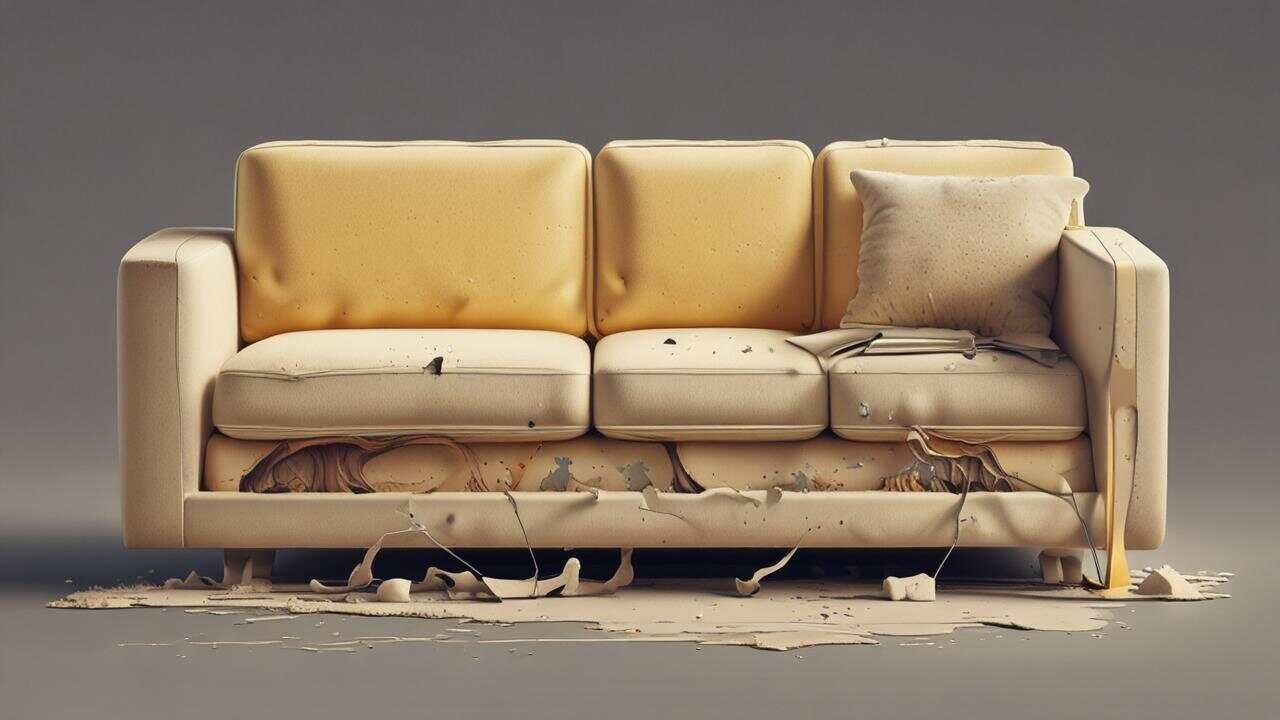
A sofa fails when one of its core components gives out. You notice sagging, creaking, or lumps that do not bounce back. Here are the main failure points.
Frame Failure
The frame is your sofa’s skeleton. Cheap frames use particleboard or MDF. These materials crack under stress. According to the, a frame made with staples instead of screws and glue is more likely to fail within 5 years. A kiln-dried hardwood frame with corner blocks lasts much longer.
Signs of frame failure include a visible crack on the bottom rail, wobbling legs, or a loud creak when someone sits down. You can inspect the frame by flipping the sofa over and checking the joints.
Warning: If you see a cracked frame rail, do not ignore it. A broken frame can collapse suddenly, causing injury. Repair costs often exceed the sofa’s value.
Spring System Failure
Springs hold the cushions up. There are three common types.
- Sinuous springs (S-springs) – Common in mid-range sofas. They can sag or pop out of their clips over time.
- 8-way hand-tied coils – Found in high-end sofas. They offer the best support and last 20+ years if maintained.
- Drop-in coil units – Pre-assembled coil grids used in many mid-range sofas. They are easier to replace but can sag as a unit.
Sagging springs create a permanent dip in the seat. You can test springs by pressing down firmly. If the seat does not spring back, the springs are worn. Replacing individual springs costs around $50 to $150 per spring for a professional repair.
Cushion Fill Degradation
Foam cushions break down with every sit. The density of the foam determines how long it lasts.
recommends foam density of at least 1.8 pounds per cubic foot for seating. Foam below 1.5 lbs/cu ft loses support within 2 years. High-density foam (2.0+ lbs/cu ft) retains shape for 5 to 8 years. Down-wrapped cushions look plush but require daily fluffing to maintain shape.
Sagging cushions that do not recover after you stand up are a sign of foam fatigue. You can replace cushion inserts for $30 to $100 per cushion, which is often worth it on a good frame.

How to Extend Your Sofa’s Life
You do not have to wait for failure. Small actions now add years to your sofa’s life. Follow these steps.
Step 1: Rotate and Flip Cushions Regularly
Rotate cushions every 3 months. Flip them if the fabric is the same on both sides. This spreads the wear evenly. notes that this simple habit can extend cushion life by 2 to 3 years.
Step 2: Vacuum and Clean Fabric
Dust and dirt act like sandpaper on fabric fibers. Vacuum your sofa weekly using an upholstery attachment. Pay special attention to crevices where crumbs collect. Spot-clean spills right away to prevent staining.
Step 3: Protect from Sunlight
Direct sunlight fades fabric and dries out foam. Position your sofa away from south-facing windows. Use curtains or blinds during peak sun hours. UV rays break down the dye and weaken the fabric weave.
Step 4: Use Furniture Sliders for Moving
Dragging a sofa across the floor stresses the frame joints. Use furniture sliders to move it. Lift the sofa instead of pulling it. Dropping a sofa leg onto a hard floor can crack the frame rail.
Step 5: Invest in a Sofa Cover or Throw Blankets
Protect high-use areas with a washable cover. Throw blankets on the seat and back reduce direct abrasion. Covers are especially useful if you have pets or children. Wash covers monthly to remove accumulated oil and dirt.
Tip: A machine-washable sofa cover costs $30 to $80. It can double the life of your sofa’s fabric by preventing abrasion and oil buildup.
Common Myths vs Facts
Myth: All sofas last about the same time
Fact: A sofa’s lifespan varies widely based on construction. A budget sofa from IKEA may last 3 to 5 years. A high-end sofa from brands like or can last 15 years or more. The frame material, joinery, and foam density make the difference.
Myth: You should replace a sofa when cushions sag
Fact: Sagging cushions do not mean your sofa is dead. You can replace the cushion inserts for $30 to $100 each. If the frame and springs are still solid, new foam gives the sofa new life. This is more sustainable and cheaper than buying a new sofa.
Myth: Leather sofas last forever
Fact: Leather sofas have a longer lifespan than fabric ones, typically 10 to 20 years. But they need care. Leather dries out and cracks without conditioning. According to, proper leather conditioning every 6 months prevents cracking and fading.
Pro Tips for Buying a Long-Lasting Sofa
Choosing a sofa that lasts starts at the store. Use these tips to evaluate any sofa before you buy.
- Check the frame. Look for kiln-dried hardwood like oak, maple, or beech. Avoid particleboard or staple-joined frames. A quality frame uses screws, glue, and corner blocks.
- Test the springs. Sit down and shift your weight. You should feel support, not sagging. Ask about 8-way hand-tied springs for the best durability. Sinuous springs are acceptable for mid-range sofas.
- Evaluate the foam density. Ask for the foam density rating. Look for 1.8 lbs/cu ft or higher. High-resilience foam (HR foam) retains shape longer than standard polyurethane foam.
- Inspect the fabric grade. Fabric grades range from A to F. Higher grades use tighter weaves and stronger fibers. Choose a grade C or above for daily use. Consider performance fabrics with stain resistance.
- Lift the sofa from one corner. A quality sofa is heavy. Lift one corner by the arm. It should not twist or flex. A flexing frame signals weak construction.
- Read the warranty. A 5-year or longer warranty on the frame and springs shows the manufacturer’s confidence. Short warranties often indicate low quality.

Resources and Tools
Use these resources to evaluate or repair your sofa.
- CertiPUR-US – Independent certification for foam that meets standards for durability and low emissions.
- Better Homes & Gardens – Expert guide on upholstery care and cleaning.
- Consumer Reports – Independent reviews and durability testing for furniture brands.
- Furniture Industry Research Association – Technical standards for frame construction and spring testing.
- Local Upholsterer – Professional repair and cushion replacement services. Search for an upholsterer near you.
Frequently Asked Questions
How do I know if my sofa frame is broken?
Flip the sofa over and inspect the bottom rails for cracks. Look for loose joints where the frame meets the legs. If the sofa wobbles or creaks loudly, the frame may be cracked. A broken frame often requires professional repair or replacement.
Can I replace just the cushions on my sofa?
Yes. You can buy replacement cushion inserts from foam suppliers or furniture stores. Measure the current cushion dimensions and choose foam with a density of at least 1.8 lbs/cu ft. New cushions cost $30 to $100 each and restore comfort if the frame and springs are still good.
What is the best fabric for a long-lasting sofa?
Performance fabrics like microfiber, polyester, or olefin offer high abrasion resistance and stain resistance. Cotton and linen blends wear faster. For a balance of durability and comfort, choose a fabric with a rub count (Wyzenbeek test) of 15,000 double rubs or higher for residential use.
How often should I clean my sofa to extend its life?
Vacuum your sofa weekly with an upholstery attachment. Spot-clean spills immediately. Deep clean fabric sofas every 6 to 12 months using a steam cleaner or professional service. Leather sofas should be conditioned every 6 months to prevent drying and cracking.
Is it worth repairing a 10-year-old sofa?
It depends on the frame condition. If the frame is solid hardwood and the springs are intact, replacing cushions and reupholstering costs $500 to $1,500. That is often cheaper than a new high-end sofa costing $2,000+. If the frame is cracked or the springs are broken, replacement is usually the better option.
Final Thoughts
A quality sofa should last 7 to 15 years with normal use. The frame, springs, and foam density determine true durability. Focus on buying a kiln-dried hardwood frame with high-density foam, and take care of it with regular cleaning and cushion rotation. Your sofa can serve you well for over a decade without failing.