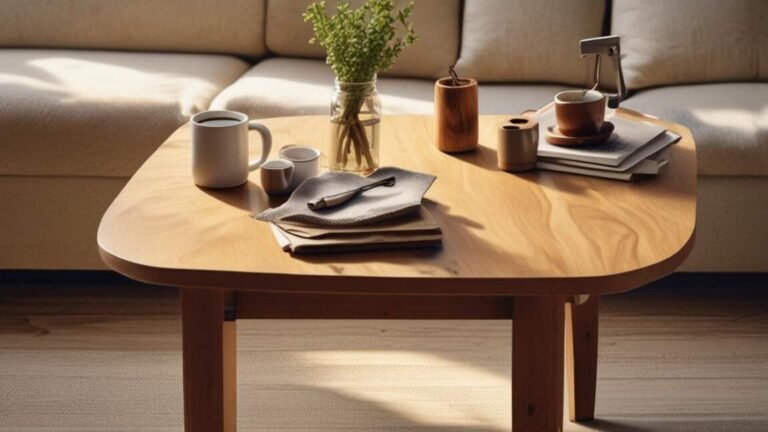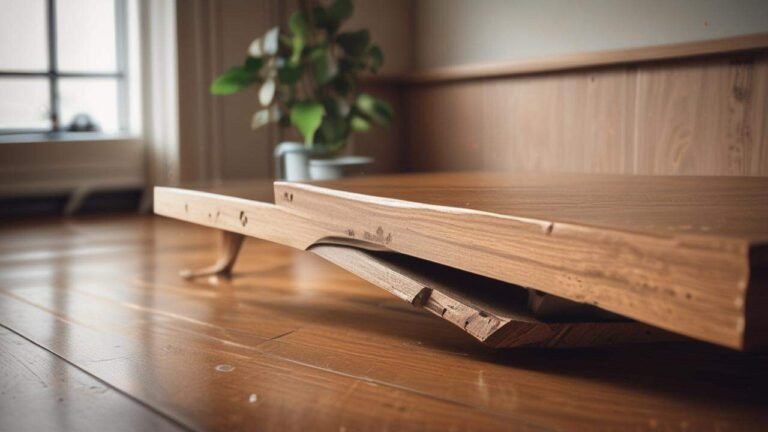

The nine most common mistakes with a first marble coffee table include skipping initial sealing, using vinegar-based cleaners, placing hot items directly on the surface, forgetting coasters, ignoring heavy object placement, using rough cloths, neglecting regular resealing, ignoring spills, and attempting DIY repairs without experience. Marble requires professional sealing every 6–12 months and gentle pH-neutral cleaning to prevent etching and staining. Proper care—from immediate spill response to mandatory coasters for every drink—ensures the table remains elegant and durable for decades.
You bought a marble coffee table because it looks stunning. The natural stone adds elegance to any living room.
Quick Verdict: Most people ruin their first marble coffee table within months by neglecting sealing, using harsh cleaners, and placing hot items directly on the surface. The real problem is treating marble like any other material. With the right sealing routine and gentle care, your table can last decades without etching, staining, or cracking.
Key Takeaways
- Marble requires professional sealing every 6-12 months to prevent stains and etching from acidic liquids.
- Using vinegar, lemon juice, or all-purpose cleaners destroys marble’s polish and creates permanent dull spots.
- Placing hot mugs or pans directly on marble causes thermal shock and hairline cracks that spread over time.
- Coasters and placemats are mandatory for every drink and decorative item to avoid ring marks and etching.
- Heavy objects like vases or sculptures can crack marble if placed near unsupported edges rather than centered.
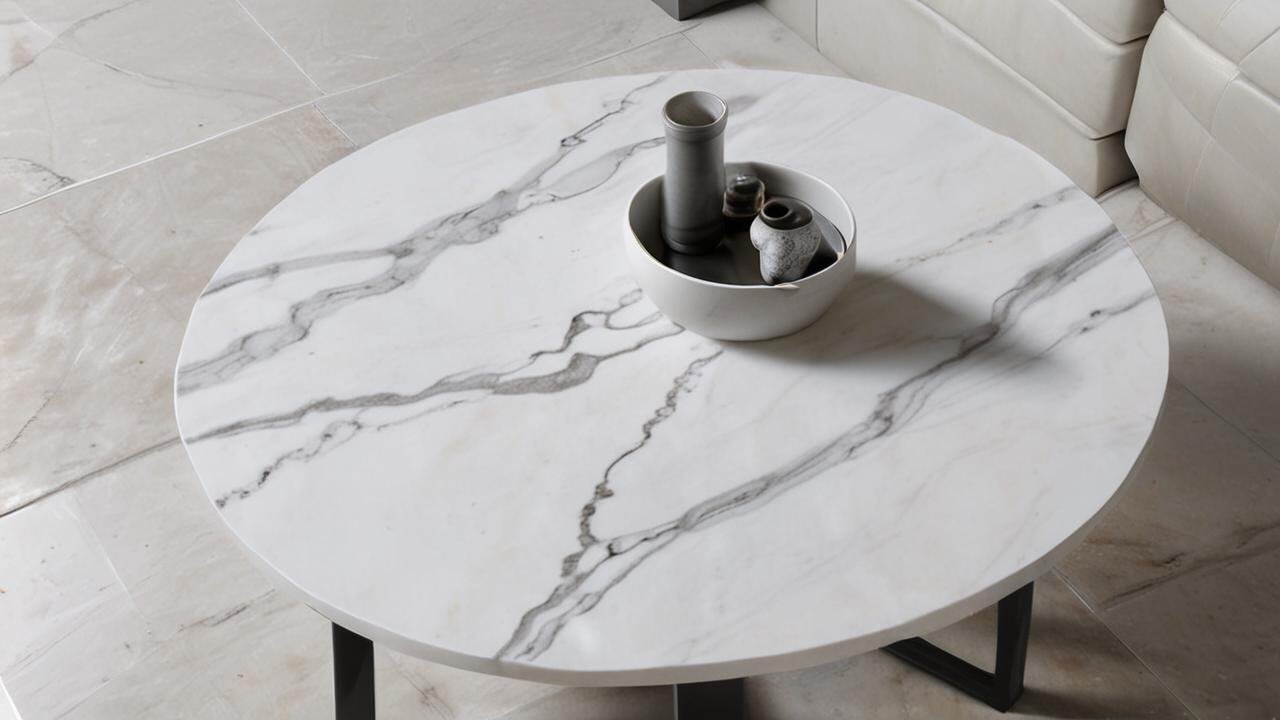
Mistake #1 – Skipping the Initial Sealer Application
Marble is naturally porous. Without a proper sealer, liquids seep into the stone within seconds. According to the, untreated marble absorbs up to 40% more moisture than sealed marble.
Most people assume their new table comes pre-sealed. Manufacturers often apply a basic sealer, but it wears off during shipping and handling. You need to reseal immediately after unboxing.
Warning: A single spilled glass of red wine on unsealed marble creates a permanent pink stain within 10 minutes. Professional restoration costs $200-$400.
Mistake #2 – Using Vinegar or Citrus-Based Cleaners
Marble is calcium carbonate. Acid reacts with it on contact. Vinegar, lemon juice, and many store-bought cleaners contain acids that etch the surface.
Etching leaves dull, rough spots that ruin the polished finish. The home care team found that even diluted vinegar solutions cause noticeable etching on marble within 10 uses.
- Never use vinegar, lemon, or any citrus-based cleaner on marble.
- Avoid ammonia-based products and bleach.
- Stay away from abrasive powders or scouring pads.
- Do not use Windex or glass cleaners containing ammonia.
- Skip any product labeled “all-purpose” or “multi-surface.”
Tip: Use a pH-neutral stone cleaner specifically formulated for marble. Brands like StoneTech and Miracle Sealants make products that clean without etching.
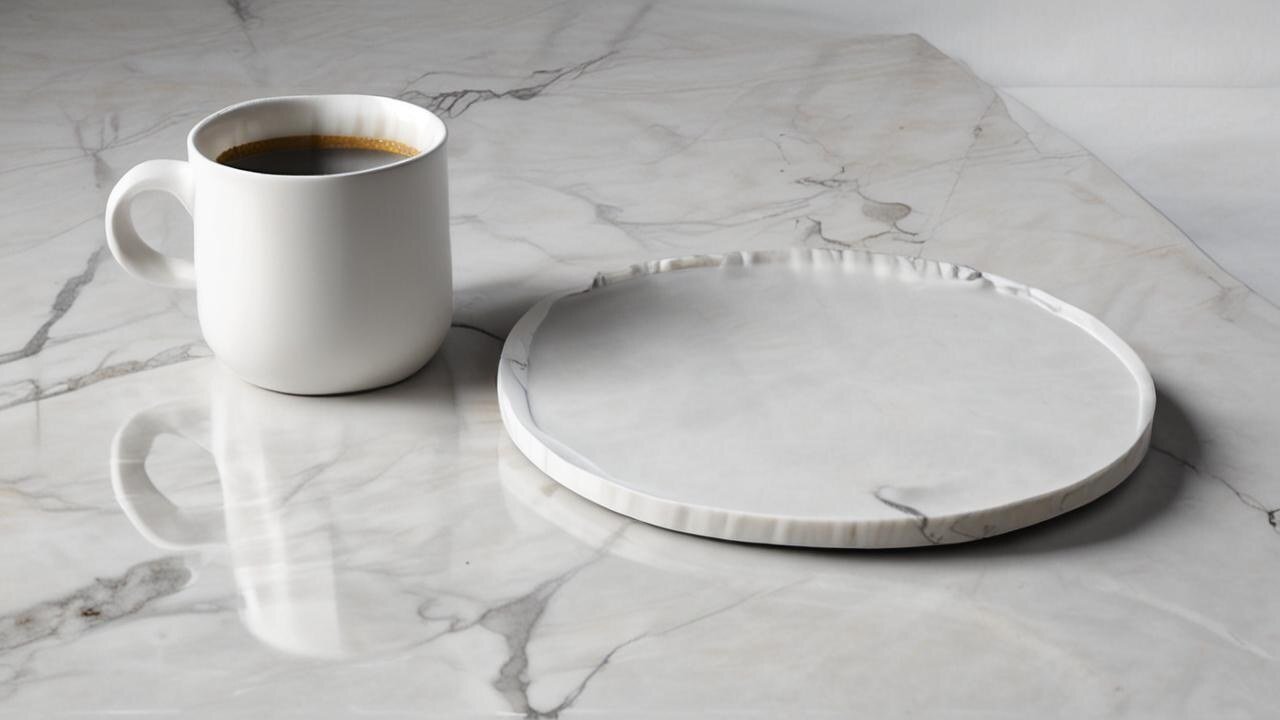
Mistake #3 – Placing Hot Items Directly on the Surface
Marble handles heat differently than other materials. It can withstand moderate heat, but sudden temperature changes cause stress fractures.
When you place a hot coffee mug directly on marble, the localized heat expands that spot faster than the surrounding stone. This thermal shock creates hairline cracks. According to, thermal shock is one of the top three causes of damage in household marble.
- Always use coasters for hot and cold drinks.
- Place trivets or hot pads under serving dishes.
- Never set hot pans, pots, or baking sheets directly on the marble.
- Wait for hot plates to cool before setting them down.
Mistake #4 – Forgetting Coasters for Drinks and Decor
Condensation from cold drinks creates water rings. These rings are not just moisture on the surface. They penetrate the sealer and leave hazy marks.
Alcoholic beverages are even worse. The home improvement experts state that alcohol-based spills etch marble within 60 seconds if not wiped immediately.
- Every drink needs a coaster, not just hot beverages.
- Candles and vases also need protective bases.
- Decorative items with metal bases can scratch the surface.
- Use felt pads under all decorative objects.
Important: Even “non-acidic” drinks like milk or juice can stain marble if left overnight. Always wipe spills within 2 minutes using a soft cloth.

Mistake #5 – Ignoring Heavy Object Placement
Marble is strong under compression, but it is brittle under tension. Placing heavy objects near the edge of the table creates stress points that can cause cracking.
According to, a leading countertop fabricator, marble tables have a weight limit of approximately 50-75 pounds per square foot depending on thickness and support structure.
- Center heavy items like large vases, sculptures, or stacks of books.
- Avoid placing weight on unsupported overhangs or edges.
- Check the table’s support structure under the marble slab.
- Distribute weight evenly across the surface.
Mistake #6 – Using Paper Towels and Rough Cloths
Paper towels seem harmless, but they contain tiny abrasive fibers. Over months of wiping, these fibers create micro-scratches that dull the polish.
The same goes for rough kitchen towels or sponges. Even regular dishcloths can hold grit from the sink. According to, using microfiber cloths for marble cleaning reduces scratching by 90% compared to paper towels.
- Use only soft microfiber cloths for dusting and wiping.
- Dampen the cloth with water or stone cleaner.
- Never scrub the surface. Gently wipe in circular motions.
- Change cloths frequently to avoid redepositing dirt.
Tip: Keep a dedicated microfiber cloth under your table for quick daily dusting. Wash it separately from other laundry to prevent embedded grit.
Mistake #7 – Neglecting Regular Resealing
Sealers are not permanent. They wear off with cleaning, foot traffic, and daily use. Most marble tables need resealing every 6-12 months.
You can test your seal by dripping a small amount of water on the surface. If the water beads up, the seal is working. If it soaks in and darkens the stone, you need to reseal immediately.
- Buy a penetrating sealer designed for natural stone.
- Clean the table thoroughly before applying.
- Apply the sealer with a soft cloth in thin, even coats.
- Allow 24 hours for the sealer to cure fully.
- Repeat every 6-12 months depending on usage.
Important: Some sealers change the color or sheen of marble. Test on an inconspicuous area first before applying to the whole table.
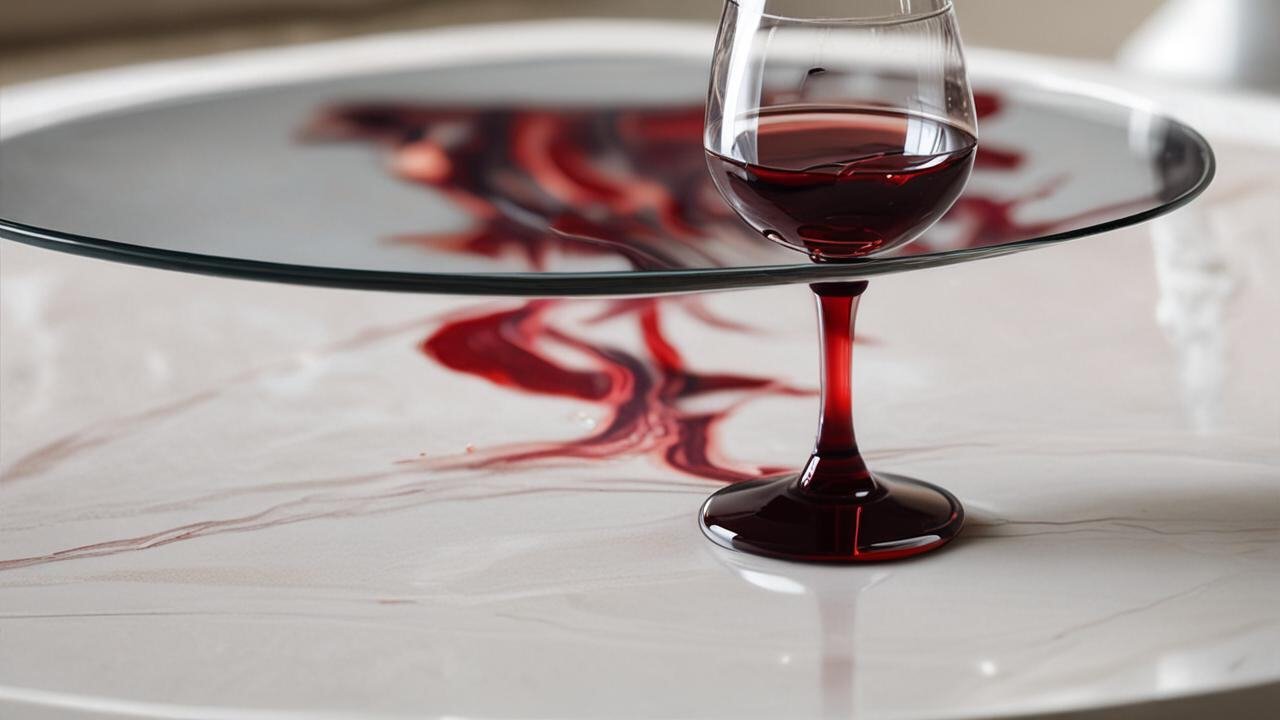
Mistake #8 – Ignoring Spills and Stains Immediately
The most common mistake is assuming a spill can wait. Even water leaves a mark if left for an hour. Acidic spills like wine, coffee, or tomato sauce are destructive within minutes.
The recommends blotting spills immediately with a soft cloth. Never wipe. Wiping spreads the liquid into a larger area and drives it deeper into the pores.
- Blot, do not wipe. Press a clean cloth onto the spill.
- Use a stone cleaner for general spills.
- For oily stains, make a poultice with baking soda and water.
- For deep stains, consult a professional stone restorer.
Mistake #9 – Attempting DIY Repairs Without Experience
When etching or staining happens, the instinct is to fix it yourself. Over-the-counter repair kits often contain harsh chemicals that make the damage worse.
According to, a professional restoration company, over 60% of DIY marble repairs require professional correction afterward. This doubles the total repair cost.
- For light etching, use a marble polishing powder designed for honing.
- For deep scratches, hire a professional stone restorer.
- Never use sandpaper or steel wool on marble.
- Avoid epoxy or resin fillers without professional guidance.
- Call a pro for any damage deeper than a surface mark.

What Your Marble Coffee Table Actually Needs
| Care Task | Frequency | Product Needed | Cost Estimate |
|---|---|---|---|
| Dusting | Daily | Microfiber cloth | $5 – $10 |
| Spot cleaning | As needed | pH-neutral stone cleaner | $10 – $20 per bottle |
| Deep cleaning | Monthly | Stone cleaner + warm water | $0 (if you have cleaner) |
| Resealing | Every 6-12 months | Penetrating stone sealer | $15 – $30 per bottle |
| Professional restoration | Every 3-5 years | Professional service | $200 – $500 per session |
Common Myths vs Facts About Marble Coffee Tables
Myth: Marble is impossible to maintain.
Fact: Marble requires consistent care, but it is not impossible. Regular sealing, immediate spill cleanup, and using the right products keep marble looking perfect for decades. The states that marble lasts over 100 years with proper maintenance.
Myth: All marble is the same quality.
Fact: Marble varies significantly in density, porosity, and hardness. Carrara marble is softer and more porous than Calacatta marble. Honed marble hides scratches better than polished marble. Consider the finish and origin before buying your marble coffee table.
Myth: Sealing makes marble bulletproof.
Fact: Sealing reduces absorbency but does not make marble stain-proof. Sealed marble still etches from acid contact. You still need coasters and immediate spill cleanup. Sealing is a protective layer, not a force field.

How to Choose the Right Marble Coffee Table
Not all marble coffee table options are created equal. Consider these factors before making your purchase. A honed Carrara piece with a sturdy base is an ideal first marble coffee table choice.
- Marble type: Carrara is classic but stain-prone. Calacatta is harder and more durable. Nero Marquina is black and hides stains well.
- Finish: Polished marble shines but shows scratches and etching clearly. Honed marble has a matte finish that hides minor damage better.
- Thickness: A 20mm thick slab is standard for coffee tables. Thicker slabs over 30mm are more durable but heavier and more expensive.
- Base design: A metal or wood base should support the entire slab. Avoid bases with large unsupported overhangs.
- Size vs room: A table that is too small looks lost. One that is too large overwhelms the room. Measure your space before buying.
Tip: For your first marble coffee table, choose a honed Carrara piece with a sturdy wooden base. It offers classic style with slightly better scratch tolerance than polished finishes.
Pro Tips for Long-Term Marble Care
- Keep a sealant test kit under your table. Use it monthly to check if resealing is needed.
- Invest in a set of high-quality, non-slip coasters that actually stay in place.
- Place a clear silicone mat under decorative items like candles or vases.
- Avoid using wax or oil-based polishes. They leave residues that attract dust.
- Store your stone cleaner and microfiber cloth in a visible spot to make cleaning easier.
Frequently Asked Questions
Can I use Clorox wipes on my marble coffee table?
No. Clorox wipes contain bleach and other harsh chemicals that etch and discolor marble. Stick to pH-neutral stone cleaners only.
How do I remove a wine stain from marble?
Blot the stain immediately with a clean cloth. Make a poultice using baking soda and water, apply it to the stain, cover with plastic wrap, and let it sit for 24 hours. Wipe away and repeat if needed. For deep stains, call a professional.
Is honed marble harder to clean than polished marble?
Yes and no. Honed marble hides scratches better but is more porous. It absorbs stains faster. Honed finishes require more frequent sealing. Polished marble repels liquids better but shows every fingerprint and scratch.
How much does it cost to restore a marble coffee table?
Professional restoration costs between $200 and $500 depending on the extent of damage and your location. Light surface polishing costs less. Deep crack repair costs more.
Can I place a marble coffee table outdoors?
Most marble coffee tables are not designed for outdoor use. UV exposure degrades sealers, and rain causes rapid staining. Outdoor marble furniture requires special sealers and covers.
Final Thoughts
Your marble coffee table can stay beautiful for decades with proper care. Seal it regularly, clean with pH-neutral products, and always use coasters. Avoid these nine mistakes and your table will remain a centerpiece you are proud to show off. For a classic look with better scratch tolerance, many prefer Carrara marble for their first table.
To maintain the surface, always clean with pH-neutral products and avoid acidic cleaners.