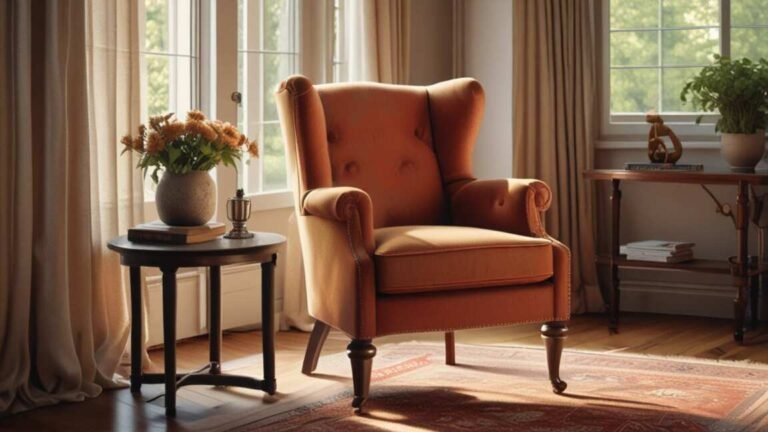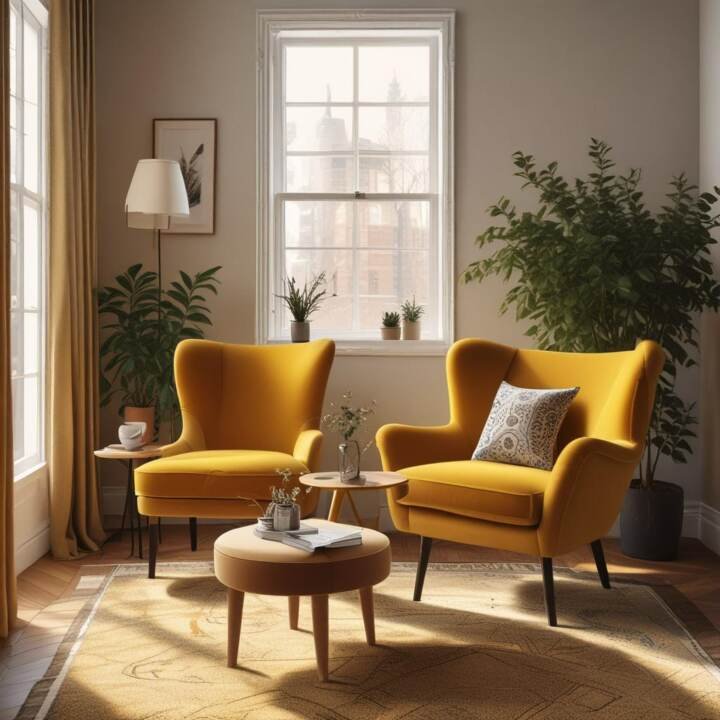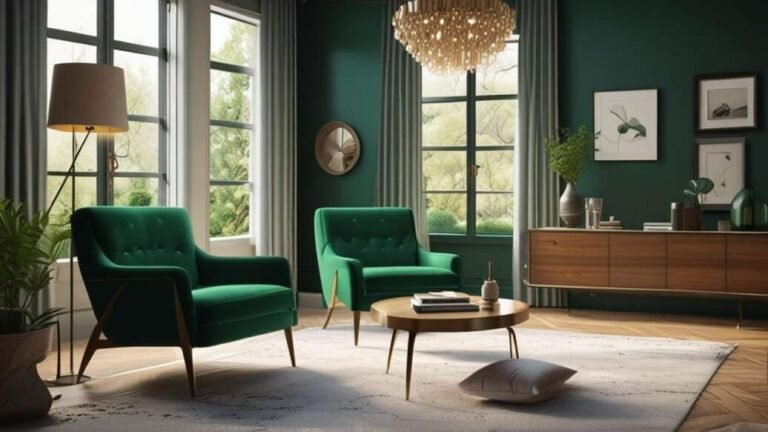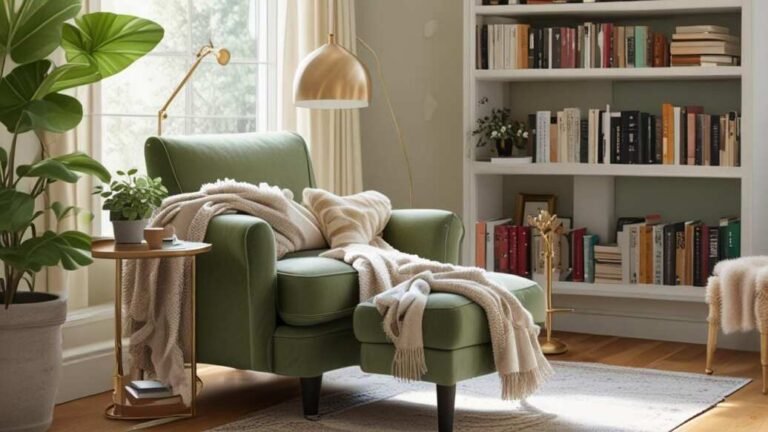
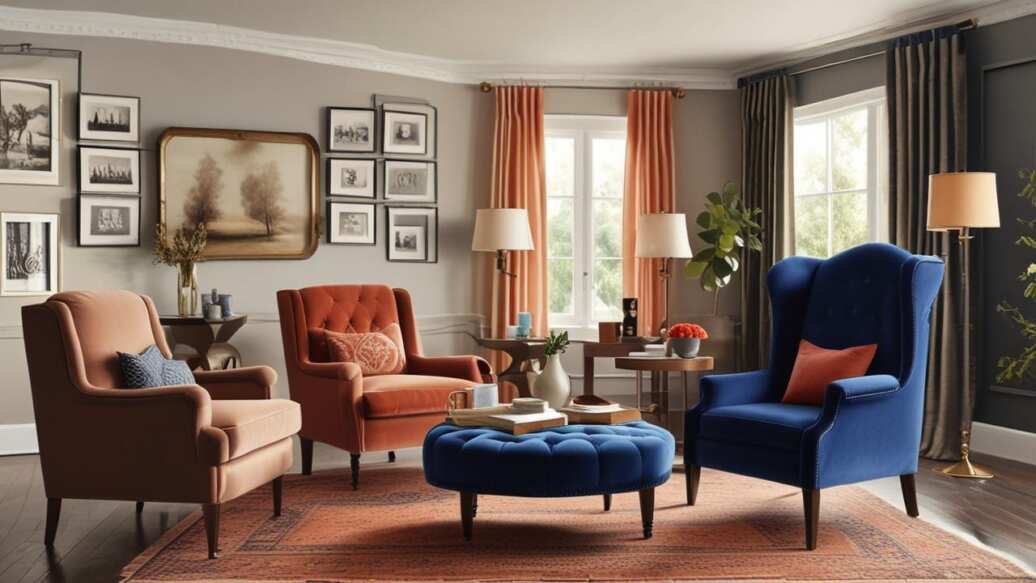
The choice between a wingback chair and a slipper chair for a living room depends on available space and intended use, with wingback chairs providing tall backs and arm support ideal for reading nooks and slipper chairs offering a compact, armless profile that suits tight spaces and modern decor. Wingback chairs typically stand 36 to 42 inches tall and cost 20 to 40 percent more than slipper chairs due to their larger size and upholstery complexity, while slipper chairs have low backs of 24 to 30 inches and fit easily into corners or small rooms. For a living room, a wingback chair excels as a cozy lounge seat, whereas a slipper chair serves well as occasional seating in areas where visual bulk must be minimized.
Choosing between a wingback chair and a slipper chair changes how your living room looks and feels. This comparison breaks down comfort, style, space needs, and cost so you can decide which fits your home.
Quick Verdict: In short, wingback chairs are best for reading nooks, tall backs, and classic style, while slipper chairs suit tight spaces, modern decor, and casual seating. If you need arm support and a cozy feel, pick a wingback. If you lack floor space or want a sleek look, pick a slipper chair.
Key Takeaways
- Wingback chairs have tall backs, upholstered arms, and side panels that block drafts, making them ideal for reading and relaxing.
- Slipper chairs have low backs, no arms, and a compact frame that fits easily into corners and small rooms.
- Wingback chairs typically cost 20-40% more than slipper chairs because of their larger size and more complex upholstery.
- Slipper chairs work well in bedrooms, entryways, and living rooms where you want extra seating without visual bulk.
- Your choice depends on room size, desired style, and how you use the chair – for lounging or for occasional seating.
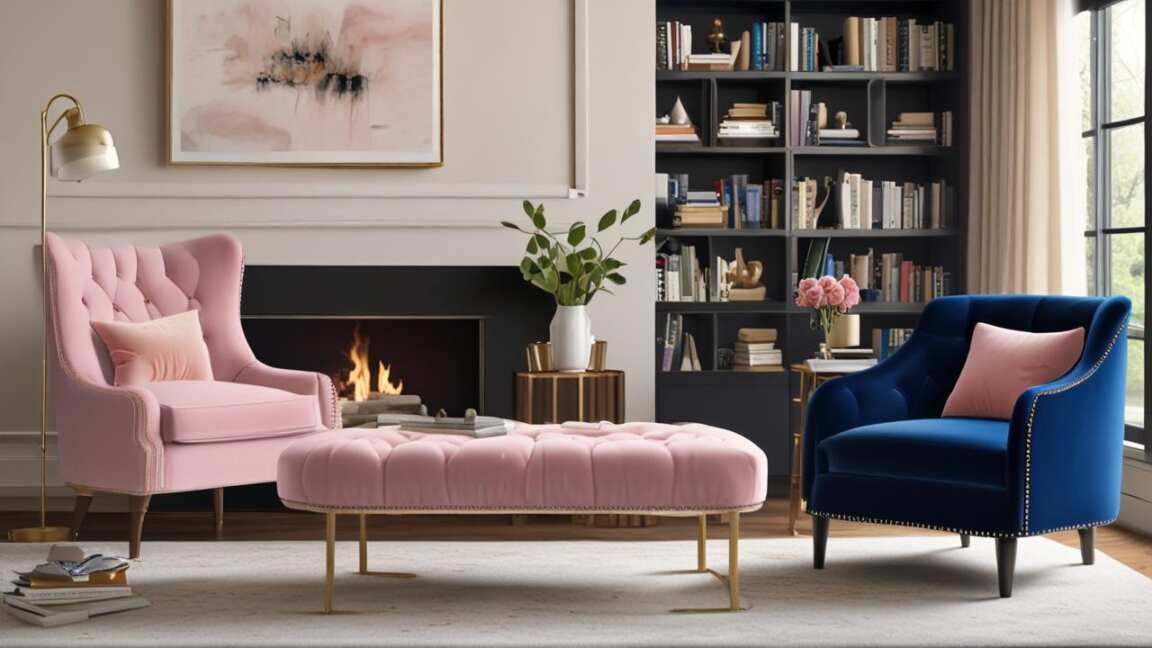
Quick Comparison Table
| Feature | Wingback Chair | Slipper Chair |
|---|---|---|
| Back Height | Tall (36-42 inches) | Low (24-30 inches) |
| Arms | Yes, upholstered | No arms |
| Typical Width | 28-35 inches | 22-28 inches |
| Best For | Reading, lounging, formal settings | Occasional seating, small spaces, modern decor |
| Price Range | $400 – $1,200+ | $200 – $800 |
| Style | Classic, traditional, or transitional | Modern, minimalist, mid-century |
According to interior design surveys, wingback and slipper chairs are two of the most popular accent chair styles in the United States. The American Home Furnishings Alliance reports that accent chairs make up over 30% of upholstered seating sales, with these two categories leading consumer searches.
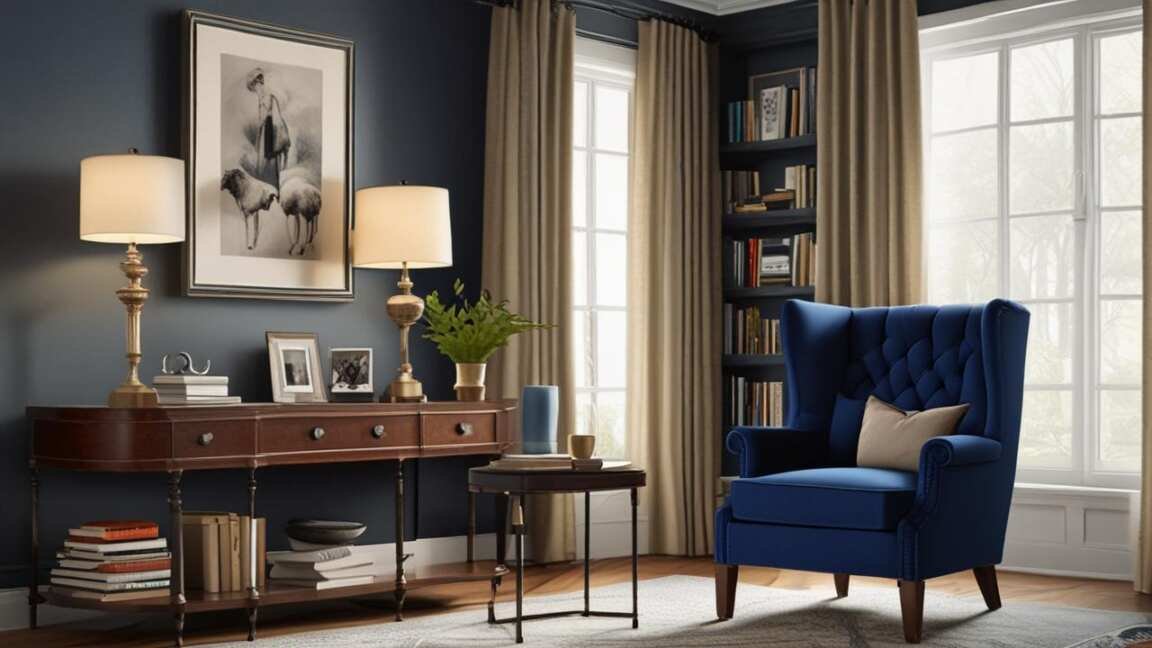
What Is a Wingback Chair?
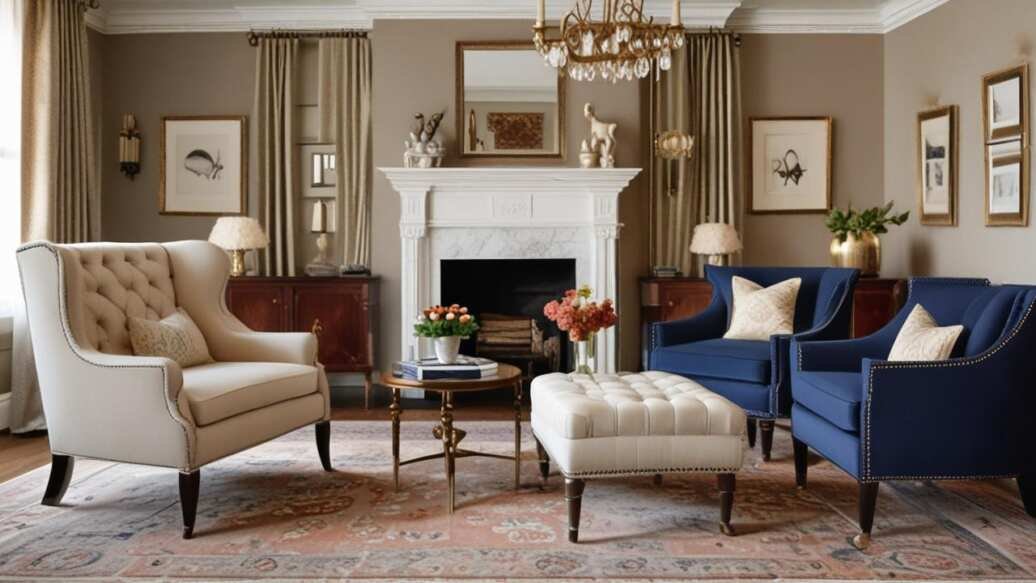
A wingback chair is a high-backed, upholstered armchair with distinctive side panels that curve outward from the top of the back. These panels, often called wings, originally blocked drafts from fireplaces in cold rooms. Modern wingback chairs keep this design for comfort and visual appeal.
Wingback chairs usually have padded arms that are the same height as the seat or slightly higher. The tall back supports your head and neck when you lean back. Many models include a separate cushion or tufted back for added comfort.
Key Features
- Side wings that extend forward from the back, creating a cocoon-like feel.
- Upholstered arms that provide a solid surface for resting your arms.
- Tall back that can reach 42 inches, offering full upper body support.
- Often made with hardwood frames and dense foam or spring-filled cushions.
Important: Wingback chairs are not just for formal living rooms. Many modern retailers now sell wingback chairs in linen, performance fabric, and leather that fit casual spaces.
What Is a Slipper Chair?
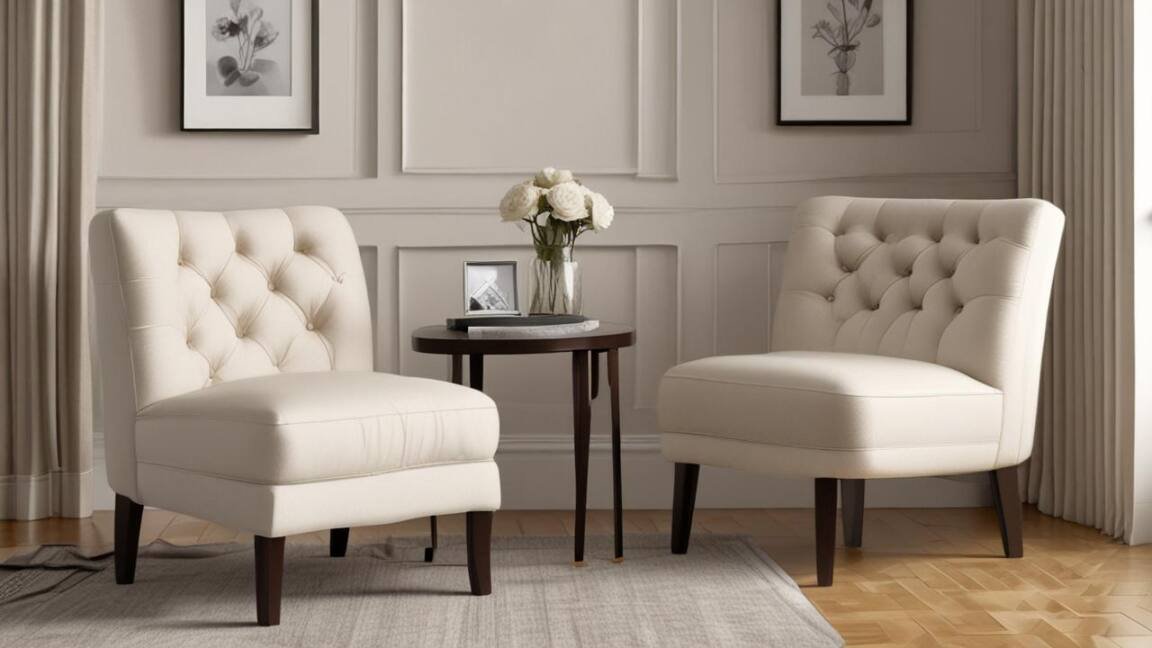
A slipper chair is a compact, armless accent chair with a low back that sits close to the floor. It gets its name from a design used in boudoirs where women would sit to put on slippers. Today, slipper chairs serve as lightweight, space-saving seating for multiple rooms.
Slipper chairs typically have a simple, straight back or a slightly curved back. They lack arms, which means they take up less visual and physical space. The seat height is usually similar to a standard dining chair, around 17-19 inches.
Key Features
- No arms, allowing the chair to fit into tight spots like corners or next to a fireplace.
- Low back that typically ends below the shoulder blades when seated.
- Lightweight frame that is easy to move from room to room.
- Commonly used as extra seating for guests, in bedrooms, or as a desk chair.
Tip: Slipper chairs pair well with round ottomans or side tables because the low back and lack of arms make the area feel open.
Head-to-Head Comparison: Wingback vs Slipper Chair
Comfort and Support
Wingback chairs offer more support for your back, neck, and arms. The tall back lets you lean your head back, and the wings provide side support that prevents you from slouching. Slipper chairs have no neck or arm support, which makes them less suitable for long sitting sessions.
According to the American Society of Interior Designers (ASID), 68% of designers recommend wingback chairs for reading areas because of their ergonomic benefits. Slipper chairs are chosen more for short-term seating, like in a waiting area or as a dining accent.
Space and Room Fit
Slipper chairs win on space savings. Without arms, they can be 10-15% narrower than a typical wingback chair. A slipper chair can fit into a 24-inch-wide gap, while most wingback chairs need at least 30 inches. If your living room is under 200 square feet, a slipper chair is often the better choice.
Wingback chairs demand more visual presence. They can make a small room feel crowded. But in a larger room, a wingback chair anchors a seating group and adds character. Interior designers sometimes use a wingback chair as a statement piece in a corner.
Style and Decor Compatibility
Wingback chairs lean traditional. You can find them in velvet, linen, leather, or tweed, but the silhouette stays classic. Slipper chairs work with modern, minimalist, mid-century, and even contemporary styles. Many slipper chairs feature tapered legs or metal accents that mimic mid-century designs.
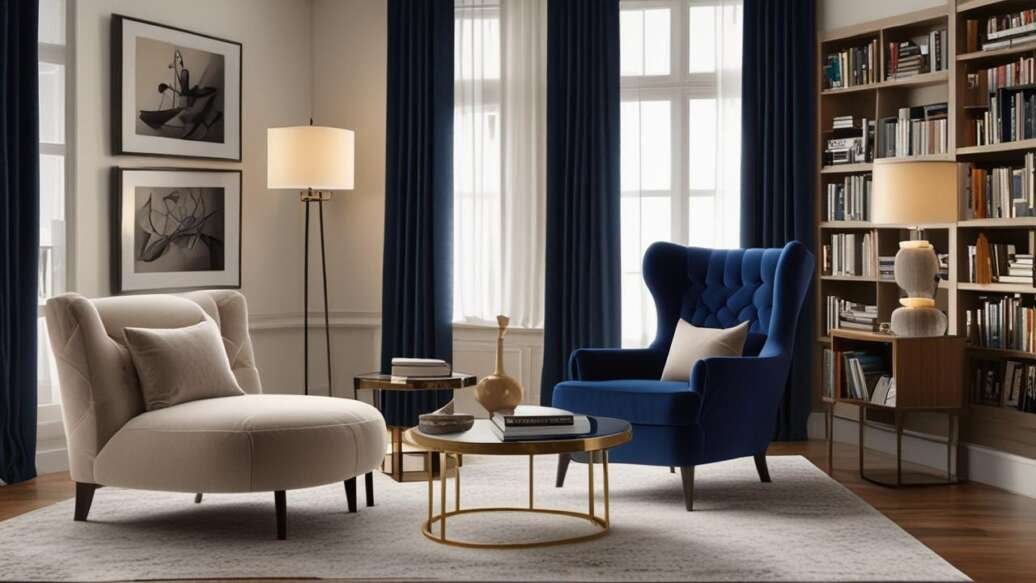
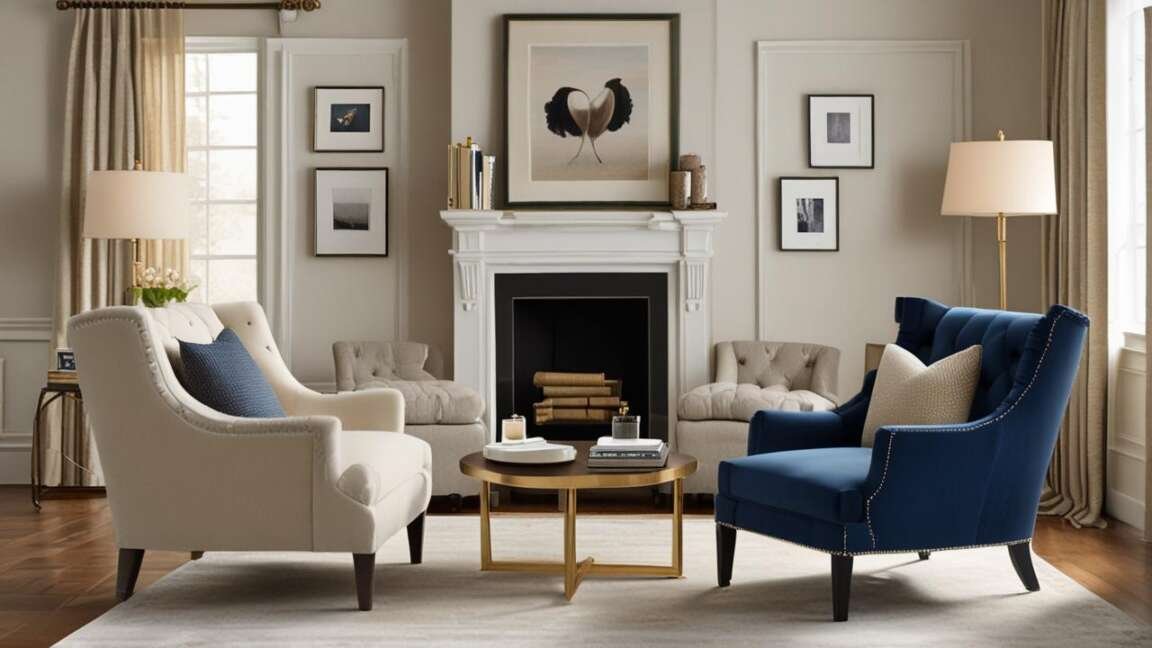
For a transitional living room, you can mix both styles. Use a wingback chair as the primary reading seat and a slipper chair as an occasional visitor seat. This creates variety without clashing.
Price and Durability
Wingback chairs cost more because they use more fabric, padding, and wood. A well-made wingback chair with a solid hardwood frame and high-density foam can last 10-15 years. Slipper chairs are cheaper, but you get less material. A good slipper chair lasts 5-8 years with regular use.
Wingback or slipper chair durability often depends on construction. Look for kiln-dried frames, eight-way hand-tied springs (for wingback), and high-resilience foam. Both should have removable cushion covers for cleaning.
Warning: Avoid slipper chairs with stapled or glued frames if you expect heavy daily use. The joints can loosen within a year.
Which One Should You Choose?
This decision comes down to three factors: room size, how you use the chair, and your preferred style.
- Choose a wingback chair if you have a room larger than 150 square feet, you want a cozy spot for reading, and you like traditional or classic decor.
- Choose a slipper chair if your room is smaller than 150 square feet, you need extra seating for guests, and you prefer a modern or minimalist look.
- If you have a medium-sized room (150-250 sq ft), consider one of each in complimentary fabrics. The contrast can work well.
According to Houzz, over 40% of living room shoppers consider arm support a top priority. Wingback chairs deliver that support. But if you rarely sit still and just want a place to perch, a slipper chair is simpler and cheaper.
Common Myths vs Facts
Myth 1: Wingback chairs are only for formal or traditional rooms.
Fact: Many wingback chairs now come in casual fabrics like cotton duck, performance polyester, and even leather that work in farmhouse, transitional, and contemporary spaces. The wingback shape can be updated with slim arms and a lower back in modern interpretations.
Myth 2: Slipper chairs are uncomfortable because they have no arms.
Fact: Slipper chairs can be very comfortable for short periods. Some models have plush cushioning and slight lumbar support. They are designed for occasional use, not all-day lounging. For a guest who sits through dinner or a short chat, they work fine.
Myth 3: Slipper chairs are only for small rooms.
Fact: Slipper chairs work beautifully in large rooms as accent pieces. You can place two slipper chairs opposite a sofa or use one as a desk chair in a home office. Their low profile does not block sight lines, which makes them versatile in any room size. The slipper chair characteristics discussed here are further detailed in the Wikipedia article.
Frequently Asked Questions
Which is better for reading: a wingback or a slipper chair?
A wingback chair is better for reading because it supports your back, neck, and arms. The high back and side wings help you relax without slouching. Slipper chairs lack neck support and arms, which leads to fatigue during long reading sessions.
Can I use a slipper chair as a desk chair?
Yes, many people use slipper chairs at desks because they slide easily under the surface and take up little space. Look for one with a seat height of 17-19 inches to match standard desks. Add a small lumbar pillow for back support.
Do wingback chairs fit in apartments?
Wingback chairs can fit in apartments if you measure the room first. They need at least 30 inches of width and 36 inches of depth. In a studio apartment, a single wingback chair can serve as a reading spot, but avoid placing it in a narrow hallway.
How do I clean a slipper chair?
Most slipper chairs have removable cushion covers that you can machine wash on gentle cycle. For non-removable covers, use a vacuum with an upholstery attachment and spot-clean with mild soap and water. Check the manufacturer’s care tag first.
What is the average price difference between a wingback and a slipper chair?
Wingback chairs typically cost 40-60% more than comparable slipper chairs. A mid-range wingback runs $500-800, while a quality slipper chair is $300-500. Higher-end custom pieces can double those figures, but the relative gap stays similar.
Important: Always check the return policy and delivery timeline before buying large furniture. Some online retailers offer free returns, but others charge a restocking fee for accent chairs.
Resources and Tools
To help you compare specific models, use these resources. Prices and availability change, so verify current options. Consult the furniture safety guidelines from the CPSC to ensure your chair choice is secure.
- Wayfair – Large selection of wingback and slipper chairs with customer reviews. Visit Site
- Interior Define – Customizable wingback chairs with a wide range of fabrics. Visit Site
- IKEA – Affordable slipper chairs like the STRANDMON or RÅDVIKEN. Visit Site
- American Society of Interior Designers – Professional guidance on furniture selection. Visit Site
Final Thoughts
Wingback chairs win on comfort and classic style, while slipper chairs win on space savings and modern versatility. Match your choice to your room size and how you actually sit during the day. Either chair can enhance your living room when you consider fabric, color, and placement carefully. For a deeper understanding of the wing chair history, you can explore its origins and evolution on Wikipedia.