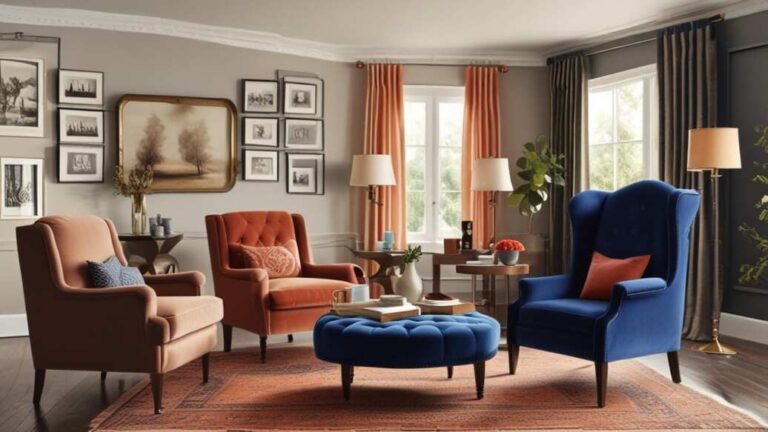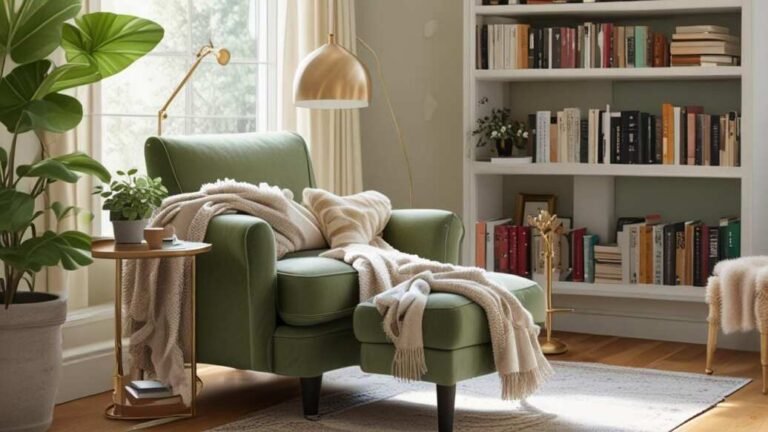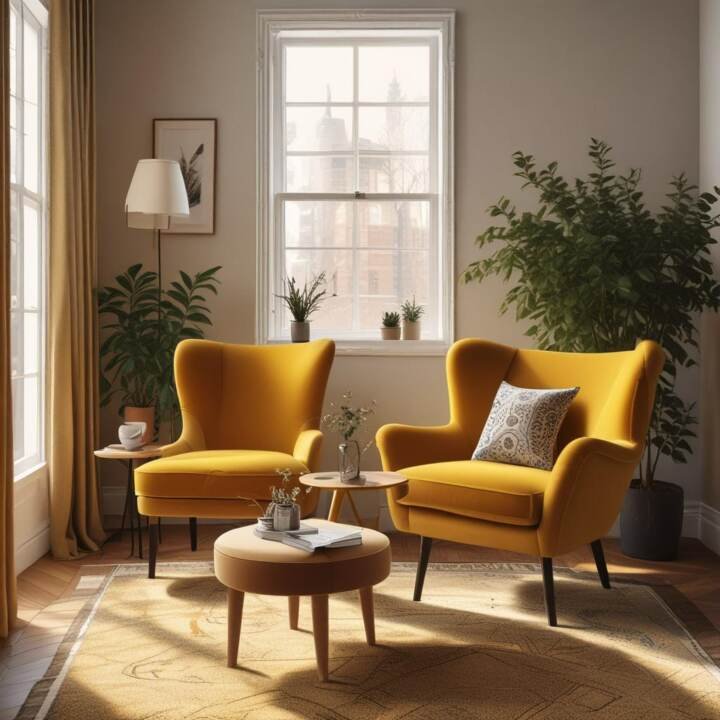

A wingback chair is the better choice for a reading nook when comfort, head and neck support, and a cozy enclosed feel are top priorities, whereas a slipper chair excels in limited spaces or for a lighter visual aesthetic. The decision ultimately depends on your nook’s dimensions and preferred reading posture. A wingback chair encourages good spinal alignment and reduces stiffness during long sitting sessions, while a slipper chair offers flexibility and easy movement.
You have found the perfect corner for a reading nook. Now you need the right chair. You are probably asking yourself: is a wingback or slipper chair better for a reading nook? This guide breaks down the differences to help you decide.
Quick Verdict: Simply put, a wingback chair is better for a reading nook if you prioritize comfort, head and neck support, and a cozy, enclosed feel. A slipper chair is better if you have limited space, prefer a lighter visual look, or need flexibility to move the chair around. The right choice depends on your nook’s size and your primary reading position.
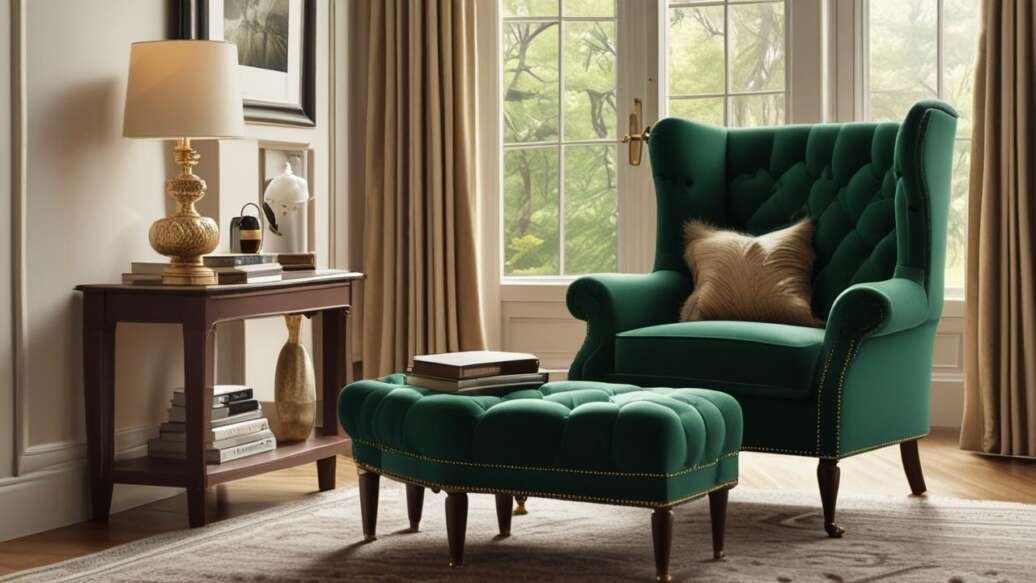
Wingback chairs are classic pieces of furniture. They have a high back and wings that extend from the back down to the armrests. These wings were originally designed to trap heat from a fireplace. Nowadays, they provide excellent head and neck support.
Wingback chairs are known for their tall, upright posture. They encourage good spinal alignment. According to the American Chiropractic Association, a chair with good neck support reduces the risk of stiffness during long periods of sitting.
These days, wingback chairs come in many styles. You can find modern wingback chairs with slim profiles. You can also find oversized models for deep relaxation. They anchor a room and create a strong visual statement.
Key Takeaways
- Wingback chairs provide excellent head and neck support due to their high backs and winged sides, making them ideal for long reading sessions.
- Slipper chairs have a lower profile and no arms, which makes them a space-saving choice for tight corners or small apartments.
- A wingback chair requires more floor space and has a higher visual weight, while a slipper chair offers more flexibility in placement.
- The best chair for a reading nook balances comfort with the physical dimensions of the space, and most experts recommend a deep seat for relaxation.
- Wingback chairs typically cost more than slipper chairs due to their larger size, complex upholstery requirements, and use of more materials.
What Is a Slipper Chair?
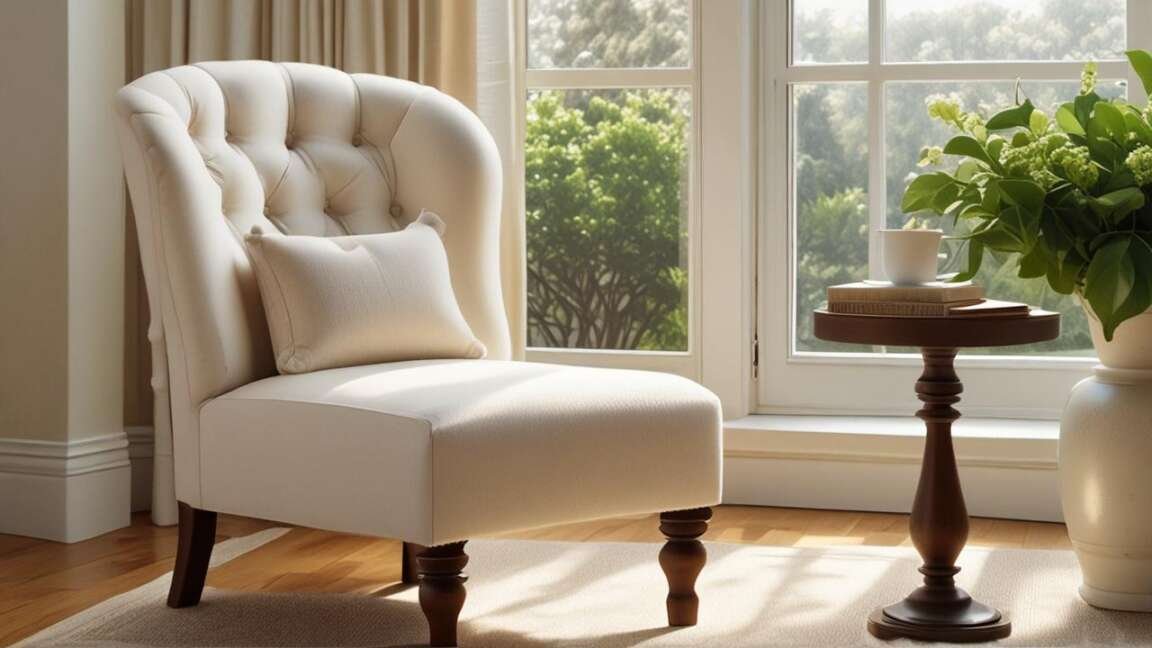
A slipper chair is an armless chair with a low back. It sits close to the ground. This design makes it appear lighter and less bulky than a wingback chair.
Slipper chairs were historically used in boudoirs and dressing rooms. Their lack of arms made it easier for women to put on shoes. Today, they are a popular choice for accent seating in living rooms and reading nooks.
According to the National Association of Home Builders, 48% of new home buyers prefer mixed seating arrangements. Slipper chairs fit perfectly into this trend because they complement larger sofas without dominating the room.
Slipper chairs offer a clean, modern look. They are easy to move. They work well in small apartments or tight corners where a wingback chair would feel too large.

Wingback vs Slipper Chair: Quick Comparison Table
This table helps answer is a wingback or slipper chair better for a reading nook by highlighting their core strengths side by side.
| Feature | Wingback Chair | Slipper Chair |
|---|---|---|
| Back Height | High (36-42 inches) | Low (24-32 inches) |
| Armrests | Yes (tall wings) | No (armless) |
| Seat Width | 30-36 inches | 22-28 inches |
| Best Use | Long, cozy reading sessions | Small spaces, accent seating |
| Price Range | $400 – $1,500+ | $150 – $800 |
| Support Level | High (head, neck, back) | Moderate (back only) |
| Visual Weight | Heavy, anchors the room | Light, easy to move |
Why Chair Choice Matters for a Reading Nook
Your chair is the most important piece of furniture in a reading nook. It determines your comfort level. It also defines the room’s style.
The American Home Furnishings Alliance reports that 62% of homeowners prioritize comfort above all else. A bad chair can ruin a good book. You need a chair that supports your body for long periods.
Important: A study by the Sleep Foundation found that 72% of people who read before bed do so to unwind. Ergonomic support is not a luxury. It is a key feature that keeps your neck and spine aligned while you relax.
The right chair turns a simple corner into your favorite room in the house. It invites you to sit down and stay a while. That is why the choice between a wingback and a slipper chair matters so much.
Head-to-Head Comparison
Comfort and Support
Wingback chairs win on support. The high back and wings give your head and neck a place to rest. This is great for sitting upright or leaning to one side. Slipper chairs offer less support. You can add a lumbar pillow, but you will not get the same neck support.
The American Chiropractic Association recommends a chair that supports the natural curve of the spine. A wingback chair does this naturally. A slipper chair requires you to be more conscious of your posture during long reading sessions.
Space and Size
Slipper chairs are better for small spaces. They have a smaller footprint. Their armless design makes them easy to fit into tight corners. Wingback chairs need more room. You need space for the wings and the high back.
A standard wingback chair requires at least 3 feet of wall space. A slipper chair can fit into a space that is just 2 feet wide. This makes a big difference in small apartments or cozy corners.
Style and Aesthetics
Both chairs offer distinct looks. Wingback chairs bring a classic, cozy feel. They work well in traditional and farmhouse styles. Slipper chairs have a modern, clean look. They fit better in contemporary and minimalist spaces.
You can find a wingback chair in leather for a library feel. You can find a slipper chair in a bold pattern to act as a statement piece. The choice depends on the mood you want to create in your nook. Houzz design trends show that 41% of homeowners now dedicate a specific area to a reading nook.
Budget
Slipper chairs are usually cheaper. Their simple design uses less fabric and labor. Wingback chairs cost more. The complex upholstery and larger frame drive up the price. You can find budget options for both, but slipper chairs are generally more accessible.
Expect to spend $150 to $800 on a quality slipper chair. A well-made wingback chair typically costs $400 to $1,500 or more. The extra cost buys you more materials and better support.
How to Measure Your Nook for the Perfect Fit
Getting the right fit is critical. Use these steps to measure your space before you buy.
- Measure the width. A standard wingback chair needs 32-36 inches. A slipper chair needs 24-28 inches. Add 10 inches for visual breathing room around the chair.
- Check the ceiling height. Wingback chairs can be 42 inches tall. Make sure the chair does not block a window or artwork on the wall.
- Consider the depth. Both chairs need 30-36 inches of floor depth. Add 18 inches if you plan to use a footstool or ottoman.
- Look at the entryway. Measure your door frames and hallways. A large wingback chair may be hard to move into the room without scraping the walls.
Slipper chairs have a clear advantage here. Their smaller frame and armless design make them easier to move around corners and through tight doorways.
Warning: Do not place a wingback chair in a nook that is too small. The high back and wings can make the room feel cramped and cluttered. Always measure the width of the wings before you make a purchase.

What Should You Look For in a Reading Nook Chair?
Comfort and space are the top priorities. Beyond that, you should look for specific features that improve your reading experience.
- Seat depth. A deep seat lets you curl up with your legs under you. A shallower seat keeps you upright and alert.
- Cushion fill. High-resiliency foam holds its shape for years. Down-feather blends feel soft but require regular fluffing.
- Fabric type. Performance fabrics resist stains and wear well. Velvet adds a touch of luxury and muffles ambient noise.
- Frame construction. Solid wood frames last longer than engineered wood. Kiln-dried hardwood is the best choice for long-term durability.
- Armrest height. If you choose a wingback chair, make sure the armrests are at a comfortable height for holding a book or a tablet.
Which One Should You Choose?
To decide is a wingback or slipper chair better for a reading nook, ask yourself these specific questions about your habits and space.
- Do you have a small nook or tight corner? Choose a slipper chair for its compact size and ease of movement.
- Do you need neck support for long reading sessions? Choose a wingback chair for its high back and winged sides.
- Do you want a modern, minimalist look? Choose a slipper chair with clean lines and a slim profile.
- Do you want a cozy, traditional feel? Choose a wingback chair with tufted upholstery and rolled arms.
- Do you plan to fall asleep in your chair? Choose a wingback chair for better head and neck support during naps.
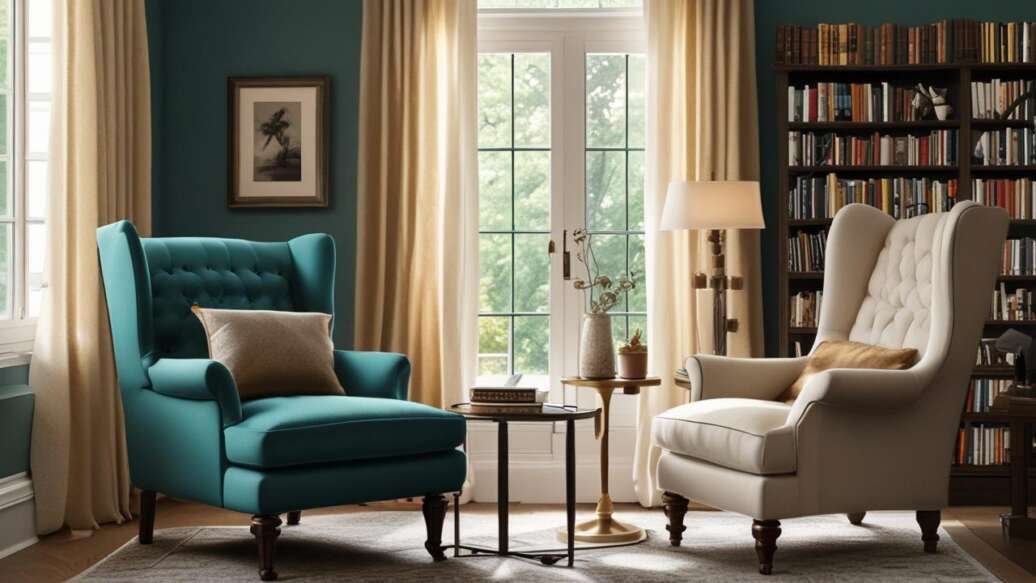
The answer depends on your personal space and habits. A wingback chair gives you a private cocoon. A slipper chair gives you flexibility and an open feel.
Common Myths vs Facts
Myth: Wingback chairs are old-fashioned and don’t fit modern decor.
Fact: Contemporary designers have reinvented the wingback chair. You can find modern wingbacks with clean lines, metal legs, and neutral upholstery that fit seamlessly into minimalist or mid-century modern spaces.
Myth: Slipper chairs are only for stylish showrooms, not practical for daily use.
Fact: Slipper chairs are highly practical. Their armless design makes them easy to get in and out of. Their lightweight frame allows you to move them around the house for different uses, from reading to conversation.
Myth: You need a large budget to get a comfortable wingback chair.
Fact: While high-end wingback chairs can cost over $1,000, many retailers offer affordable options with good construction. Look for solid wood frames and high-resiliency foam cushions in the $400-$700 range for a good balance of comfort and value.
Pro Tips for Your Perfect Reading Nook
- Add a side table. You need a place for your coffee, glasses, and book. A small round table works best with slipper chairs. A larger square table complements the scale of a wingback chair.
- Use a floor lamp. Overhead lights are too harsh for reading. A floor lamp directs light onto your page. An adjustable arc lamp works well over a wingback chair.
- Choose the right fabric. Performance fabrics resist stains and wear. Velvet adds a luxurious feel and helps absorb sound in a quiet room. Cotton blends are breathable and easy to clean.
- Layer the textures. Add a throw blanket and a decorative pillow. This makes any chair feel warmer and more inviting, encouraging you to use the nook daily.
- Consider a footstool. An ottoman or footstool improves blood flow during long reading sessions. Wingback chairs pair perfectly with a matching ottoman for a complete set.
Tip: If you are still unsure, try both styles in a store. Sit in a wingback chair for 10 minutes. Then sit in a slipper chair for 10 minutes. Your body will tell you which one feels best for long reading sessions.

Resources and Tools
Use these resources to find the perfect chair for your reading nook. Slipper chairs are armless and often lower to the ground, making them ideal for small spaces.
- Houzz – Browse thousands of reading nook photos for style inspiration and layout ideas. Visit Site
- Wayfair – Compare wingback and slipper chairs with user reviews and detailed dimensions for online shopping. Visit Site
- Consumer Reports – Check upholstery durability ratings and frame construction reviews before you buy. Visit Site
- American Home Furnishings Alliance – Learn about quality standards and safety certifications for furniture manufacturing. Visit Site
Frequently Asked Questions
Can you read comfortably in a slipper chair for long periods?
Yes, but it depends on the chair’s cushion density and your posture. Slipper chairs with high-density foam and a slightly reclined back can be comfortable for 1-2 hours. Adding a lumbar pillow improves lower back support significantly for longer sessions.
What is the ideal height for a reading chair?
The ideal seat height is between 16 and 20 inches from the floor. This allows you to keep your feet flat on the floor while reading. Flat feet improve circulation and reduce pressure on your lower back during long sitting periods.
Do wingback chairs fit in small reading nooks?
Wingback chairs can fit in small nooks, but you need to measure carefully. Look for “petite” wingback models that offer a narrower seat width of 28-30 inches. Standard wingback chairs range from 32-36 inches wide.
What type of fabric is best for a reading nook chair?
Performance fabrics like microfiber, polyester blends, or treated cotton are best. These fabrics resist stains and wear well over time. For a luxurious feel, velvet is a popular choice that also muffles sound in a quiet room.
Is a slipper chair or wingback chair easier to reupholster?
A slipper chair is generally easier and cheaper to reupholster. Its simple, armless frame requires less fabric and labor. Wingback chairs have complex wings and back panels that require more skill and time to upholster properly.
Final Thoughts
The best reading nook chair creates a sense of personal comfort and supports your body during long hours with a book. Wingback chairs deliver the ultimate cocoon-like experience. Slipper chairs offer simplicity and flexibility for smaller spaces. Focus on the chair that fits your physical space and encourages you to read more.
You can learn more about safety certifications from the Consumer Product Safety Commission.