

A sectional typically needs replacement if the frame is broken or the plywood is split, but many other issues—such as sagging cushions, torn fabric, or loose joints—can be fixed with simple, cost-effective repairs. Identifying whether the problem is structural or cosmetic is the crucial first step, as a thorough inspection of the frame and springs will save money and prevent unnecessary waste. Replacing foam cushions and tightening loose joints are two of the most affordable repairs, while professional reupholstering can be cheaper than buying a new high-end sectional.
Your sectional does not have to be replaced just because a cushion sags. A wobbly leg or a torn seam is often a quick fix.
This guide helps you decide between a simple repair or a full replacement. You will save money and avoid unnecessary waste.
In short, most sectional issues fall into two categories: cosmetic flaws and structural failures. Loose cushions, torn fabric, or broken zippers are simple repairs. A broken frame, collapsed springs, or severe foam degradation often requires a full replacement. A careful inspection of the frame and springs is the best way to know for sure.
Key Takeaways
- A sectional with a broken frame or split plywood usually needs full replacement.
- Replacing foam cushions and tightening loose joints are two of the most cost-effective repairs.
- Professional reupholstering is often more affordable than buying a high-end new sectional.
- Sagging springs can be individually retied or replaced without removing the entire piece.
- You can fix most water damage on a frame, but mold inside the cushions means you must discard them.
How to Tell If Your Sectional Frame Is Broken
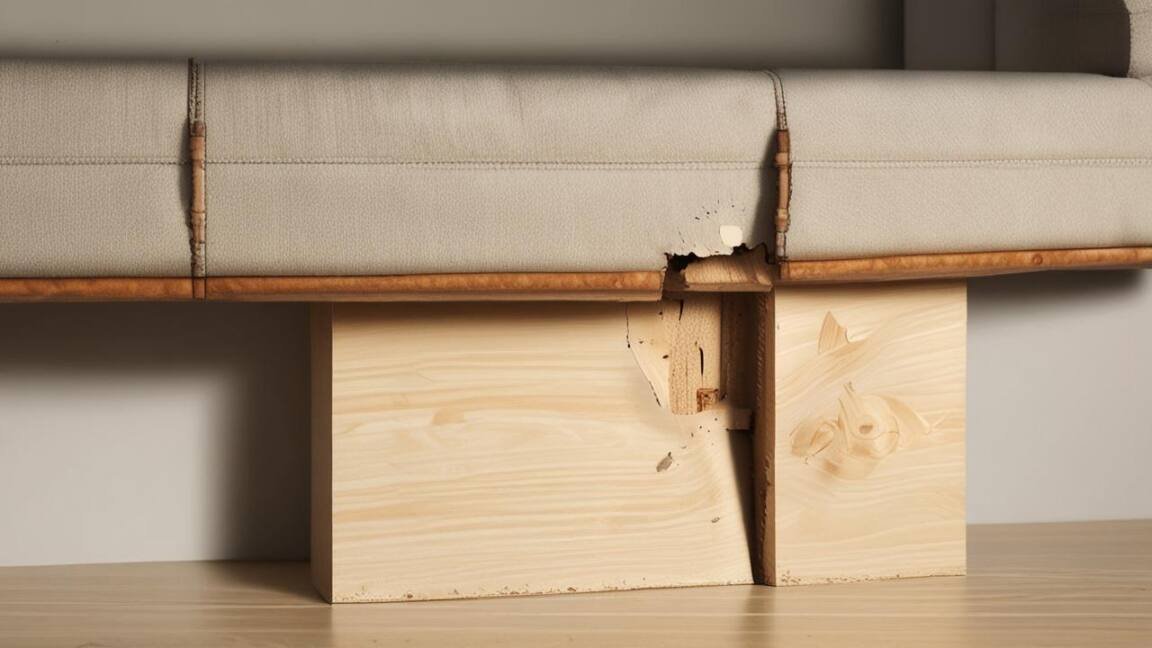
The frame is the backbone of your sectional. A strong frame means a repairable couch. A broken frame often means it is time to shop for a new one.
Start by removing all the cushions. Flip the sectional on its side if you can. Look at the corner joints where the arms meet the seat deck.
Press down firmly on the deck. If you feel movement or hear cracking, the frame is compromised. A solid frame will feel rigid and silent under pressure.
Warning: Do not sit on a sectional with a visibly split frame. It can collapse suddenly and cause injury. Mark the damaged area with tape and assess your options carefully.
Check the metal connectors that hold the sections together. These parts are easy to replace and often the cause of wobbling. According to the, a loose connector is one of the most common and fixable issues in modern sectionals.
Inspect the plywood panels under the seat. Press on them with your thumb. Soft or splintering wood means the panel needs professional replacement. Solid plywood is a good sign that the couch has years of life left.
- Remove all cushions and pillows from the sectional.
- Lift the sectional slightly from one corner and feel for wobbles.
- Check the corner blocks for cracks or separated glue joints.
- Press down on the seat deck to test for spring noise or sagging.
- Look under the fabric skirt for exposed wood splinters or broken staples.
What Is the Most Cost-Effective Repair for a Sectional?
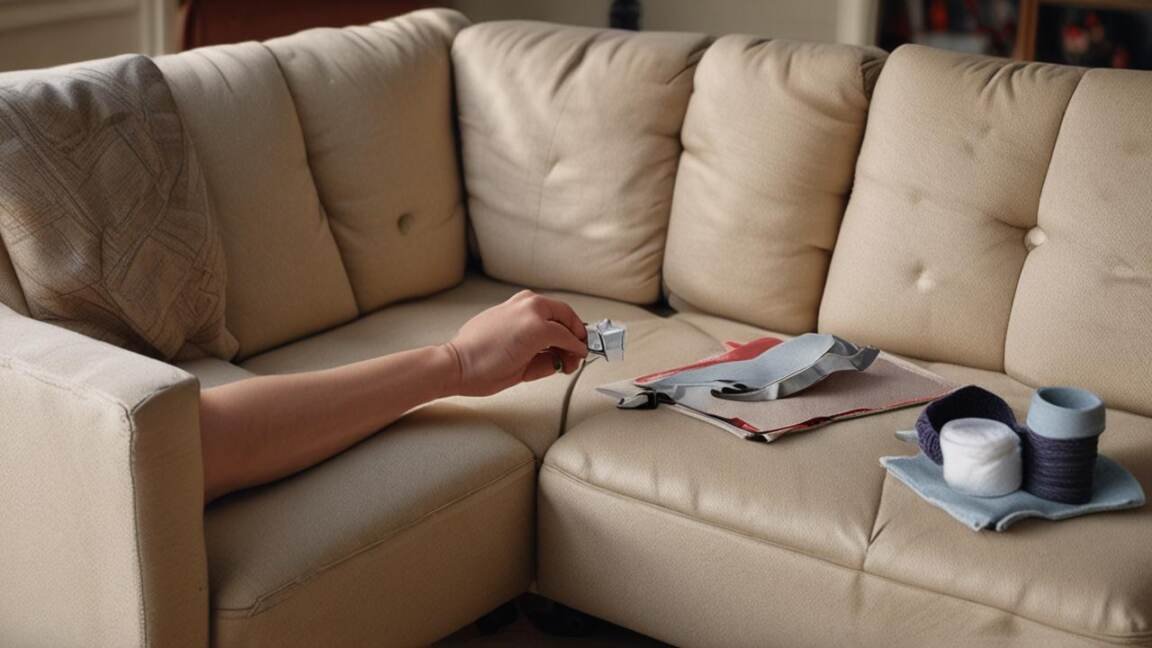
Replacing the foam cushions is the best value. You get a brand new sitting experience without buying a whole couch. The average cost to refoam a three-seat sectional is under $300.
High-quality foam from a local upholstery shop lasts another 5 to 10 years. You can also buy pre-cut foam online from retailers like. This saves you the cost of a new sectional which often runs $2,000 or more.
Another cheap fix is tightening the bolts and screws. A simple screwdriver and a hex key set can fix a wobbly sectional in under 10 minutes. Loose joints are the number one reason people think their couch is broken.
Tip: Use a cordless drill with a hex bit to tighten all exposed bolts every six months. This prevents wood from wearing out around the screw holes and extends the life of the frame significantly.
Zipper replacements are also cheap. A local tailor can install a new zipper on a cushion cover for about $20. This is much cheaper than buying new covers which often cost over $100 each.
The that Americans throw away over 9 million tons of furniture each year. Doing simple repairs keeps your sectional out of the landfill and saves you hundreds of dollars.

When a Repair Makes More Sense
Not every problem needs a new couch. Many issues are easy to fix with basic tools or a short visit to a professional. Here are the scenarios where repair is the smart choice.
Good Frame, Bad Cushions
If the frame is solid but the cushions are flat, you have an easy win. Foam breaks down after 5 to 10 years of daily use. The fabric and springs are often still in excellent shape.
- Replace foam inserts for a plush feel again.
- Add a layer of polyester fiber wrap for extra softness.
- Order custom foam from an online cutter using your old cushions as a template.
Torn Fabric, Solid Structure
A single tear on an armrest does not require a full reupholstery job. You can patch small holes with iron-on fabric adhesive. For larger tears, a professional can reupholster just the affected section.
Some manufacturers sell replacement covers for specific sectional models. Brands like offer a large selection of fabric options for their existing frames. This allows you to change the look of your couch without rebuilding it.
Broken Springs or Webbing
Sagging springs are a common problem that is easy to fix. A professional can retie serpentine springs in about 30 minutes. Replacing the elastic webbing under the seat is also a simple job.
The cost to replace springs is around $100 to $200. This is much lower than the price of a new sectional. Springs usually break because of heavy use, not because the couch is old.
When You Absolutely Need a New Sectional
Some damage is too extensive to repair. Throwing more money at a dying couch is a waste of time and resources. You need to accept when it is time for a fresh start.
Split Plywood or Broken Frames
If the plywood base is split in half, the couch is unsafe. Welding a steel frame is possible but often costs more than a new sectional. Wood frames that are cracked in multiple places cannot hold screws anymore.
You can check this by lifting the couch. If the whole frame twists or bends, it is finished. Patching a broken frame with glue and screws usually fails after a few months because the wood is already fatigued.
Important: The recommends checking the warranty on your sectional before making a decision. Some high-end manufacturers offer 10-year warranties on frames and springs. You may get a free replacement part.
Persistent Odors and Mold
Mold inside foam cushions is a health hazard. You cannot fully remove mold from foam. It grows deep inside the open cells and comes back even after cleaning.
If your sectional smells musty or you see black spots under the cushions, throw it away. Mold exposure can cause allergies and respiratory issues. Do not try to save foam that has been water damaged.
Severe Foam Degradation
If the foam has turned into dust, your sectional is beyond saving. Foam that crumbles when you touch it cannot support any weight. Replacing all the foam and the fabric is almost the same cost as buying a new budget sectional.
In this case, the frame is often also worn out. The combination of bad foam, torn fabric, and a loose frame is a clear sign of total failure.

Comparing Repair vs. Replacement Costs
| Issue | Average Repair Cost | Average Replacement Cost | Best Decision |
|---|---|---|---|
| Sagging Cushions | $100 – $300 | $1,500 – $4,000 | Repair |
| Broken Frame | $200 – $500 | $2,000 – $6,000 | Replace if severe |
| Torn Upholstery | $50 – $200 (patch) | $2,500 – $5,000 | Repair |
| Broken Springs | $100 – $250 | $2,000 – $5,000 | Repair |
The table above shows that repair is almost always cheaper. Only a severely broken frame pushes the value toward replacement.

Common Myths vs. Facts About Sectional Repairs
Many people throw away good sectionals because they believe common myths. Let us look at the truth behind these beliefs.
Myth 1: A Squeaky Sectional Is Broken Beyond Repair
Fact: Squeaks almost always come from loose bolts or wood rubbing on wood. Tightening all the connectors with a hex key usually stops the noise. You can also add a drop of wood glue to loose corner joints for a permanent fix.
Myth 2: Reupholstering Always Costs More Than Buying New
Fact: Reupholstering a high-quality frame costs 30% to 50% less than buying a comparable new sectional. According to the, reupholstering is the best route if your frame is solid and you plan to keep the couch for another 10 years.
Myth 3: You Must Replace Both Cushions If One Is Bad
Fact: You can order a single replacement cushion from most manufacturers. Foam sellers can also cut a single piece to match your specific size. Only replace the cushion that is actually worn out.

Pro Tips for Extending the Life of Your Sectional
Small habits make a big difference in how long your sectional lasts. Follow these tips to delay the need for any major repair or replacement. Rotating cushions weekly is a key method for extending the life of your sectional, as explained in Wikipedia's upholstery article.
- Rotate and flip your cushions every month to distribute wear evenly.
- Vacuum under the cushions weekly to remove crumbs and dust that wear down fabric.
- Keep your sectional out of direct sunlight to prevent fabric fading and foam breakdown.
- Tighten all exposed bolts and screws every six months with a hex key set.
- Use a fabric protector spray to repel spills and stains on new or existing couches.
Frequently Asked Questions
How do I know if my sectional frame is broken?
Lift the sectional from one corner and see if the whole frame twists. Press on the seat deck and listen for cracking noises. Visible splinters or separated joints under the couch also indicate a broken frame.
Can I replace just the foam in my sectional cushions?
Yes, replacing the foam is a standard repair. You can buy pre-cut foam from online retailers or have a local shop cut it for you. This costs between $100 and $300 and makes the couch feel brand new.
Is it worth reupholstering a sectional?
It is worth it if the frame is solid and you love the shape of the couch. The average reupholstery cost is $1,200 to $3,500. This is cheaper than a new high-end sectional which costs $4,000 or more.
What tools do I need to tighten a loose sectional?
You need a hex key set and a screwdriver. Most sectionals use hex bolts for the frame connectors and Phillips screws for the legs. A cordless drill with the right attachments makes the job faster.
How long should a good sectional last?
A high-quality sectional with a hardwood frame and high-density foam lasts 10 to 15 years. The states that most well-built sofas have a lifespan of 7 to 15 years with normal use.
Final Thoughts
Telling the difference between a broken frame and a worn cushion saves you time and money. Inspect the structure first, then decide if a repair is worth it. Most sectionals only need a few simple fixes to feel brand new again. Always consider safety from the CPSC when deciding on furniture repair or replacement.