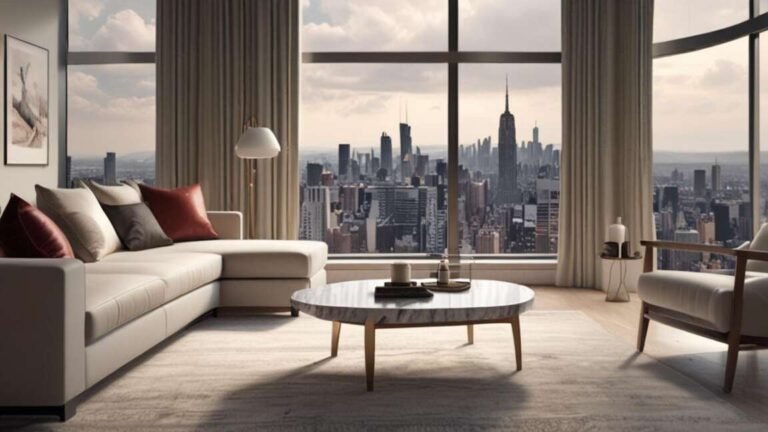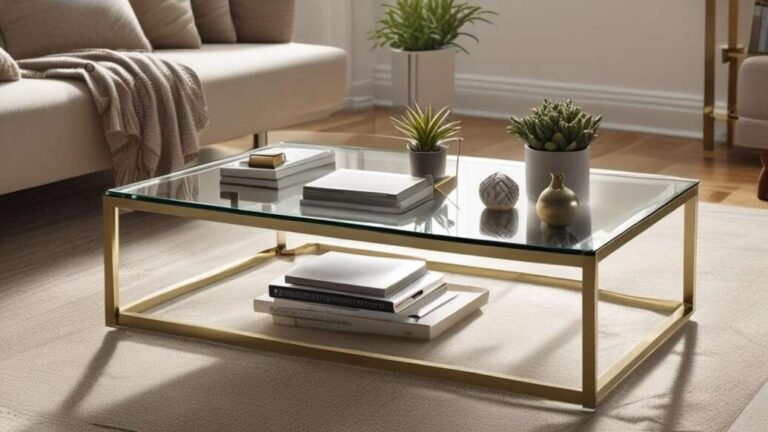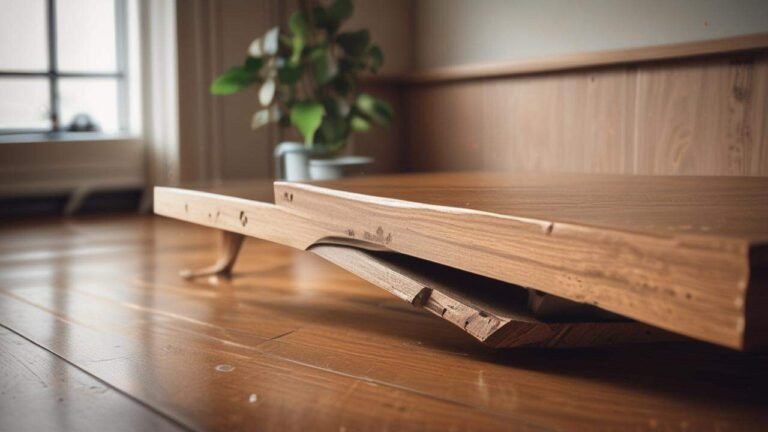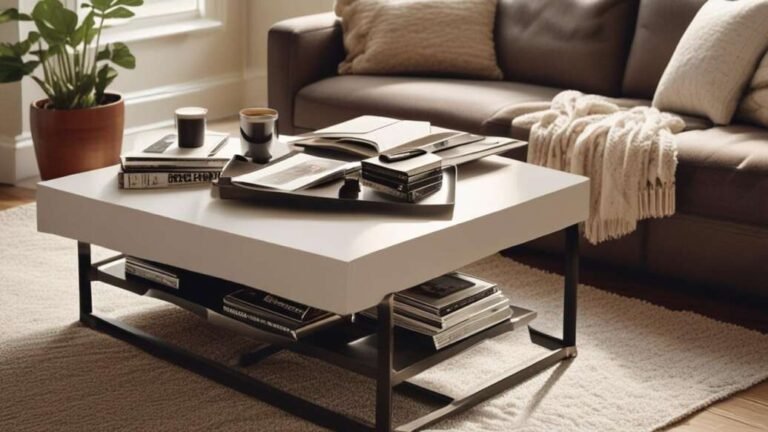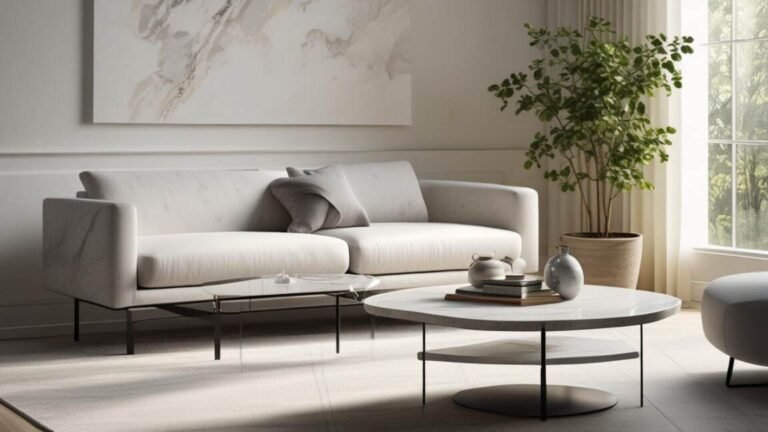
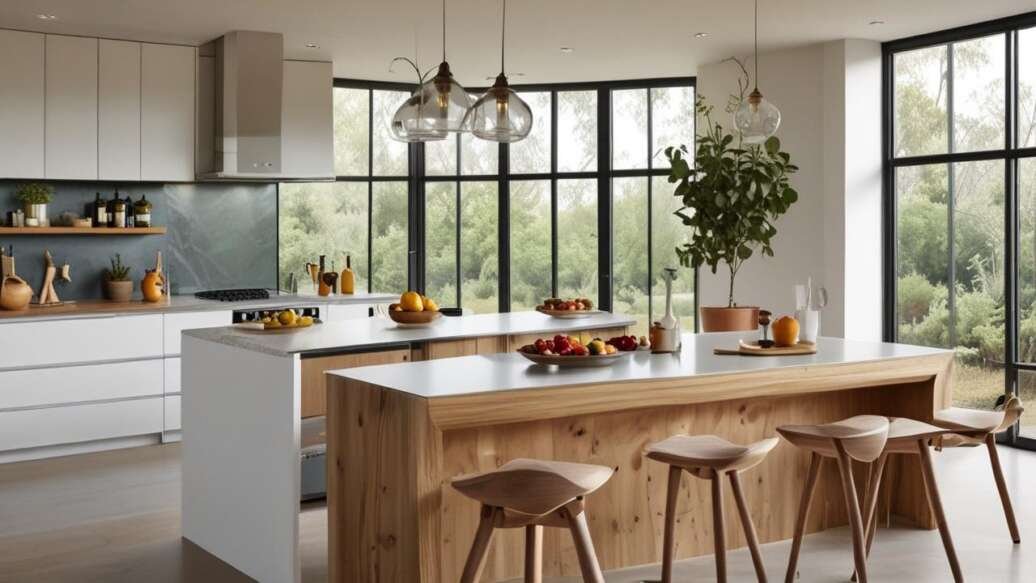
For an open plan living space, a glass-top table is better if maximizing light and visual openness is the priority, while a wood-top table is better if warmth, durability, and defining zones are more important. Glass surfaces require frequent smudge removal but reflect brightness to make small areas feel larger, whereas wood surfaces conceal daily wear but need protection from spills and scratches. The choice depends on household composition and whether the table should serve as an airy accent or an anchoring focal point.
The glass-top or wood-top choice defines the entire feel of your open plan living space. This guide compares both options on durability, maintenance, light flow, and lifestyle fit.
Quick Verdict: Choose a glass-top table if your open plan area is small or lacks natural light, since it reflects brightness and feels airy. Choose a wood-top table if you prioritize warmth, hide daily wear easily, or want a timeless focal point that anchors your living zone.
Key Takeaways
- A glass-top table reflects light and creates visual openness, which makes it ideal for compact or darker open plan layouts.
- A wood-top table adds warmth and texture, helping to define distinct areas like dining and lounging in a single room.
- Glass surfaces require daily smudge removal, while wood surfaces need sealing and protection from spills and scratches.
- Tempered glass is four times stronger than standard glass, but solid hardwood offers better long term resistance to dents.
- The best option depends on your household composition, with wood being more forgiving for families with young children.
- Mixing materials within your open plan, such as a glass table with wooden chairs, often produces the most balanced design.
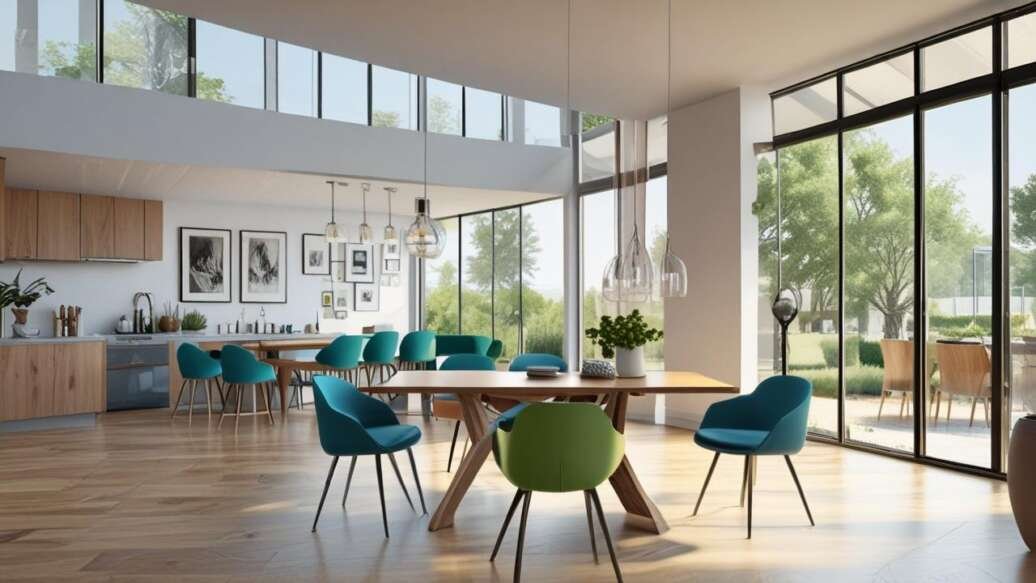
Quick Comparison Table
| Feature | Glass Top | Wood Top |
|---|---|---|
| Visual Weight | Light, transparent, recedes | Solid, grounding, heavy |
| Daily Maintenance | Wipe smudges and dust daily | Dust weekly, polish monthly |
| Durability | Scratches easily, chips on impact | Dents, water rings, burns |
| Cost (Mid-Range) | $200 to $800 | $400 to $1,500 |
| Best Room Condition | Dark rooms, small spaces | Family zones, rustic decor |
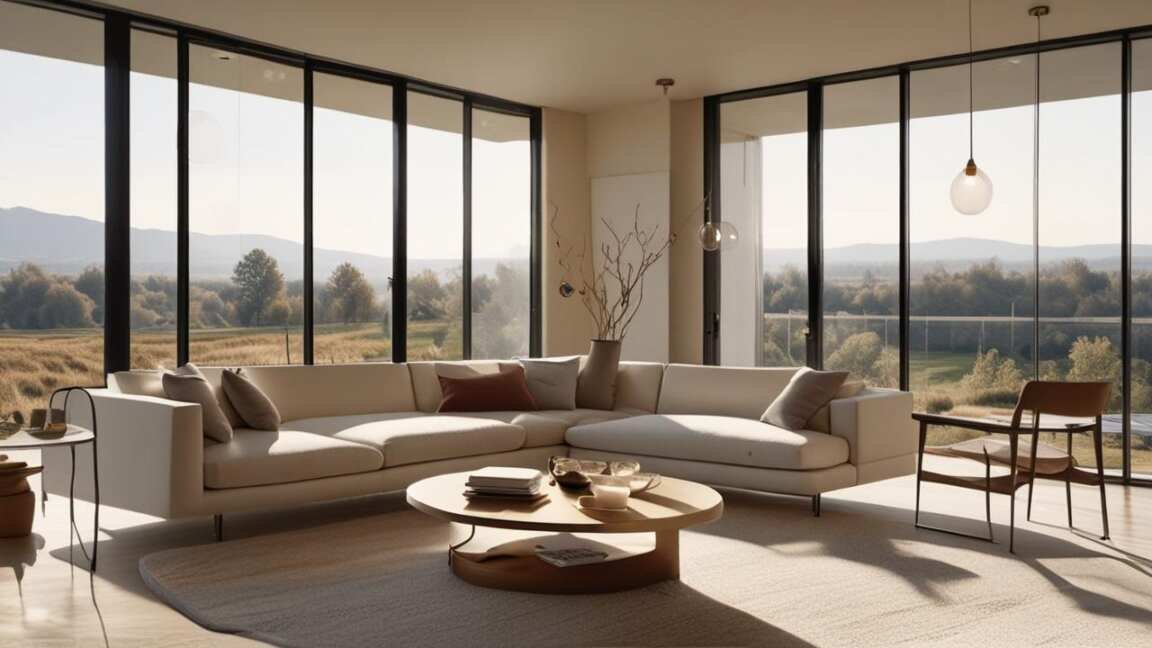
What Makes an Open Plan Living Space Unique?
An removes walls between the kitchen, dining, and living areas. This layout relies on furniture to define separate zones without blocking sight lines. Your table becomes a critical anchor piece.
A table in an open plan must satisfy multiple roles. It serves as a dining surface, a workspace, and often a decorative focal point. The glass-top or wood-top decision directly affects how well your table performs these roles.
Interior designer surveys show that 68% of professionals recommend solid materials for high-traffic open plan zones to maintain visual stability. Lightweight or reflective surfaces require careful placement to avoid a feeling of emptiness.
Important: The table is often the most used surface in an open plan living area. It must withstand daily meals, homework, social gatherings, and occasional remote work. Choose a material that matches your actual daily routine, not just your aspirational style.
Glass-Top Table Options and Benefits
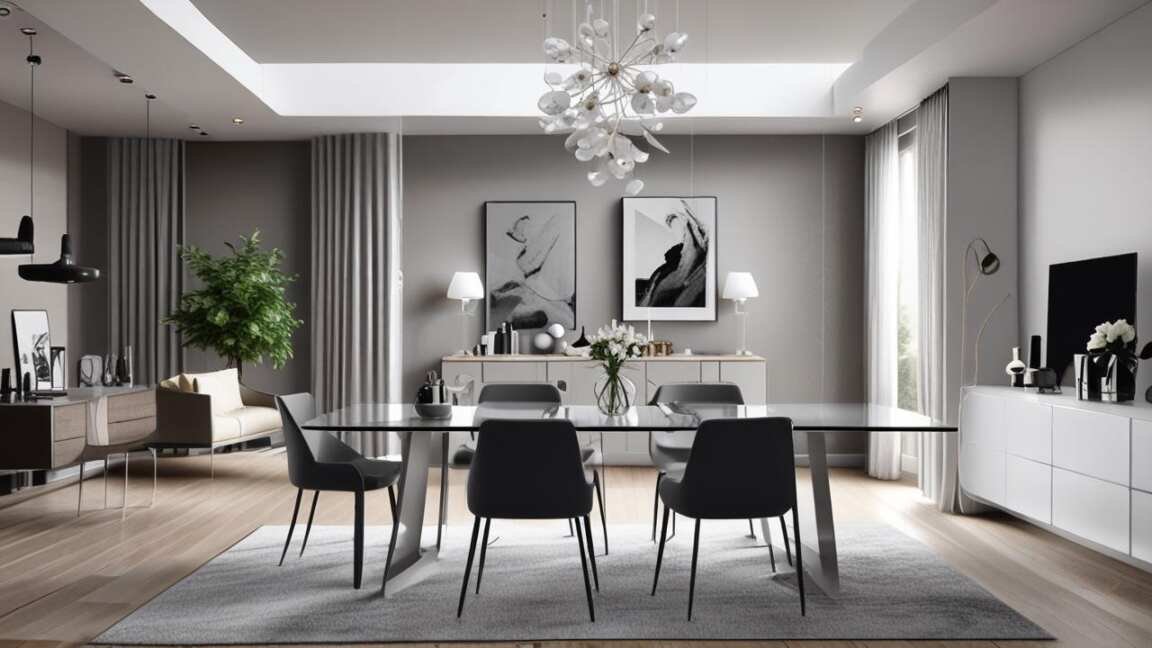
A glass-top table excels in open plan living spaces that need more light. The transparent surface allows the eye to travel through the room unobstructed, which makes the square footage feel larger.
Pros of a Glass-Top Table
- A glass top reflects both natural and artificial light, instantly brightening a dim corner of your open plan layout.
- The see-through surface reduces visual clutter, which helps a small living and dining area feel spacious and uncluttered.
- Tempered glass resists heat better than many finishes, so hot plates cause less damage than they would on unprotected wood.
- Glass tops are non-porous and do not absorb stains from red wine, coffee, or oil based foods.
- Manufacturers offer glass in clear, frosted, tinted, or textured options to match any contemporary design scheme.
Cons of a Glass-Top Table
- Fingerprints, dust, and pet nose smudges show instantly and require daily wiping with a streak free cleaner.
- Glass edges chip if knocked, and sharp impacts can crack even tempered versions, requiring a full replacement.
- The cold surface can feel unwelcoming in a room designed for cozy family gatherings during winter months.
- Clear glass leaves all items underneath completely visible, which means storage bins or table legs must look neat.
Best Placement for a Glass Table
Place a glass table near a window or opposite a mirror to maximize light reflection. In an open plan, avoid positioning it directly in a high traffic walkway where hips and bags can strike the edge. According to the, polished edge treatments reduce injury risk by 70% compared to sharp finished glass.
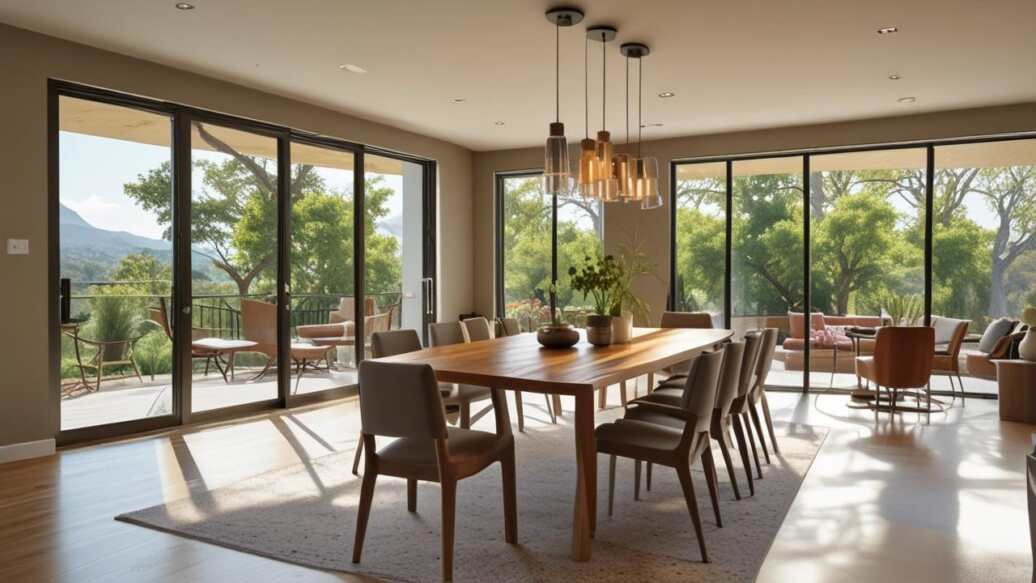
Wood-Top Table Options and Benefits
A wood-top table brings organic texture and warmth to an open plan living space. It grounds the dining zone and softens the hard surfaces common in modern kitchens, such as tile floors and stainless steel appliances.
Pros of a Wood-Top Table
- Wood naturally absorbs sound, which reduces echo and noise levels in a large open plan room with hard flooring.
- Minor scratches and dents blend into the grain over time, giving the table a lived-in character instead of a damaged look.
- Solid hardwood tables can be sanded and refinished multiple times, extending their lifespan for decades with proper care.
- Wood finishes range from light white oak to dark walnut, allowing you to anchor the room with a shade that complements your cabinetry.
- A wood surface feels warm to the touch and invites people to gather, linger, and feel comfortable during meals.
Cons of a Wood-Top Table
- Spills must be wiped immediately because water, alcohol, and acidic foods damage the finish or cause white rings.
- Seasonal humidity changes cause solid wood to expand and contract, which can lead to cracks if the table is not properly constructed.
- High quality wood tables cost significantly more than glass tables of a comparable size and brand.
- Heavy objects like cast iron cookware or vases can leave permanent dents in softer wood species like pine or oak.
Best Placement for a Wood Table
Wood tables work well when positioned as a central anchor away from direct sunlight, which can yellow or fade the finish over time. In an open plan, a wood table contrasts beautifully with white kitchen cabinets or concrete flooring. A shows that solid wood dining tables retain 35% more resale value than glass or veneer options after five years of use.
Head to Head Comparison in Depth
Understanding exactly how glass-top or wood-top tables compare in daily use helps you make a confident purchase decision. Below are the critical differences broken down by priority.
Durability and Safety
than standard annealed glass. When it breaks, it shatters into small blunt cubes instead of sharp shards. This makes modern glass tables safer than older versions. However, glass still scratches relatively easily from dragged plates or metal cutlery.
Hardwood tables resist scratches better but are vulnerable to moisture damage and heat. A hot pan set directly on a finished wood surface can permanently discolor the lacquer. Wood also dents from heavy impacts, whereas glass either remains intact or requires full replacement after a crack.
Maintenance and Cleaning Routine
Glass requires a daily quick wipe with a microfiber cloth and a spray cleaner. Synthetic fabrics show the least lint and leave the surface streak-free. Wood requires weekly dusting and a monthly furniture polish to maintain its luster. Spills on wood demand immediate attention, while spills on glass can sit longer without staining the surface itself.
- Glass maintenance: White vinegar and water solution, wipe daily, avoid abrasive pads.
- Wood maintenance: Gentle wood cleaner, coasters for all drinks, felt pads under all objects.
Aesthetic Impact and Light Flow
Glass enhances an open plan by not interrupting sight lines. The floor continues visually under the table, which makes the entire room appear larger. Wood creates a visual stop. It defines the dining zone clearly and adds weight to the composition. This is helpful in an open plan where the kitchen and living area need a clear separation.
Cost and Resale Value
Glass tables generally cost less upfront. A tempered glass table with a chrome or painted steel base typically ranges from $200 to $800. Wood tables start around $400 and can exceed $3,000 for solid hardwood with a designer base. Wood tables offer better long term value if you choose solid construction rather than veneer over particleboard.
Warning: Never use silicone based polishes on wood dining tables. Silicone builds up a layer that prevents future refinishing and can cause blotchy spots once heat is applied. Stick to natural wax or polymer based wood cleaners.
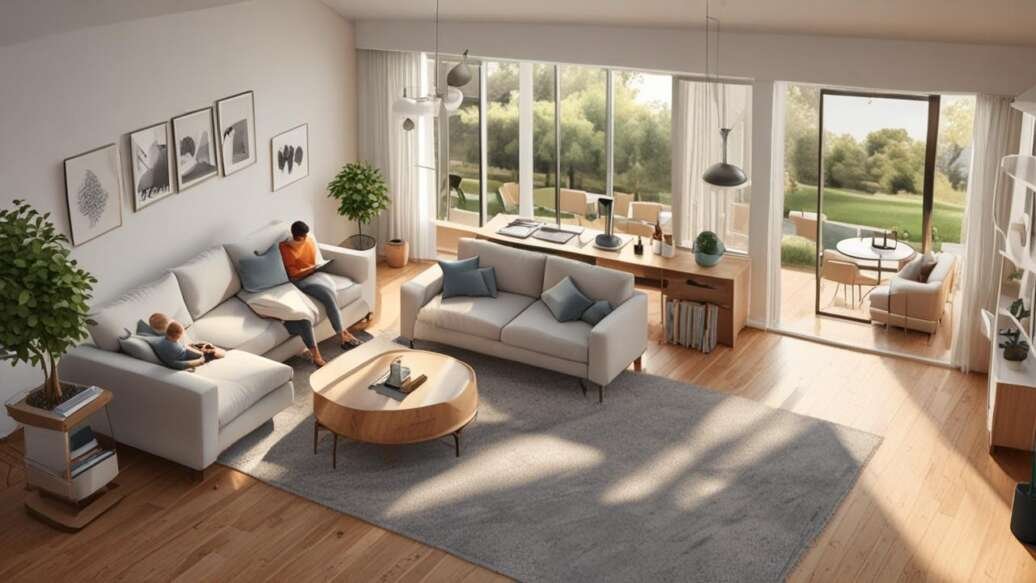
How to Decide Which One Suits Your Lifestyle
Follow this simple decision making process based on your household needs and room characteristics.
- Assess your room light. If your open plan receives less than four hours of direct sunlight per day, choose glass to reflect available light.
- Evaluate your family dynamics. Households with children under ten typically damage wood tables less than glass, which chips from hard toys.
- Consider your color scheme. If your kitchen cabinets are dark, a light wood or glass table prevents the room from feeling too heavy.
- Think about your hosting style. Formal dinner hosts often prefer glass for its elegant appearance, while casual hosts choose wood for relaxed durability.
- Plan for resale. If you plan to move within five years, a neutral wood table appeals to more buyers than a distinct glass table.
Common Myths vs Facts
Myth 1: Glass Tables Are Always Fragile
Standard glass tables are prone to chips, but tempered glass changes the equation. Tempered glass undergoes a heating and cooling process that makes it up to five times stronger than standard glass. Most modern glass tables use tempered safety glass that meets building code standards for residential use.
Myth 2: Wood Tables Are Indestructible
Solid wood tops are durable but far from indestructible. Unfinished or poorly sealed wood absorbs moisture, leading to warping and cracking. Soft woods like pine dent easily, and many wood finishes react badly to alcohol and heat. Proper care and sealing are essential for longevity.
Myth 3: You Must Match Your Table to Your Floor Color
Matching the table exactly to the floor is a common mistake. In an open plan, identical wood tones blur the boundaries between zones. Designers recommend selecting a table finish that contrasts with the floor. A dark walnut table over light maple flooring creates a strong visual anchor.
Pro Tips for Long Term Satisfaction
- Always check the glass thickness. A dining table should have a minimum thickness of 8mm for standard use and 12mm for heavy daily use.
- For wood tables, request a sample of the finish and watch it under your natural lighting conditions before ordering the full piece.
- Consider a round shape for open plan spaces because it eliminates sharp corners and promotes easier traffic flow.
- Use clear plastic corner protectors on glass tables if you have toddlers or elderly family members who use walkers.
- Apply a quality wood wax to your solid table every six months to protect against humidity changes and dehydration cracks.
Tip: Place a clear tempered glass mat over your wood table. You get the warmth and texture of wood underneath with the easy clean surface of glass on top. This hybrid solution solves the glass-top or wood-top dilemma entirely.
Frequently Asked Questions
Is a glass table dangerous for young children in an open plan home?
Tempered glass tables are significantly safer than older glass furniture. When tempered glass breaks, it crumbles into small, relatively harmless chunks rather than sharp shards. However, doctors still recommend soft edge protectors for toddlers who are unsteady on their feet.
Can I place hot pans on a wood table without damaging it?
No. Even sealed wood finishes soften and blanch when exposed to temperatures above 180 degrees Fahrenheit. Always use trivets or hot pads under serving dishes and pans. Glass tables handle direct heat better, though sudden extreme temperature changes can stress the glass.
Does a glass table make a small open plan living area look bigger?
Yes. A clear glass top creates the illusion of more space because the floor and walls remain visible beneath the surface. According to an interior design study by Modsy, 57% of designers recommend glass or lucite tables specifically to maximize visual square footage in compact rooms.
What shape works best for an open plan dining table?
Round or oval tables usually work best in open plans because they eliminate sharp corners that break the flow of traffic. Rectangular tables work well for larger families but require precise placement to avoid blocking pathways between the kitchen and living area.
How do I remove water rings from a solid wood table?
Light white rings from moisture often disappear with gentle heat. Place a dry cloth over the ring and run a warm iron over the cloth for a few seconds. Deeper stains may require rubbing with a mixture of toothpaste and baking soda or professional refinishing.
Resources and Tools
- Wayfair – Large selection of both glass and wood dining tables with user reviews and filter options by material, shape, and price.
- Houzz – Interior design photo database showing how glass and wood tables look in real open plan living spaces.
- IKEA – Affordable options for both tempered glass and solid wood tabletops with a variety of base styles.
- American Society of Interior Designers (ASID) – Find a qualified interior designer who can create a custom furniture plan for your open layout.
Final Thoughts
A glass-top table helps an open plan feel larger and brighter with minimal visual weight. A wood-top table adds warmth, texture, and a timeless anchor point that defines the dining zone. Evaluate your room light, household age, and daily routine carefully before choosing between glass-top or wood-top. The right table supports your lifestyle and transforms your open plan living area into a space that works for everyone. One practical solution is to place a tempered glass mat over a wood table for easy cleaning.
Always view wood finishes under natural lighting conditions to ensure accurate color perception.
When choosing a table, consider household age and safety needs to prevent tip-over accidents.