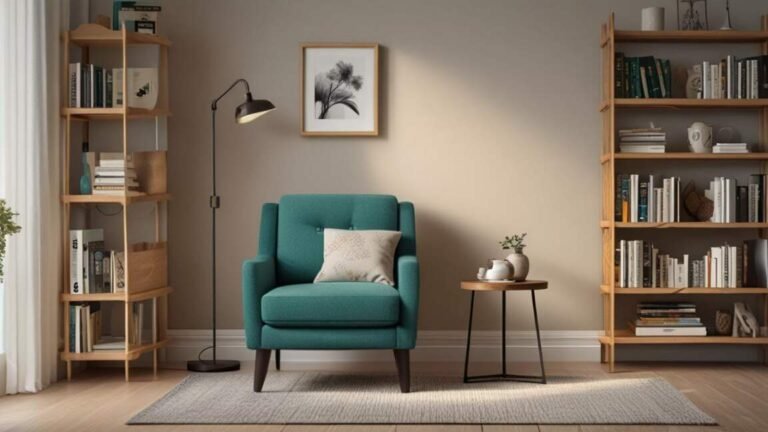
An accent chair should be positioned where it supports the room’s conversation area, not where there is leftover space.
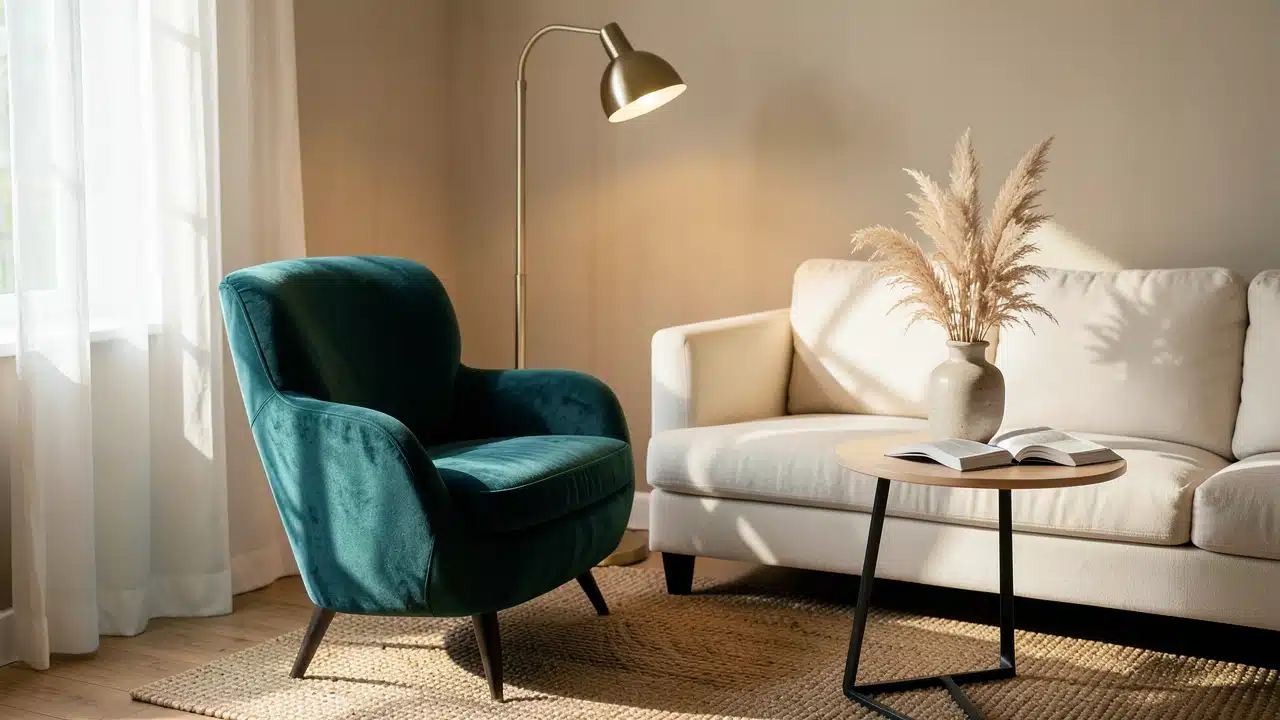
Place it near a sofa, beside a window, beside a fireplace, or at an angle to create balance. Leave enough walking room, match its scale to nearby furniture, and use a small table or lamp to make it feel intentional.
Adding a special chair to your living room or bedroom can make a big difference. It’s not just about having another seat; it’s about adding personality and style. But sometimes, placing that accent chair can feel tricky.
You want it to look like it belongs, not like you just shoved it there. Understanding Where To Position an Accent Chair so It Doesn’t Look Like an Afterthought helps create a more welcoming and put-together space.
When done right, an accent chair can become a focal point, drawing the eye and making your room feel more complete and thoughtfully designed.
Key Takeaways
- Learn how to make an accent chair a natural part of your room’s layout.
- Discover how to use accent chairs to improve flow and create cozy spots.
- Understand the importance of scale and proportion when placing your chair.
- Get tips on using lighting and accessories to enhance your accent chair’s placement.
- Find out how to avoid common mistakes when positioning an accent chair.
Creating a Welcoming Nook with Your Accent Chair
An accent chair is more than just extra seating. It’s a chance to add color, texture, and a unique shape to your room. But if you don’t put it in the right spot, it can feel out of place.
The goal is to make it look like it was always meant to be there. This means thinking about how it fits with your other furniture and how it helps the room function better.
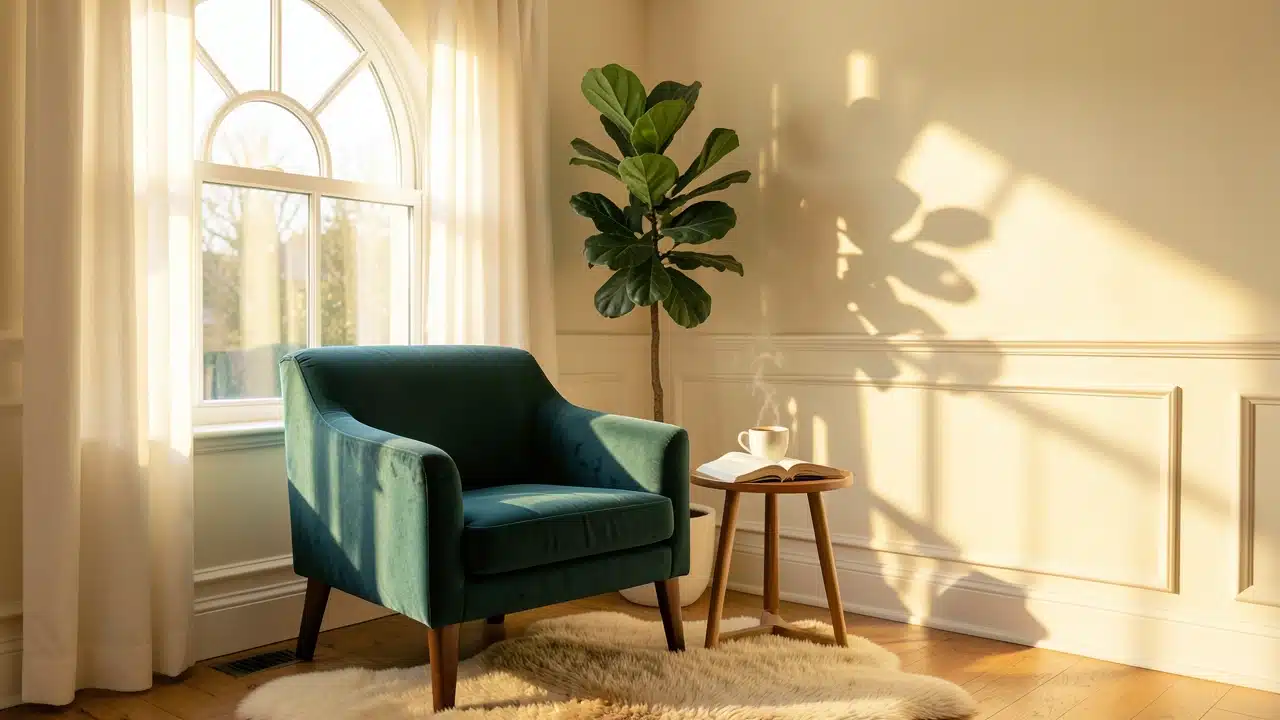
When you get the placement just right, your accent chair can become a favorite spot for reading or enjoying a cup of coffee. It can also guide people through the room, making the space feel more open and inviting. Let’s look at some smart ways to figure out Where To Position an Accent Chair so It Doesn’t Look Like an Afterthought.
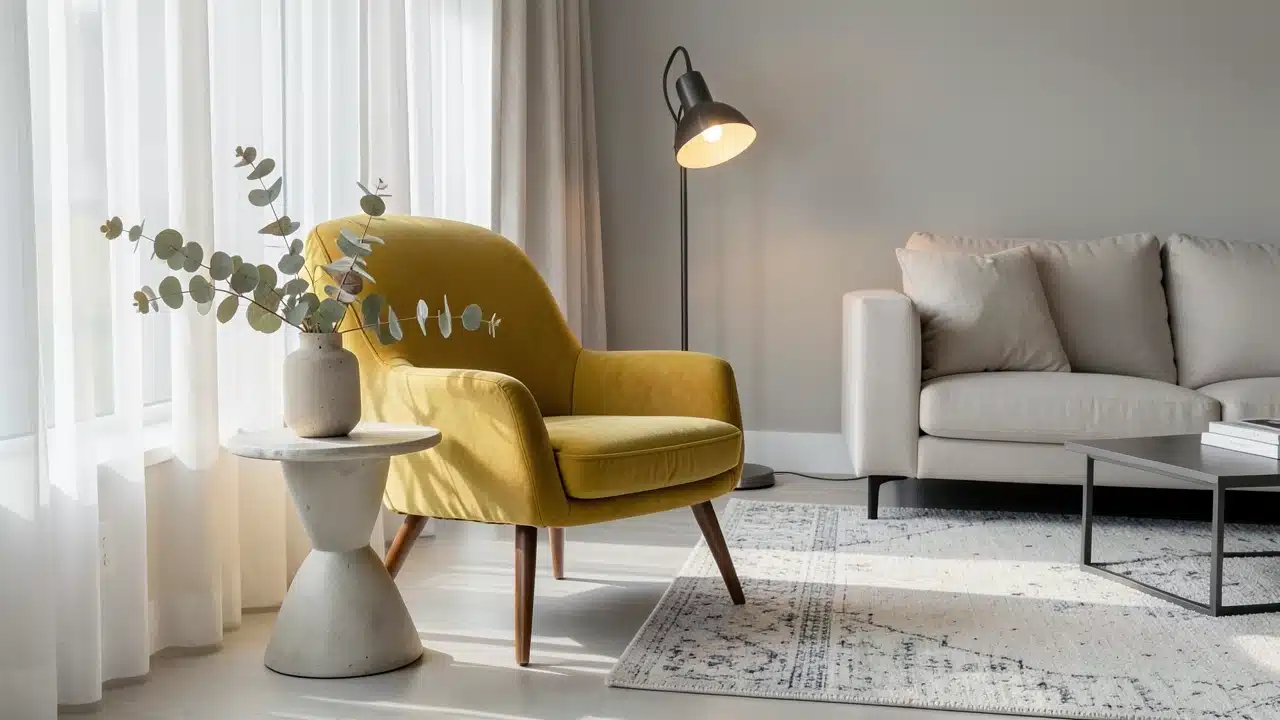
Finding the Purpose of Your Accent Chair
Before you even think about where to put it, consider what you want the chair to do. Is it meant to be a reading corner? A place to put on shoes by the door?
Or just a splash of color in a large room?
Knowing its job helps decide its location. A chair intended for reading needs good light. One near an entryway needs to be out of the main traffic flow but still accessible.
Defining Your Accent Chair’s Role
Think about the main activities in the room. If it’s a living room, will the chair face the TV, a fireplace, or a window? If it’s a bedroom, will it be near a vanity or by a window for a quiet moment?
Answering these questions is the first step to figuring out Where To Position an Accent Chair so It Doesn’t Look Like an Afterthought. It needs to serve a purpose to feel intentional.
Creating Conversation Areas
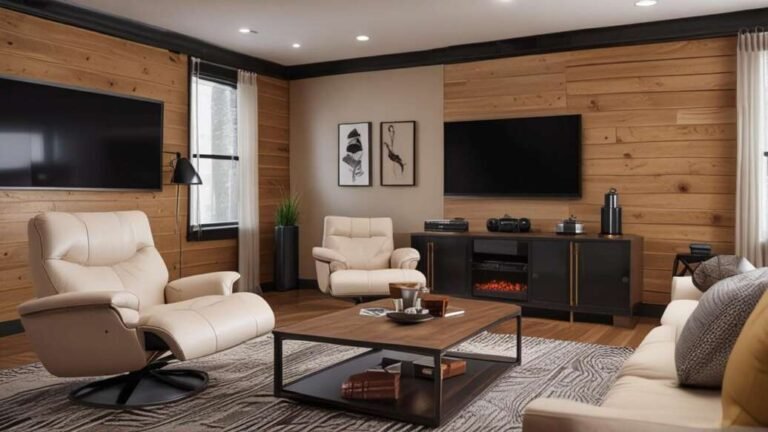
In a living room, an accent chair can be part of a larger seating arrangement. It can face a sofa or another chair to encourage conversation. This makes the space feel more interactive and friendly.
Placing it to complete a circle of seating helps define the conversation zone. This is a key part of knowing Where To Position an Accent Chair so It Doesn’t Look Like an Afterthought.
Considering Room Flow and Layout
A room’s layout is like a map. You want to make sure people can move around easily without bumping into things. An accent chair can either help or hinder this flow.
If a chair is blocking a path or makes a room feel cramped, it’s in the wrong place. The goal is to make the room feel open and easy to navigate.
Avoiding Traffic Jams
Never place an accent chair where it blocks a main walkway. This is especially important in smaller rooms or areas with multiple doorways.
Consider the natural paths people take when entering a room and moving between furniture. Ensuring your chair doesn’t disrupt these paths is crucial for understanding Where To Position an Accent Chair so It Doesn’t Look Like an Afterthought.
Using Accent Chairs to Define Zones
In open-plan living spaces, accent chairs can help create separate areas. A single chair with a small side table can define a cozy reading nook away from the main seating area.
This helps make a large, open space feel more organized and intimate. It’s a smart way to use an accent chair effectively.
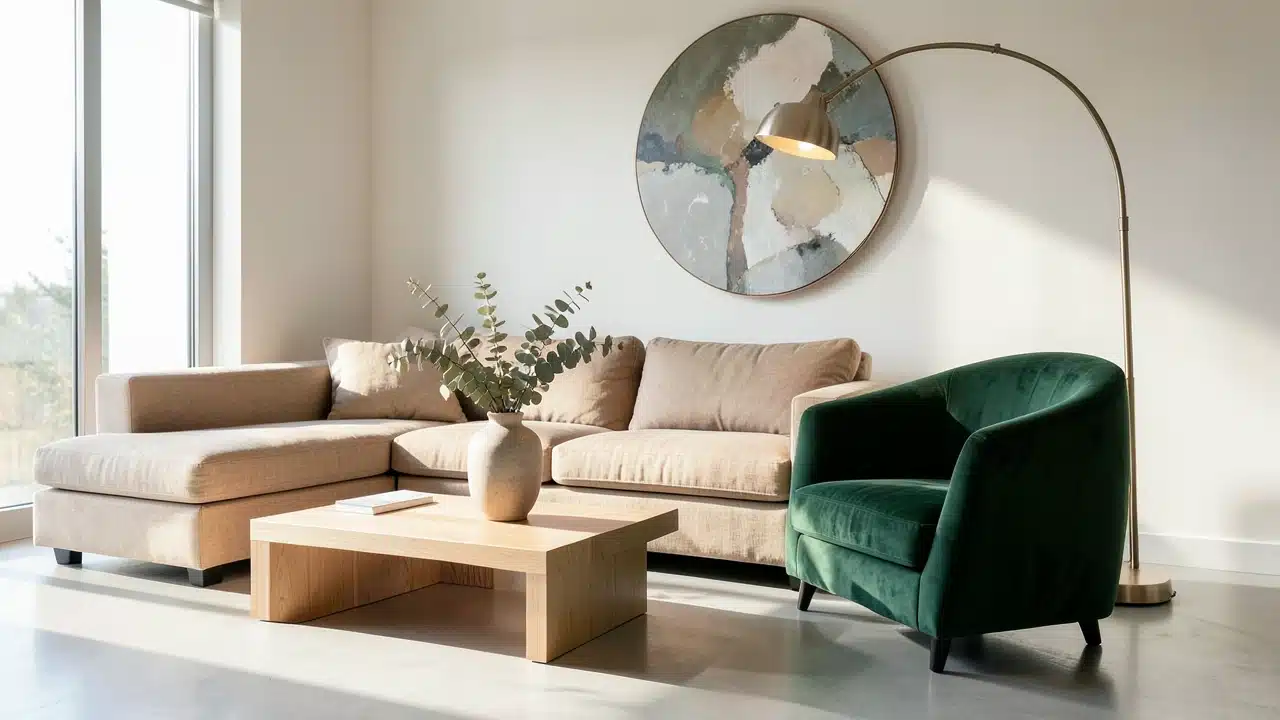
Matching Scale and Proportion
The size of your accent chair matters a lot. A huge chair in a tiny room will overwhelm the space. A very small chair in a large room can look lost.
The chair should feel like it belongs with the other furniture. It shouldn’t be the smallest or largest piece by a huge margin, unless that’s a deliberate design choice.
The Right Size for Your Space
Measure your room before you buy an accent chair. Think about how much space it will take up and how much room will be left around it.
A good rule of thumb is to leave at least 2-3 feet of space around the chair for comfortable movement. This consideration is vital when determining Where To Position an Accent Chair so It Doesn’t Look Like an Afterthought.
Balancing Furniture Heights
Look at the height of your accent chair compared to your sofa and other seating. If it’s much taller or shorter, it can look a bit off.
Try to create a visual balance. If the chair is low, pair it with a low coffee table. If it’s high, make sure it doesn’t block views or feel imposing.
| Sofa | 17-20 inches (seat height) | Accent chair seat should be similar or slightly lower. |
| Armchair | 17-20 inches (seat height) | Aim for comparable seat and arm heights for visual harmony. |
| Coffee Table | 16-18 inches (height) | Should be at a height that allows easy reach from the accent chair. |
| Side Table | 20-26 inches (height) | Ideal height for placing a drink or lamp next to the accent chair. |
Using Accent Chairs as Focal Points
Sometimes, the best place for an accent chair is where it can be seen and appreciated. This means positioning it where it draws the eye.
This could be in a corner that needs a little something, or near a window with a nice view. It’s about making the chair a star, not a supporting actor.
Highlighting Architectural Features
If your room has a fireplace, a bay window, or a built-in bookshelf, an accent chair can be placed to complement these features.
Positioning it to face a fireplace or beside a window can create a cozy and inviting spot. This makes the accent chair feel like an integral part of the room’s design.
Creating a Visual Anchor
In a room with many similar pieces, an accent chair can provide a much-needed contrast. Its unique color or shape can anchor a seating area.
Placing it strategically can help define the main living space and prevent the room from feeling too uniform. This is a key element of understanding Where To Position an Accent Chair so It Doesn’t Look Like an Afterthought.
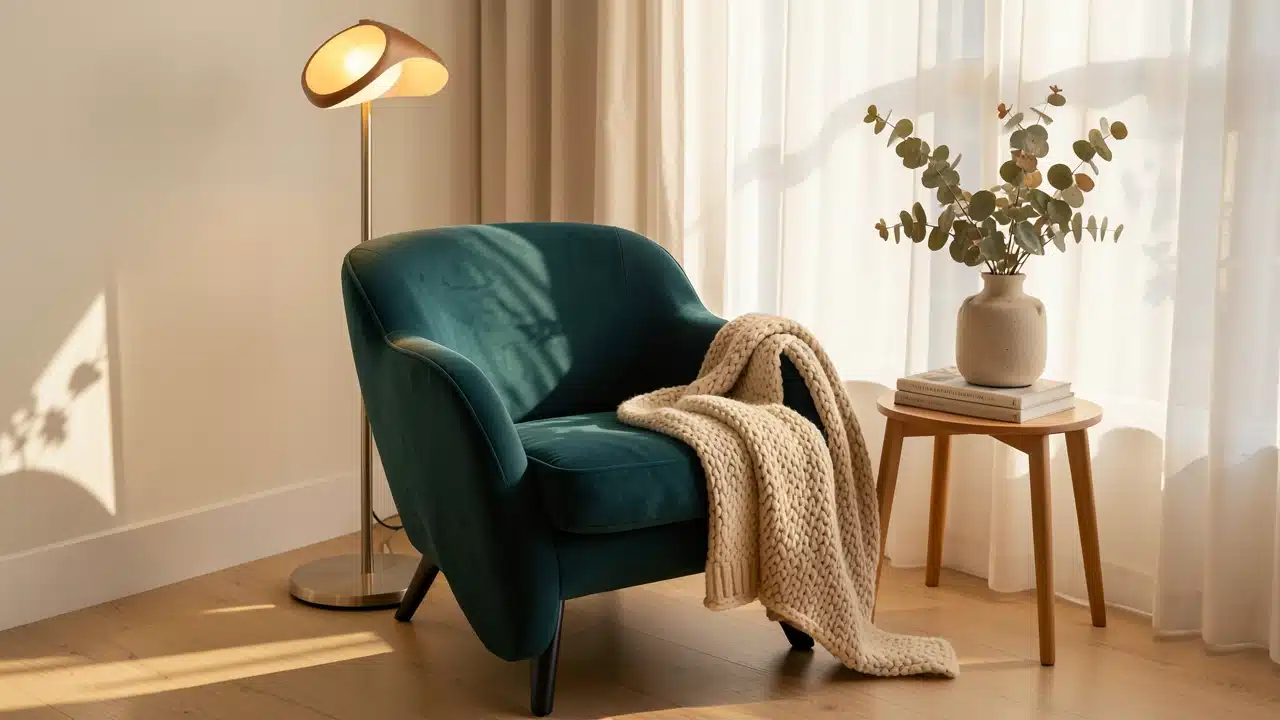
The Role of Lighting and Accessories
Placement isn’t just about furniture. How you light the area and what you put around the chair makes a big difference.
A good lamp can turn a simple chair into a perfect reading spot. Rugs and decorative items can tie the chair into the rest of the room.
Strategic Lighting
A floor lamp or a table lamp next to an accent chair is essential if it’s a reading spot. This not only provides light but also visually defines the chair’s area.
Even if it’s not for reading, soft ambient lighting can make the chair feel more inviting and part of the room’s mood.
Tying It Together with Decor
Use throw pillows and a blanket on the chair that match or complement the room’s color scheme. This helps it blend in.
A small rug under the chair and a side table with a decorative item can further anchor it. These elements help answer the question of Where To Position an Accent Chair so It Doesn’t Look Like an Afterthought by making it look intentional and styled.
Common Mistakes to Avoid
Even with the best intentions, it’s easy to make placement mistakes. Knowing these common pitfalls can help you avoid them.
The most common error is treating the chair as an afterthought, just sticking it anywhere. This often leads to it looking out of place.
The “Corner Filler” Trap
Putting an accent chair in a corner just to fill space can make it feel isolated and forgotten. Corners can be great spots, but only if the chair has a purpose there and is styled properly.
If a chair is just shoved into a corner with nothing else around it, it will look like an afterthought. Consider adding a small plant or a floor lamp to give it some presence.
Blocking Visual Lines
An accent chair can block the view of other beautiful elements in your room. For example, it might block a nice piece of art or a view out a window.
Always consider what’s behind or next to the chair. You don’t want it to hide something important or make the room feel closed off.
Ignoring the Chair’s Style
Sometimes, a chair’s style just doesn’t match the room. A very modern chair might look odd in a very traditional room, and vice versa.
While contrast can be good, a jarring mismatch can make the chair feel like it doesn’t belong. Think about how the chair’s design fits with your existing decor.
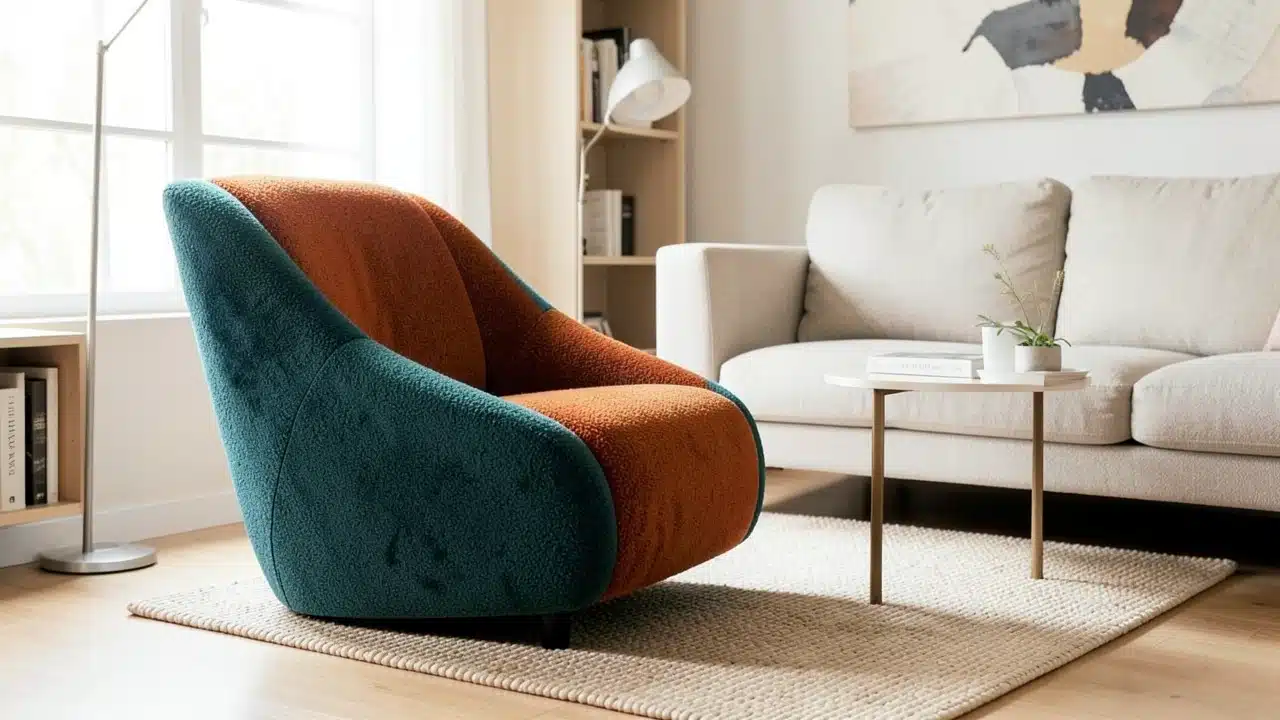
Putting It All Together: Practical Steps
Now that you know the principles, let’s break down how to actually do it. It’s about making thoughtful choices.
Start by looking at your room with fresh eyes. Imagine where a comfortable, stylish chair would make the most sense.
Step-by-Step Placement Guide
- First, identify the primary function of the chair. Is it for reading, extra seating, or decoration?
- Second, consider the existing furniture layout. Where does the chair fit best without disrupting traffic flow?
- Next, measure your space and the chair to ensure proper scale and proportion.
- Then, think about visual appeal. Does the chair enhance a view or a focal point?
- Finally, add accessories like a lamp, a side table, or a throw to make the chair feel integrated and purposeful.
Following these steps will help you find Where To Position an Accent Chair so It Doesn’t Look Like an Afterthought. It turns a potential problem into a design opportunity. The American Institute of Architects offers professional insights on interior space planning.
Frequently Asked Questions of Where To Position An Accent Chair So It Doesn’t Look Like An Afterthought
Where is the best place for an accent chair in a living room?
The best place often depends on the room’s layout, but common spots include facing a sofa to create a conversation area, near a window for a reading nook, or in a corner to add visual interest and balance. The key is to make it feel intentional.
Should an accent chair match the sofa?
No, an accent chair doesn’t have to match your sofa. It’s an “accent,” meaning it should complement rather than copy. Choose a chair that adds contrast in color, pattern, or texture to make your room more dynamic.
How much space should be around an accent chair?
Generally, aim for at least 2-3 feet of clear space around the chair. This allows for easy movement and prevents the room from feeling cluttered. Ensuring this space is vital for understanding Where To Position an Accent Chair so It Doesn’t Look Like an Afterthought.
Can an accent chair be used as the main seating in a small room?
Yes, in very small rooms or studios, a stylish accent chair can serve as primary seating. Pair it with a small coffee table or ottoman to make it functional and comfortable.
What’s the biggest mistake people make when placing an accent chair?
The biggest mistake is placing it purely for the sake of filling an empty space without considering its purpose or how it fits the room’s flow. This often leads to the chair looking like an afterthought, which is exactly what we aim to avoid when figuring out Where To Position an Accent Chair so It Doesn’t Look Like an Afterthought.
Should I use a rug with my accent chair?
Using a rug can help anchor your accent chair and define its space, especially if it’s in a larger room or part of a seating arrangement. It visually ties the chair to the floor and the rest of the decor.
Final Thoughts
Finding the right spot for your accent chair makes a big difference. It transforms it from just another piece of furniture into a stylish, functional part of your room. For general background on accent chair placement tips, consult a reliable Wikipedia search.
By thinking about its purpose, the room’s flow, and how it looks with other items, you ensure it feels perfectly placed and adds charm. Consider ADA accessibility guidelines when positioning furniture to ensure clear paths and usability.