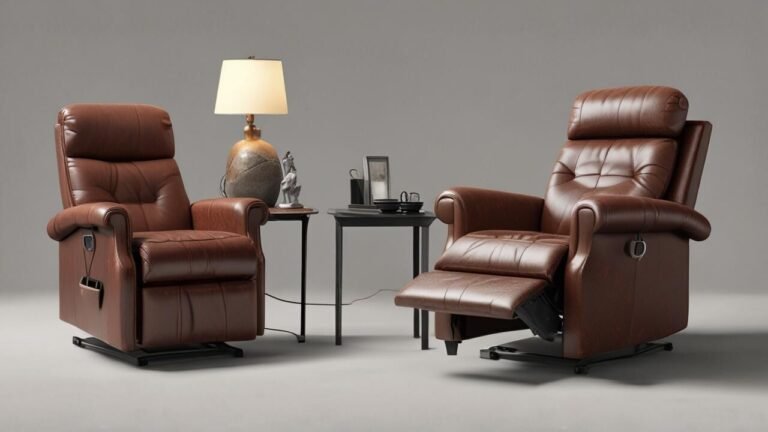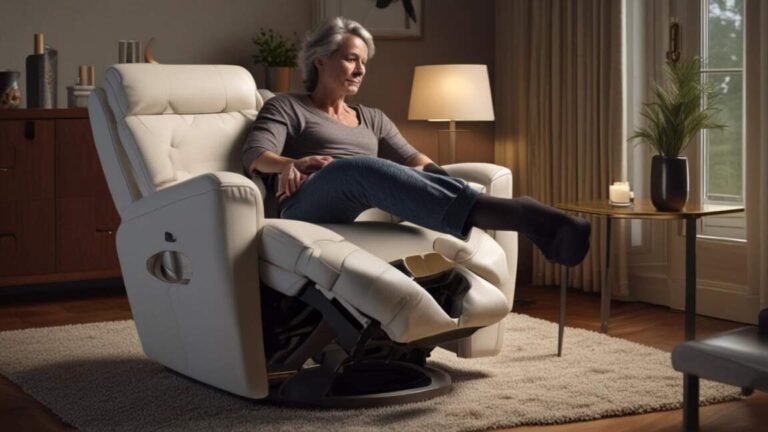

The five hidden costs of owning a lift chair that are rarely discussed include battery replacements costing $50 to $150 every one to two years, specialized repair service fees of $100 to $200 before parts, and often-unadvertised delivery and setup charges. Upholstery wear from daily use and increased standby electricity consumption further raise annual expenses. Understanding these costs upfront allows buyers to budget for hundreds in additional yearly fees and select a maintenance plan that avoids unexpected bills.
A lift chair offers independence and safety for millions of older adults, but the purchase price is just the beginning. Below, we uncover the five financial surprises that most retailers and insurance providers do not mention.
Quick Verdict: Simply put, the hidden costs of owning a lift chair include battery replacements, specialized repair fees, delivery charges, upholstery wear, and standby electricity consumption. These expenses can add hundreds of dollars to the total cost of ownership each year, making it financially wise to plan beyond the initial purchase.
Knowing these hidden costs of owning a lift chair upfront can save you from unexpected bills and help you choose the right maintenance plan.
Key Takeaways
- Replacement batteries for lift chairs typically cost between $50 and $150 and may need replacement every one to two years.
- Specialized lift chair repairs require certified technicians, with service call fees ranging from $100 to $200 before any parts are replaced.
- Delivery and white-glove setup fees are commonly not included in the advertised base price of a lift chair.
- The upholstery on a lift chair experiences accelerated wear due to the sliding mechanism, leading to costly reupholstering or replacement.
- The electrical components of a lift chair draw standby power continuously, contributing a small but constant amount to your monthly energy bill.
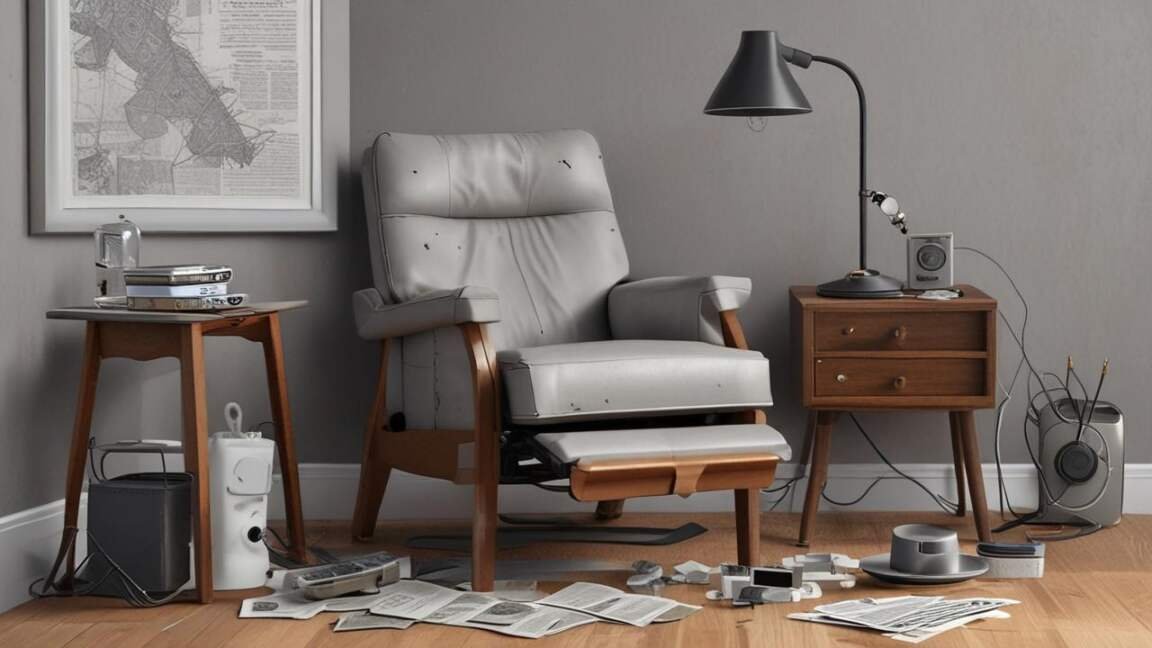
Quick Comparison Table
| Hidden Cost | Typical Annual Cost | Frequency | Insurance Coverage |
|---|---|---|---|
| Battery Replacement | $50 – $150 | Every 1-2 years | Rarely covered |
| Repair Service Fees | $100 – $200+ | As needed | Not covered |
| Delivery & Setup | $75 – $300 | One-time | Not covered |
| Upholstery Wear | $200 – $600 | Every 3-5 years | Not covered |
| Electricity (Standby) | $10 – $15 | Continuous | N/A |

1. Battery Replacement and Maintenance
Every lift chair includes a battery backup system. This allows the chair to return to an upright position during a power outage. It is a critical safety feature that many owners forget about.
According to the, powered seat lift systems depend on consistent battery health for safe operation. Most batteries last between one and two years. Replacing them costs between $50 and $150, depending on the model.
This cost is rarely discussed at the time of purchase. Retailers focus on the chair features and the lifting capacity. They do not always mention that the battery will eventually fail.
Tip: Test your lift chair battery backup once a month. This ensures it will work when you need it most. A dead battery can leave you stuck in a reclined position during an outage.
Some newer chairs use lithium-ion batteries. These are lighter and last longer than older sealed lead-acid types. Lithium batteries cost more upfront but may save money over time.
2. Specialized Repairs and Service Fees
Lift chairs use specific linear actuators and electronic control boards. A general repair person or local handyman cannot fix these components. You must call a certified durable medical equipment technician.
Why It Is Hidden: Retailers rarely discuss repair costs during the sale. Most warranties cover parts but not labor or travel fees. The first service call can cost $100 to $200 just for the diagnosis.
The stresses that proper maintenance of durable medical equipment is vital for safety. Yet, the cost of repairs is one of the most overlooked expenses.
Warning: Some service providers charge a non-refundable trip fee just to look at the chair. Always ask if this fee is waived if you choose them for the repair work.
Motor replacements can cost between $200 and $500. Control board failures are even more expensive. Having an extended warranty that covers both parts and labor is the best way to protect yourself from these surprise costs.
- Diagnostic trip fee: $75 – $150
- Motor replacement: $200 – $500
- Control board replacement: $150 – $400
- Annual maintenance check: $100 – $200

3. Delivery, Setup, and Installation Charges
Most advertised prices for lift chairs do not include delivery. And they certainly do not include white-glove setup. Threshold delivery means the driver leaves the box at your front door or curb.
White-glove service brings the chair inside, assembles it, places it in your preferred room, and removes all packaging. This service typically adds $75 to $300 to the total cost.
The advises consumers to get a total price in writing before agreeing to a medical equipment purchase. This should include all delivery and setup fees.
Some online retailers add mandatory lift-gate fees if you live in an apartment building. Others charge extra for stairs or narrow doorways. These hidden costs of owning a lift chair can double the delivery price if you are not careful.
Tip: Always ask for an itemized breakdown of the total out-the-door cost. Compare the full price, not just the chair sticker price, when shopping between retailers.

4. Upholstery Wear and Tear
The fabric on a lift chair undergoes much more stress than a standard recliner. The scissor-lift mechanism creates friction against the upholstery every time the chair moves up or down.
Industry data from major manufacturers like Pride Mobility and Golden Technologies shows that fabric wear is the most common reason for replacing a lift chair. Reupholstering a lift chair is also more costly. The fabric must be cut and fitted to accommodate the moving mechanical parts.
Standard reupholstering costs between $200 and $600. This is often more than the value of the chair itself after a few years. Many owners end up buying a new chair instead of reupholstering the old one.
You can reduce this risk by choosing a chair with high-grade fabric or commercial-grade vinyl. Some models offer removable, machine-washable covers. This feature extends the life of the upholstery and keeps the chair looking clean.
- Standard fabric recliner reupholstery: $100 – $300
- Lift chair reupholstery: $200 – $600
- Replace with new lift chair: $300 – $1,000+
5. Increased Electricity Consumption
Even when you are not using the lift function, the transformer is active. It converts AC power from your wall outlet to DC power for the motor. This is called standby power or vampire load.
According to the, standby power from devices can account for up to 5% of a home’s annual electricity usage. A lift chair’s transformer typically contributes roughly $10 to $15 per year to your electric bill.
This is a small cost compared to the others on this list. However, it is a constant cost that never goes away as long as the chair is plugged in. Over the lifespan of the chair, this adds up to $100 or more.
You can stop the standby power drain completely by plugging the chair into a power strip with an on/off switch. Turn the strip off when the chair is not needed for several hours.
Important: Do not use a cheap extension cord for your lift chair. Use a heavy-duty surge protector to ensure consistent power delivery to the sensitive electronics and motor.

How to Avoid These Hidden Costs
You can protect your budget with a few smart moves before and after your purchase. Follow these steps to minimize the financial surprises of lift chair ownership.
- Ask for a detailed invoice that includes delivery, setup, and a first-year service plan before you pay.
- Purchase an extended warranty that covers both parts and labor for at least three years. Read the fine print carefully.
- Choose a chair with dual motors and a higher weight capacity. This reduces strain on individual components and extends their lifespan.
- Buy a replacement battery at the same time you buy the chair. This locks in the price and ensures you have a backup ready.
- Use a power strip with a switch to cut standby power. This saves energy and reduces wear on the internal power supply.
Common Myths vs Facts About Lift Chair Costs
Myth: Medicare pays for the entire lift chair.
Fact: covers only the lifting mechanism and motor if deemed medically necessary. It does not cover the chair frame, upholstery, delivery fees, or labor for repairs. You pay the rest out of pocket.
Myth: Lift chair batteries last as long as the chair itself.
Fact: Lift chair batteries typically last between one and two years. They are a consumable item, much like the battery in a smoke detector. Expect to replace them regularly.
Myth: Reupholstering a lift chair costs the same as a standard recliner.
Fact: Reupholstering a lift chair is significantly more expensive because the fabric must fit around the lifting frame and moving parts. Prices are often double that of a standard recliner.
Frequently Asked Questions
What is the average lifespan of a lift chair battery?
The average battery lifespan is between one and two years. This depends on the frequency of power outages and how often the battery fully discharges and recharges.
How much does it cost to repair a lift chair motor?
Repairing a lift chair motor typically costs between $200 and $500. This includes the service call fee and the cost of the replacement part.
Does Medicare cover the cost of lift chair repairs?
No, Medicare does not cover the cost of repairing a lift chair. Medicare only covers the rental or purchase of the medically necessary lifting mechanism under Part B.
Why does my lift chair fabric wear out so fast?
The fabric wears out due to constant friction from the scissor-lift mechanism as the chair moves up and down. Choosing industrial-grade fabric or leather can help slow this wear.
Can I use a simple extension cord for my lift chair?
It is not recommended. Lift chairs should be plugged directly into a wall outlet or a heavy-duty surge protector. This ensures stable power delivery to the motor and control board.
Final Thoughts
A lift chair is a valuable tool for maintaining independence and safety at home. Knowing the hidden costs upfront helps you prepare financially and choose a plan that protects your investment. Focus on battery life, warranty coverage, and delivery terms to avoid unexpected bills. Plan for these expenses now so you can enjoy your chair worry-free for years to come.