

Yes, you can use a lift chair in a small living room without damaging floors or walls by choosing a compact wall-hugger model that requires only 12 to 18 inches of wall clearance for full recline and lift. For a 10 by 10 foot room, select a chair under 30 inches wide and 30 inches deep, and add felt pads or an area rug to protect hard flooring from scratches and dents. Most modern lift chairs weigh 80 to 120 pounds, distributing weight evenly enough to avoid floor damage when placed with proper floor protection and clearance.
Living with mobility challenges in a small home often feels like a trade-off between comfort and space. This post explains whether you can add a lift chair in a small living room and keep your floors and walls damage-free.
Quick Verdict: Yes, you can safely use a lift chair in a small living room without damaging it. Choose a compact, wall-hugger model designed for tight spaces. Use floor protectors and measure your clearance. Most modern lift chairs require only 12-18 inches from the wall and leave no marks when placed on hard floors.
Key Takeaways
- Modern lift chairs come in compact sizes that fit living rooms as small as 10 x 10 feet.
- A wall-hugger lift chair requires only 12-18 inches of wall clearance for full recline and lift.
- Floor protectors, area rugs, and felt pads prevent scratches and dents on any flooring type.
- Standard lift chairs weigh 80-120 pounds, which is safe for most floors when distributed evenly.
- You can find models with a small footprint, such as those under 30 inches wide and 30 inches deep.

What Is a Lift Chair?
A lift chair is a motorized recliner that tilts forward and rises to help you stand up. It uses an electric mechanism controlled by a remote or hand pendant. The chair lifts the seat and tilts the back, allowing safe transition from sitting to standing without strain.
Lift chairs are common among older adults and people recovering from surgery. According to the, nearly 90% of adults over 65 prefer to age in place. A lift chair supports that goal by reducing fall risk and daily dependence.
Important: A lift chair is not the same as a standard recliner. Only chairs with a UL-listed motor and a weight capacity of at least 300 pounds qualify as medical lift chairs.
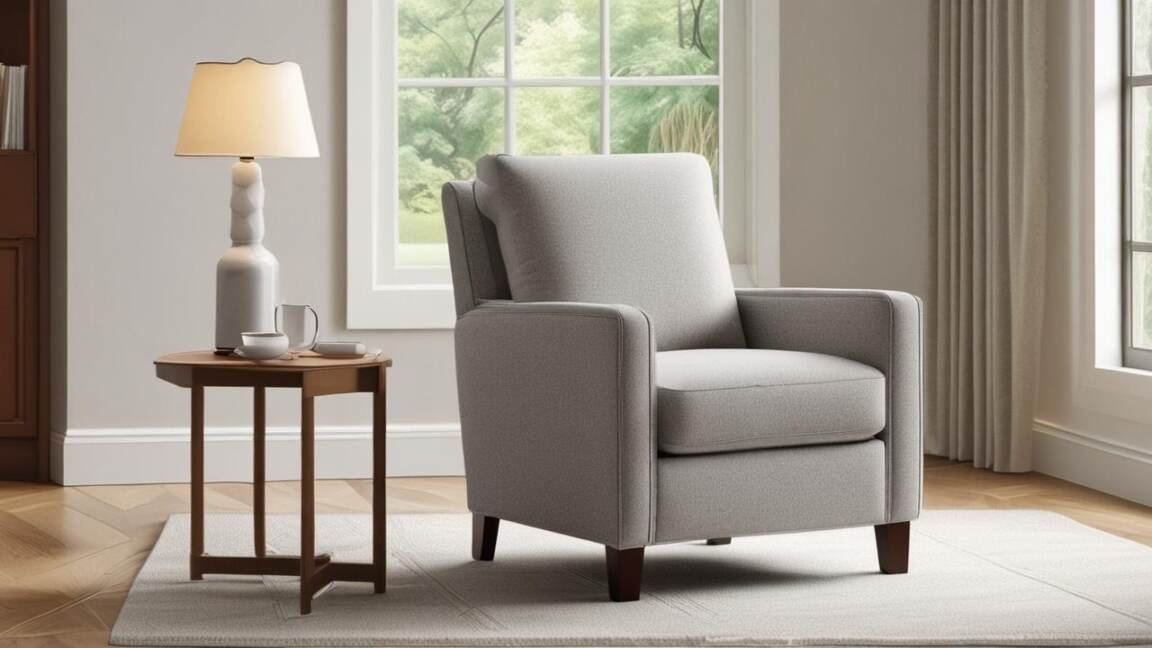
Can a Lift Chair Fit in a Small Living Room?
The short answer is yes, but you must choose the right model. Many people assume lift chairs are bulky and require a large room. In reality, manufacturers now offer space-saving designs.
According to a 2023 report from the, the average living room size in American homes is 12 x 16 feet. A typical small living room may be 10 x 12 feet. That leaves enough room for a compact lift chair when placed against a wall or in a corner.
Let us look at the key dimensions you need to consider.
| Feature | Standard Lift Chair | Compact Lift Chair |
|---|---|---|
| Seat width | 22-24 inches | 18-20 inches |
| Seat depth | 20-22 inches | 18-20 inches |
| Overall width | 28-32 inches | 24-28 inches |
| Wall clearance needed | 18-24 inches | 12-18 inches |
| Weight | 100-130 pounds | 70-100 pounds |

How to Choose a Lift Chair for a Small Space
When you are shopping for a lift chair in a small living room, focus on three things: size, mechanism type, and floor protection.
Size and Dimensions
Look for chairs labeled “compact,” “space-saver,” or “wall-hugger.” These models have a smaller seat and a narrower back. For example, the Perfect Chair X-Series offers a 26-inch width and a 28-inch depth. That fits in most small rooms.
Measure your room first. Leave at least 24 inches of walking space around the chair. Also, measure your doorways to ensure the chair can be delivered inside.
Wall-Hugger Mechanism
A wall-hugger lift chair slides forward as it reclines, so the back stays close to the wall. This requires only 12-18 inches of clearance instead of the standard 20+ inches. Brands like and make wall-hugger models for small spaces.
Floor Protection
Lift chairs have four legs or a metal base with small pads. Those pads can scratch wood, tile, or laminate. Use these options to protect your floor:
- Felt furniture pads – stick under chair legs, cheap and replaceable.
- Rubber floor protectors – grip well and prevent sliding.
- Area rug – place a low-pile rug under the chair for extra cushioning.
- Chair mat – a clear plastic mat used for office chairs also works for lift chairs.
Warning: Do not place a lift chair directly on thick carpet without a protective pad. The movement can wear down carpet fibers over time.

How to Place a Lift Chair Without Damaging Floors or Walls
Even with a compact chair, placement matters. Follow these steps to keep your room and chair safe.
Step 1: Choose the Right Location
Place the chair against a wall that has an electrical outlet nearby. Avoid placing it near a radiator, heater, or direct sunlight to prevent fabric damage.
Step 2: Ensure Proper Clearance
For a wall-hugger model, allow 12 inches from the back of the chair to the wall. For standard models, allow 20 inches. Also, leave at least 18 inches in front of the chair for the footrest to rise fully.
Step 3: Protect the Floor
Install felt pads or rubber cups under each leg. If you have hardwood or laminate, check weekly for any marks. Replace pads when they wear thin.
Step 4: Avoid Overloading
Most lift chairs have a weight limit of 300-400 pounds. Exceeding that can strain the motor and cause the chair to tip or damage the floor surface. Check the manufacturer’s rating.
Step 5: Maintain the Chair
Wipe the base and legs dry after cleaning. Moisture can rust metal legs and stain flooring. Also, lubricate moving parts as directed in the manual to prevent squeaks that signal damage.

Common Myths About Lift Chairs in Small Rooms
Many people avoid lift chairs because of false beliefs. Let us clear them up.
Myth 1: Lift chairs are too bulky for small living rooms.
Fact: Compact models are as small as 24 inches wide. They take up less floor space than a standard armchair.
Myth 2: Lift chairs damage hardwood floors.
Fact: With proper felt pads or rubber protectors, the chair does not scratch or dent floors. The weight is distributed evenly across four points.
Myth 3: You need a lot of wall clearance.
Fact: Wall-hugger models work with as little as 12 inches of clearance. Some models require only 8 inches.
Frequently Asked Questions
Will a lift chair scratch my wood floors?
It can if you do not use floor protectors. Add felt pads or rubber cups under each leg. According to the, felt pads are the safest choice for hardwood.
Can I put a lift chair on carpet?
Yes, but use a chair mat or a piece of plywood under the chair to prevent the legs from denting the carpet pile. This also helps the chair move smoothly.
How much space do I need behind a lift chair?
For a standard model you need 20-24 inches. For a wall-hugger model you need only 12-18 inches. Measure from the back of the chair to the wall.
What is the smallest lift chair available?
Some compact models are as small as 24 inches wide, 28 inches deep, and 38 inches tall. The PR-515 offers a narrow 18-inch seat width.
Can I use a lift chair if I have limited mobility but a very small living room?
Yes. Many companies offer bariatric and compact models that fit tight spaces. Always check the turning radius and recline clearance before purchasing.

Final Thoughts
Yes, you can safely use a lift chair in a small living room without damaging it. Choose a compact or wall-hugger model, use floor protectors, and measure your available space. Modern designs prioritize both comfort and room friendliness. With the right preparation, your lift chair becomes a helpful tool that keeps your home looking great.