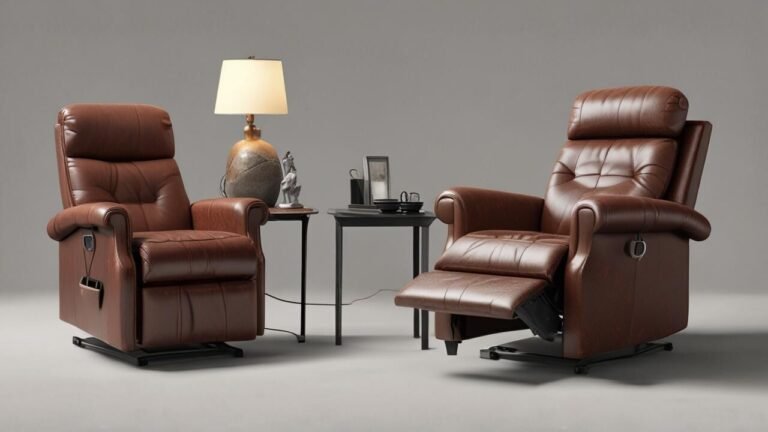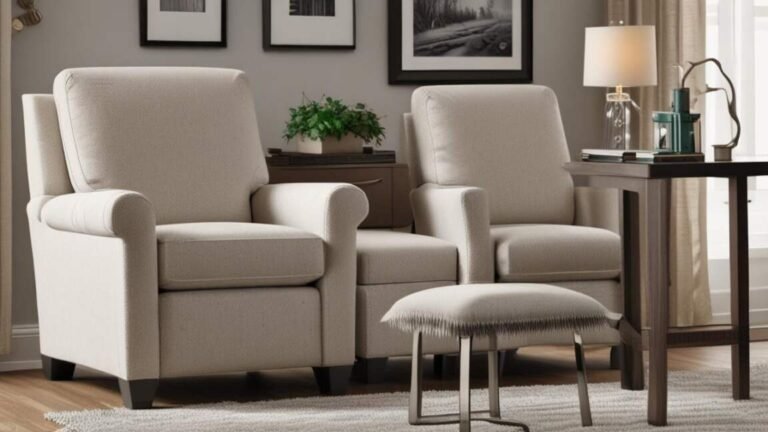
A wall-hugger recliner failing often reveals itself through eight key warning signs: grinding noises, slower reclining speed, loose bolts, sagging fabric or foam, uneven footrests, electrical glitches, stuck positions, or sudden jerks during movement. Identifying these issues early—such as grinding from worn gears or slow motion from a failing motor—allows you to address the root cause before the mechanism fails entirely. Understanding these specific indicators helps you perform targeted maintenance or seek professional repair, saving costly replacements and extending the chair's usable life.
Simply put, a wall-hugger recliner needs only inches of wall clearance, but moving parts inside it can wear out. Watch for grinding noises, slow motion, loose bolts, sagging fabric, uneven footrests, electrical glitches, stuck positions, or sudden jerks. Catching these early saves you repair costs and prevents total failure.
Key Takeaways
- Grinding or clicking sounds from the recliner mechanism indicate metal fatigue or gear misalignment.
- A recliner that moves slower than usual often signals a failing motor or low lubricant in the track system.
- Loose bolts or screws near the footrest and backrest joints lead to structural instability and wobbling.
- Sagging fabric or foam cushions put extra strain on the metal frame and can cause the recliner to tip.
- Electrical glitches like flickering lights or unresponsive buttons point to faulty wiring or a worn-out control box.
Quick Overview of the Warning Signs
| Warning Sign | What It Indicates | Urgency |
|---|---|---|
| Grinding noises | Worn gears or debris in the track | High – can lead to jamming |
| Slower reclining speed | Motor weakening or low lubricant | Medium – motor failure imminent |
| Loose bolts or screws | Vibration loosening fasteners | Medium – structural risk |
| Sagging cushions or fabric | Foam wear or broken springs | Low-Medium – affects comfort and support |
| Uneven footrest | Misaligned linkage or bent bar | Medium – can cause imbalance |
| Electrical glitches | Faulty wiring, control box, or battery | High – safety issue |
| Stuck in position | Locking mechanism failure or jam | High – chair may be unusable |
| Sudden jerks during movement | Dry bearings, slipping belt, or misaligned gears | Medium – likely to worsen |
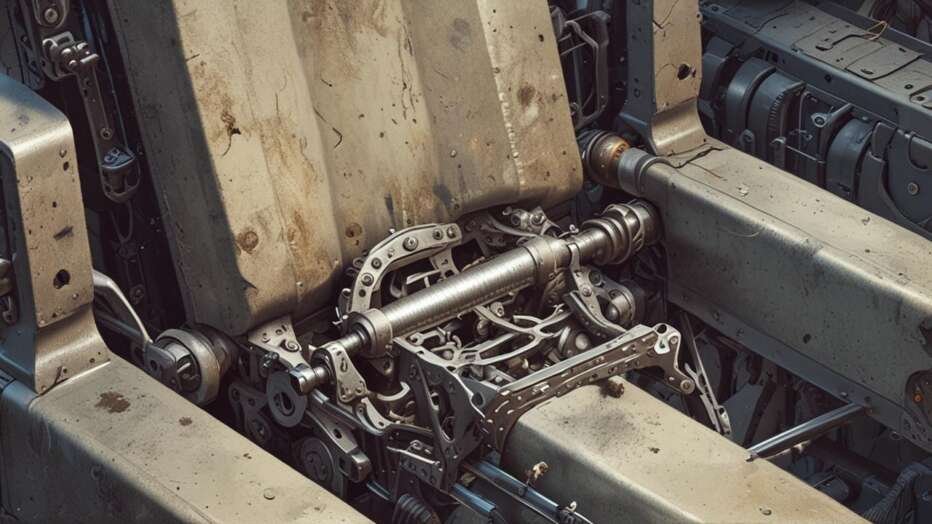
1 – Grinding or Clicking Noises During Recline
Overview
A healthy wall-hugger recliner should move smoothly and quietly. If you hear grinding, clicking, or popping sounds, the internal gears or tracks are likely damaged. Dust, debris, or worn plastic bushings can cause these noises. The notes that many recliner failures start with unusual sounds.
What to Do
- Unplug the power supply or remove the battery pack.
- Check the track area for visible debris or broken plastic pieces.
- Apply a silicone-based lubricant to the gear track, not oil-based grease.
Important: Do not ignore grinding noises. They often mean metal-on-metal contact that can strip gears and require a full mechanism replacement.
2 – Slower Reclining Speed Than Usual
Overview
Your recliner used to tilt back in a few seconds. Now it takes twice as long. A slowing motor is the most common cause. says motor wear typically happens after 3 to 5 years of daily use. Low battery voltage in cordless models can also cause speed loss.
What to Do
- For corded models: test the outlet with another device to rule out power issues.
- For battery models: replace the rechargeable battery with a new one from the manufacturer.
- Lubricate the track if the motor sounds stressed but still runs.
3 – Loose Bolts or Screws Near Joints
Overview
Daily reclining and sitting put stress on bolts that hold the frame together. Over time, vibrations cause fasteners to loosen. A wobbly footrest or backrest is a clear sign. recommend periodic tightening of all visible bolts to extend chair life.
What to Do
- Carefully turn the chair over or remove the dust cover under the seat.
- Locate all bolts connecting the base to the frame and the footrest arms.
- Tighten each bolt with a screwdriver or Allen wrench, but do not overtighten.
4 – Sagging Cushions or Fabric
Overview
Wall-hugger recliner cushions rely on foam density and spring support. When they sag, the frame takes extra weight. This can bend the metal bars or cause the reclining track to misalign. According to, sagging seat cushions are a top reason for recliner breakdowns.
What to Do
- Rotate or flip cushions if they are removable.
- Replace old foam with high-density upholstery foam cut to size.
- If the fabric is stretched and loose, consider reupholstering or replacing the chair.
Warning: A sagging cushion can cause the metal seat frame to bend. This damages the entire linkage system and makes repairs more costly than buying a new chair.
5 – Uneven Footrest When Extended
Overview
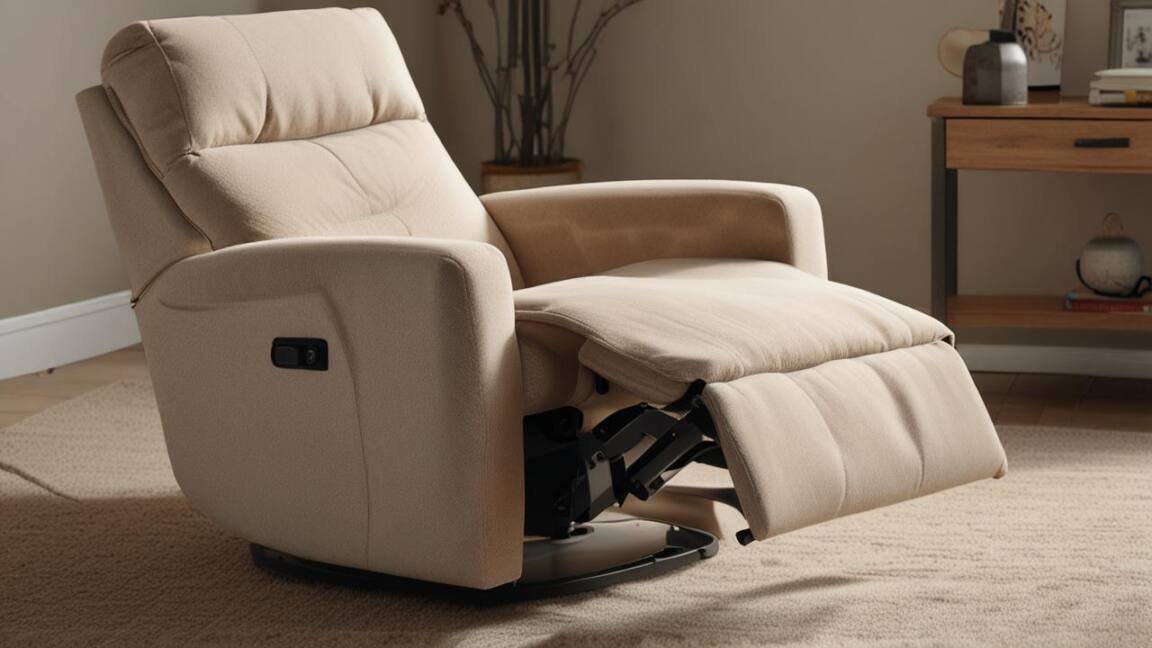
When you extend the footrest, both sides should rise evenly. If one side hangs lower or the footrest wobbles, the linkage bars are bent or one pin is broken. This is common in wall-hugger designs because the mechanism is compact and has limited reinforcement.
What to Do
- Visually inspect the rods on both sides of the footrest for bends.
- Replace any bent linkage rods (sold as repair kits by most manufacturers).
- If the footrest does not lock in place, the latch spring may need replacement.
6 – Electrical Glitches (Flickering Lights or Unresponsive Buttons)
Overview
Power recliners have a control box, motors, and wiring. Signs of electrical trouble include the chair lights flickering, the power button not responding, or the chair moving on its own. notes that electrical failures in recliners can pose fire risks in rare cases.
What to Do
- Unplug the chair for 10 minutes and plug it back in to reset the control box.
- Inspect the power cord for cuts or frays, especially near the base of the chair.
- If the problem persists, replace the control box or call a qualified technician.
7 – Stuck in the Reclined or Upright Position
Overview
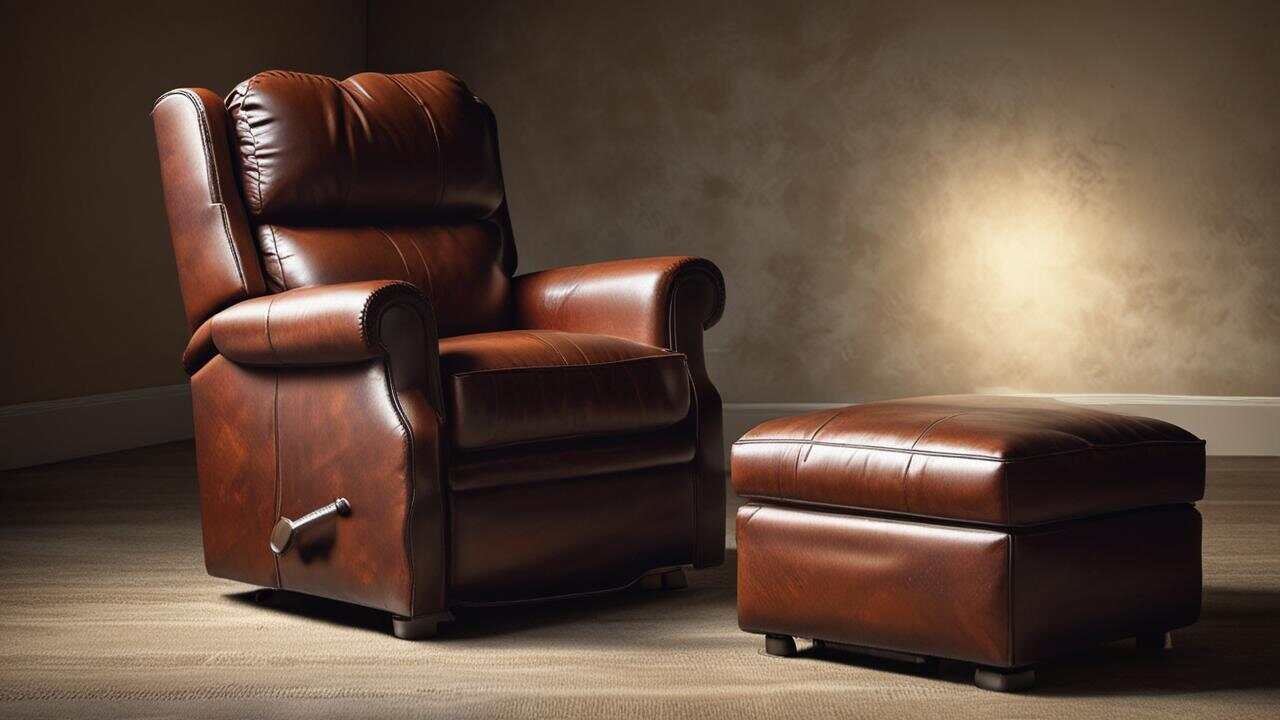
A recliner that will not budge from its current position usually has a jammed locking mechanism or a seized motor. The wall-hugger design uses a tight track system that can become blocked by foreign objects or broken plastic tabs.
What to Do
- First, check for physical obstructions under the chair (toys, pet toys, debris).
- Manually try to rock the chair gently while pressing the release button.
- If stuck upright, remove the back panel and manually disengage the locking latch.
Important: Never force a stuck recliner. You can easily snap the plastic housing of the drive unit. Consult the manufacturer’s manual first.
8 – Sudden Jerks or Hesitations During Movement
Overview
If your wall-hugger recliner moves in short jerks instead of a smooth glide, the bearings inside the track are dry or the drive belt is slipping. This symptom often appears before total jamming.
What to Do
- Lubricate the track rails and all pivot points with a white lithium grease.
- Check the tension of any belts (if accessible) and tighten per the service guide.
- Replace the motor assembly if the jerking is accompanied by a whining motor sound.
Common Myths vs Facts
Some owners believe wrong ideas about wall-hugger recliner failures. Here are three myths and the facts that correct them. Understanding the components of electric recliner mechanisms helps separate fact from fiction regarding motor and gear noises.
- Myth: All noises mean the motor is dying. Fact: Most noises come from loose debris, dry bushings, or worn gears. A motor often outlasts the gears.
- Myth: You should oil the track with WD-40. Fact: WD-40 is not a lubricant; it cleans. Use a silicone spray or white lithium grease for the track.
- Myth: A sagging cushion is just cosmetic. Fact: Sagging cushions place uneven stress on the frame and linkage, leading to premature mechanical failure.
Frequently Asked Questions
How long do wall-hugger recliners typically last?
With proper care, a wall-hugger recliner lasts 7 to 10 years. According to, daily use and poor maintenance shorten that lifespan to 3 to 5 years.
Can I fix a grinding noise myself?
Yes, in many cases. Clean the track, apply silicone lubricant, and check for broken plastic parts. If the sound continues after that, the gearbox may need professional replacement.
How often should I tighten the bolts on my recliner?
Check and tighten all visible bolts every 6 months. This simple step prevents most frame failures and can double the life of the mechanism.
Is it safe to use an extension cord for a power recliner?
No. Extension cords can create a fire hazard if the gauge is too thin. Always plug a power recliner directly into a wall outlet.
When should I replace my wall-hugger recliner instead of repairing it?
If the motor fails and labor plus parts exceed 60% of a new chair cost, replacement is better. Also, if the metal frame is bent, repairing may be impossible.
Final Thoughts
Watch for grinding noises, slow movement, loose bolts, sagging cushions, uneven footrest, electrical glitches, stuck positions, and jerky motion. These 8 Warning Signs Your Wall-Hugger Recliner Is About to Stop Working let you act early and prevent a sudden breakdown. Maintaining your chair with simple checks ensures many more comfortable years of use. Apply white lithium grease to the track rails and pivot points as recommended in the article's maintenance section.
Following furniture safety guidelines from the CPSC can prevent accidents caused by worn recliner mechanisms.