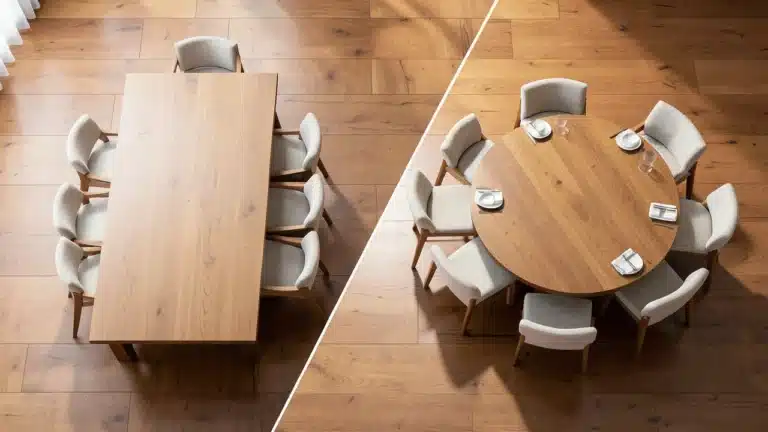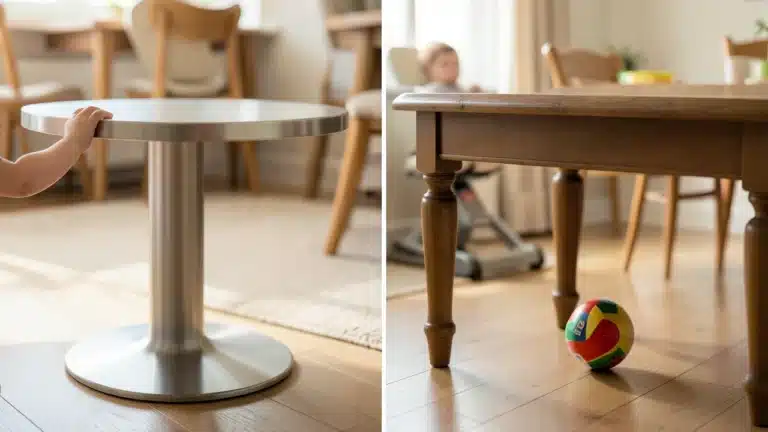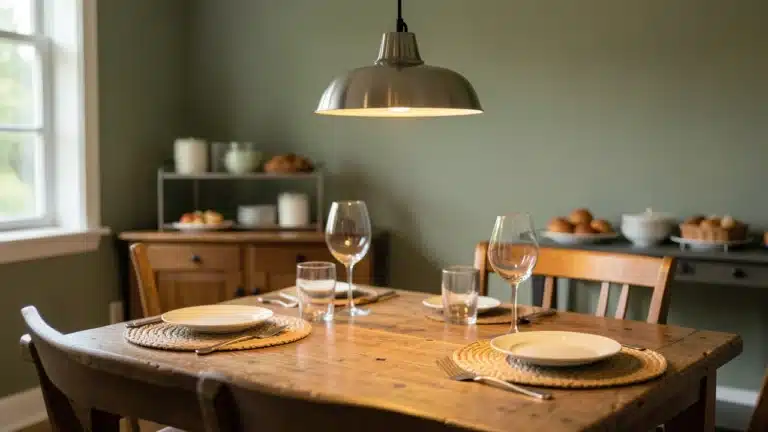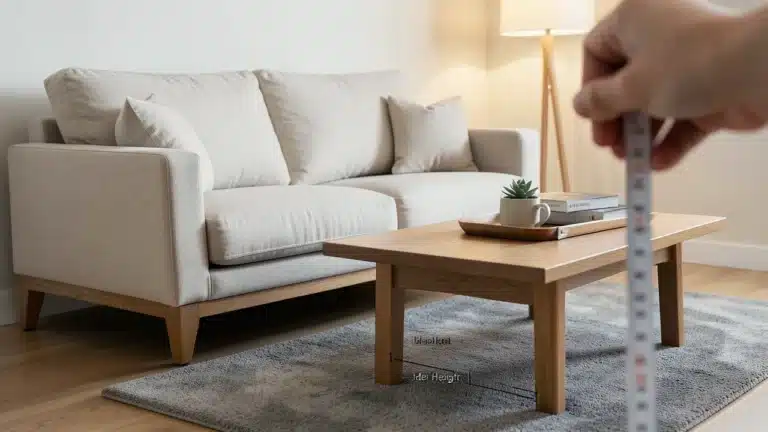
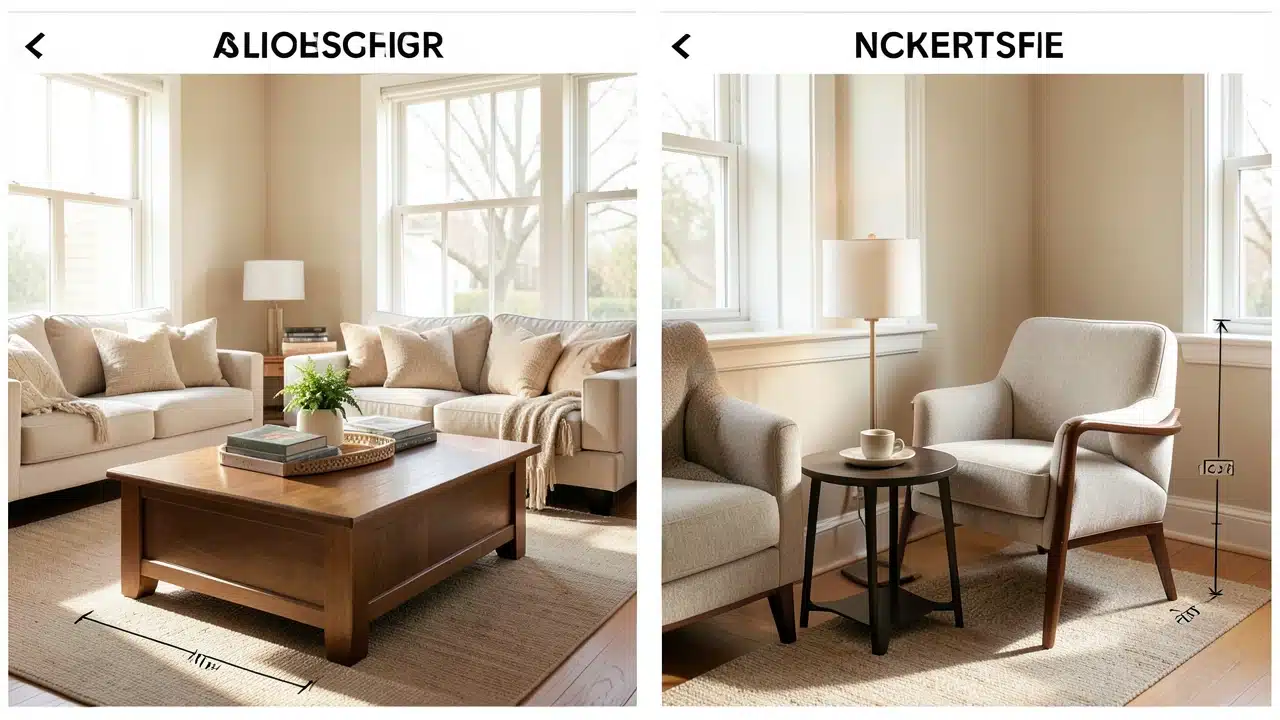
Center tables work better than side tables in larger living rooms with enough clearance to anchor seating, while side tables are the more functional choice for small rooms, narrow sofas, or flexible layouts because they add surface space without blocking movement. Room size and walking clearance are the deciding factors; a center table needs at least 18 inches of clearance on each side for comfortable flow, whereas side tables can sit flush against sofas or in corners to save floor space. Measuring the room and mapping seating before purchasing ensures clear walkways and a layout that fits your daily needs.
Center table vs. side table choice depends on room size, walking space, and how you use seating. A center table works better in larger seating areas where it can anchor the layout without blocking movement.
A side table suits small rooms, narrow sofas, or flexible layouts because it adds surface space without crowding the centre.
Picking the right furniture can make a big difference in how your home feels and functions. You want pieces that look good and also make sense for the space you have. Thinking about the Center Table vs.
Side Table: Which Actually Works Better for Your Room Size? is a common question for many homeowners.
Getting this right means your living room will feel more open and useful, not cluttered. We’ll look at how to choose the best option for your specific needs so you can make your space shine.
Key Takeaways
- Understanding the difference between center tables and side tables helps in making informed furniture choices.
- Room size is the most critical factor when deciding between a center table and side tables.
- Center tables work best in larger, open-plan living areas, while side tables are ideal for smaller spaces or as add-ons.
- Consider the function and flow of your room when selecting table types.
- Measuring your space accurately ensures you choose furniture that fits perfectly.
- The style and height of tables should complement your existing decor and seating.
Choosing Your Living Room’s Anchor: The Center Table
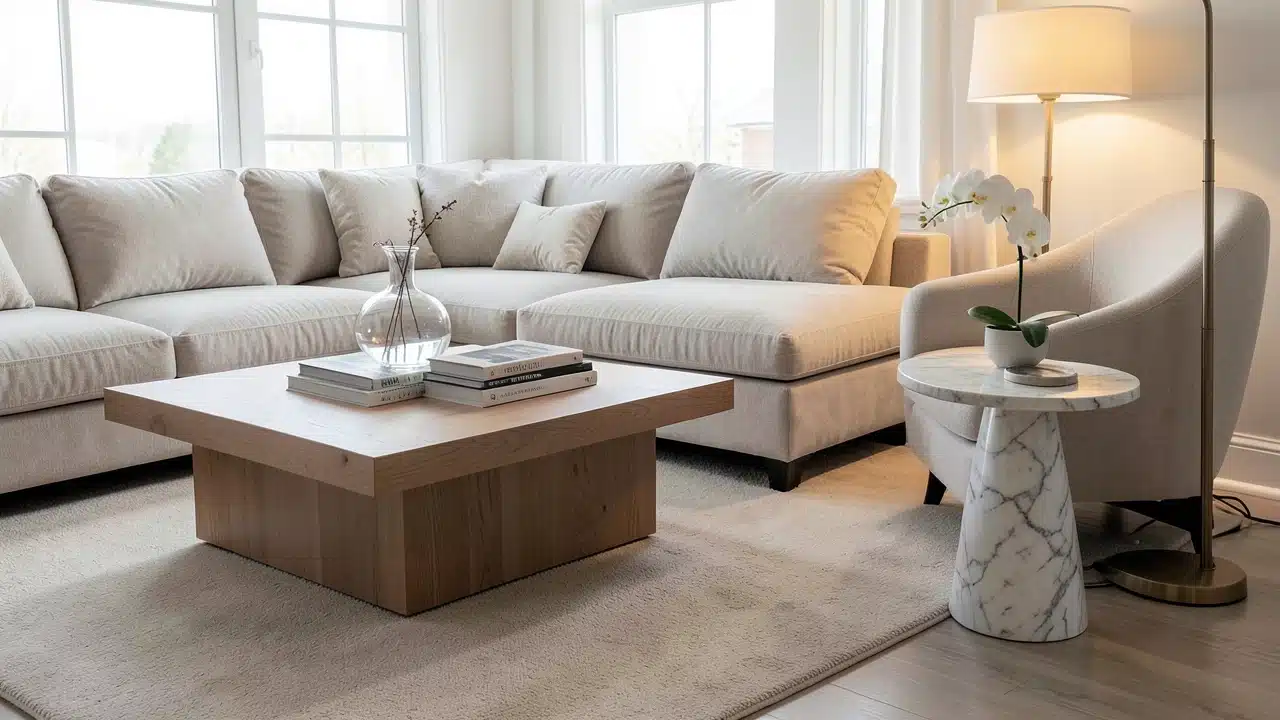
A center table, often called a coffee table, is usually the largest table in a living room. It sits in the middle of your seating area. This table is designed to be a focal point.
It provides a surface for drinks, books, and decorative items. When thinking about Center Table vs. Side Table: Which Actually Works Better for Your Room Size?, the center table is often the first thing people consider for larger rooms.
When a Center Table is the Right Choice
Larger living rooms can comfortably accommodate a center table. These tables help to define the seating arrangement. They create a central gathering spot for family and friends.
A generously sized center table can anchor a big room. It prevents the space from feeling empty or spread out. For rooms where people often gather, a center table is essential.
The ideal placement for a center table is about 12-18 inches away from your sofa. This distance allows for easy access and legroom. It also makes it simple to reach for items on the table.
Ensure there’s enough space to walk around it comfortably. This is key to good room flow.
Center Table Sizes and Shapes
Center tables come in many shapes and sizes. Rectangular tables are very popular. They work well with most sofa arrangements.
Round or oval tables can soften a room. They are also good for traffic flow, as there are no sharp corners. Square tables are great for square rooms or seating areas.
When selecting a center table, its length should be about two-thirds the length of your sofa. This creates a balanced look. The height of the table should generally be the same height or slightly lower than your sofa’s seat height.
This provides a practical and visually pleasing proportion.
Maximizing Space with Side Tables
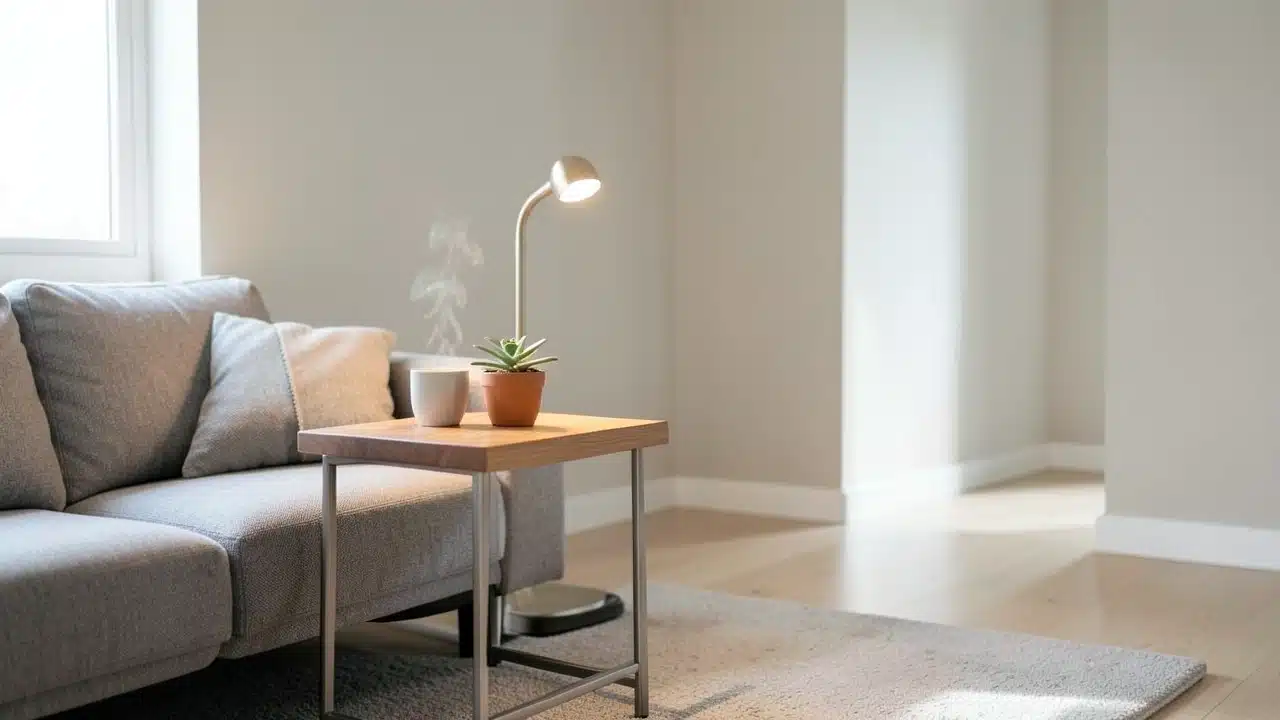
Side tables, also known as end tables or accent tables, are smaller. They are typically placed next to sofas or chairs. They offer convenient surfaces for lamps, drinks, or remotes.
For smaller living rooms, or when you need flexible surface area, side tables are a smart solution. They are a great answer to the question of Center Table vs. Side Table: Which Actually Works Better for Your Room Size? when space is limited.
When Side Tables Shine
In smaller apartments or compact living rooms, a large center table can overwhelm the space. It can make the room feel cramped. Side tables offer a practical alternative.
They provide essential surface area without taking up too much floor space. You can place them strategically where you need them most.
Side tables are also excellent for creating a layered look in any room. You can use multiple side tables of different heights and styles. This adds visual interest.They can serve as practical landing spots for guests. This flexibility is a major advantage.
Side Table Placement and Utility
Place side tables next to the arms of your sofa. They should be roughly the same height as the sofa arm. This makes them easy to reach.
You can also place them between two chairs. This creates a functional nook. If you have a very small coffee table or no center table at all, side tables become even more important.
Consider the function you need. Do you need a place for a tall floor lamp? Choose a taller side table.
Do you just need a spot for a drink and your phone? A smaller, lower table will do. The variety of side tables allows you to tailor your space precisely.
Comparing Center Table vs. Side Table: Which Actually Works Better for Your Room Size?
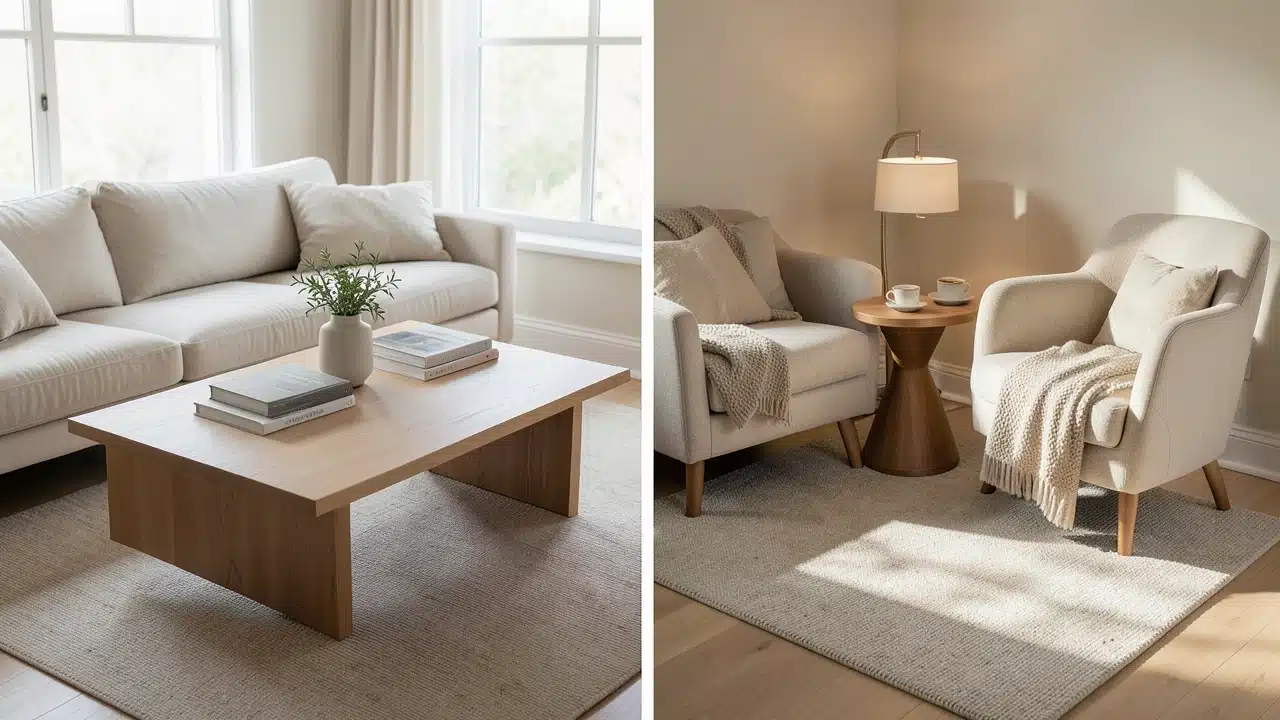
Deciding between a center table and side tables, or even using a combination, depends heavily on your room’s layout and how you use the space.
The core of the Center Table vs. Side Table: Which Actually Works Better for Your Room Size? debate lies in scale and function.
A large room can handle the presence of a substantial center table, which acts as a central hub. Smaller rooms, however, often benefit more from the adaptable and space-saving nature of side tables.
Think about the traffic flow in your room. Can people easily walk around the furniture? A bulky center table in a small room can obstruct pathways.
Side tables, being smaller, are less likely to impede movement. They allow for clearer walkways.
Consider the primary use of your living area. If it’s a place for large gatherings and entertaining, a center table offers a communal surface. If it’s more for individual relaxation or smaller groups, side tables provide personalized convenience.
| Ideal Room Size | Larger, open-plan living rooms. | Smaller rooms, apartments, or as additions to larger rooms. |
| Primary Function | Central gathering spot, surface for drinks, books, decor. | Convenient surface next to seating for lamps, drinks, remotes. |
| Impact on Space | Can anchor a large room, but can make small rooms feel cramped. | Space-saving, adaptable, can make a room feel more open. |
| Placement Flexibility | Central to the seating area. | Flexible placement next to sofas, chairs, or in corners. |
| Visual Weight | Heavier, acts as a focal point. | Lighter, serves a functional purpose without dominating. |
Measuring Your Space for the Perfect Fit
Before you buy any table, measure your living room. This is a crucial step for the Center Table vs. Side Table: Which Actually Works Better for Your Room Size? decision.
You need to know the dimensions of your seating area. Also, measure the space between your sofa and other furniture. This will tell you how much room you have for tables.
For a center table, measure the distance between your sofa and any chairs or other seating. You want enough space to walk around the table easily. A good rule of thumb is at least 18 inches of clearance.
This ensures comfortable movement.
When considering side tables, measure the space next to your sofa or chairs. You want the table to fit without making the seating arrangement feel crowded. Check the height of your sofa’s armrests.
The side table should ideally be close to that height. This makes it easy to use.
Calculating Clearance and Flow
Good room flow is essential. It means you can move around without bumping into furniture. For a center table, ensure there’s at least 14-18 inches between the table and the sofa.
Also, allow 18-24 inches between the center table and any other furniture. This creates comfortable pathways.
If you’re leaning towards side tables, think about how many you need. Do you need one on each side of the sofa? Or just one on an end?
Consider the width of your sofa. A longer sofa might benefit from two side tables. A shorter one might only need one.
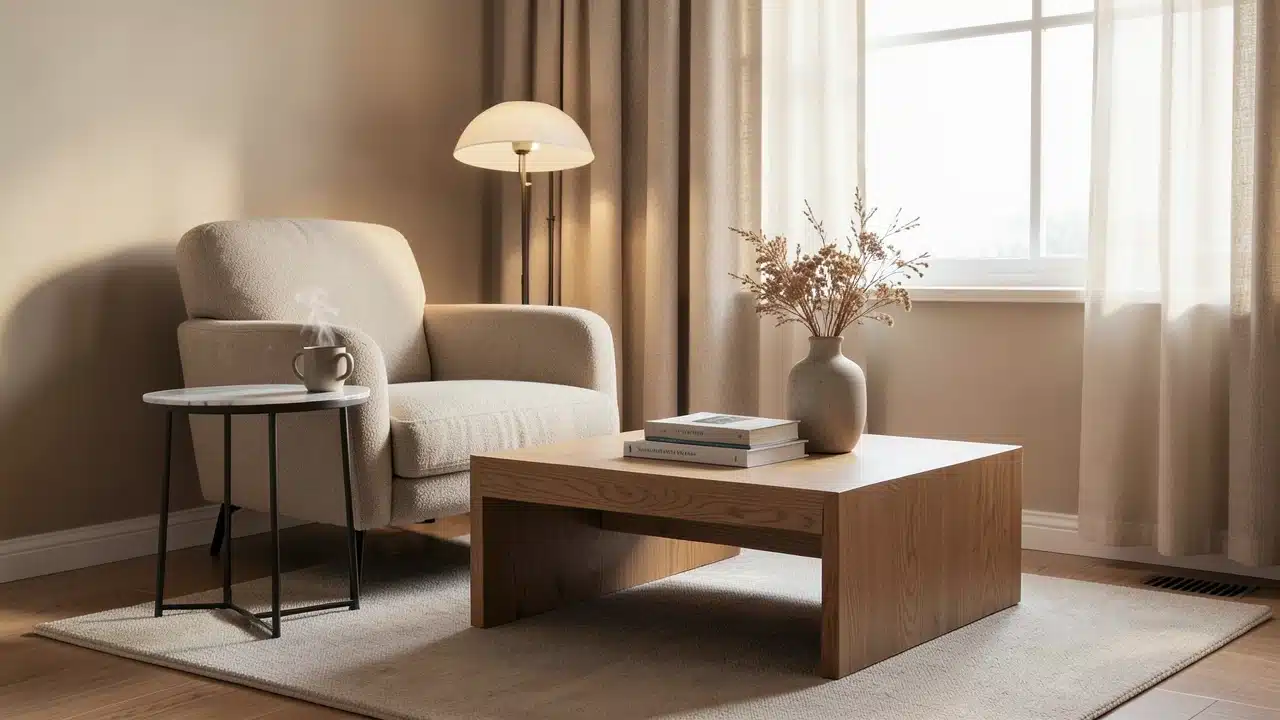
Style and Height Considerations
Beyond size, style and height play a big role. The tables you choose should match your room’s decor. They should also be the right height for your furniture.
This is another important aspect of the Center Table vs. Side Table: Which Actually Works Better for Your Room Size? puzzle.
Matching Table Style to Your Decor
Are you going for a modern, minimalist look? Consider sleek tables with clean lines. For a more traditional or rustic feel, look for tables with wood grains or classic designs.
If you have a bohemian vibe, you might mix and match different styles of side tables.
The material of the table is also important. Glass tables can make a small room feel more open. Wooden tables add warmth.
Metal tables can offer a contemporary edge. Think about the overall aesthetic you want to achieve.
The Importance of Table Height
Table height is often overlooked but is critical for comfort and usability. For a center table, aim for a height that is the same as, or slightly lower than, the seat height of your sofa. This makes it easy to place drinks or snacks on the table without straining.
For side tables, the ideal height is usually around the same level as the armrest of the chair or sofa it’s next to. If the table is too low, it’s awkward to reach. If it’s too high, it can look out of place and be uncomfortable to use.
A well-matched height makes the table functional and visually balanced.
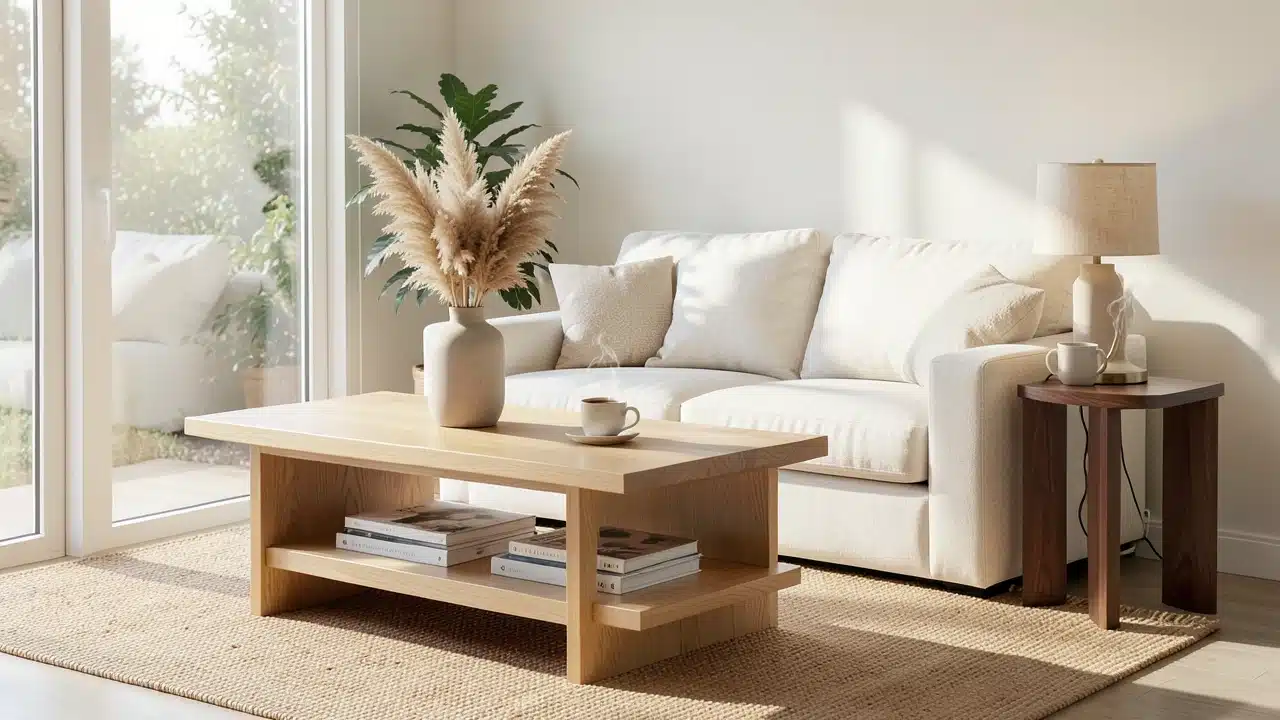
Combining Center Tables and Side Tables
You don’t always have to choose just one type of table. In many living rooms, a combination of a center table and side tables works best. This approach offers the benefits of both.
It’s a great way to answer the Center Table vs. Side Table: Which Actually Works Better for Your Room Size? question by using both to your advantage.
Creating a Layered Look
A center table can serve as the main surface in a larger living area. Then, adding side tables next to sofas or chairs provides extra convenience. This layered approach offers ample surface area.
It also adds depth and visual interest to your room’s layout.
For example, a large rectangular coffee table can anchor the main seating area. Then, a small, stylish side table can be placed at the end of the sofa. This gives a spot for a lamp and a drink.
It’s a practical and aesthetically pleasing solution.
When a Combination is Ideal
This combined strategy is perfect for medium to large living rooms. It allows you to have the central gathering point of a coffee table. It also provides the flexible, accessible surfaces of side tables.
This setup caters to various needs, from holding a centerpiece to providing a quick spot for a remote control.
When combining, ensure the styles and finishes complement each other. They don’t have to match exactly, but they should harmonize. This creates a cohesive and intentional design. Measure carefully and consider function to ensure your furniture fits perfectly and enhances your space.
The goal is to create a functional and beautiful living space.
Frequently Asked Questions Of Center Table Vs. Side Table: Which Actually Works Better For Your Room Size?
What is the main difference between a center table and a side table?
A center table is typically larger and placed in the middle of the seating area, serving as a focal point. A side table is smaller and placed next to seating, offering convenient surface space.
How do I know if my room is too small for a center table?
If a center table makes it difficult to walk around your seating area or feels overwhelming, your room is likely too small. Consider side tables instead for better flow.
What is the best height for a side table next to a sofa?
The best height for a side table is usually around the same level as the armrest of your sofa or chair. This ensures it is comfortable and easy to reach.
Can I use only side tables and no center table?
Yes, you can definitely use only side tables, especially in smaller rooms or apartments. They can provide all the necessary surface area without making the space feel crowded.
How much space should be between a center table and a sofa?
You should leave about 14 to 18 inches of space between your center table and your sofa. This allows for comfortable legroom and easy passage.
Does the style of the table matter when considering Center Table vs. Side Table: Which Actually Works Better for Your Room Size?
Yes, the style and material of the table should complement your existing decor to create a cohesive look.
Final Thoughts
Choosing between a center table and side tables, or using both, depends on your room’s size and how you live. Measure carefully and consider function to ensure your furniture fits perfectly and enhances your space. Then, a small, stylish side table can be placed at the end of the sofa.