
The right bedside table height for reaching things without sitting up is level with the top of your mattress or within 2 inches above or below it. Because mattress height is the primary factor, measure from the floor to the top of your mattress and select a table that aligns with that measurement for comfortable access. This practical standard prevents awkward stretching or strain and ensures phone, lamp, water, and other essentials are within natural arm reach when lying in bed.
The right bedside table height is usually level with the top of your mattress or within 2 inches above or below it.
This lets you reach a phone, lamp, water, or book without sitting up or stretching awkwardly. Measure from the floor to mattress top, then choose a table that matches your natural arm reach.
Getting out of bed can be a hassle when you need something from your nightstand. You want to be able to grab your phone, a drink, or a book without having to fully sit up or strain.
Finding The Right Bedside Table Height so You Can Reach Things Without Sitting Up makes your mornings and nights much smoother.
It’s about comfort and convenience, ensuring your essentials are always within easy reach, saving you time and effort every single day.
Key Takeaways
- Choosing the correct bedside table height improves ease of access to items from bed.
- Your mattress height is the primary factor in determining the ideal table height.
- A table that’s too high or too low can cause discomfort and make reaching difficult.
- Consider your personal preferences and any specific needs you might have.
- Standard bedside table heights offer a good starting point, but customization is often best.

Finding Your Perfect Bedside Table Height
The main goal is to make your bedside table a useful extension of your bed. You should be able to rest your arm comfortably on the table’s surface while lying down. This means the top of the table should be roughly level with the top of your mattress.
It’s not just about looks; it’s about making your bedroom a more functional and relaxing space. Having The Right Bedside Table Height so You Can Reach Things Without Sitting Up means fewer fumbles and more peaceful moments.
Measuring for the Ideal Height
Measuring is simple. Start by measuring the height of your mattress from the floor to the very top of the mattress pad. This measurement is your baseline.
Then, consider the thickness of your mattress and any topper you might use. The final number you’re aiming for is the height from the floor to the top surface of your bedside table. This ensures you can easily access your belongings.
The Importance of Mattress Thickness
Mattress thickness plays a big role. A thick mattress will naturally raise your body higher. This means you’ll likely need a taller bedside table to match.
Conversely, a thin mattress will require a shorter table. Always measure to the top of your fully dressed mattress. This is crucial for achieving The Right Bedside Table Height so You Can Reach Things Without Sitting Up.

Standard Bedside Table Sizes and Their Impact
Most bedside tables come in standard sizes, but these can vary quite a bit. Understanding these common dimensions helps you make a more informed choice. It’s easy to find tables that are too tall or too short if you don’t consider your bed’s height first.
Getting The Right Bedside Table Height so You Can Reach Things Without Sitting Up often means looking beyond just the standard options.
Common Bedside Table Heights
You'll often see bedside tables in heights ranging from 20 inches to 30 inches. A table around 24 inches is a common choice for many standard beds. However, if you have a platform bed or a bed with a very thick mattress, you might need something closer to 28 or 30 inches.
Always measure your bed first. This prevents you from buying a table that doesn’t quite work.
When Standard Sizes Don’t Fit
Sometimes, a standard size just won’t do. If you have an extra-low platform bed or a very high four-poster bed, you might need to look for custom-made furniture or modify an existing piece. Don’t settle for something that makes reaching your essentials a chore.
The goal is to find The Right Bedside Table Height so You Can Reach Things Without Sitting Up, and that might mean thinking outside the box.

Factors Beyond Mattress Height
While mattress height is key, other personal factors can influence what feels like The Right Bedside Table Height so You Can Reach Things Without Sitting Up.
Your personal reach and comfort level are just as important. What feels perfect for one person might not be ideal for another, even with the same bed height.
Your Personal Reach and Comfort
Think about how you typically lie in bed. Do you prefer to be propped up on pillows? Do you have a longer or shorter reach?
If you use a lot of pillows, your effective sleeping height is higher. This might mean you need a slightly shorter table than someone who sleeps flat. Experimenting by placing books or boxes on your current nightstand can help you find your sweet spot.Special Considerations for Accessibility
For individuals with mobility issues or certain physical limitations, the right height is even more critical.
A table that is too high or too low can create a barrier. Ensuring easy access to medication, water, or communication devices is paramount.
Prioritizing The Right Bedside Table Height so You Can Reach Things Without Sitting Up can significantly improve independence and daily comfort for many.
Choosing the Right Table Depth and Width
While height is the main focus, don’t forget depth and width. A table that’s too shallow might not hold your items securely. One that’s too wide could be awkward in a small room.
You want enough surface area to place your essentials without feeling cramped. This contributes to the overall convenience of having The Right Bedside Table Height so You Can Reach Things Without Sitting Up.
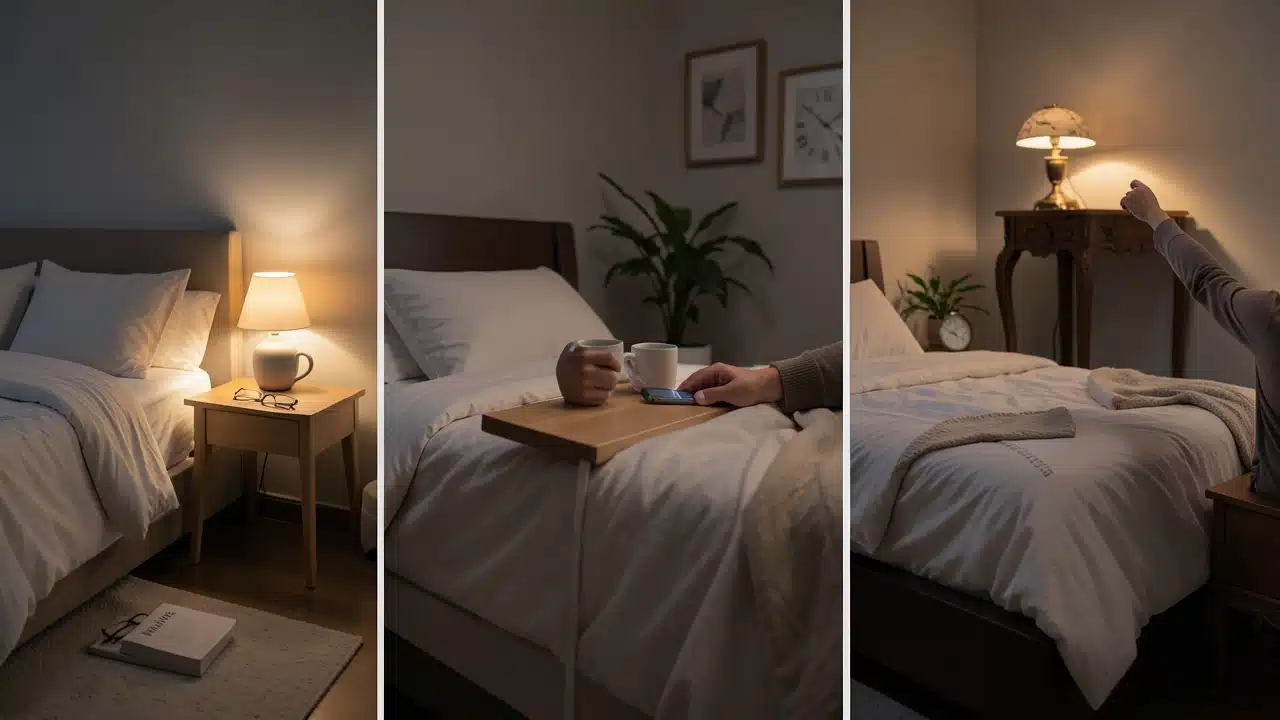
Comparing Bedside Table Heights
To help visualize the differences, let’s look at how various heights might work with different bed setups.
Using a comparison table can make it easier to see the relationship between your bed and the table. This visual guide can help you pinpoint what you need.
| Low Platform Bed (Mattress top at 15 inches) | 18-20 inches | Keeps items within easy reach when lying down; avoids feeling too high. |
| Standard Bed (Mattress top at 25 inches) | 24-26 inches | Aligns well with the top of the mattress for comfortable access. |
| High Bed Frame (Mattress top at 30 inches) | 28-30 inches | Ensures items are not too low and require stretching. |
| Extra Thick Mattress (Mattress top at 32 inches) | 30-32 inches | Matches the elevated sleeping surface for optimal reach. |
This table illustrates how your bed’s height directly influences the ideal bedside table height. Finding The Right Bedside Table Height so You Can Reach Things Without Sitting Up is all about this alignment.

How to Adjust or Modify Your Bedside Table
If your current bedside table isn’t the perfect height, don’t despair. There are several ways to adjust it to meet your needs. Sometimes a simple fix can make a big difference in your daily comfort.
Using Risers for Height Adjustment
Bed risers are a popular and easy solution. These are blocks or extensions that you place under the legs of your bedside table. They come in various heights, allowing you to incrementally raise the table.
This is a great way to experiment and find the exact height you need without buying a new piece of furniture. It’s a practical step towards achieving The Right Bedside Table Height so You Can Reach Things Without Sitting Up.
DIY Modifications
For a more permanent solution, you might consider DIY modifications. This could involve adding a new base or legs to an existing table. You could also repurpose a small cabinet or shelf by adding appropriate height extensions.
If you’re handy, you can customize a piece to be exactly the right height and style for your bedroom.
Choosing a New Bedside Table
If adjustments aren't feasible, it's time to shop for a new bedside table. When browsing, always keep your mattress height in mind. Look at the product specifications for the table's dimensions.
Don’t be afraid to place a tape measure next to your bed to visualize the height difference. This proactive approach ensures you get The Right Bedside Table Height so You Can Reach Things Without Sitting Up. Applying ergonomic principles for furniture can help you choose a bedside table that matches your body's needs.
Frequently Asked Questions Of The Right Bedside Table Height So You Can Reach Things Without Sitting Up
What is the standard height for a bedside table?
Standard bedside tables are often around 24 inches tall, but this is just a guideline. The ideal height depends heavily on your bed’s height.
How do I know if my bedside table is too high?
If you have to reach up significantly or strain your arm to grab items, your bedside table is likely too high. You should be able to rest your arm comfortably on the surface.
Can I use a regular table as a bedside table if the height is right?
Yes, if a regular table is the correct height and has a suitable surface area, it can certainly function as a bedside table. Functionality is key for The Right Bedside Table Height so You Can Reach Things Without Sitting Up.
What if my bed is very low?
For very low beds, look for low-profile bedside tables or consider using sturdy blocks or risers to achieve the desired height. You want your items easily accessible.
Does the type of mattress topper affect bedside table height?
Yes, a thick mattress topper adds to the overall height of your sleeping surface, so you’ll need to account for it when measuring for The Right Bedside Table Height so You Can Reach Things Without Sitting Up.
Should my bedside table be the same height as my mattress?
Ideally, the top of your bedside table should be level with the top of your mattress. This makes reaching items without sitting up effortless.
Final Thoughts
Achieving The Right Bedside Table Height so You Can Reach Things Without Sitting Up is about matching your nightstand to your bed. Measure your mattress height carefully and consider your personal reach. This simple adjustment makes your bedroom more comfortable and functional. For a comprehensive overview of nightstand height considerations, consult the Nightstand Wikipedia article.
You’ll enjoy the ease of access to your essentials. For official ergonomics guidelines from NIOSH, visit the CDC's ergonomics topic page.